





An anorectal abscess is a pus-filled cavity caused by bacteria invading a mucus-secreting gland in the anus and rectum.
Bacteria infect a blocked gland in the anus or rectum and create an abscess.
The infection produces pus and causes pain and swelling.
The diagnosis is based on an examination and the results of imaging tests if needed.
Cutting and draining the abscess is the best form of treatment.
The rectum is the section of the digestive tract above the anus where stool is held before it passes out of the body through the anus.
The anus is the opening at the end of the digestive tract where stool leaves the body.
(See also Overview of the Anus and Rectum.)
The Digestive System

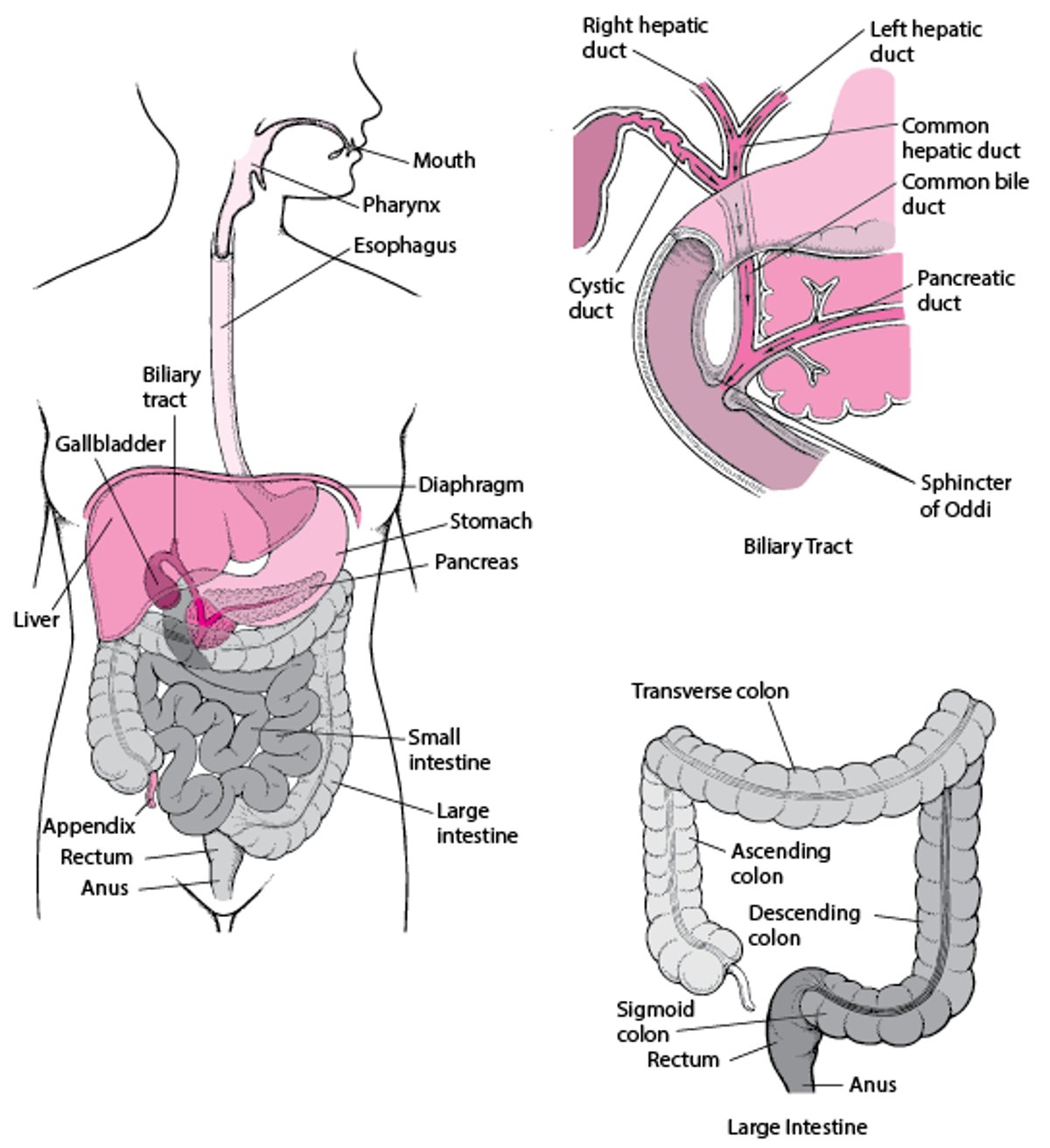
An abscess develops when a mucus-secreting gland in the anus or rectum is blocked, and bacteria grow and multiply. Although the anus is an area that is rich in bacteria, infection generally does not occur because blood flow to the area is rich. When infection does occur, it usually is caused by a combination of different types of bacteria.
An abscess can cause substantial damage to nearby tissues and may rarely lead to loss of bowel control (fecal incontinence). People who have Crohn disease are at particular risk of abscesses. Sometimes, abscesses are a complication of diverticulitis or pelvic inflammatory disease.
An abscess may be deep in the rectum or close to the opening of the anus.
Symptoms of Anorectal Abscess
Abscesses just under the skin can be swollen, red, tender, and very painful. Rarely, people have fever.
Abscesses deep in the rectum may be less painful but may cause fever and pain in the lower abdomen.
Diagnosis of Anorectal Abscess
A doctor's evaluation
Rarely computed tomography
A doctor can usually see an abscess if it is in the skin around the anus. When no external swelling or redness is seen, however, a doctor can make the diagnosis of anorectal abscess by examining the rectum with a gloved finger. A tender swelling in the rectum indicates an abscess.
If the doctor suspects a deep abscess or Crohn disease, a computed tomography (CT) scan of the abdomen can determine the extent and location.
Treatment of Anorectal Abscess
Cutting and draining the abscess
Antibiotics for some people
For an abscess just under the skin, treatment consists of cutting into the abscess and draining the pus after a local anesthetic has been given to numb the area.
For a deeper abscess, the person is usually hospitalized, and the abscess is drained in the operating room after general anesthesia has been given.
Antibiotics are typically given only to people who have fever, a weakened immune system, diabetes, cellulitis, or an infection elsewhere in the body. People who have an abnormally low number of a type of white blood cell (neutropenia) are given antibiotics but usually do not have the abscess drained.
Even with proper treatment a drained abscess may lead to the formation of an abnormal channel from the anus or rectum to the skin (called an anorectal fistula).


