





Proctitis is inflammation of the lining of the rectum (rectal mucosa).
The inflammation has many causes ranging from infection to radiation therapy.
Depending on its cause, proctitis can be painless or very painful.
A doctor makes the diagnosis after examining the inside of the rectum.
Antibiotics can be used to treat proctitis caused by a bacterial infection.
Corticosteroids can be applied to the affected area or sometimes taken by mouth to treat proctitis caused by radiation therapy.
The rectum is the section of the digestive tract above the anus where stool is held before it passes out of the body through the anus. (See also Overview of the Anus and Rectum.)
The Digestive System

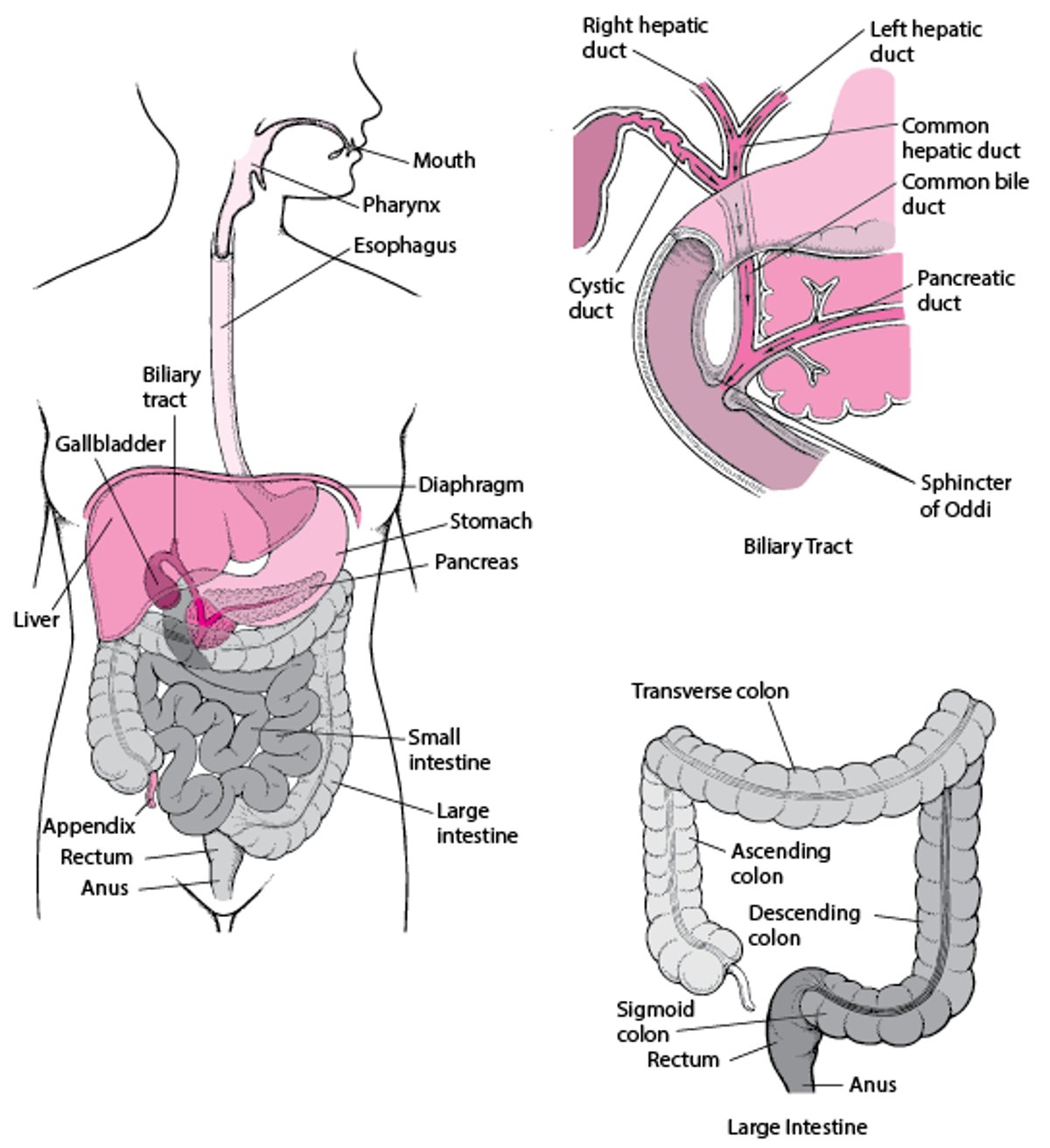
Causes of Proctitis
Proctitis has several causes.
It may result from Crohn disease or ulcerative colitis. It can also result from a sexually transmitted infection (such as gonorrhea, syphilis, Chlamydia trachomatis infection, herpes simplex virus infection, or monkeypox infection), especially among people who engage in anal-receptive intercourse.
Proctitis may also be caused by some bacteria not transmitted sexually, such as Salmonella, or by the use of an antibiotic that destroys normal intestinal bacteria, thus allowing other bacteria to grow in their place (Clostridioides difficile—see Clostridioides difficile-Induced Colitis).
A person whose immune system is impaired is also at increased risk of developing proctitis, particularly from infections by herpes simplex virus or cytomegalovirus.
Another cause of proctitis is radiation therapy directed at or near the rectum, which is commonly used to treat prostate and rectal cancer.
Symptoms of Proctitis
Proctitis typically causes painful straining to defecate, painless bleeding, or the passage of mucus from the rectum.
When proctitis is caused by gonorrhea, herpes simplex virus, monkeypox, or cytomegalovirus, the anus and rectum may be intensely painful.
Diagnosis of Proctitis
Proctoscopy or sigmoidoscopy
Blood tests and stool tests
Sometimes colonoscopy
To make the diagnosis of proctitis, a doctor looks inside the rectum with a proctoscope or sigmoidoscope (a tube used to view the rectum—see Endoscopy) and takes swabs and a tissue sample of the rectal lining for examination. The laboratory then can identify the bacterium, fungus, or virus that may be causing the proctitis.
Blood tests for syphilis and stool tests for Clostridioides difficile are also done.
A doctor may also examine other areas of the intestine using colonoscopy (examination of the entire large intestine with an endoscope) to look for Crohn disease or ulcerative colitis.
Treatment of Proctitis
Treatment of the cause
Antibiotics are the best treatment for proctitis caused by a specific bacterial infection. Antiviral medications are used for viral infections.
If proctitis has caused bleeding from the lining of the rectum, doctors can use argon plasma, lasers, electrocoagulation, and heater probes to stop the bleeding.


