





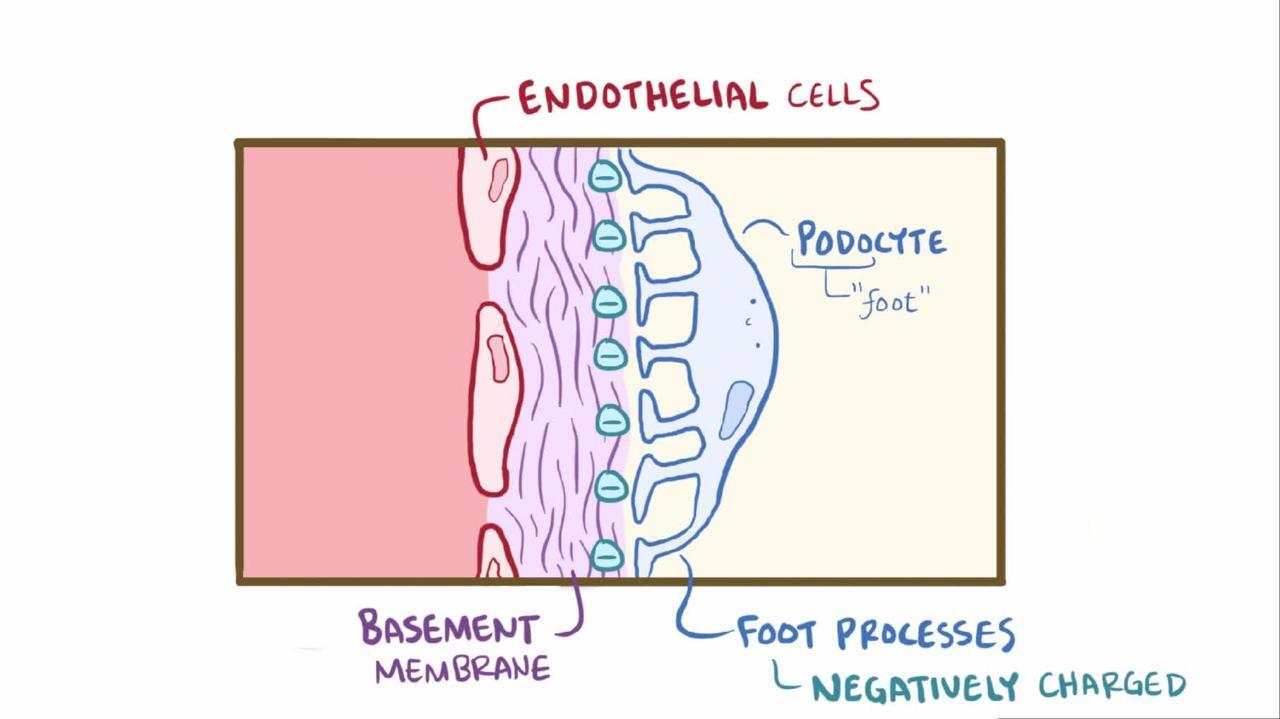
Nephrotic syndrome is a disorder of the glomeruli (clusters of microscopic blood vessels in the kidneys that have small pores through which blood is filtered) in which excessive amounts of protein are excreted in the urine. Excessive protein excretion typically leads to accumulation of fluid in the body (edema) and low levels of the protein albumin and high levels of fats in the blood.
Medications and disorders that damage the kidneys may cause nephrotic syndrome.
People feel tired and have tissue swelling (edema).
Diagnosis is based on blood and urine tests and sometimes imaging of the kidneys, a biopsy of the kidneys, or both.
Restriction of sodium intake plus diuretics and statins are also used to treat this disorder.
(See also Overview of Kidney Filtering Disorders.)
Nephrotic syndrome can develop gradually or suddenly. Nephrotic syndrome can occur at any age. In children, it is most common between the ages of 18 months and 4 years, and more males than females are affected. In older people, both sexes are equally affected.

Excessive protein excretion into the urine (proteinuria) results in low levels of important proteins, such as albumin, in the blood. People also have increased levels of fats (lipids) in the blood, a tendency to increased blood clotting, and a greater susceptibility to infection. The decreased level of albumin in the blood causes fluid to leave the bloodstream and enter the tissues. Fluid in the tissues leads to edema. Fluid leaving the bloodstream causes the kidneys to compensate by retaining more sodium.
Causes of Nephrotic Syndrome
Nephrotic syndrome can be
Primary, originating in the kidneys
Secondary, caused by a vast array of other disorders
A variety of primary kidney disorders can damage the glomeruli and cause nephrotic syndrome. Minimal change disease is the most common cause of nephrotic syndrome in children.
The secondary causes may involve other parts of the body. The most common disorders causing nephrotic syndrome are diabetes mellitus, systemic lupus erythematosus (lupus), and certain viral infections. Nephrotic syndrome can also result from kidney inflammation (glomerulonephritis). A number of medications that are toxic to the kidneys can also cause nephrotic syndrome, especially nonsteroidal anti-inflammatory drugs (NSAIDs). The syndrome may be caused by certain allergies, including allergies to insect bites and to poison ivy or poison oak. Some types of nephrotic syndrome are hereditary.
Symptoms of Nephrotic Syndrome
Early symptoms include
Loss of appetite
A general feeling of illness (malaise)
Puffy eyelids and tissue swelling (edema) due to excess sodium and water retention
Abdominal pain
Frothy urine
The abdomen may be swollen because of a large accumulation of fluid in the abdominal cavity (ascites). Shortness of breath may develop because fluid accumulates in the space surrounding the lungs (pleural effusion). Other symptoms may include swelling of the labia or scrotum. Most often, the fluid that causes tissue swelling is affected by gravity and therefore moves around. During the night, fluid accumulates in the upper parts of the body, such as the eyelids. During the day, when the person is sitting or standing, fluid accumulates in the lower parts of the body, such as the ankles. Swelling may hide the muscle wasting that is progressing at the same time.
In children, blood pressure is generally low, and blood pressure may fall when the child stands up (orthostatic or postural hypotension). Shock occasionally develops. Adults may have low, normal, or high blood pressure.
Urine production may decrease, and kidney failure (loss of most kidney function) may develop if the leakage of fluid from blood vessels into tissues depletes the liquid component of blood and the blood supply to the kidneys is diminished. Occasionally, kidney failure with low urine output occurs suddenly.
Nutritional deficiencies may result because nutrients are excreted in the urine. In children, growth may be stunted. Calcium may be lost from bones, and people may have a leading to osteoporosis. The hair and nails may become brittle, and some hair may fall out. Horizontal white lines may develop in fingernail beds for unknown reasons.
The membrane that lines the abdominal cavity and abdominal organs (peritoneum) may become inflamed and infected. Opportunistic infections—infections caused by normally harmless bacteria—are common. The higher likelihood of infection is thought to occur because the antibodies that normally combat infections are excreted in the urine or not produced in normal amounts. The tendency for blood clotting (thrombosis) increases, particularly inside the main veins draining blood from the kidneys. Less commonly, the blood may not clot when clotting is needed, generally leading to excessive bleeding. High blood pressure accompanied by complications affecting the heart and brain is most likely to occur in people who have diabetes or systemic lupus erythematosus.
Diagnosis of Nephrotic Syndrome
Urine and blood tests
A doctor bases the diagnosis of nephrotic syndrome on symptoms, physical examination findings, and laboratory findings. Sometimes nephrotic syndrome is at first mistaken for heart failure in older adults because swelling occurs in both disorders and heart failure is common among older people.
A laboratory test of urine collected over a 24-hour period is useful for measuring the degree of protein loss, but collection of urine over such a long period is difficult for many people to accomplish. Alternatively, to estimate protein loss, a single urine specimen can be tested to measure the ratio of the level of protein to that of creatinine (a waste product).
Blood tests and other urine tests detect additional characteristics of the syndrome. The level of albumin in the blood is low because this vital protein is excreted in the urine and its production is impaired. The urine often contains clumps of cells that may be combined with protein and fat (casts). The urine contains low levels of sodium and high levels of potassium.
Concentrations of lipid in the blood are high, sometimes exceeding 10 times that of a normal concentration. Levels of lipid in the urine are also high. Anemia may be present. Levels of blood clotting proteins may be increased or decreased.
Determining the cause of nephrotic syndrome
The doctor investigates possible causes of nephrotic syndrome, including medications or illicit drugs.
Analysis of the urine and blood may reveal an underlying disorder. For example, the blood is tested for evidence of previous infections that could cause nephrotic syndrome and for antibodies directed against the body's own tissues (called autoantibodies), which indicate an autoimmune disorder.
An imaging test of the kidneys, such as ultrasonography or computed tomography (CT), may be done. If the person has lost weight or is older, a search for cancer is undertaken. A kidney biopsy is especially useful in determining the cause and extent of kidney damage.
Treatment of Nephrotic Syndrome
Treatment of the cause
Medications
Dietary management and other measures
Treatment of the cause of nephrotic syndrome
Whenever possible, specific treatment is aimed at the cause. Treating an infection that causes nephrotic syndrome may cure the syndrome. If a treatable disease, such as certain cancers, causes nephrotic syndrome, treating that disease can eliminate the syndrome.
If a heroin user with nephrotic syndrome stops using heroin in the early stages of the disease, the syndrome may resolve. If other medications or illicit drugs are responsible for the syndrome, stopping these may be curative.
People who are sensitive or allergic to poison oak, poison ivy, or insect bites should avoid these irritants.
Medications
kidney failure, which can cause potentially dangerous heart rhythm abnormalities.
High blood pressure is usually treated with diuretics. Diuretics can also reduce fluid retention and tissue swelling but may increase the risk of blood clots.
Anticoagulants may help control clot formation if it occurs. Infections can be life threatening and must be treated promptly.
Statins, medications that lower the amount of cholesterol in the blood, may also be needed if people have increased levels of fats (lipids) in the blood.
Dietary management and other measures
General therapy for nephrotic syndrome includes a diet that contains normal amounts of protein and potassium but that is low in saturated fat, cholesterol, and sodium.
If fluid accumulates in the abdomen, the person may need to eat frequent, small meals because the fluid reduces the capacity of the stomach.
People should receive the pneumococcal vaccine.
Rarely, so much protein is lost in the urine that the kidneys must be removed.
Prognosis for Nephrotic Syndrome
The prognosis varies depending on the
Cause of the nephrotic syndrome
Person's age
Type of kidney damage
Degree of kidney damage
Symptoms may disappear completely if the nephrotic syndrome is caused by a treatable disorder, such as an infection, cancer, or medications, provided the condition is treated early and effectively. This situation occurs in about half the cases in children but less often in adults. If the underlying disorder responds to corticosteroids, sometimes progression of the disease is halted, and less often the condition partially or, rarely, completely reverses. When the syndrome is caused by human immunodeficiency virus (HIV) infection, it usually progresses relentlessly, often resulting in complete kidney failure in 3 or 4 months. Children born with nephrotic syndrome rarely live beyond their first birthday, although a few have survived by means of dialysis treatments or a kidney transplant.
When the cause is systemic lupus erythematosus or diabetes mellitus, medications often stabilize or decrease the amount of protein in the urine. However, some people do not respond to medications and develop chronic kidney disease, which then progresses to kidney failure within a few years.
Prevention of Nephrotic Syndrome
systemic lupus erythematosus or diabetes mellitus has mild or moderate proteinuria, an ACE inhibitor or ARB is used as soon as possible because the medication may prevent proteinuria from increasing and kidney function from worsening.
More Information
The following English-language resource may be useful. Please note that THE MANUAL is not responsible for the content of this resource.
American Kidney Fund, Nephrotic Syndrome: General information on nephrotic sydrome, including answers to frequently asked questions


