





Rocky Mountain spotted fever is a potentially fatal rickettsial infection that is transmitted by dog ticks and wood ticks. It causes a rash, headache, and high fever.
People become infected when a tick carrying the infection bites them.
A severe headache, chills, extreme exhaustion, and muscle pains develop, usually followed a few days later by a rash.
People are given antibiotics immediately if they have been bitten by a tick and have typical symptoms.
Avoiding tick bites is the best way to prevent the infection.
Rocky Mountain spotted fever is caused by the bacteria Rickettsia rickettsii. Rickettsiae are a type of bacteria that can live only inside the cells of other organisms.
Rocky Mountain spotted fever is probably the most common rickettsial infection in the United States. It was first recognized in the Rocky Mountain states but occurs throughout most of the continental United States. It is most common in the southeastern and south central United States (North Carolina, Oklahoma, Arkansas, Tennessee, and Missouri). It also occurs in Central and South America.
Rocky Mountain spotted fever occurs mainly from March to September, when adult ticks are active and people are likely to be in tick-infested areas. In the southern states, the disease may occur throughout the year. The infection is more common among people who spend a lot of time in tick-infested areas and among children younger than 15.
Ticks acquire these rickettsiae by feeding on infected mammals, typically rodents. Infected female ticks can also transmit rickettsiae to their offspring. Infection is spread to people through bites by wood ticks or dog ticks. Rickettsial infection is probably not transmitted directly from person to person.

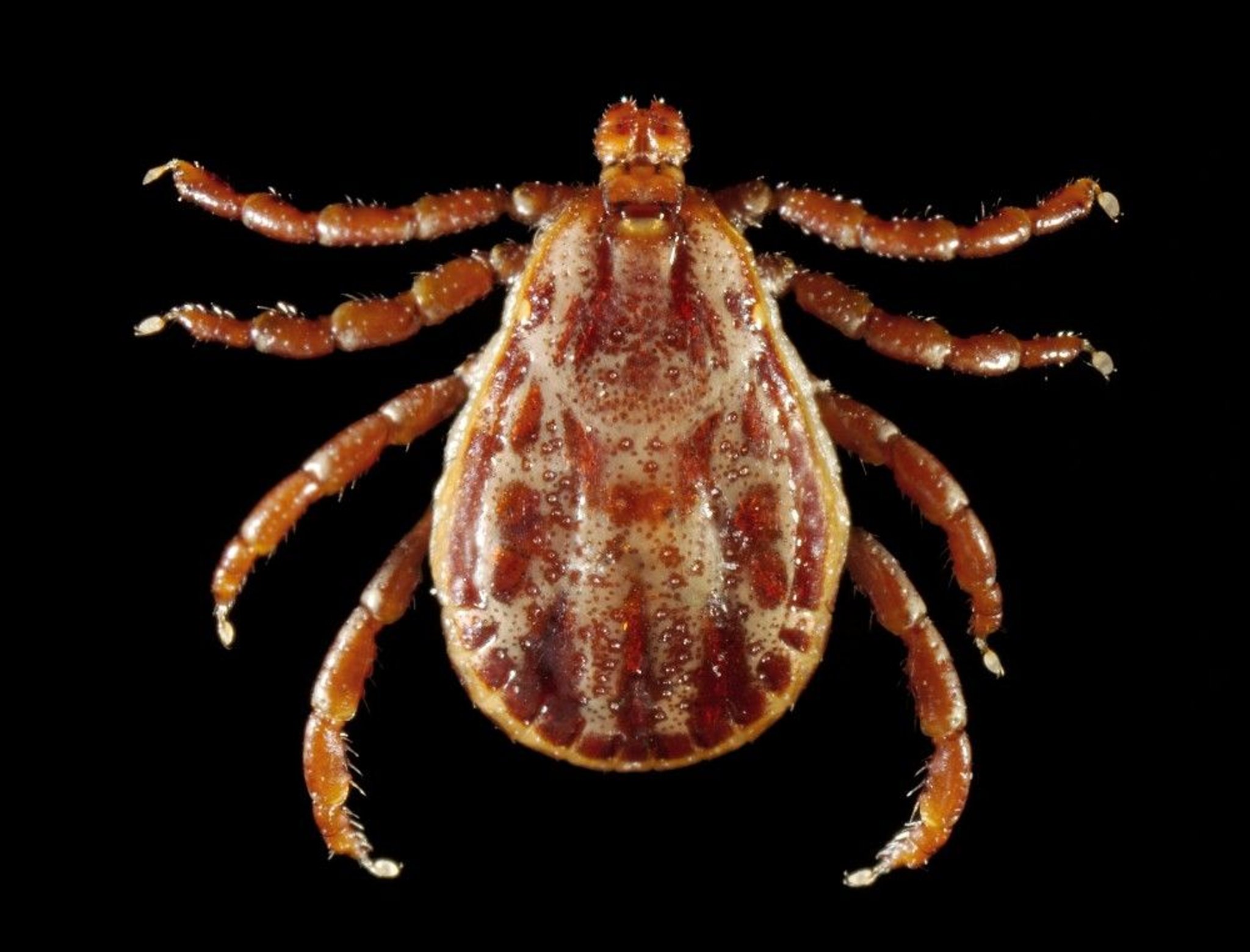
Image courtesy of Dr. Christopher Paddock via the Public Health Image Library of the Centers for Disease Control and Prevention.

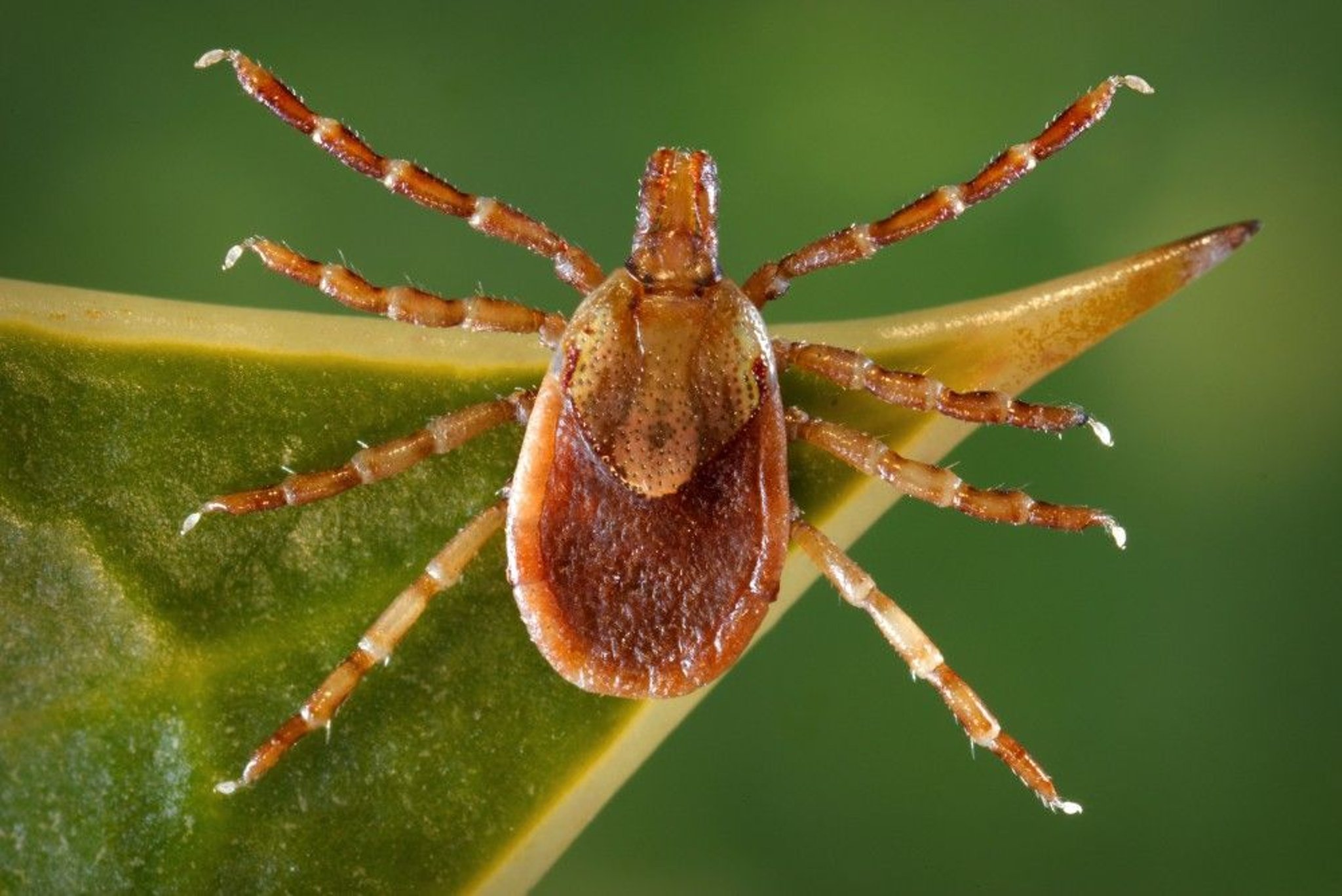
Image courtesy of Dr. Christopher Paddock via the Public Health Image Library of the Centers for Disease Control and Prevention.
Rickettsiae live and multiply in the cells lining blood vessels. Blood vessels in and under the skin and in the brain, lungs, heart, kidneys, liver, and spleen are commonly infected. Small infected blood vessels may become blocked by blood clots.
Did You Know...
|
Symptoms of Rocky Mountain Spotted Fever
Typically, symptoms of Rocky Mountain spotted fever include a severe headache, chills, extreme exhaustion (prostration), and muscle pains. Symptoms begin suddenly 3 to 12 days after a tick bite. The more quickly symptoms begin, the more severe the infection. A high fever develops within several days and, in severe infections, persists for 2 to 3 weeks. A hacking, dry cough may also develop. Nausea and vomiting are common.
Between the first and the sixth day of the fever, most people develop a rash on their wrists, palms, ankles, soles, and forearms. It rapidly extends to the neck, face, armpits, buttocks, and trunk. At first, the rash is flat and pink but later darkens and becomes slightly raised. It does not itch. Warm water—for example, in a bath—makes the rash more evident. In about 4 days, small purplish areas (petechiae) develop because of bleeding in the skin. If the infection is severe, areas of skin may die and turn black, indicating gangrene.
Some people with Rocky Mountain spotted fever do not develop a rash.
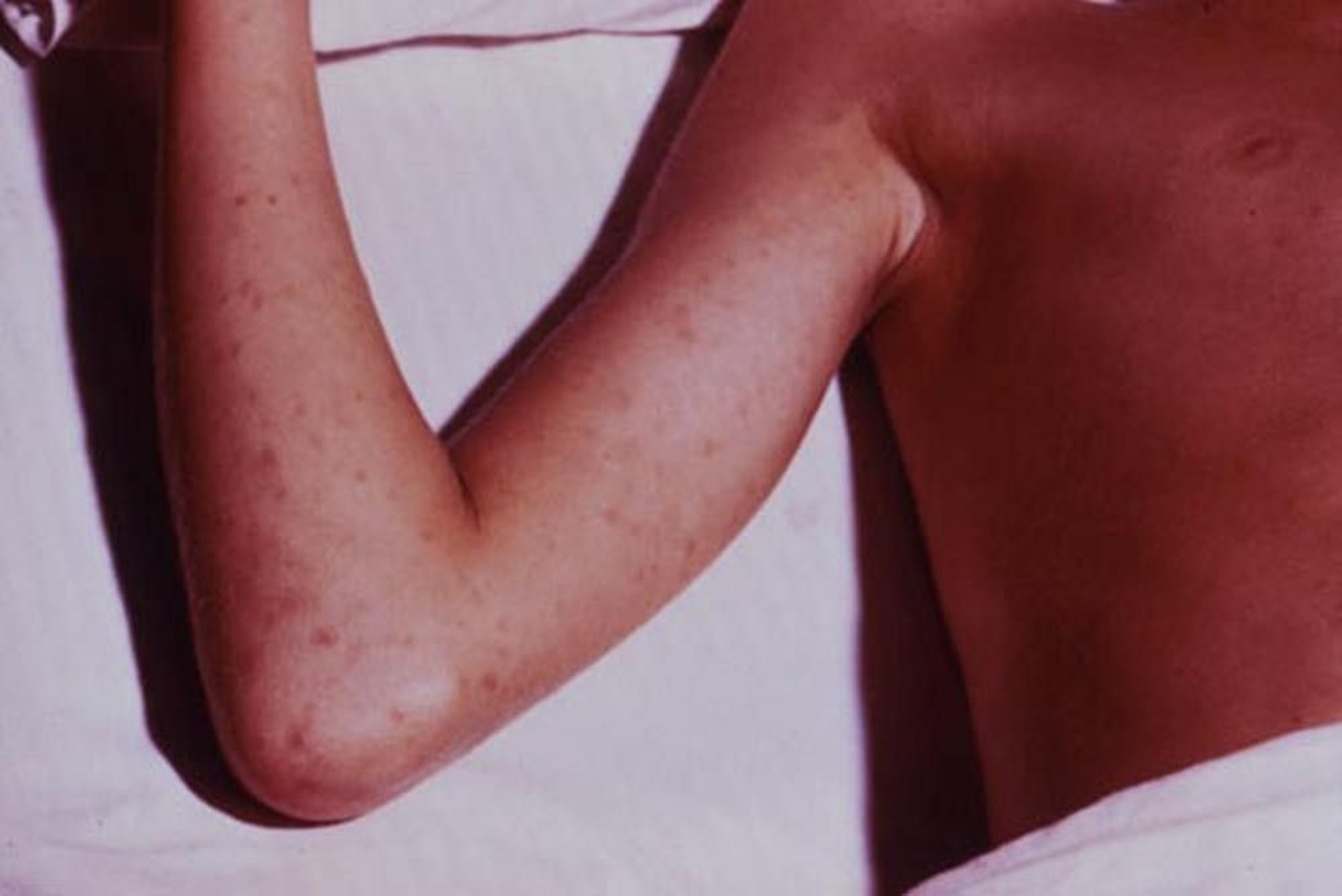
Image courtesy of the Public Health Image Library of the Centers for Disease Control and Prevention.
As Rocky Mountain spotted fever progresses, it may cause other symptoms:
Restlessness, insomnia, delirium, or sometimes coma if the blood vessels in the brain are affected
Abdominal pain
Inflammation of the airways (pneumonitis) and pneumonia
Heart damage
Anemia
Severe low blood pressure and death (uncommonly, when the infection is severe)
Diagnosis of Rocky Mountain Spotted Fever
A doctor's evaluation
Biopsy and testing of the rash
Blood tests
Doctors suspect Rocky Mountain spotted fever if people do both of the following:
Live in or near a wooded area anywhere in the Western Hemisphere
Have a fever, headache, and muscle aches in the spring, summer, or fall, regardless of whether they have a rash or a tick bite
Although the disease is always transmitted by ticks, many people do not remember being bitten by a tick.
Testing is usually required to confirm Rocky Mountain spotted fever. However, available tests may not detect the bacteria right away or take a long time to process. Thus, if doctors suspect Rocky Mountain spotted fever, they typically start treatment before they get test results.
To confirm the diagnosis, doctors usually do an immunofluorescence assay on a sample taken from the rash (biopsy). For immunofluorescence assays, foreign substances produced by the bacteria (antigens) are labeled with a fluorescent dye making the bacteria easier to detect and identify.
Doctors may do blood tests that detect antibodies to the bacteria. However, these tests can first detect these antibodies only about 7 to 10 days after symptoms begin. Antibody tests done before this time may be negative. So doctors usually do the test twice several weeks apart to check for an increase in the antibody level. Thus, these tests do not help doctors diagnose the infection immediately after someone becomes ill but can help confirm the diagnosis later. In addition, doctors use the polymerase chain reaction (PCR) technique to enable them to detect the bacteria more rapidly.
Treatment of Rocky Mountain Spotted Fever
Antibiotics
Doctors immediately prescribe antibiotics if they suspect Rocky Mountain fever based on symptoms and the potential for exposure to infected ticks—even if laboratory test results are not yet available. Early treatment with antibiotics has reduced the death rate.
Centers for Disease Control and Prevention (CDC): Research on doxycycline and tooth staining).
A doctor usually does not prescribe antibiotics for people who have had a tick bite but have no symptoms. Instead, the doctor may ask them to immediately report any symptoms.
Prevention of Rocky Mountain Spotted Fever
There is no vaccine against Rocky Mountain spotted fever, so avoiding tick bites and immediately removing attached ticks are the best prevention.
Preventing tick access to skin includes
Staying on paths and trails
Tucking trousers into boots or socks
Wearing long-sleeved shirts
Applying repellents with diethyltoluamide (DEET) to skin surfaces
Searching frequently for attached ticks helps prevent infection, because the tick must be attached for 24 hours on average to transmit infection. Engorged ticks should be removed with care and not crushed between the fingers because crushing the tick may result in disease transmission. The tick’s body should not be grasped or squeezed. Gradual traction on the head with a small forceps dislodges the tick. The point of attachment should be swabbed with alcohol. Petroleum jelly, lit matches, and other irritants are not effective ways to remove ticks and should not be used.
No practical means are available to rid entire areas of ticks. However, the number of ticks may be reduced in areas where it is common by making the environment less appealing to the animals that carry the ticks. For example, people can make areas less appealing to mice by removing wood piles and leaf litter and clearing tall grasses and brush around homes, especially around play areas. Mice can hide and nest in such places.


