





Babesiosis is infection of red blood cells caused by the protozoa Babesia.
Babesiosis is transmitted by the same type of deer ticks (Ixodidae) that transmits Lyme disease.
Babesiosis may cause fever, headache, body aches, and fatigue.
To diagnose babesiosis, doctors examine a sample of blood under a microscope and look for the protozoa (a type of infectious organism) or do blood tests.
Most otherwise healthy people do not need to be treated, but if symptoms develop, people are usually given a combination of medications.
Preventing tick bites helps prevent babesiosis.
(See also Overview of Parasitic Infections.)
Babesia are protozoa (single-cell infectious organisms) that live inside red blood cells and eventually destroy them. Babesiosis is transmitted by the same type of deer ticks (family Ixodidae) that transmits Lyme disease. These ticks may be infected with the protozoa that cause babesiosis, the bacteria that cause Lyme disease or those that cause other tick-borne diseases such as anaplasmosis and relapsing fever, and the virus that causes encephalitis.
Babesiosis is common among animals but is relatively uncommon among people. In 2019, there were 2,418 reported cases of babesiosis in the United States from the states where the deer ticks are known to be (see Centers for Disease Control and Prevention: Babesiosis Data & Statistics). Babesia microti infects people on the offshore islands or coastal regions of Massachusetts, Rhode Island, Connecticut, New York (including eastern Long Island and Shelter Island), and New Jersey. Cases also occur in Wisconsin and Minnesota. Different Babesia species infect people in Missouri, Washington, and California and in other areas of the world.
Symptoms of Babesiosis
Some people with babesiosis, especially healthy people younger than 40, do not have noticeable symptoms. Infants have a range of mild to severe illness.
Symptoms of babesiosis usually start about 1 to 2 weeks after people are bitten. People may have fever, headache, muscle and joint aches, and fatigue. In healthy people, symptoms usually resolve after a week. Breakdown of red blood cells (hemolysis) may cause anemia (called hemolytic anemia) and jaundice (the skin and the whites of the eyes turn yellow) in severe cases. The liver and spleen often enlarge.
The risk of severe disease and death is highest for people whose spleen has been removed, or who take medications or have disorders that weaken the immune system (particularly AIDS). In these people, symptoms of babesiosis may resemble those of falciparum malaria (such as a high fever, anemia, dark urine, jaundice, and kidney failure).
Diagnosis of Babesiosis
Examination of a sample of blood
Blood tests
Doctors may suspect babesiosis in people who have typical symptoms and hemolytic anemia and who live in or have traveled to an area where the infection is common. Often, people do not remember a tick bite.
To diagnose babesiosis, a doctor usually examines a blood sample under a microscope to look for Babesia. To help identify the protozoa, a blood sample may be tested for Babesia's genetic material (DNA) or for antibodies to Babesia. (Antibodies are proteins produced by the immune system to help defend the body against a particular attack, including that by parasites.)
Treatment of Babesiosis
Usually, no treatment is needed for a mild case of babesiosis in healthy people with a functioning spleen because babesiosis typically disappears on its own.
Atovaquone plus azithromycin has fewer side effects and is as effective as quinine plus clindamycin in people with mild to moderate babesiosis.
Prevention of Babesiosis
In areas where deer ticks are common, people can reduce the risk of getting babesiosis by taking precautions against ticks.
People can reduce their chances of picking up or being bitten by a tick by doing the following:
Staying on paths and trails when walking in wooded areas
Walking in the center of trails to avoid brushing up against bushes and weeds
Not sitting on the ground or on stone walls
Wearing long-sleeved shirts
Wearing long pants and tucking them into boots or socks
Wearing light-colored clothing, which makes ticks easier to see
Applying an insect repellent containing diethyltoluamide (DEET) to the skin
To remove a tick, people should use fine-pointed tweezers to grasp the tick by the head or mouthparts right where it enters the skin and should gradually pull the tick straight off. The tick's body should not be grasped or squeezed. Petroleum jelly, alcohol, lit matches, or any other irritants should not be used.
Did You Know...
|
People who have had babesiosis should not donate blood or probably organs to prevent transmission. In the United States, screening of blood and organ donors is now done in states where the incidence of infection is relatively high.
Ticks

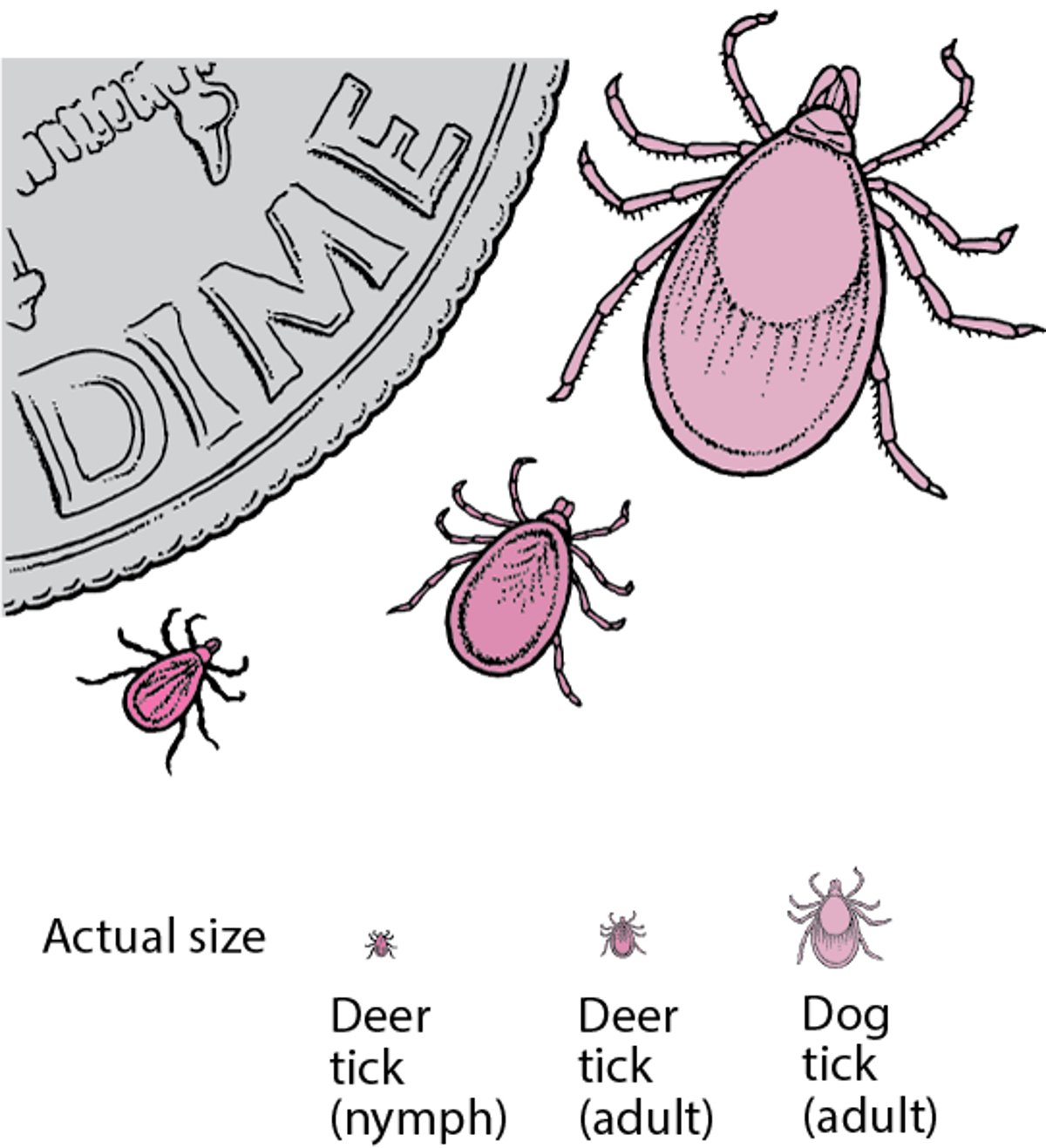

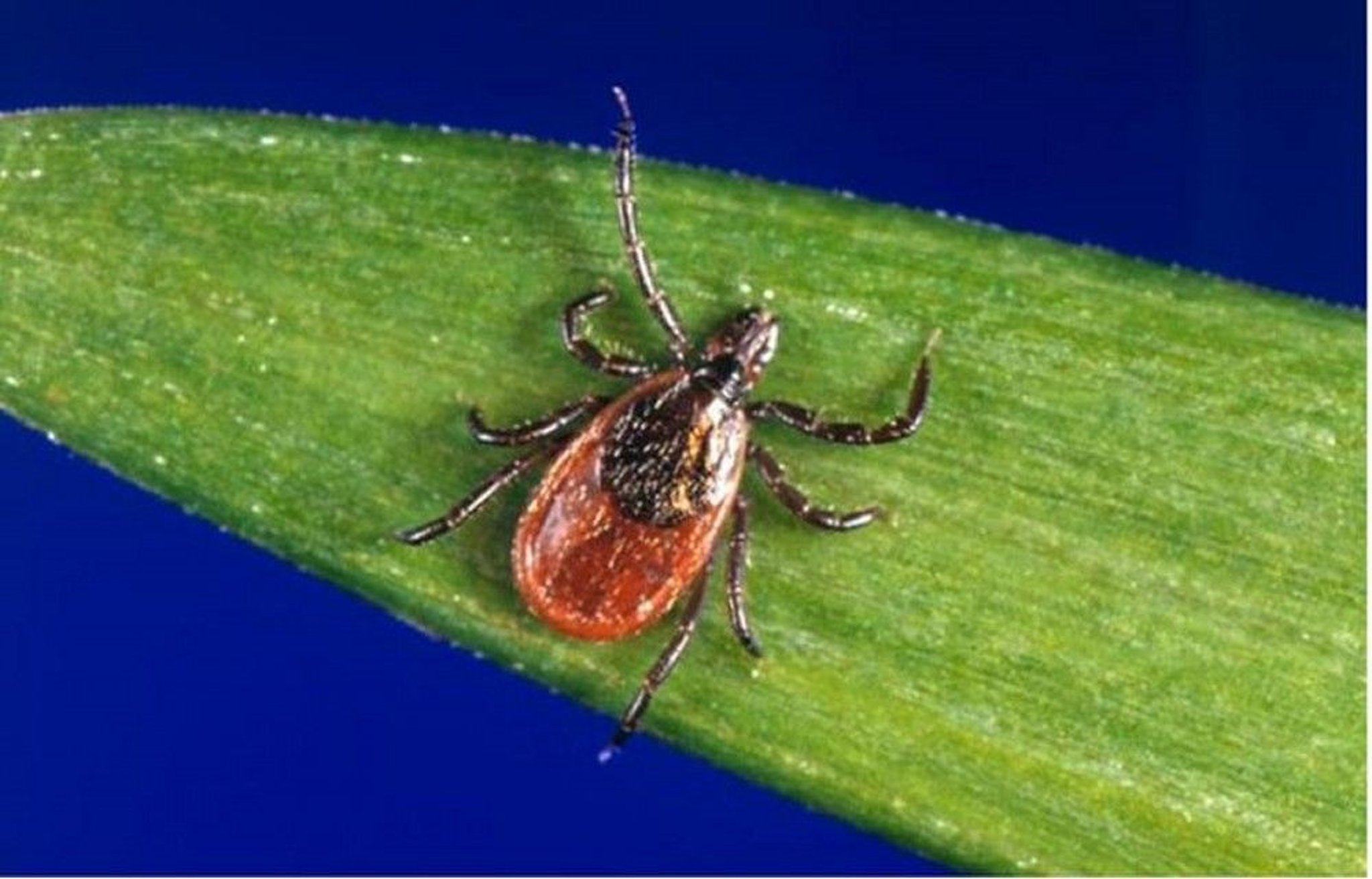
Image courtesy of James Gathany via the Public Health Image Library of the Centers for Disease Control and Prevention.
More Information
The following English-language resource may be useful. Please note that The Manual is not responsible for the content of this resource.
Centers for Disease Control and Prevention: Babesiosis


