





The human body is a complex, highly organized structure made up of unique cells that work together to accomplish the specific functions necessary for sustaining life.
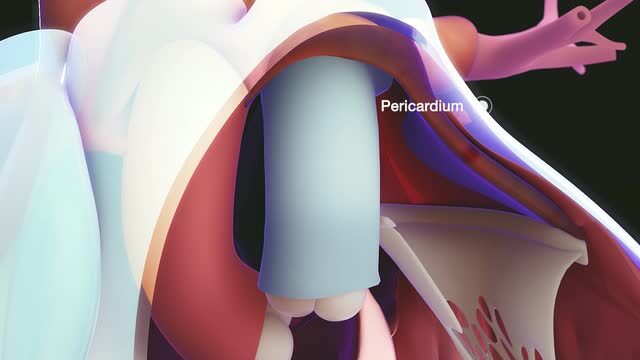
The biology of the human body includes
Physiology (how the body functions)
Anatomy (how the body is structured)
Anatomy is organized by levels, from the smallest components of cells to tissues and organs and to organ systems.
Gross anatomy is the study of the body's organs as seen with the naked eye during visual inspection and when the body is cut open for examination (dissection).
Cellular anatomy is the study of cells and their components, which can be observed only with the use of special techniques and special instruments such as microscopes.
Molecular anatomy (often called molecular biology) is the study of the smallest components of cells at the biochemical level.
Anatomy and physiology change remarkably between fertilization and birth. After birth, the rate of anatomic and physiologic changes slows, but childhood is still a time of remarkable growth and development ( see Physical Growth of Infants and Children). Some anatomic changes occur past adulthood, but the physiologic changes in the body's cells and organs are what contribute most to what we experience as aging ( see Changes in the Body With Aging).


