Select an Online Manual
THE MERCK MANUAL MEDICAL LIBRARY: The Merck Manual of Medical Information--Home Edition
Tips for better results
ABCDEFGHI
JKLMNOPQR
STUVWXYZ

Section

Subject

Topics

Heart Failure

Pronunciations

Heart failure is a disorder in which the heart pumps blood inadequately, leading to reduced blood flow, back-up (congestion) of blood in the veins and lungs, and other changes that may further weaken the heart.

  • Many disorders that affect the heart can cause heart failure.
  • Most people have no symptoms at first, and shortness of breath and fatigue develop gradually over days to months.
  • Doctors usually suspect heart failure on the basis of symptoms, but procedures, such as echocardiography, are usually done to evaluate heart function.
  • Treatment focuses on treating the disorder causing heart failure, making lifestyle changes, and treating heart failure with drugs or with surgery or other interventions.

Heart failure can occur in people of any age, even in young children (especially those born with a heart defect). However, it is much more common among older people, because older people are more likely to have disorders that damage the heart muscle and the heart valves. Also, age-related changes in the heart tend to make the heart pump less efficiently. Heart failure develops in about 1 of 100 people. The disorder is likely to become more common because people are living longer and because, in some countries, certain risk factors for heart disease (such as smoking, high blood pressure, and a high-fat diet) are affecting more people.

Heart failure does not mean that the heart has stopped. It means that the heart cannot keep up with the work required to pump adequate blood to all parts of the body (its workload). However, this definition is somewhat simplistic. Heart failure is extremely complex, and no simple definition can encompass its many causes, aspects, forms, and consequences.

The function of the heart is to pump blood (see Biology of the Heart and Blood Vessels: Function of the Heart). A pump moves fluid out of one place and into another. For example, the right side of the heart pumps blood from the veins into the lungs. The left side of the heart pumps blood from the lungs out through the arteries to the rest of the body. Blood goes out when the heart muscle contracts (called systole) and comes in when the heart muscle relaxes (called diastole). Heart failure develops when the pumping action of the heart is inadequate, typically because the heart muscle is weaker, stiffer, or both. As a result, blood may not flow out in adequate amounts. Blood may also build up in the tissues from which it is coming, causing congestion in those tissues. That is why heart failure is sometimes known as congestive heart failure.

Accumulation of blood coming into the left side of the heart causes congestion in the lungs, making breathing difficult. Accumulation of blood coming into the right side of the heart causes congestion and fluid accumulation in other parts of the body, such as the legs and the liver. Heart failure usually affects both the right and left sides of the heart to some degree. However, one side may be affected by disease more than the other. In such cases, heart failure may be described as right-sided heart failure or left-sided heart failure.

Heart Failure: Pumping and Filling Problems

Heart Failure: Pumping and Filling Problems

Normally, the heart stretches as it fills with blood (during diastole), then contracts to pump out the blood (during systole). The main pumping chambers in the heart are the ventricles.

Heart failure due to systolic dysfunction usually develops because the heart cannot contract normally. It may fill with blood, but it cannot pump out as much of the blood it contains because the muscle is weaker or because a heart valve malfunctions. As a result, the amount of blood pumped to the body and to the lungs is reduced, and the ventricle, usually enlarges.

Heart failure due to diastolic dysfunction develops because the heart muscle stiffens (particularly the left ventricle) and may thicken so that the heart cannot fill normally with blood. Consequently, blood backs up in the left atrium and lung (pulmonary) blood vessels and causes congestion. Nonetheless, the heart may be able to pump out a normal percentage of the blood it receives (but the total amount pumped out may be less).

The heart chambers always contain some blood, but different amounts of blood may enter or leave the chambers with each heartbeat as indicated by the thickness of the arrows.

In heart failure, the heart may not pump enough blood to meet the body's need for oxygen and nutrients, which are supplied by the blood. As a result, arm and leg muscles may tire more quickly, and the kidneys may not function normally. The kidneys filter fluid and waste products from the blood into the urine, but when the heart cannot pump adequately, the kidneys malfunction and cannot remove excess fluid from the blood. As a result, the amount of fluid in the bloodstream increases, and the workload of the failing heart increases, creating a vicious circle. Thus, heart failure becomes even worse.

Types of Heart Failure: Heart failure has two main forms: systolic dysfunction and diastolic dysfunction. Some people with heart failure have both types of dysfunction.

In systolic dysfunction, the heart contracts less forcefully and cannot pump out as much of the blood that is returned to it as it normally does. As a result, more blood remains in the lower chambers of the heart (ventricles). Blood then accumulates in the lungs, veins, or both.

In diastolic dysfunction, the heart is stiff and does not relax normally after contracting, which impairs its ability to fill with blood. The heart contracts normally, so it is able to pump a normal proportion of blood out of the ventricles. Sometimes the stiff heart compensates for its poor filling by pumping out an even higher proportion of the blood than it normally does. However, eventually, as in systolic dysfunction, the blood returning to the heart accumulates in the lungs or veins. Often, both forms of heart failure occur together.

Causes

Any disorder that directly affects the heart can lead to heart failure, as can some disorders that indirectly affect the heart. Some disorders cause heart failure quickly; others do so only after many years. Some disorders cause systolic dysfunction, others cause diastolic dysfunction, and some disorders, such as high blood pressure and some heart valve disorders, can cause both types of dysfunction.

Systolic Dysfunction: Disorders that cause systolic dysfunction may impair the entire heart or one area of the heart. As a result, the heart does not contract normally. In many cases, a combination of factors results in heart failure.

Coronary artery disease is a common cause of systolic dysfunction. It can impair large areas of heart muscle because it reduces the flow of oxygen-rich blood to the heart muscle, which needs oxygen for normal contraction. Blockage of a coronary artery can cause a heart attack, which destroys an area of heart muscle. As a result, that area can no longer contract normally.

Myocarditis (inflammation of heart muscle) caused by a bacterial, viral, or other infection can damage all or part of the heart muscle, impairing its pumping ability. Some drugs used to treat cancer and some toxins (such as alcohol) may also damage heart muscle. Some drugs, such as nonsteroidal anti-inflammatory drugs, may cause the body to retain fluid, which increases the workload of the heart and may precipitate heart failure.

Heart valve disorders—narrowing (stenosis) of a valve, which hinders blood flow through the heart, or leakage of blood backward (regurgitation) through a valve—can cause heart failure. Both stenosis and regurgitation of a valve can severely stress the heart, so that over time, the heart enlarges and cannot pump adequately. An abnormal connection (septal defects—(see Birth Defects: Atrial and Ventricular Septal Defects and Patent Ductus Arteriosus: Failure to CloseFigures) between the heart chambers can allow blood to recirculate within the heart, increasing the workload of the heart, and thus can cause heart failure.

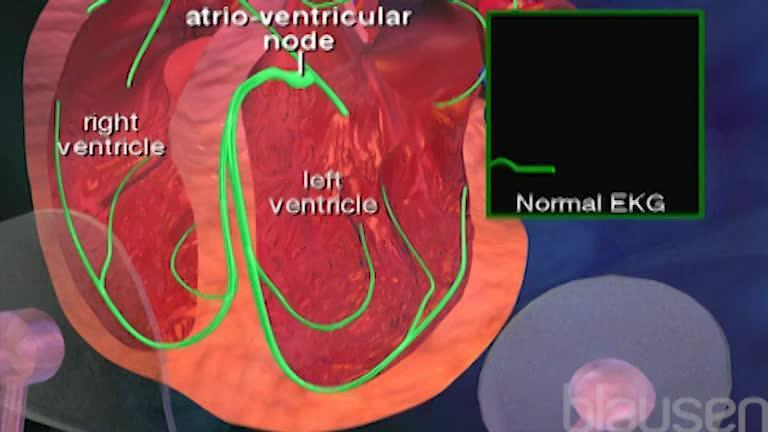
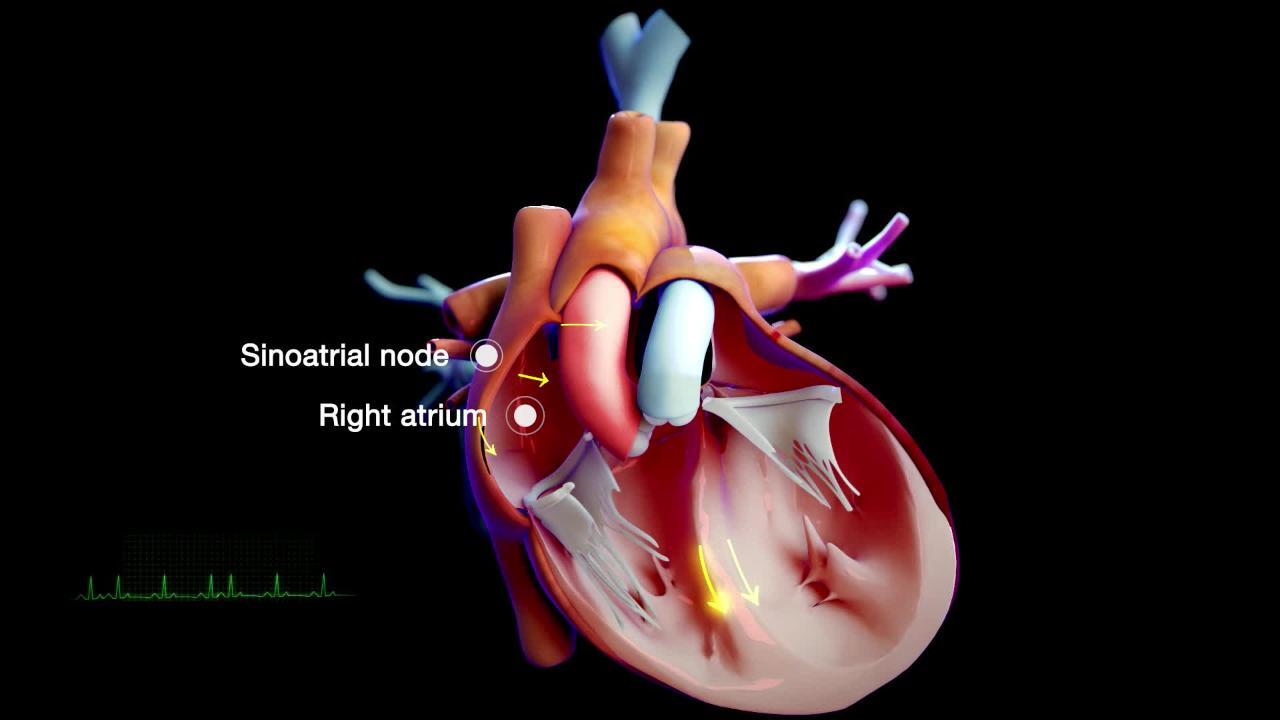
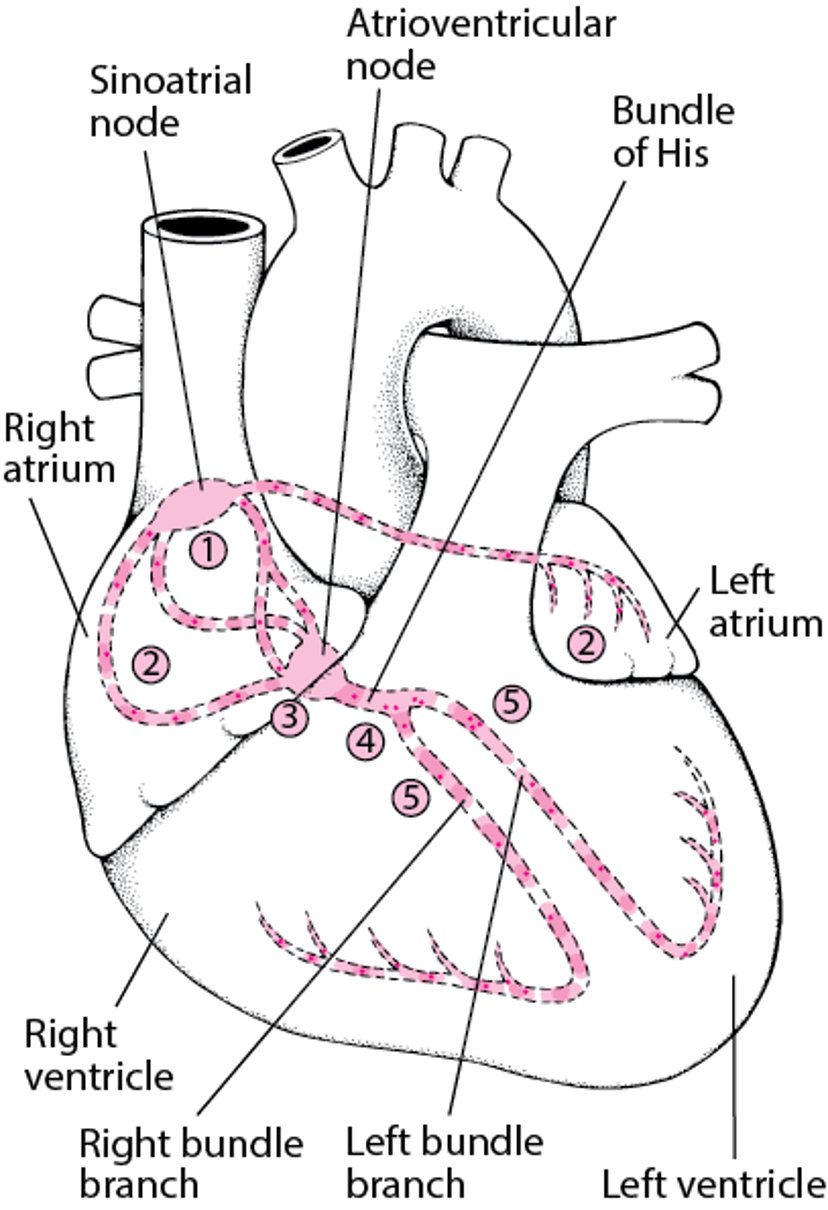
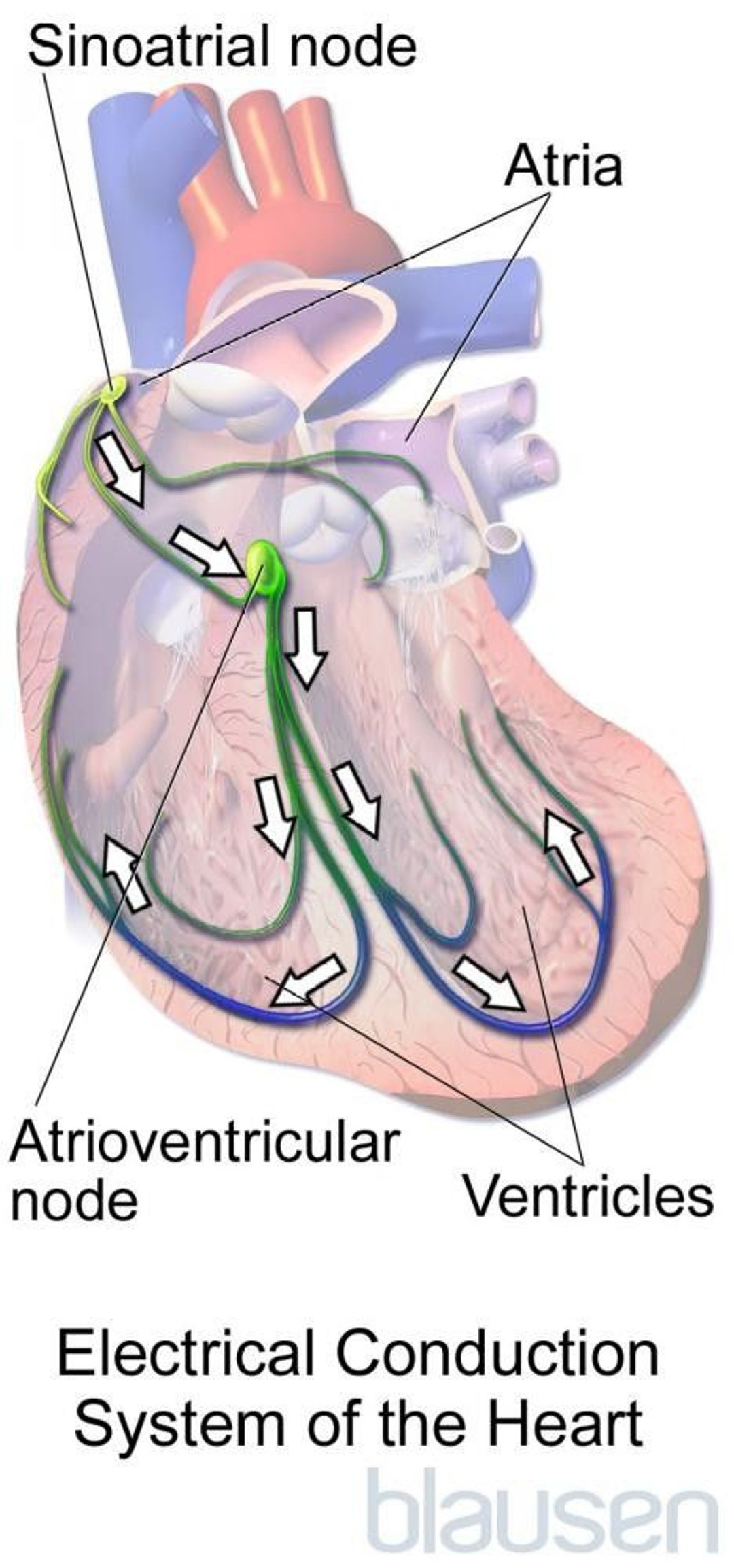
Disorders that affect the heart's electrical conduction system and produce prolonged changes in heart rhythms (especially if these are fast or irregular) can cause heart failure. When the heart beats abnormally, it cannot pump blood efficiently.

Some lung disorders, such as pulmonary hypertension (see Pulmonary Hypertension), may alter or damage blood vessels in the lungs (pulmonary arteries). As a result, the right side of the heart has to work harder to pump blood into the lungs. The person may then develop cor pulmonale (see Cor Pulmonale: A Disorder Stemming From Pulmonary HypertensionSidebar), in which the right ventricle is enlarged and there is right-sided heart failure.

Sudden, usually complete blockage of a pulmonary artery by several small blood clots or one very large clot (pulmonary embolism) also makes pumping blood into the pulmonary arteries difficult. A very large clot can be immediately life threatening. The increased effort required to pump blood into the blocked pulmonary arteries can cause the right side of the heart to enlarge and may cause the walls of the right ventricle to thicken, resulting in right-sided heart failure.

Did You Know...

  • Heart failure does not mean that the heart has stopped; it means the heart cannot keep up with the work required of it.
  • Heart failure is usually a chronic condition, and changes in lifestyle can help people feel and function better.

Disorders that indirectly affect the heart's pumping ability include a severe deficiency of red blood cells or hemoglobin (anemia), an overactive thyroid gland (hyperthyroidism), an underactive thyroid gland (hypothyroidism), and kidney failure. Red blood cells contain hemoglobin, which enables them to carry oxygen from the lungs and deliver it to body tissues. Anemia reduces the amount of oxygen the blood carries, so that the heart must work harder to provide the same amount of oxygen to tissues. (Anemia has many causes, including chronic bleeding due to a stomach ulcer.) An overactive thyroid gland overstimulates the heart, so that it pumps too rapidly and does not empty normally during each heartbeat. When the thyroid gland is underactive, levels of thyroid hormones are low. As a result, all muscles, including the heart, become weak because muscles depend on thyroid hormones to function normally. Kidney failure strains the heart because the kidneys cannot remove excess fluid from the bloodstream, so the heart has a larger volume of blood to pump. Eventually, the heart cannot keep up, and heart failure develops.

Diastolic Dysfunction: Inadequately treated high blood pressure is the most common cause of diastolic dysfunction. High blood pressure stresses the heart because the heart must pump blood more forcefully than normal to eject blood into the arteries against the higher pressure. Eventually, the heart's walls thicken (hypertrophy), then stiffen. The stiff heart does not fill quickly or adequately, so that with each contraction, the heart pumps less blood than it normally does. Diabetes causes other changes that stiffen the walls of the ventricle.

As people age, the heart's walls also tend to stiffen. The combination of high blood pressure and diabetes, which are common among older people, and age-related stiffening makes heart failure particularly common among older people.

Spotlight on Aging

Aging alone does not cause heart failure. But older people are more likely to have the most common causes of heart failure, which are long-standing high blood pressure and heart attacks (due to coronary artery disease).

Disorders can cause heart failure in two ways. They can cause problems with the heart's ability to fill with blood or to pump blood out. Among older people, filling problems (called diastolic dysfunction) and pumping problems (called systolic dysfunction) are equally common.

Filling problems usually occur because the walls of the ventricles have become stiff. As a result, the ventricles cannot fill with blood normally, and too little blood is pumped out. As people age, heart muscle tends to become stiffer, making heart failure due to filling problems more likely. High blood pressure can cause filling problems because it makes the heart muscle thicker and stiffer.

Filling problems are not always caused by a stiff heart. In atrial fibrillation (an abnormal heart rhythm more common with aging), the atria beat rapidly and irregularly. As a result, the atria do not move enough blood into the ventricles. If atrial fibrillation occurs suddenly in older people, heart failure may result.

Pumping problems usually occur when the heart muscle has been damaged. A damaged heart pumps less blood, causing pressure inside the heart to increase and the heart's chambers to enlarge. The most common cause of heart damage in older people is a heart attack (due to a blockage in an artery that supplies the heart with blood). Heart valve disorders can also cause pumping problems.

In aortic stenosis (a heart valve disorder), the opening between the left ventricle and the aorta (aortic valve) narrows. As a result, pumping blood out of the heart is harder. Aortic stenosis is a common cause of heart failure in older people.

If a lung disorder such as emphysema or scarring (pulmonary fibrosis) has been present for a long time, blood pressure in the lungs increases. As a result, pumping blood to the lungs is harder for the right ventricle.

Heart failure may result from other disorders that cause the heart's walls to stiffen, such as infiltrations and infections. For example, in amyloidosis, amyloid, an unusual protein not normally present in the body, infiltrates many tissues in the body. If amyloid infiltrates the heart's walls, they stiffen, and heart failure results. In tropical countries, infiltration by certain parasites into heart muscle can cause heart failure, even in young people. Some heart valve disorders, such as aortic valve stenosis, hinder blood flow out of the heart. As a result, the heart muscle thickens and has to work harder, and diastolic dysfunction develops. Eventually, systolic dysfunction also develops.

In constrictive pericarditis, the sac that envelops the heart (pericardium) stiffens, preventing even a healthy heart from pumping and filling normally.

Compensatory Mechanisms

The body has several mechanisms to compensate for heart failure. The body's first response to stress, including that due to heart failure, is to release the fight-or-flight hormones, epinephrine (adrenaline) and norepinephrine (noradrenaline). For example, these hormones may be released immediately after a heart attack damages the heart. Epinephrine and norepinephrine cause the heart to pump faster and more forcefully. They help the heart increase the amount of blood pumped out (cardiac output), sometimes to a normal amount, and thus initially help compensate for the heart's impaired pumping ability.

People who do not have heart disease usually benefit from release of these hormones when more work is temporarily required of the heart. However, for people who have chronic heart failure, this sustained response increases demands on an already damaged heart. Over time, the increased demands lead to further deterioration of heart function.

Another of the body's main compensatory mechanisms for the reduced blood flow in heart failure is to increase the amount of salt and water retained by the kidneys. Retaining salt and water instead of excreting it into urine increases the volume of blood in the bloodstream and helps maintain blood pressure. However, the larger volume of blood also stretches the heart muscle, enlarging the heart chambers, particularly the ventricles. At first, the more the heart muscle is stretched, the more forcefully it contracts, which improves heart function. However, after a certain amount of stretching, stretching no longer helps but instead weakens the heart's contractions (as when a rubber band is overstretched). Consequently, heart failure worsens.

Another important compensatory mechanism is enlargement of the muscular walls of the ventricles (ventricular hypertrophy). When the heart must work harder, the heart's walls enlarge and thicken, as biceps muscles enlarge after months of weight training. At first, the thickened heart walls can contract more forcefully. However, the thickened heart walls eventually become stiff, causing or worsening diastolic dysfunction.

Symptoms

Symptoms of heart failure may begin suddenly, especially if the cause is a heart attack. However, most people have no symptoms when the heart first begins to develop problems. Symptoms then develop gradually over days to months or years. The most common symptoms are shortness of breath and fatigue, but in older people, heart failure sometimes causes vague symptoms such as sleepiness, confusion, and disorientation. Heart failure may stabilize for periods of time but often progresses slowly and insidiously.

Right-sided heart failure and left-sided heart failure produce different symptoms. Although both types of heart failure may be present, the symptoms of failure of one side often predominate. Eventually, left-sided heart failure causes right-sided failure.

The main symptoms of right-sided heart failure are fluid accumulation and swelling (edema) in the feet, ankles, legs, liver, and abdomen. Where the fluid accumulates depends on the amount of excess fluid and the effects of gravity. If a person is standing, fluid accumulates in the legs and feet. If a person is lying down, fluid usually accumulates in the lower back. If the amount of fluid is large, fluid also accumulates in the abdomen. Fluid accumulation in the liver or stomach can cause nausea and loss of appetite. Eventually, food is not absorbed well, resulting in loss of weight and muscle. This condition is called cardiac cachexia

Left-sided heart failure leads to fluid accumulation in the lungs, which causes shortness of breath. At first, shortness of breath occurs only during exertion, but as heart failure progresses, it occurs with less and less exertion and eventually occurs even at rest. People with severe left-sided heart failure may be short of breath when lying down (a condition called orthopnea—see Symptoms and Diagnosis of Lung Disorders: Heart Failure), because gravity causes more fluid to move into the lungs. Such people often wake up, gasping for breath or wheezing (a condition called paroxysmal nocturnal dyspnea). Sitting up causes some of the fluid to drain to the bottom of the lungs and makes breathing easier.People with left-sided heart failure also feel tired and weak when performing physical activities, because their muscles are not receiving enough blood.

A sudden accumulation of a large amount of fluid in the lungs (acute pulmonary edema) causes extreme difficulty breathing, rapid breathing, bluish skin, and feelings of restlessness, anxiety, and suffocation. Some people have severe spasms of the airways (bronchospasms) and wheezing. Acute pulmonary edema is a life-threatening emergency.

When heart failure is advanced, Cheyne-Stokes respiration (periodic breathing) may develop. In this unusual pattern of breathing, a person breathes rapidly and deeply, then more slowly, then not at all for several seconds. Cheyne-Stokes respiration develops because blood flow to the brain is reduced and the areas of the brain that control breathing therefore do not receive enough oxygen.

When the heart is severely damaged, blood clots can form because blood flow within the chambers is sluggish. Clots may break loose (becoming emboli), travel through the bloodstream, and partially or completely block an artery elsewhere in the body. If a clot blocks an artery to the brain, a stroke may result.

Depression and decline in mental function are common in people with severe heart failure, particularly the elderly, and require careful evaluation and treatment.

Diagnosis

Doctors usually suspect heart failure on the basis of symptoms alone. The diagnosis is supported by the results of a physical examination, including a weak, often rapid pulse, reduced blood pressure, abnormal heart sounds and fluid accumulation in the lungs (both heard through a stethoscope), an enlarged heart, swollen neck veins, an enlarged liver, and swelling in the abdomen or legs. A chest x-ray can show an enlarged heart and fluid accumulation in the lungs.

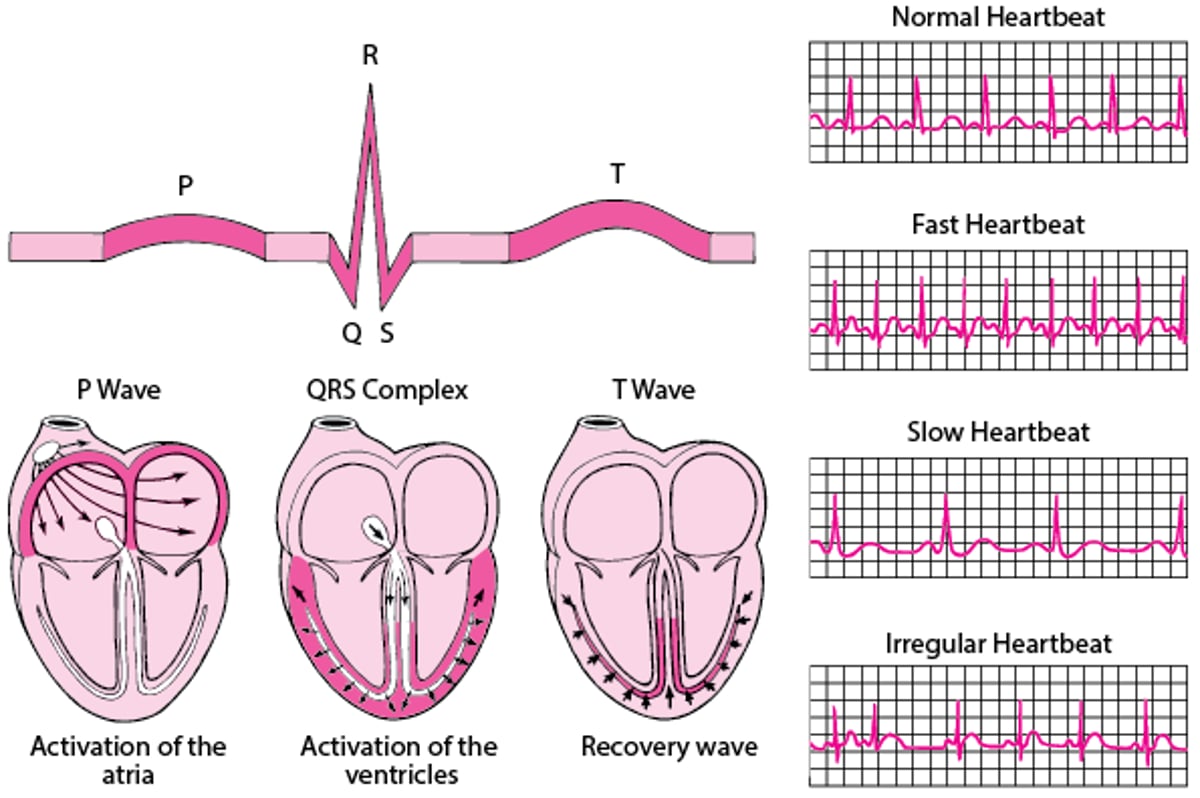
Procedures to evaluate heart function are usually done. Electrocardiography (ECG—see Symptoms and Diagnosis of Heart and Blood Vessel Disorders: Electrocardiography) is almost always performed to determine whether the heart rhythm is normal, whether the walls of the ventricles are thickened, and whether the person has had a heart attack.

Echocardiography (see Symptoms and Diagnosis of Heart and Blood Vessel Disorders: Echocardiography and Other Ultrasound Procedures), which uses sound waves to produce an image of the heart, is one of the best procedures for evaluating heart function, including the pumping ability of the heart and the functioning of heart valves. Echocardiography can show the following:

  • Whether the heart walls are thickened and relax normally
  • Whether the valves are functioning normally
  • Whether contractions are normal
  • Whether any area of the heart is contracting abnormally

Echocardiography may help determine whether heart failure is due to systolic or diastolic dysfunction by enabling doctors to estimate the thickness and stiffness of the heart walls and the ejection fraction. The ejection fraction, an important measure of heart function, is the percentage of blood pumped out by the heart with each beat. A normal left ventricle ejects about 60% of the blood in it. If the ejection fraction is low, systolic dysfunction is confirmed. If the ejection fraction is normal or high in a person who has symptoms of heart failure, diastolic dysfunction is likely.

Other procedures, such as radionuclide, magnetic resonance, or computed tomography imaging and cardiac catheterization with angiography (see Symptoms and Diagnosis of Heart and Blood Vessel Disorders: Cardiac Catheterization and Coronary Angiography), may be done to identify the cause of heart failure. Rarely, a biopsy of heart muscle is needed, usually when doctors suspect infiltration of the heart (as occurs in amyloidosis) or myocarditis due to a bacterial, viral, or other infection.

Prevention

Preventing heart failure involves treating disorders that can cause heart failure before they lead to heart failure. Disorders that can be treated include heart valve disorders, an abnormal connection between heart chambers, blockage of a coronary artery, high blood pressure, infections, thyroid disorders, anemia, and alcoholism.

Treatment

Treatment of heart failure requires several general measures, along with treatment of the disorder causing heart failure, lifestyle changes, and drugs for heart failure.

General Measures: Although heart failure is a chronic disorder for most people, much can be done to make physical activity more comfortable, improve the quality of life, and prolong life. Affected people and their family members should learn all they can about heart failure because much care occurs at home. In particular, they should know how to recognize the early warning symptoms of worsening heart failure and should be aware of the actions they need to take (for example, take an extra dose of a diuretic or contact their doctor).

Regular communication with health care practitioners and examinations by doctors are critical because heart failure can worsen suddenly. For example, nurses may regularly call people who have heart failure to ask about changes in weight and in symptoms. Thus, they can gauge whether people need to see a doctor.

People may also go to specialized heart failure clinics. These clinics have doctors with expertise in heart failure who work closely with specially trained nurses and other health care practitioners, such as pharmacists, dietitians, and social workers, to care for people with heart failure. These clinics can help decrease symptoms, reduce hospitalizations, and improve life expectancy by making sure that people receive the most effective treatments. This care complements rather than replaces care provided by primary care doctors.

People with heart failure should always check with their doctor before taking a new drug, even a nonprescription drug. Some drugs (including many used to treat arthritis) can cause salt and fluid retention, and other drugs may make the heart function more slowly. Forgetting to take necessary drugs is a common cause of worsening symptoms, and people should be given ways to remind themselves to take their drugs.

Treatment of the Cause: If the cause of heart failure is a narrowed or leaking heart valve or an abnormal connection between heart chambers, surgery can often correct the problem. Blockage of a coronary artery may require treatment with drugs, surgery, or angioplasty (see Coronary Artery Disease: Drug Therapy). Antihypertensive drugs can reduce and control high blood pressure. Antibiotics can eliminate some infections. Treatment of a stomach ulcer or use of an iron supplement may correct anemia. Drugs, surgery, or radiation therapy can be used to manage an overactive thyroid gland, and thyroid hormones can be given to manage an underactive thyroid gland.

Lifestyle Changes: Changes in lifestyle can help people with heart failure feel and function better.

People who have heart failure should stay as physically fit as possible, even if they cannot exercise vigorously. People who have mild heart failure should follow an exercise program as described by a doctor. Those with more severe heart failure may need to exercise in a cardiovascular rehabilitation facility under the supervision of a trained attendant.

If people with heart failure are overweight, the heart must work harder during activity, worsening heart failure. Such people should follow a weight loss diet (see Overview of Nutrition: Weight Loss Diets) to attain and maintain ideal weight.

Smoking damages blood vessels. Large amounts of alcohol can act as a direct toxin to the heart. Thus, smoking and drinking alcohol can worsen heart failure and should be stopped.

Excess salt (sodium) in the diet can cause fluid retention, which counteracts drugs given to increase the excretion of water (such as diuretics) and relieve fluid accumulation. Thus, consuming excess salt worsens symptoms. Almost everyone with heart failure should limit their intake of table salt and salty foods and their use of salt in cooking. The sodium content of packaged foods can be determined by reading the label. People with severe heart failure are usually given detailed information about how to limit salt intake. People who limit their salt intake can usually consume a normal amount of water unless fluid retention is severe. Drinking extra amounts of water is not recommended.

A simple, reliable way to check whether the body is retaining fluid is to check body weight daily. Doctors often ask people with heart failure to weigh themselves as accurately as possible every day, typically once in the morning, after they arise and urinate and before they eat breakfast. Trends are easier to spot when people weigh themselves at the same time every day, use the same scale, wear a similar amount of clothing, and keep a written record of their daily weight. Increases of more than 2 pounds (about 1 kilogram) per day are early warning signs of fluid retention. A consistent, rapid weight gain (such as 2 pounds per day) is a clue that heart failure is worsening.

Many people who limit their salt intake still have swelling. Swollen legs should be kept elevated on a stool when sitting. This position helps the body reabsorb and eliminate the excess fluid. Some people also need to wear full-length supportive stockings that help prevent accumulation of fluid. If fluid accumulates in the lungs, sleeping with several pillows or elevating the head of the bed makes sleeping easier.

Drugs for Heart Failure: Heart failure can be treated with several different types of drugs, including diuretics, angiotensin-converting enzyme (ACE) inhibitors, angiotensin II receptor blockers, beta-blockers, digoxin Some Trade Names
LANOXIN
, and others.

When salt restriction alone does not reduce fluid retention, doctors often prescribe diuretics (see Antihypertensive DrugsTables). These drugs help the kidneys eliminate salt and water by increasing urine formation and thus decreasing fluid volume throughout the body. The diuretics most commonly used for heart failure are loop diuretics. These diuretics are usually taken by mouth on a long-term basis, but in an emergency, they are very effective when given intravenously. Loop diuretics are preferred for moderate to severe heart failure. Thiazide diuretics, which have milder effects and can lower blood pressure, may be prescribed particularly for people who also have high blood pressure. Loop and thiazide diuretics can cause potassium to be lost in the urine. Consequently, a potassium supplement or a diuretic that does not cause potassium loss or that causes potassium levels to increase (a potassium-sparing diuretic) may be given as well. For people with severe heart failure due to systolic dysfunction, spironolactone Some Trade Names
ALDACTONE
is the preferred potassium-sparing diuretic. It can prolong life in people with severe heart failure. Taking diuretics can worsen urinary incontinence. However, a dose of a diuretic can usually be timed so that the risk of incontinence does not occur when a bathroom is unavailable or when access to one is inconvenient.

The mainstay of heart failure treatment is a group of drugs called ACE inhibitors (see High Blood Pressure: Antihypertensive DrugsTables). These drugs not only reduce symptoms and the need for hospitalization but also prolong life. ACE inhibitors reduce blood levels of the hormones angiotensin II and aldosterone (which normally help increase blood pressure (see High Blood Pressure:High Blood PressureFigures). By doing so, ACE inhibitors cause arteries and veins to widen (dilate) and help the kidneys excrete excess water, thus decreasing the amount of work the heart has to do. These drugs also may have direct beneficial effects on the heart and blood vessel walls.

Angiotensin II receptor blockers (see Antihypertensive DrugsTables) have effects similar to those of ACE inhibitors. Angiotensin II receptor blockers are used with ACE inhibitors in some people with persistent symptoms of heart failure or are used alone in people who cannot tolerate ACE inhibitors because of cough, a side effect of ACE inhibitors.

Drugs that dilate blood vessels (vasodilators) are not used as often as ACE inhibitors or angiotensin II receptor blockers, which are more effective. Nonetheless, people who do not respond to or cannot take ACE inhibitors or angiotensin II receptor blockers can benefit from vasodilators, such as hydralazine, isosorbide dinitrate Some Trade Names
ISORDIL
, and nitroglycerin Some Trade Names
NITROLINGUAL
patches or spray.

Beta-blockers are often used with ACE inhibitors to treat heart failure. By blocking the action of the hormone norepinephrine (which causes the heart to pump faster and more forcefully), these drugs produce long-term improvement in heart function and survival. Beta-blockers may reduce the force of the heart's contractions initially, so they are usually introduced after heart failure has first been stabilized with other drugs. In people with heart failure due to diastolic dysfunction, beta-blockers are used to slow the heart rate and relax the stiff or thickened muscle. Thus, the heart can fill with blood more completely.

Digoxin Some Trade Names
LANOXIN
, one of the oldest treatments for heart failure, increases the force of each heartbeat and slows a heart rate that is too rapid. Digoxin Some Trade Names
LANOXIN
helps relieve symptoms for some people with systolic dysfunction, especially if atrial fibrillation is present, but it does not prolong life.

Anticoagulants, such as warfarin Some Trade Names
COUMADIN
, may be given to prevent clots from forming in the heart chambers. If the heart rhythm is abnormal, antiarrhythmic drugs (see Some Drugs Used to Treat ArrhythmiasTables) may be given, or an implantable cardioverter-defibrillator (see Abnormal Heart Rhythms: Restoring Normal Rhythm) may be recommended. Doctors may consider an implantable cardioverter-defibrillator in people with poor heart function despite the best medical treatment, as their risk of sudden death is increased. In some people with severe symptoms, a pacemaker that stimulates both ventricles may be recommended because it coordinates heart contraction and function better.

Other Measures: People with pulmonary edema require oxygen, which is sometimes given by special nasal masks. Occasionally, a tube may be inserted into the airway so that a mechanical ventilator can help with the increased work of breathing.

Heart transplantation may be an option for a few otherwise healthy people who have very severe, worsening heart failure and who have not responded to drug therapy. Mechanical assist devices that help pump blood are used in specialized centers for certain patients with very severe heart failure that is not responding to drug therapy. Other mechanical and novel treatments are being studied.

Drug* Comments
Angiotensin-converting enzyme (ACE) inhibitors

Captopril Some Trade Names
CAPOTEN

Enalapril Some Trade Names
VASOTEC

Lisinopril Some Trade Names
PRINIVIL

Perindopril Some Trade Names
ACEON

Ramipril Some Trade Names
ALTACE

Trandolapril Some Trade Names
MAVIK

ACE inhibitors cause blood vessels to widen (dilate), thus decreasing the amount of work the heart has to do.

They may also have direct beneficial effects on the heart.

These drugs are the mainstay of heart failure treatment.

They reduce symptoms and the need for hospitalization, and they prolong life.

Angiotensin II receptor blockers

Candesartan Some Trade Names
ATACAND

Losartan Some Trade Names
COZAAR

Valsartan Some Trade Names
DIOVAN

Angiotensin II receptor blockers have effects similar to those of ACE inhibitors and may be tolerated better.

They may be used with an ACE inhibitor or used alone in people who cannot take an ACE inhibitor.

Beta-blockers

Bisoprolol Some Trade Names
ZEBETA

Carvedilol Some Trade Names
COREG

Metoprolol Some Trade Names
LOPRESSORTOPROL-XL

Beta-blockers slow the heart rate and block excessive stimulation of the heart.

They may be appropriate for most people with heart failure.

These drugs are usually used with ACE inhibitors and provide an added benefit.

They may temporarily worsen symptoms but result in long-term improvement in heart function.

Other vasodilators

Hydralazine

Isosorbide dinitrate Some Trade Names
ISORDIL

Nitroglycerin Some Trade Names
NITROLINGUAL

Vasodilators cause blood vessels to dilate.

These vasodilators are usually given to people who cannot take an ACE inhibitor or angiotensin II receptor blocker.

Nitroglycerin Some Trade Names
NITROLINGUAL
is particularly useful in people who have heart failure and angina and in those who have acute heart failure

The combination of hydralazine and nitrates has been shown to be effective, particularly in blacks.

Cardiac glycosides

Digoxin Some Trade Names
LANOXIN

Cardiac glycosides increase the force of each heartbeat and slow the heart rate in people with atrial fibrillation.

Aldosterone receptor blockers

Eplerenone Some Trade Names
INSPRA

Spironolactone Some Trade Names
ALDACTONE

These drugs block the action of the hormone aldosterone, which promotes salt and fluid retention and may have direct adverse effects on the heart.

Both are potassium sparing diuretics and improve survival.

Eplerenone Some Trade Names
INSPRA
is less likely than spironolactone Some Trade Names
ALDACTONE
to cause breast tenderness or enlargement in men.

Loop diuretics

Bumetanide Some Trade Names
BUMEX

Ethacrynic acid Some Trade Names
EDECRIN

Furosemide Some Trade Names
LASIX

Torsemide Some Trade Names
DEMADEX

These diuretics help the kidneys eliminate salt and water, thus decreasing the volume of fluid in the bloodstream.

Potassium-sparing diuretics

Amiloride

Triamterene Some Trade Names
DYRENIUM

Because these diuretics prevent potassium loss, they may be given in addition to thiazide or loop diuretics, which cause potassium to be lost.

Spironolactone Some Trade Names
ALDACTONE
is a potassium-sparing diuretic that is also an aldosterone receptor blocker. It is particularly useful in the treatment of severe heart failure.

Thiazide and thiazide-like diuretics

Chlorthalidone Some Trade Names
THALITONE

Hydrochlorothiazide Some Trade Names
ORETIC

Indapamide

Metolazone Some Trade Names
ZAROXOLYN

The effects of these diuretics are similar to but milder than those of loop diuretics.

The two types of diuretics are particularly effective when used together.

Anticoagulants

Heparin

Warfarin Some Trade Names
COUMADIN

Anticoagulants may be given to prevent clots from forming in the heart chambers.

Heparin is only given for a short time because it is given by injection.

Opioids

Morphine Some Trade Names
MS CONTINORAMORPH

Morphine Some Trade Names
MS CONTINORAMORPH
is given to relieve anxiety in a medical emergency, such as acute pulmonary edema.

Positive inotropic drugs (drugs that make muscle contract more forcefully)

Dobutamine

Dopamine

Milrinone

For people who have severe symptoms, these drugs may be given intravenously to stimulate heart contractions and help keep blood circulating.

They are only used temporarily because long-term use shortens life.

Digoxin Some Trade Names
LANOXIN
(a cardiac glycoside) has some positive inotropic effect and is sometimes given orally in low doses.

*These specific drugs have been better studied to prevent or treat heart failure.

Selected side effects for ACE inhibitors, angiotensin II receptor blockers, diuretics, and beta-blockers are listed in the table (High Blood Pressure: Antihypertensive DrugsTables)

Treatment of Acute Heart Failure: Heart failure that develops or worsens quickly requires emergency treatment in a hospital.

If acute pulmonary edema develops (see Heart Failure: Symptoms), oxygen is given through a face mask. Diuretics given intravenously and other drugs such as nitroglycerin Some Trade Names
NITROLINGUAL
given intravenously or under the tongue can produce rapid, dramatic improvement. Morphine Some Trade Names
MS CONTINORAMORPH
relieves the anxiety that usually accompanies acute pulmonary edema. It also decreases the rate of breathing, slows the heart rate, dilates blood vessels, and thereby reduces the amount of work the heart has to do. If these measures do not adequately improve breathing, a specialized mask to deliver oxygen at controlled pressures may be used or a tube may be inserted into the person's airway so that a mechanical ventilator can assist breathing.

For people who have severe symptoms and have not responded well to treatments, drugs that are similar to epinephrine and norepinephrine (such as dopamine or dobutamine) or other drugs that make cardiac muscle contract more forcefully (such as milrinone) are sometimes used for a short time to stimulate heart contractions. These drugs are not useful for long-term treatment.

End-of-Life Issues: Although many people with heart failure live for many years, up to 70% of people die of the disorder within 10 years. Life expectancy depends on how severe the heart failure is, whether its cause can be corrected, and which treatment is used. About half of people who have mild heart failure live at least 10 years, and about half of those who have severe heart failure live at least 2 years. Life expectancy does improve with treatment. Eventually, for a person with chronic heart failure, quality of life may deteriorate and the possibilities for further treatment may become limited, especially for an older person for whom heart transplantation may not be feasible. Keeping the person comfortable may eventually become more important than trying to prolong life. The person and the family members should be involved in these decisions. Much can be done to provide compassionate care, relieve symptoms, and maintain the person's dignity (see Death and Dying: Choosing a Set of Health Care Practitioners to Provide Care).

Heart failure can cause death suddenly and unexpectedly, without symptoms worsening. Consequently, when possible, people who have heart failure should prepare advance directives about the type of care desired in case they are no longer able to make decisions about their care (see Legal and Ethical Issues: Advance Directives). Also, making or updating a will is important.

Last full review/revision January 2008 by J. Malcolm O. Arnold, MD

Back to Top
Audio
Figures
Photographs
Pronunciations
Tables
Videos