





Low back pain and neck pain are among the most common reasons for health care visits. The pain usually results from problems with the musculoskeletal system—most notably the spine, including the bones of the spine (back bones, or vertebrae), disks, and the muscles and ligaments that support it. Occasionally, low back pain results from a disorder that does not involve the musculoskeletal system.
Low back pain becomes more common as people age, affecting more than half of people over 60. It is very costly in terms of health care payments, disability payments, and missed work.
The spine (spinal column) consists of back bones (vertebrae). There are shock-absorbing disks between each of the vertebrae. The disks have a tough, outer layer of fibrocartilage and a soft, jelly-like interior called the nucleus. Each of the vertebrae have two joints behind the disks. The joints are called facet joints. The facets of one vertebral body rest on the facets of the one below it, forming a joint. The facet joints and thus the spine are stabilized by ligaments and muscles, which include the following:
Two iliopsoas muscles, which run along both sides of the spine
Two erector spinae muscles, which run along the length of the spine behind it
Many short paraspinal muscles, which run between the vertebrae
The abdominal muscles, which run from the bottom of the rib cage to the pelvis, also help stabilize the spine by supporting the abdominal contents. The muscles in the buttocks also help stabilize the spine. All together, these muscles are referred to as the core muscles.
Enclosed in the spine is the spinal cord. Along the length of the spinal cord, the spinal nerves emerge from the sides through spaces between the vertebrae to connect with nerves throughout the body. The part of the spinal nerve nearest the spinal cord is called the spinal nerve root. Because of their position, spinal nerve roots can be squeezed (compressed) when the spine is injured, resulting in pain.

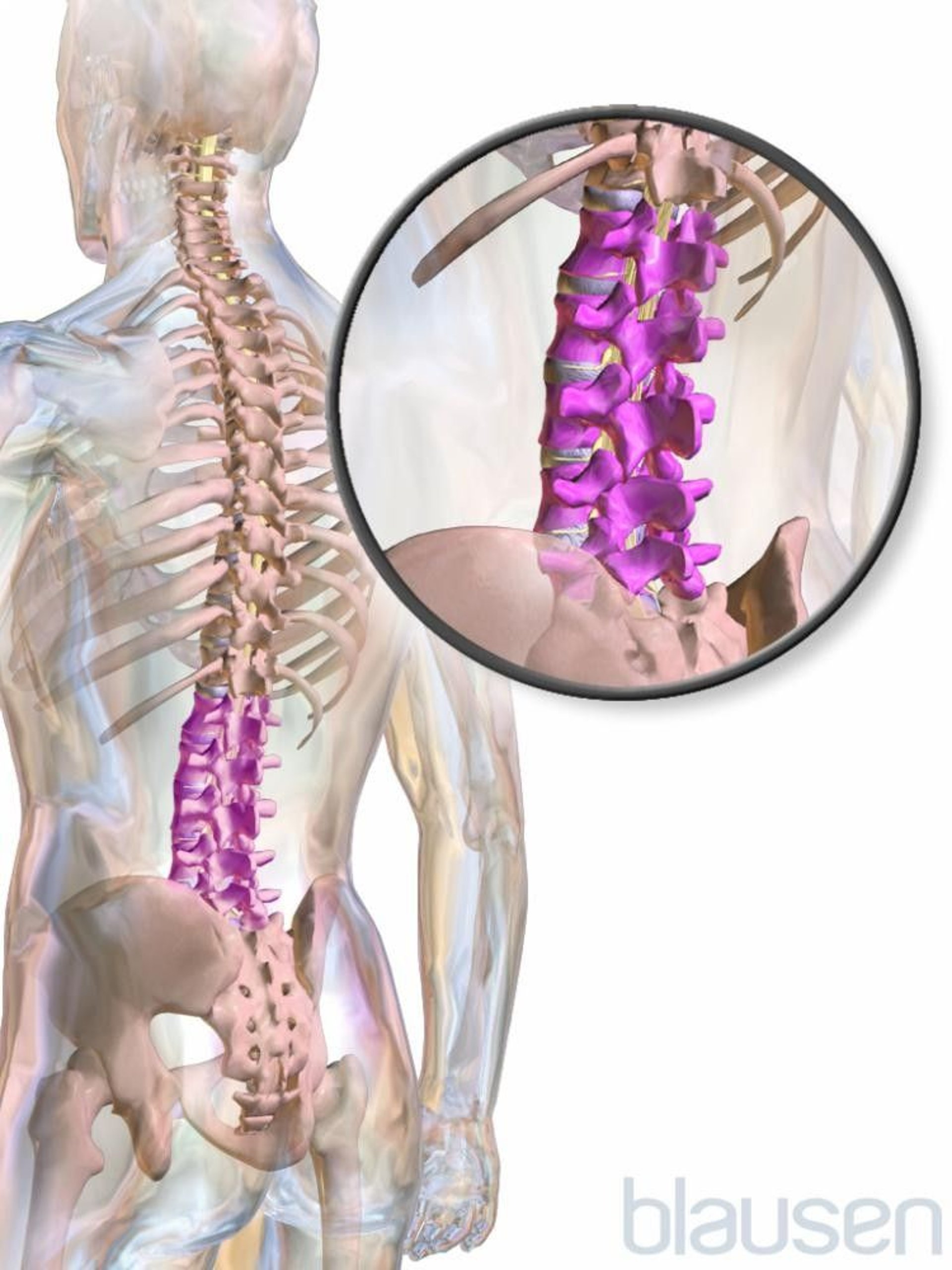
The lower spine (lumbar spine) connects to the spine in the upper back (thoracic spine) above and to the pelvis through the sacrum below. The sacrum is the large triangular bone at the base of the spine, the lower part of which is the tailbone. The lumbar spine is flexible to allow turning, twisting and bending, and provides strength—for standing, walking, and lifting. Thus, the lower back is involved in almost all activities of daily living. Low back pain can limit many activities and reduce the quality of life.
Types of back pain
Common types of back pain include local, radiating, and referred pain.
Local pain occurs in a specific area of the lower back. It is the most common type of back pain. The cause is usually a small disk injury, joint arthritis, and muscle sprains and strains. The pain may be constant and aching or, at times, intermittent and sharp. Sudden pain may be felt when an injury is the cause. Local pain can be aggravated or relieved by changes in position. The lower back may be sore when touched. Muscle spasms may occur.
Radiating pain is pain that travels from the lower back down the leg. The pain can be a dull ache or be sharp and intense. It typically involves only the side or back of the leg and may travel all the way to the foot or only to the knee. Radiating pain typically indicates compression of a nerve root caused by disorders such as a herniated disk, sciatica, osteoarthritis, or spinal stenosis. Coughing, sneezing, straining, or bending over while keeping the legs straight may trigger the pain. If there is pressure on the nerve root, the pain may be accompanied by muscle weakness in the leg, a pins-and-needles sensation, or even loss of sensation. Rarely, people lose bladder control (urinary incontinence) or bowel control (fecal incontinence).
Referred pain is felt in a different location from the actual cause of the pain. For example, some people who have a heart attack feel pain in their left arm. Referred pain from internal organs to the lower back tends to be deep and aching, and its exact location is hard to pinpoint. Typically, movement does not worsen it, unlike pain from a musculoskeletal disorder.
Causes of Low Back Pain
Most back pain is caused by disorders of the spine and the joints, muscles, ligaments, and nerve roots around it or the disks between vertebrae. Often, no single specific cause can be identified. Any painful disorder of the spine may cause reflex tightening (spasm) of muscles around the spine. This spasm may worsen the existing pain. Stress may worsen low back pain, but how it does so is unclear.
Occasionally, back pain is due to disorders outside the spine, such as cancer, gynecologic disorders (for example, premenstrual syndrome), disorders of the kidneys (for example, kidney stones) and urinary (for example, infections of the kidney, bladder, and prostate gland) and digestive tracts (for example, diverticulitis), and disorders of major arteries near the spine.
Common causes
Common causes of low back pain include
Injuries to muscles and ligaments
Injuries may occur during routine activities (for example, lifting, exercising, moving in an unexpected way) or result from trauma, such as a fall or car crash. Often no specific injured structures are identified with imaging tests, but doctors presume that some muscles and/or ligaments have been affected.
Osteoarthritis (degenerative arthritis) causes the cartilage between the facet joints to wear away and bone spurs (osteophytes) to form. This disorder is due in part to the wear and tear of years of use. People who repetitively stress one joint or a group of joints are more likely to develop osteoarthritis in that area. The disks between the vertebrae deteriorate, and the spaces between the vertebrae narrow, increasing the pressure on the facet joints, which become inflamed (arthritis) and form bone spurs in the openings for the nerve roots. With severe degeneration and loss of disc height the osteophytes in the opening can compress spinal nerve roots. All of these changes can cause low back pain as well as stiffness.
Vertebral compression (crush) fractures (fractures of spinal vertebrae) commonly develop when bone density decreases because of osteoporosis, which typically develops as people age. Vertebrae are particularly susceptible to the effects of osteoporosis. Vertebral compression fractures (which may cause sudden, severe back pain) can be accompanied by compression of spinal nerve roots (which may cause chronic back pain). However, most fractures due to osteoporosis occur in the upper and middle back and cause upper and middle rather than low back pain.
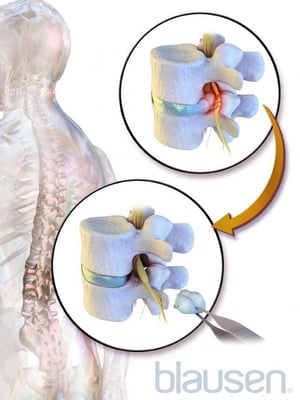
A ruptured or herniated disk can cause low back pain. A disk has a tough outer layer and a soft, jelly-like interior. If a disk is repeatedly overloaded by the vertebrae above and below it (as when bending forward, particularly when lifting a heavy object), the outer layer may tear (rupture), causing pain. The interior of the disk can squeeze through the tear, so that part of the interior bulges out (herniates). This bulge can compress, irritate, and even damage the spinal nerve root next to it, causing more pain and symptoms that are felt in one or both legs. A ruptured or herniated disk in the low back that affects nerves commonly causes sciatica. However, imaging studies such as magnetic resonance imaging (MRI) often show bulging disks in people who have no symptoms or problems.
Lumbar spinal stenosis is narrowing of the spinal canal, which runs through the center of the spine and contains the spinal cord and the bundle of nerves that extends downward from the bottom of the spinal cord in the lower back. It is a common cause of low back pain in older people. Spinal stenosis also develops in middle-aged people who were born with a narrow spinal canal. Spinal stenosis is caused by such disorders as osteoarthritis, spondylolisthesis, ankylosing spondylitis, and Paget disease of bone.
Spinal stenosis may cause sciatica as well as low back pain.
Spondylolisthesis is partial displacement of a vertebra in the lower back. One type usually occurs during adolescence or young adulthood (often in athletes) caused by an injury that fractures a part of the vertebra. If both sides of the vertebra are involved, the vertebra can then slip forward over the one below it. Spondylolisthesis can also occur in older adults but mainly as the result of a degenerative condition. People who develop spondylolisthesis as adults are at risk of developing lumbar spinal stenosis.
Fibromyalgia is a common cause of pain that affects many parts of the body, sometimes including the low back. This disorder causes chronic widespread (diffuse) pain in muscles and other soft tissues in areas outside the lower back. Fibromyalgia is also characterized by poor sleep and fatigue.
Did You Know...
|
Less common causes
Less common causes of low back pain include
Spinal infections
A bulge (aneurysm) in the large artery in the abdomen (abdominal aortic aneurysm)
Certain digestive disorders, such as diverticulitis
Certain urinary tract disorders, such as kidney infections, kidney stones, and prostate infections
Certain disorders involving the pelvis, such as ectopic pregnancy, pelvic inflammatory disease, and cancer of the ovaries or other reproductive organs
Shingles (before and after the rash is seen)
Several types of inflammatory arthritis, such as ankylosing spondylitis
Inflammatory or infiltrative disorders in the space behind the abdominal cavity (retroperitoneum), such as scarring, bleeding, enlarged lymph nodes, and immunoglobulin G4-related disease (IgG4-RD)
Inflammatory muscle disorders, such as polymyositis and other inflammatory myopathies and polymyalgia rheumatica
Evaluation of Low Back Pain
The doctor aims to identify any serious disorders. Because low back pain is often caused by several problems, diagnosing a single cause may not be possible. Doctors may only be able to tell that the cause is a musculoskeletal disorder and how serious it is likely to be.
Warning signs
In people with low back pain, certain symptoms and characteristics are cause for concern. They include
A history of cancer
Use of drugs that suppress the immune system, HIV infection or AIDS, use of injected drugs, recent surgery, or a wound—conditions that increase the risk of infection
Numbness, weakness in one or both legs, difficulty emptying the bladder (retention of urine), or loss of bladder or bowel control (urinary incontinence or fecal incontinence)—symptoms that suggest nerve damage or spinal cord compression
Fever
Weight loss
Severe pain at night
Abdominal or chest pain, or pulsing sensation in the upper abdomen—symptoms that suggest an abdominal aortic aneurysm
Vomiting, severe abdominal pain, or stool that is black or bloody—symptoms that suggest a digestive disorder
Difficulty urinating, blood in the urine, or severe crampy pain on one side radiating into the groin—symptoms that suggest a urinary tract disorder
When to see a doctor
People should see a doctor immediately if they have fever or any of the warning signs that suggest nerve damage, an abdominal aortic aneurysm, a digestive disorder, or a urinary tract disorder. People with most other warning signs should see a doctor within a day. If pain is not severe and people have no warning signs other than pain for more than 6 weeks, their need to see a doctor is not as urgent.
What the doctor does
Doctors first ask questions about the person's symptoms and medical history. Doctors then do a physical examination. What they find during the history and physical examination often suggests a cause and the tests that may need to be done (see table Some Causes and Features of Low Back Pain).
Doctors ask questions about the pain:
What is the pain like?
When and how did it start?
How severe is it?
Where is it and where does it radiate to?
What relieves or worsens it (for example, changes in position or weight bearing)?
Are there other symptoms (such as numbness, weakness, retention of urine, or incontinence)?
Certain characteristics of the pain can give clues to possible causes:
Pain in an area that is tender to the touch and is worsened by changes in position or weight bearing is usually local pain.
Pain that radiates down the leg, such as sciatica, is usually caused by compression of a spinal nerve root.
Pain that is not affected by changes in position of the back and is not accompanied by tenderness may be referred pain.
Pain that is constant, severe, progressively worse, and unrelieved by rest, particularly if it keeps the person awake at night, can be a disk herniation but may indicate cancer or an infection.
The physical examination is focused on the spine and on evaluation of the nerves to the groin and legs to look for signs of nerve root compression. Signs of nerve root compression depend on which nerve roots are involved and include weakness of one of the muscle groups in a leg, abnormal reflexes (tested by tapping the tendons below the knee and behind the ankle), decreased sensation in an area of the leg, and, very rarely, retention of urine and incontinence of urine or stool (fecal incontinence).
Doctors may ask the person to move in certain ways to determine the type of pain. Doctors typically ask the person to bend forward and backward. They may have the person lie flat and then lift their leg without bending the knee to see if it brings on pain, which would suggest a herniated disc. Doctors may also check a person's abdomen for tenderness or a mass and the pulses, particularly in people over 55, who may have an aortic aneurysm. They may examine the prostate in men by doing a digital rectal examination and the internal reproductive organs in women by doing a pelvic examination.
With information about the pain, the person’s medical history, and results of a physical examination, doctors may be able to determine the possible cause.
Testing
Usually, no tests are needed because most back pain results from osteoarthritis, strains and sprains, or other minor musculoskeletal disorders and resolves within 6 weeks. Imaging tests are often needed if
Another cause is suspected
Warning signs are present
Back pain persists
People who did not respond to initial treatment or those whose symptoms have worsened or changed may also undergo testing.
X-rays of the lower back show only the bones. They can help detect degenerative changes due to osteoarthritis, vertebral compression fractures, spondylolisthesis, and ankylosing spondylitis. However, magnetic resonance imaging (MRI) or computed tomography (CT) provides clearer images of bones and, particularly MRI, can show soft tissues (including disks and some nerves). MRI or CT is usually necessary when doctors are checking for disorders that cause subtle changes in bone and disorders of soft tissue. For example, MRI or CT can confirm or exclude the diagnosis of a herniated disk, spinal stenosis, cancer, and usually infection. These tests can also indicate whether nerves are being compressed.
If compression of the spinal cord is suspected, MRI is done immediately. Rarely, when results of MRI are unclear, myelography with CT is required. Rarely, if cancer or infection is suspected, removal of tissue (biopsy) is necessary. Occasionally, electromyography and nerve conduction studies are done to confirm the presence, location, and sometimes duration and severity of nerve root compression.
Prevention of Low Back Pain
People can reduce their risk of developing low back pain by doing the following:
Exercising
Strengthening and stretching muscles
Maintaining a healthy weight
Maintaining good posture
Using proper lifting techniques
The most effective way to prevent low back pain is to exercise regularly. Aerobic exercise and specific muscle-strengthening and stretching exercises can help.
Aerobic exercise, such as swimming and walking, improves general fitness and generally strengthens muscles.
Specific exercises to strengthen and stretch the muscles in the abdomen, buttocks, and back (the core muscles) can help stabilize the spine and decrease strain on the disks that cushion the spine and the ligaments that hold it in place.
Muscle-strengthening exercises include pelvic tilts and abdominal curls. Stretching exercises include the knee-to-chest stretch. Stretching exercises can increase back pain in some people and therefore should be done carefully. As a general rule, any exercise that causes or increases back pain should be stopped. Exercises should be repeated until the muscles feel mildly but not completely fatigued. Breathing during each exercise is important. People who have back pain should consult a doctor before beginning to exercise.
Exercises to Prevent Low Back Pain
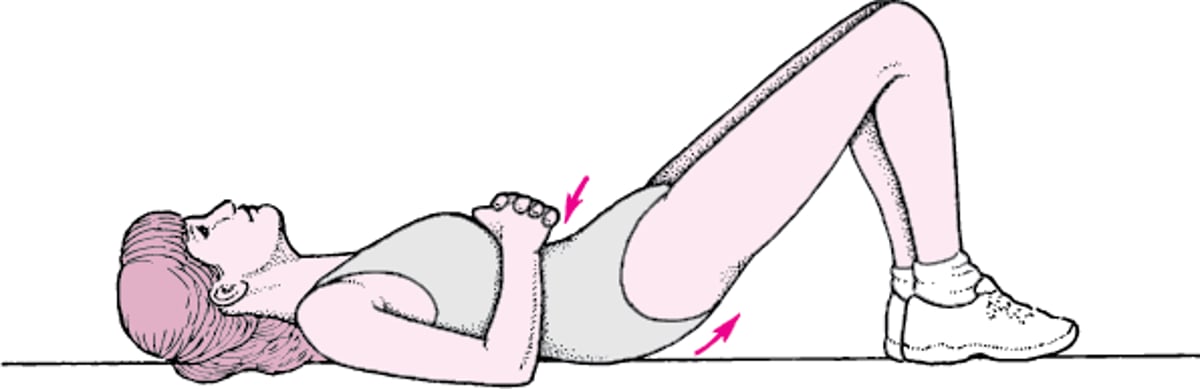
Pelvic Tilts Lie on the back with the knees bent, the heels on the floor, and the weight on the heels. Press the small of the back against the floor, contract the buttocks (raising them about half an inch [1 cm] from the floor), and contract the abdominal muscles. Hold this position for a count of 10. Repeat 20 times. | |
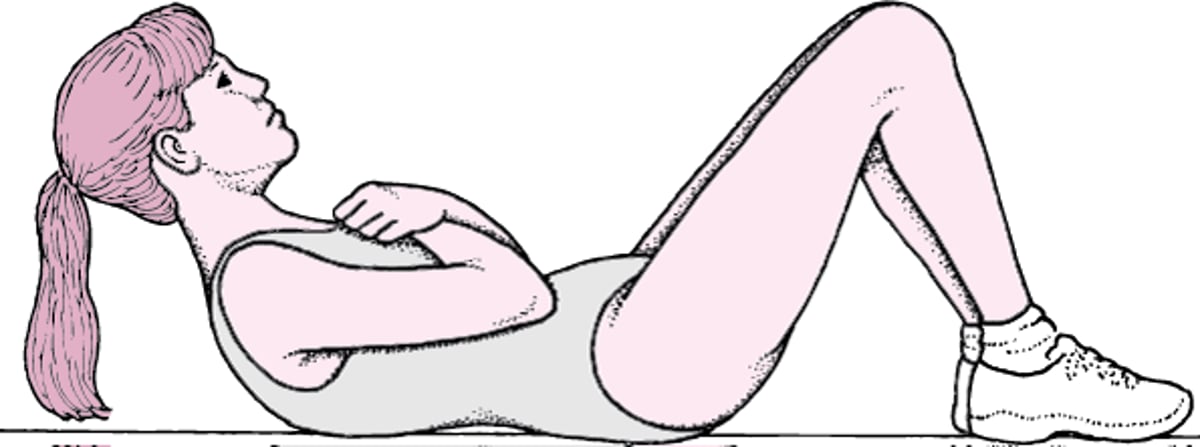
Abdominal Curls Lie on the back with the knees bent and feet on the floor. Place the hands across the chest. Contract the abdominal muscles, slowly raising the shoulders about 10 inches (25 cm) from the floor while keeping the head back (the chin should not touch the chest). Then release the abdominal muscles, slowly lowering the shoulders. Do 3 sets of 10. | |
Knee-to-Chest Stretch Lie flat on the back. Place both hands behind one knee and bring it to the chest. Hold for a count of 10. Slowly lower that leg and repeat with the other leg. Do this exercise 10 times. |



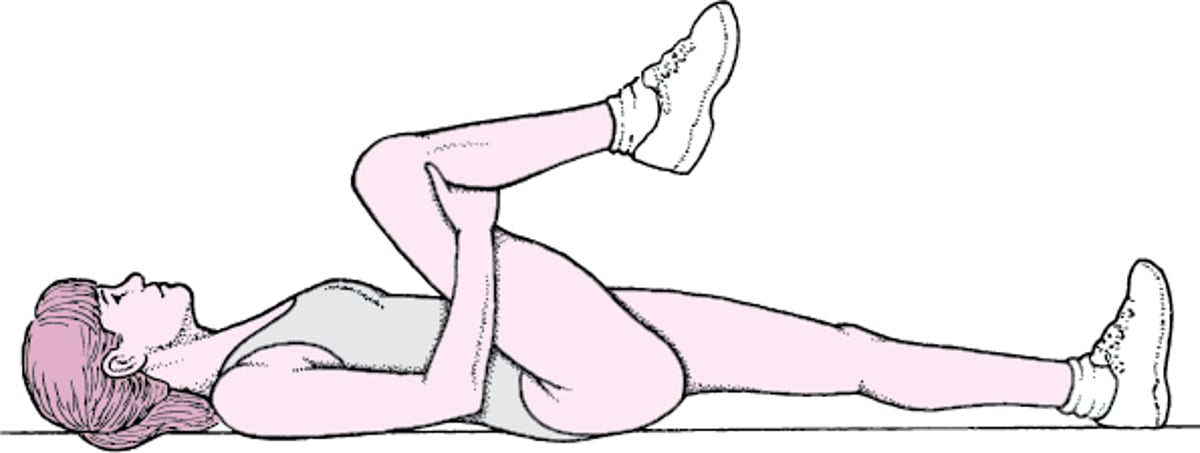
Exercise can also help people maintain a desirable weight. Weight-bearing exercise can help people maintain bone density. Thus, exercise may reduce the risk of developing two conditions that can lead to low back pain—obesity and osteoporosis.
Maintaining good posture when standing and sitting reduces stress on the back. Slouching should be avoided. Chair seats can be adjusted to a height that allows the feet to be flat on the floor, with the knees bent up slightly and the lower back flat against the back of the chair. If a chair does not support the lower back, a pillow can be used behind the lower back. Sitting with the feet on the floor rather than with the legs crossed is advised. People should avoid standing or sitting for long periods. If prolonged standing or sitting is unavoidable, changing positions frequently may reduce stress on the back.
Learning to lift correctly helps prevent back injury. The hips should be aligned with the shoulders (that is, not rotated to one side or the other). People should not bend over with their legs nearly straight and reach out with their arms to pick up an object. Instead, they should bend at the hips and knees. Bending this way keeps the back straighter and brings the arms down to the object with the elbows at the side. Then, keeping the object close to the body, they lift the object by straightening their legs. This way, the legs, not the back, lift the object. Lifting an object over the head or twisting while lifting increases the risk of back injury.
Treatment of Low Back Pain
If a specific cause can be diagnosed, that disorder is treated. For example, antibiotics are used to treat a prostate infection. However, there is no specific treatment for musculoskeletal pain due to sprains or strains nor for many other musculoskeletal causes. But many general measures can help. Usually, these general measures are also used when a spinal nerve root is compressed.
General measures for back pain
Measures include
Modifying activities
Taking drugs that relieve pain
Applying heat or cold to the painful area
Light exercise as tolerated
For low back pain that has recently developed, treatment begins with avoiding activities that stress the spine and cause pain—such as lifting heavy objects and bending. Bed rest does not hasten the resolution of the pain, and most experts recommend continued light activity. Bed rest, if required to relieve severe pain, should last no more than 1 or 2 days. Longer bed rest weakens the core muscles and increases stiffness, thus worsening back pain and prolonging recovery. Spinal corsets and traction are not helpful. Traction may delay recovery.
nonsteroidal anti-inflammatory drugssubstance use disorder.
fibromyalgia. Doctors sometimes tell people to take them only at bedtime.
Application of heat or cold may help (see Treatment of Pain and Inflammation). Cold is usually preferred to heat during the first 2 days after an injury. Ice and cold packs should not be applied directly to the skin. An ice pack should be enclosed (for example, in plastic) and placed over a towel or cloth. The ice is removed after 20 minutes, then reapplied for 20 minutes over a period of 60 to 90 minutes. This process can be repeated several times during the first 24 hours. Heat, using a heating pad, can be applied for the same periods of time. Because the skin on the back may be insensitive to heat, heating pads must be used cautiously to prevent burns. People should not use a heating pad at bedtime to avoid the risk of falling asleep with the pad still on their back.
Massage may provide some temporary relief of low back pain. Some studies suggest that acupuncture may have similar benefits, but others suggest little or no benefit. Spinal manipulation, done by chiropractors or some other doctors (such as osteopathic doctors), may also provide relief when combined with an exercise program. However, spinal manipulation may increase the risk of further injury and should be avoided in people who have inflammatory arthritis, neck problems that cause instability of neck vertebrae, or a herniated disk.
After the pain has subsided, light activity, as recommended by a doctor or physical therapist, can speed healing and recovery. In some cases, a course of treatment with a physical therapist can help. Specific exercises to strengthen and stretch the back and to strengthen core muscles are usually recommended to help prevent low back pain from becoming chronic or recurring.
Sleeping in a comfortable position on a medium mattress is recommended. People who sleep on their back can place a pillow under their knees. People who sleep on their side should use a pillow to support their head in a neutral position (not tilted down toward the bed or up toward the ceiling). They should place another pillow between their knees with their hips and knees bent slightly if that relieves their back pain. People can continue to sleep on their stomach if they are comfortable doing so.

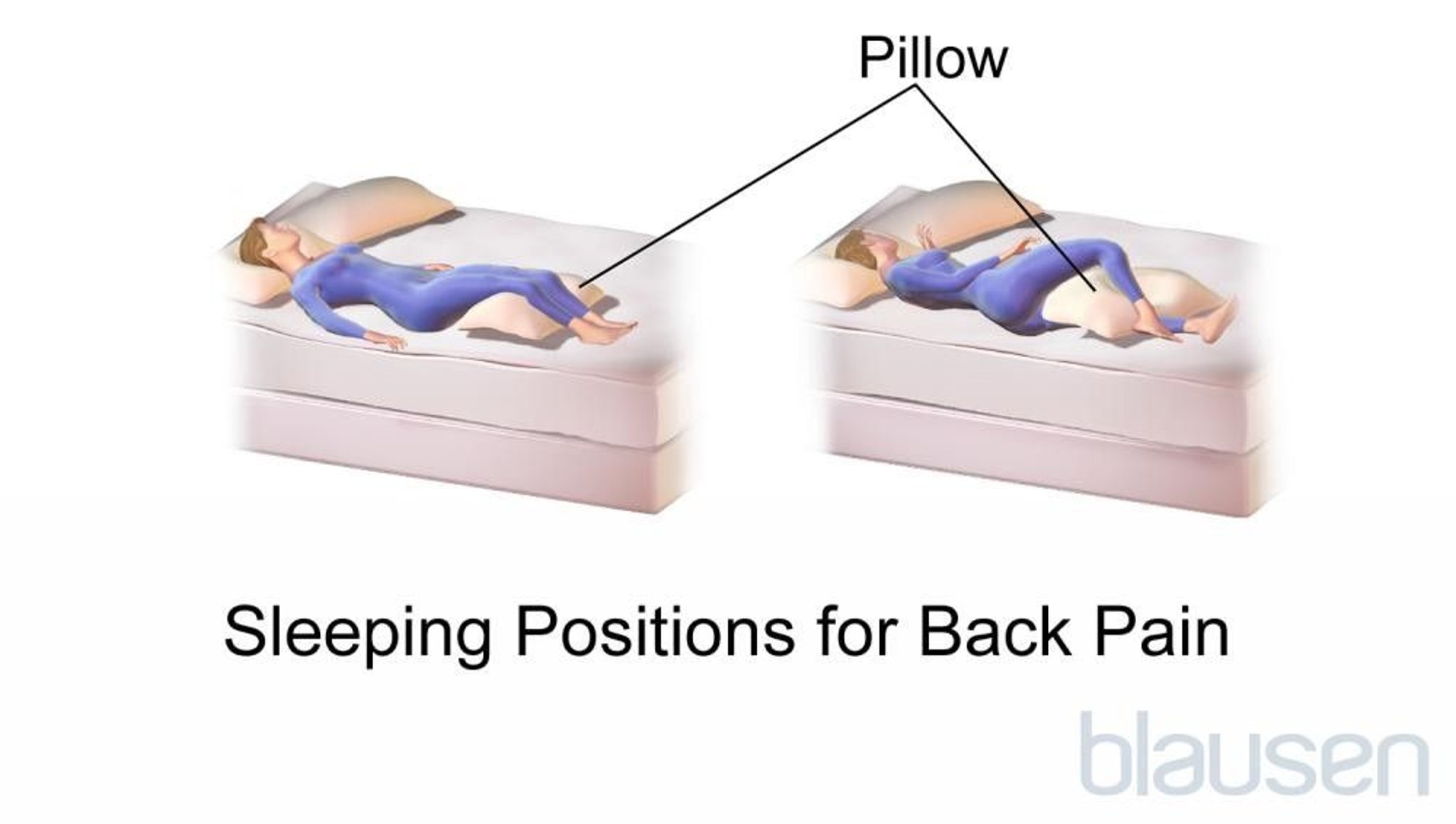
Other preventive measures (maintaining good posture, lifting correctly) should be continued or started. In response to these measures, most episodes of back pain resolve in several days to 2 weeks. Regardless of treatment, 80 to 90% of such episodes resolve within 6 weeks.
Treatment of chronic back pain
Additional measures are needed for chronic low back pain. Aerobic exercise may help, and weight reduction, if necessary, is advised. If analgesics are ineffective, other treatments can be considered.
Transcutaneous electrical nerve stimulation (TENS) may be used. The TENS device produces a gentle tingling sensation by generating a low oscillating current. This current can block transmission of some pain sensation from the spinal cord to the brain. The current can be applied to the painful area several times a day for 20 minutes to several hours at a time, depending on the severity of the pain.

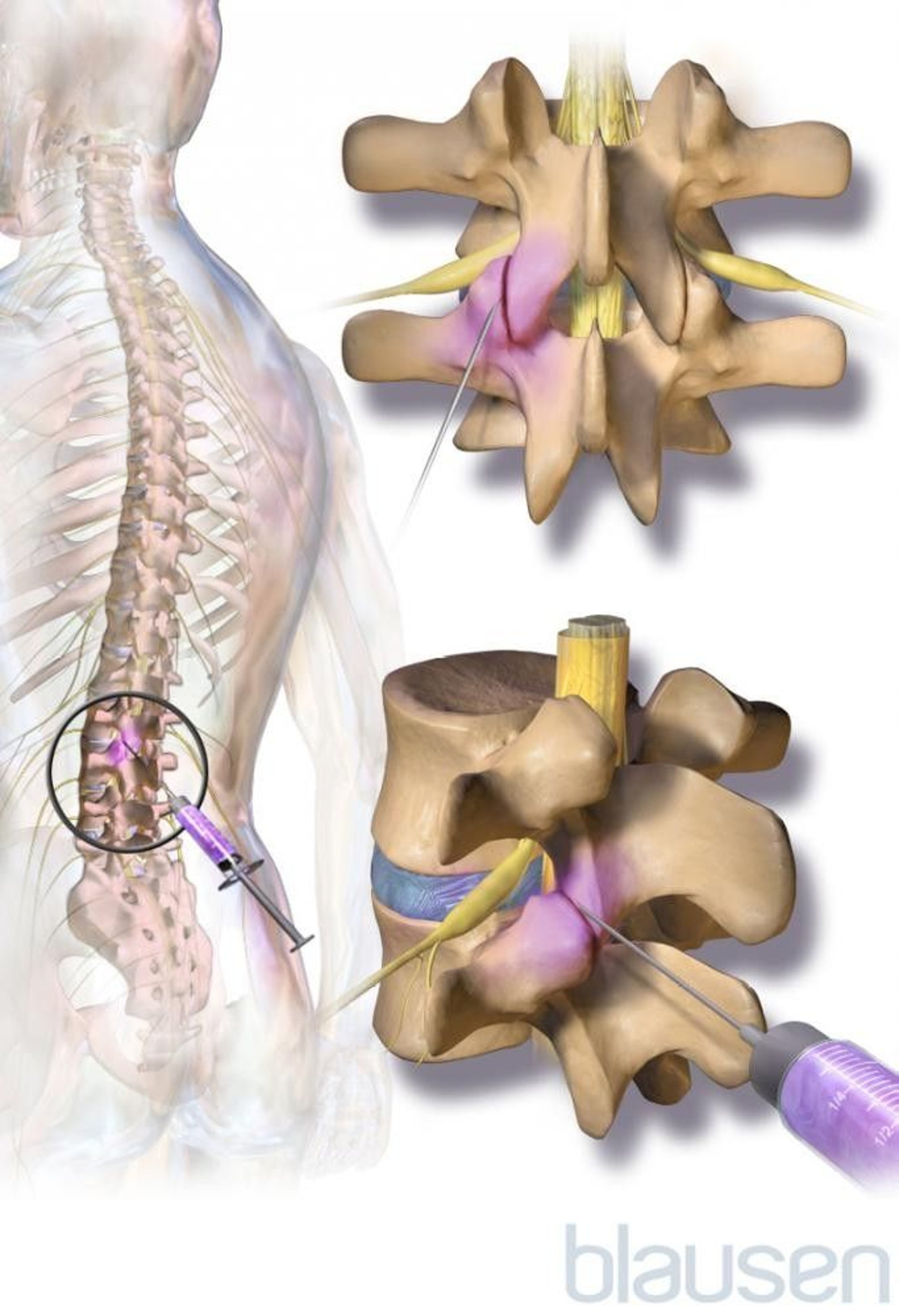
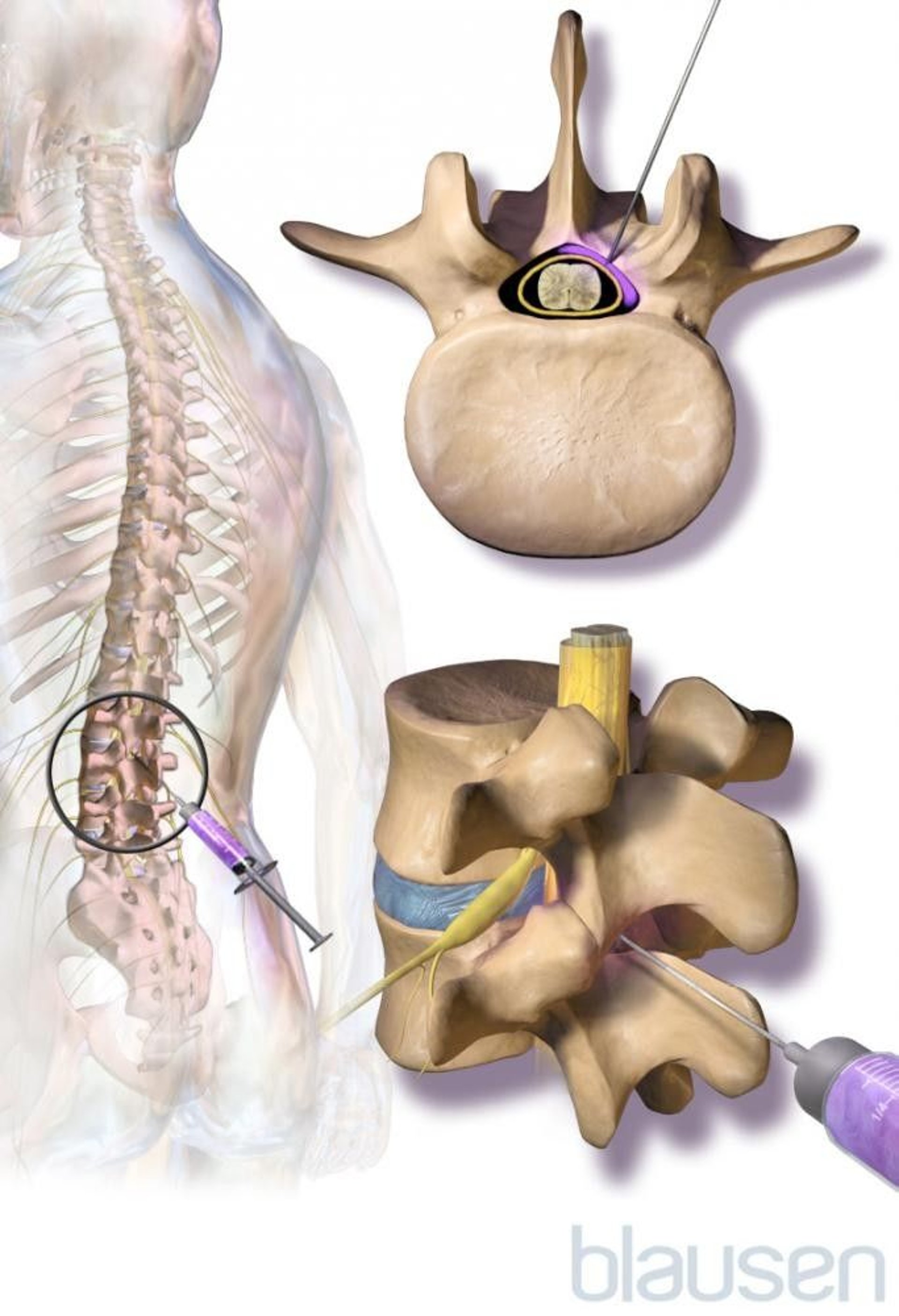
Surgery for back pain
If a herniated disk is causing relentless or chronic sciatica, weakness, loss of sensation, or loss of bladder and bowel control, surgical removal of the bulging part of the disk (diskectomy) and sometimes part of the vertebra (laminectomy) may be necessary.
For severe spinal stenosis, a large part of the back of the vertebra (the lamina) may be surgically removed to widen the spinal canal (lumbar laminectomy). A general anesthetic is usually required. The hospital stay is usually 4 or 5 days. People may need 3 to 4 months before they can resume all of their activities. About two thirds of people have a good or full recovery. For most of the rest, such surgery may prevent pain and keep other symptoms from worsening.
When the spine is unstable (as may result from a severe herniated disk, spondylolisthesis, or after laminectomy for spinal stenosis), surgery can be done to fuse vertebrae together (called lumbar spinal fusion). However, fusion decreases mobility and may put additional stress on the rest of the spine and cause further problems.


Vertebral compression fractures
Vertebral compression fractures
If pain is not adequately controlled, two surgical options are available:
Vertebroplasty: A cement mixture is injected into the fractured bone.
Kyphoplasty: A balloon is inserted into the fractured bone to create space. The balloon is then filled with cement.
However, recent studies have shown that, in the long term, these surgical procedures are no more effective than nonsurgical options.
Key Points
Low back pain is very common and usually caused by a musculoskeletal disorder of the spine plus other factors, such as fatigue, obesity, and lack of exercise.
In young people, low back pain is rarely serious, and testing is usually unnecessary unless symptoms persist for weeks.
People who have warning signs or who are over age 55 should see a doctor without delay.
Strengthening abdominal and back muscles with specific exercises can help prevent the most common types of low back pain.
For most low back pain, avoiding activities that stress the back, taking pain relievers, and sometimes applying ice or heat are sufficient treatment.
Prolonged bed rest and traction can delay recovery.
In severe cases, for example, when people have abnormal sensation and weakness in the legs, surgery may be needed.


