





The peripheral nervous system refers to the parts of the nervous system that are outside the central nervous system, that is, those outside the brain and spinal cord.
Thus, the peripheral nervous system includes
The nerves that connect the head, face, eyes, nose, muscles, and ears to the brain (cranial nerves)
The nerves that connect the spinal cord to the rest of the body, including the 31 pairs of spinal nerves
More than 100 billion nerve cells that run throughout the body
Using the Brain to Move a Muscle
Moving a muscle usually involves communication between the muscle and the brain through nerves. The impetus to move a muscle may originate in the brain, as when a person consciously decides to move a muscle—for example, to pick up a book. Or the impetus to move a muscle may originate with the senses. For example, special nerve endings in the skin (sensory receptors) enable people to sense pain or a change in temperature. This sensory information is sent to the brain, and the brain may send a message to the muscle about how to respond. This type of exchange involves two complex nerve pathways:
| |
| |
If the sensation occurs suddenly and is severe (as when stepping on a sharp rock or picking up a cup of very hot coffee), the impulse may travel to the spinal cord and directly back to the motor nerve, bypassing the brain. The result is a quick response of a muscle—by immediately withdrawing from whatever is causing the pain. This response is called a spinal reflex. | |

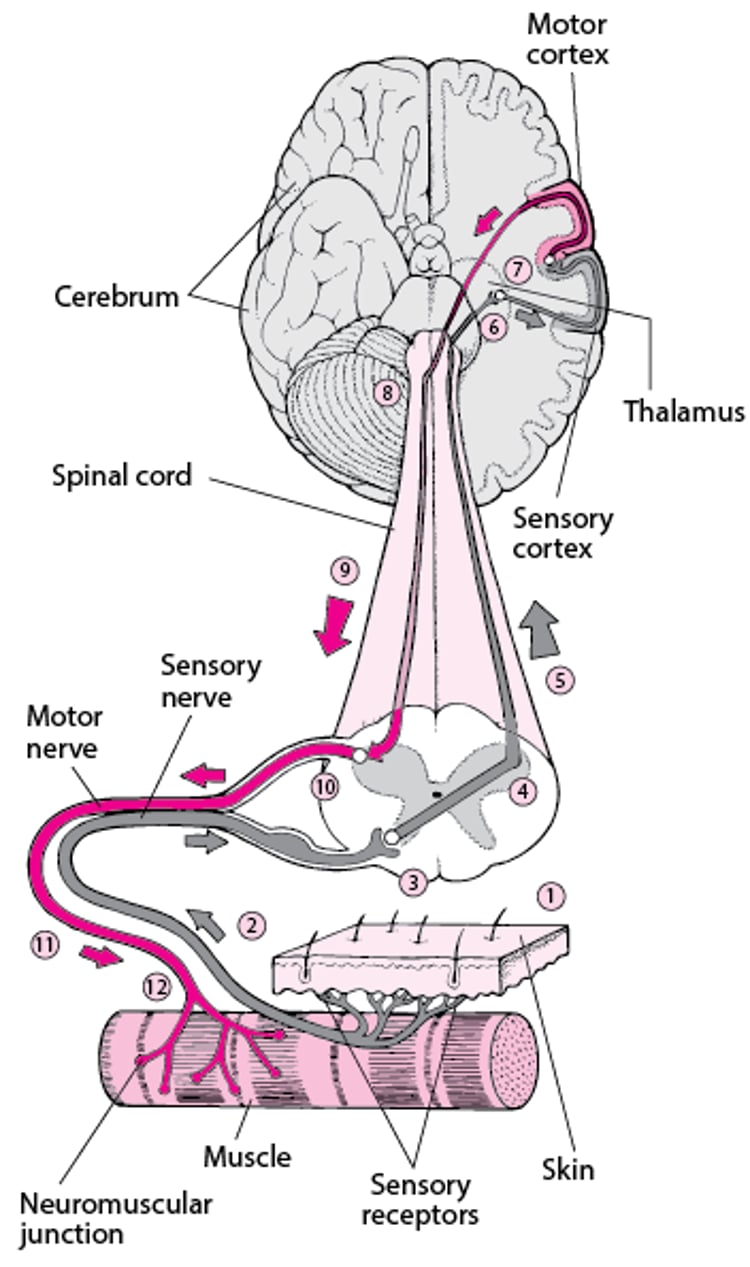
Dysfunction of peripheral nerves may result from damage to any part of the nerve:
Axon (the part that sends messages)
Body of the nerve cell
Myelin sheath (the membranes that surround the axon and that function much like insulation around electrical wires, enabling nerve impulses to travel quickly)
Damage to the myelin sheath is called demyelination, as occurs in Guillain-Barré syndrome.
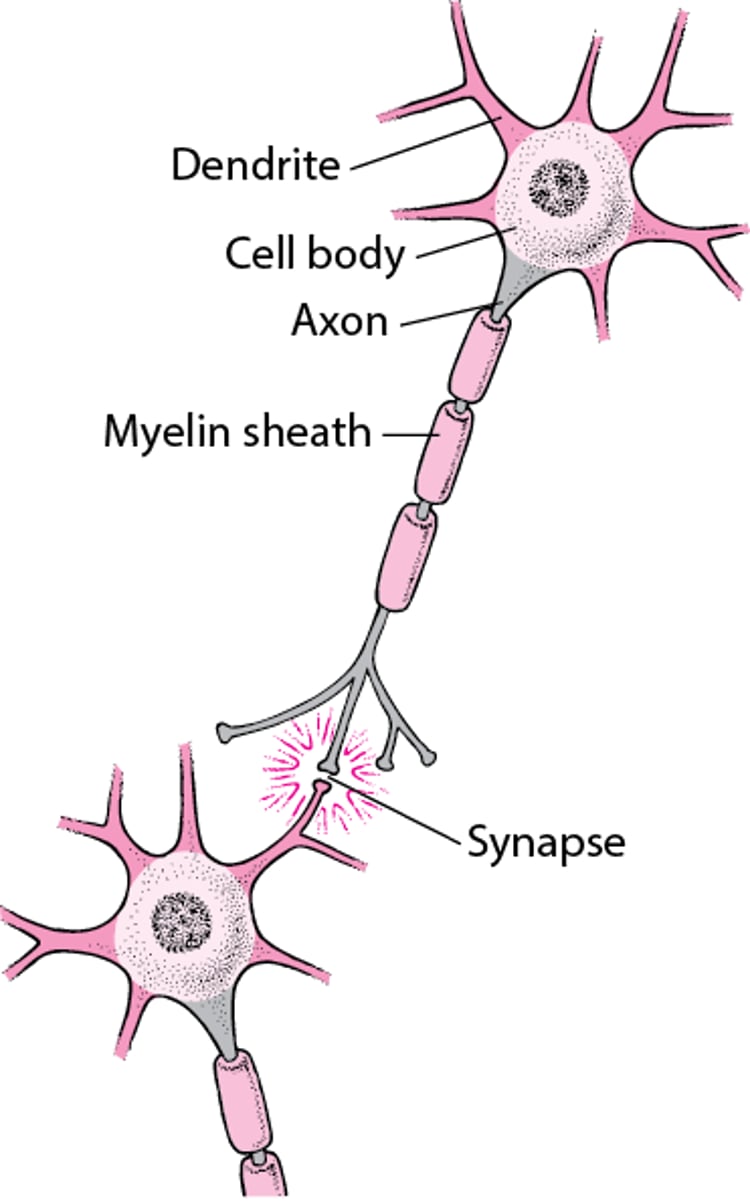
Typical Structure of a Nerve Cell
A nerve cell (neuron) consists of a large cell body and nerve fibers—1 elongated extension (axon) for sending impulses and usually many branches (dendrites) for receiving impulses. The impulses from the axon cross a synapse (the junction between 2 nerve cells) to the dendrite of another cell. Each large axon is surrounded by oligodendrocytes in the brain and spinal cord and by Schwann cells in the peripheral nervous system. The membranes of these cells consist of a fat (lipoprotein) called myelin. The membranes are wrapped tightly around the axon, forming a multilayered sheath. This myelin sheath resembles insulation, such as that around an electrical wire. Nerve impulses travel much faster in nerves with a myelin sheath than in those without one. |

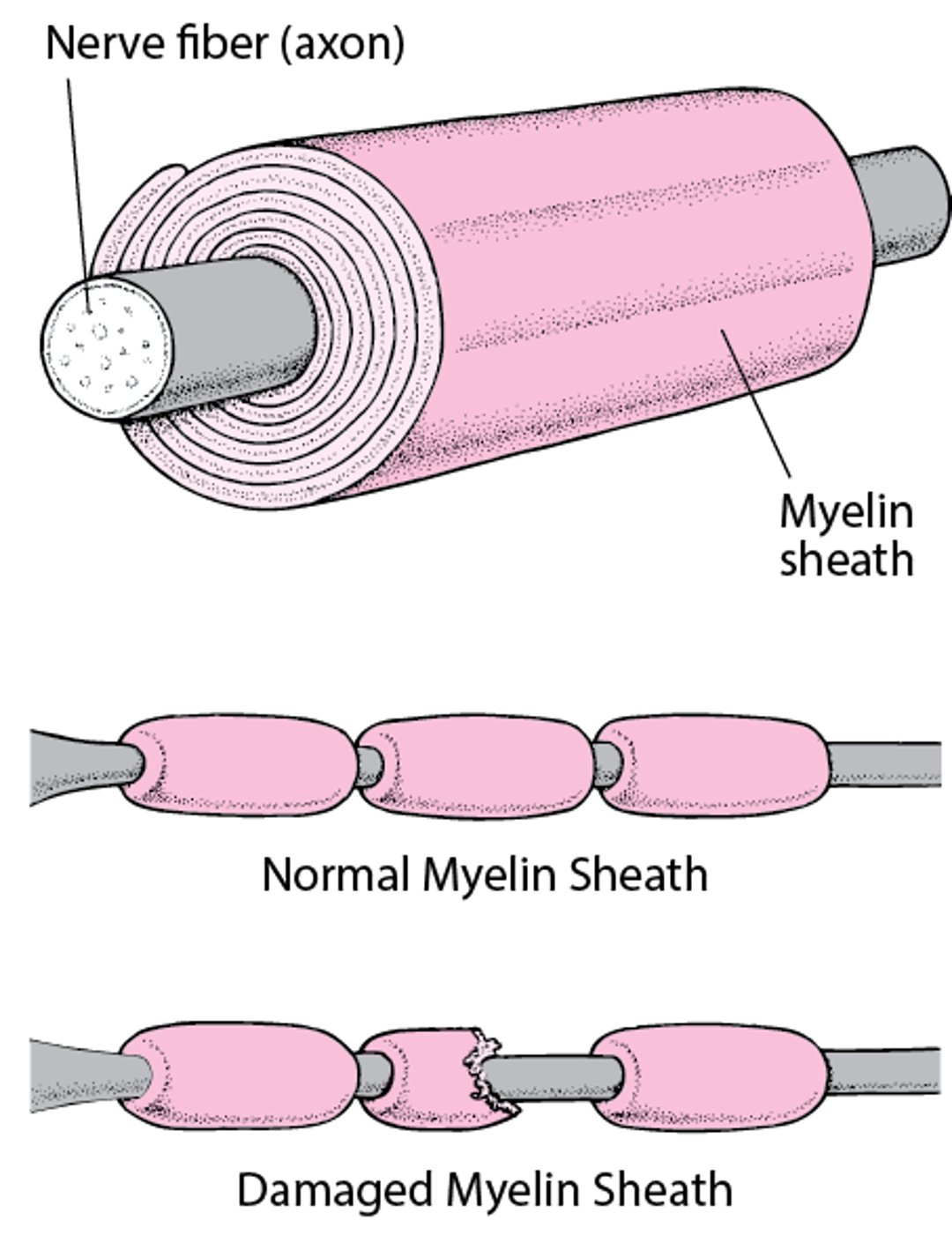
Insulating a Nerve Fiber
Most nerve fibers inside and outside the brain are wrapped with many layers of tissue composed of a fat (lipoprotein) called myelin. These layers form the myelin sheath. Much like the insulation around an electrical wire, the myelin sheath enables nerve signals (electrical impulses) to be conducted along the nerve fiber with speed and accuracy. When the myelin sheath is damaged (called demyelination), nerves do not conduct electrical impulses normally. |

Peripheral nerve disorders can affect
One nerve (mononeuropathy)
Two or more peripheral nerves in separate areas of the body (multiple mononeuropathy)
Many nerves throughout the body but usually in about the same areas on both sides of the body (polyneuropathy)
A spinal nerve root (the part of the spinal nerve connected to the spinal cord)
A plexus (a network of nerve fibers, where fibers from different spinal nerves are sorted and recombined to serve a particular area of the body)
The neuromuscular junction (where the nerve and muscle connect)
If motor nerves (which control muscle movement) are damaged, muscles may weaken or become paralyzed. If sensory nerves (which carry sensory information—about such things as pain, temperature, and vibration) are damaged, abnormal sensations may be felt or sensation may be lost.
Causes of Peripheral Nerve Disorders
Peripheral nerve disorders can be hereditary or acquired (caused by exposure to toxins, injury, infections, or metabolic or inflammatory disorders).
Disorders that may resemble peripheral nerve disorders
Certain disorders cause progressive deterioration of the nerve cells in the spinal cord and brain that control muscle movement (motor neuron diseases) as well as in the peripheral nerves. Motor neuron diseases can resemble peripheral nerve disorders, which affect nerve cells outside the brain and spinal cord rather than those in the spinal cord or brain. Motor neuron diseases may be caused by viruses (such as the polio virus), be inherited, or have no clear known cause (such as amyotrophic lateral sclerosis).
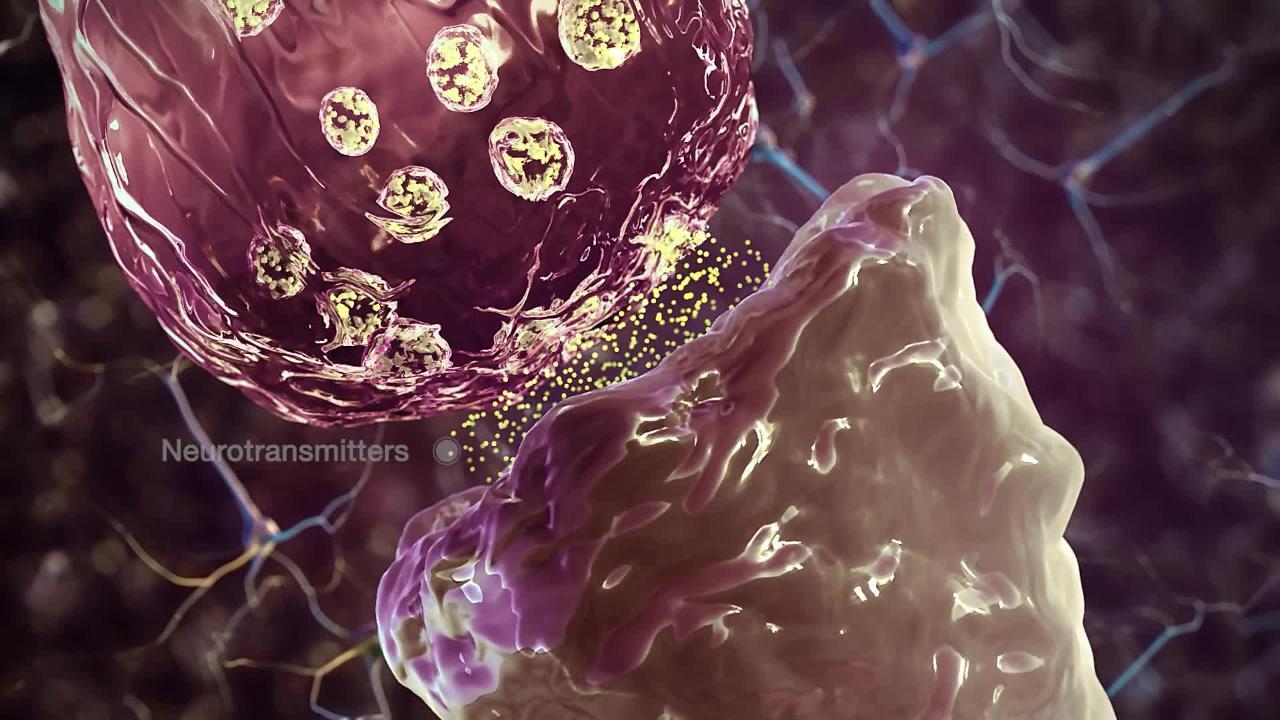
Neuromuscular junction disorders are distinct from peripheral nerve disorders, although they may have similar consequences such as muscle weakness. The neuromuscular junction is where the ends of peripheral nerve fibers connect to special sites on a muscle’s membrane. The nerve fibers release a chemical messenger (neurotransmitter) that sends a nerve impulse across the neuromuscular junction and signals a muscle to contract. Neuromuscular junction disorders include
Dysfunction caused by certain insecticides (organophosphate pesticides) or chemical warfare agents (such as sarin gas and Novichok) or by use of certain medications or drugs (such as curare)
Novichok was developed in Russia and has been used in assassination attempts. Curare has been used to help relax muscles during surgery and to paralyze and kill when placed on the tip of poison darts.
Disorders that affect muscle rather than nerves (as peripheral nerve disorders do) also cause muscle weakness. Muscle disorders may be categorized as
Hereditary, such as Duchenne muscular dystrophy, Becker muscular dystrophy, familial periodic paralysis, limb-girdle muscular dystrophy, myotonia congenita (Thomsen disease), and myotonic dystrophy (Steinert disease)
Endocrine, such as acromegaly (excessive growth due to overproduction of growth hormone), Cushing syndrome, diabetes mellitus, hyperthyroidism (an overactive thyroid gland), and hypothyroidism (an underactive thyroid gland)
Inflammatory, such as infections (usually viral) and polymyositis and dermatomyositis
Metabolic, such as lipid and glycogen storage diseases, alcohol use disorder, and hypokalemia (low potassium levels)
Doctors do tests to determine whether the cause of weakness is a muscle, a neuromuscular junction, or a nerve disorder.
Diagnosis of Peripheral Nerve Disorders
A doctor's evaluation
Possibly electromyography and nerve conduction studies, imaging tests, or a biopsy
For a suspected hereditary neuropathy, genetic testing
To diagnose a peripheral nerve disorder, doctors ask people to describe their symptoms, including
When the symptoms started
Which symptoms appeared first
How the symptoms have changed over time
Which body parts are affected
What relieves and what worsens the symptoms
Doctors also ask about possible causes, such as whether people have had any infections or other disorders, whether they may have been exposed to toxins, and whether any family members have had similar symptoms. This information gives doctors clues about the cause of symptoms.
A thorough physical and neurologic examination can help doctors identify the cause. They evaluate the following:
Sensation—whether people can feel stimuli normally or have any abnormal sensations such as tingling
What doctors find during the examination may suggest possible causes and the tests that need to be done.
Tests may include the following:
Electromyography and nerve conduction studies to help doctors determine whether the problem is in the nerves, the neuromuscular junction, or the muscles
Imaging tests to check for abnormalities (such as tumors) affecting the cranial nerves or the spinal cord and to rule out other causes of the symptoms
A biopsy of muscle and nerve to identify the type of problem (such as whether nerves are demyelinated or inflamed)
Genetic testing (blood tests to detect the abnormal gene) if doctors suspect a hereditary neuropathy
Treatment of Peripheral Nerve Disorders
Treatment of the cause when possible
Symptom relief
Possibly physical, occupational, and speech and language therapy
If a disorder is causing symptoms, it is treated if possible. Otherwise, doctors focus on relieving symptoms.
Care provided by a team of several types of health care practitioners (a multidisciplinary team) can help people cope with progressive disability. The team may include
Physical therapists to help people continue to use their muscles
Occupational therapists to recommend assistive devices that can help people do their daily activities (such as devices to help with walking)
Speech and language therapists to help people communicate
Specialists to help with specific problems, such as difficulty swallowing or breathing
If a peripheral nerve disorder reduces lifespan, the person, family members, and caregivers must talk frankly with health care practitioners about health care decisions in case the person becomes unable to make health care decisions. The best approach is to prepare a legal document that states the person’s wishes about health care decisions (called advance directives) in case the person becomes unable to make health care decisions.


