Patients & CaregiversHealthcare ProfessionalsWorldwide
HomeAbout MerckProductsNewsroomInvestor RelationsCareersResearchLicensingThe Merck Manuals
THE MERCK MANUAL MEDICAL LIBRARY: The Merck Manual of Medical Information--Home Edition
Tips for better results
ABCDEFGHI
JKLMNOPQR
STUVWXYZ

Section

Subject

Topics

Introduction

Pronunciations

Malabsorption syndrome refers to a number of disorders in which nutrients from food are not absorbed properly in the small intestine.

  • Certain disorders, infections, and surgical procedures can cause malabsorption.
  • Malabsorption causes diarrhea, weight loss, and bulky, extremely foul-smelling stools.
  • The diagnosis is based on typical symptoms along with testing of stool samples for fat and sometimes examination of a tissue specimen removed from the lining of the small intestine.
  • The treatment depends on the cause.

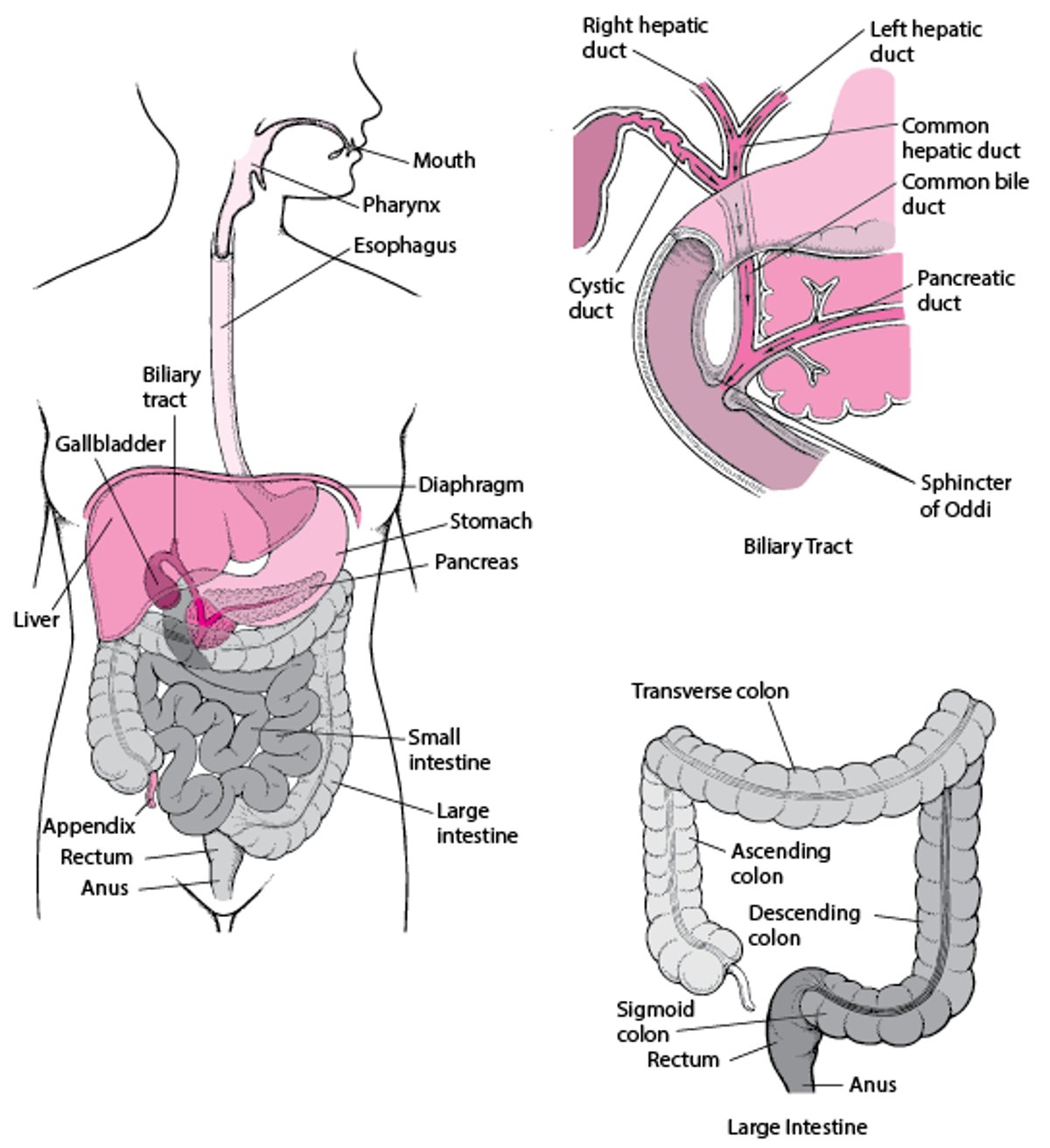
Normally, foods are digested and nutrients are absorbed into the bloodstream mainly in the small intestine. Malabsorption may occur if a disorder interferes with the digestion of food or interferes directly with the absorption of nutrients.

Digestion can be affected by disorders that prevent adequate mixing of food with digestive enzymes and acid from the stomach. Inadequate mixing may occur in a person who has had part of the stomach surgically removed. In some disorders, the body produces inadequate amounts or types of digestive enzymes, which are necessary for the breakdown of food. For example, a common cause of malabsorption is insufficient production of digestive enzymes by the pancreas, as occurs with some pancreatic diseases, or by the small intestine, as occurs in lactase deficiency. Decreased production of bile, too much acid in the stomach, or too many of the wrong kinds of bacteria growing in the small intestine may also interfere with digestion.

Absorption of nutrients into the bloodstream can be affected by disorders that injure the lining of the small intestine. The normal lining consists of small projections called villi and even smaller projections called microvilli, which create an enormous surface area for absorption. Surgical removal of a large section of the small intestine substantially reduces the surface area for absorption (short bowel syndrome). Infections (bacterial, viral, or parasitic), drugs such as neomycin and alcohol, celiac sprue, and Crohn's disease all may injure the intestinal lining. Disorders that affect the remaining layers of the intestinal wall, such as blockage of the lymph vessels by lymphoma (cancer of the lymphatic system) or poor blood supply to the small intestine, also reduce absorption.

Symptoms

Symptoms of malabsorption are caused by the increased passage of unabsorbed nutrients through the digestive tract or by the nutritional deficiencies that result from inadequate absorption.

The inadequate absorption of fats in the digestive tract results in stool that is light-colored, soft, bulky, and unusually foul smelling (such stool is called steatorrhea). The stool may float or stick to the side of the toilet bowl and be difficult to flush away. The inadequate absorption of certain sugars can cause explosive diarrhea, abdominal bloating, and flatulence.

Malabsorption can cause deficiencies of all nutrients or selective deficiencies of proteins, fats, sugars, vitamins, or minerals. People with malabsorption usually lose weight. The symptoms vary depending on the specific deficiencies. For example, a protein deficiency can cause swelling (edema) anywhere throughout the body, dry skin, and hair loss.

Symptoms of Nutrient Deficiencies

Nutrient

Symptoms

Calcium

Bone pain and deformities; greater likelihood of fractures (due to bone thinning or osteoporosis); muscle spasms; tooth discoloration and greater susceptibility to painful tooth decay

Folate (folic acid)

Fatigue and weakness (due to anemia)

Iron

Fatigue and weakness (due to anemia)

Magnesium

Muscle spasms

Niacin

Diarrhea; skin disorders; confusion (pellagra); sore tongue

Protein

Tissue swelling (edema), usually in legs; dry skin; hair loss

Vitamin A

Night blindness

Vitamin B1

Pins-and-needles sensation, especially in the feet; heart failure

Vitamin B2

Sore tongue; cracks at edge of mouth

Vitamin B12

Fatigue and weakness (due to anemia); pins-and-needles sensation; confusion

Vitamin C

Weakness; bleeding gums

Vitamin D

Bone thinning; bone pain

Vitamin K

Tendency to bruise and bleed

Diagnosis

A doctor suspects malabsorption when a person has chronic diarrhea, nutritional deficiencies, and substantial weight loss despite a healthy diet. Malabsorption is less obvious and often more difficult to recognize in older people than in younger people.

Laboratory tests can help confirm the diagnosis. Tests that directly measure fat in stool samples collected over 2 or 3 days are the most reliable ones for diagnosing malabsorption of fat, which is present in almost all malabsorption disorders. A finding of more than 7 grams of fat in the stool daily is the hallmark of malabsorption. Several other tests for measuring fat in stool are available that do not require the messy 3-day collection of stool. Other laboratory tests can detect malabsorption of other specific substances, such as lactose or vitamin B12.

Stool samples are examined with the unaided eye as well as under the microscope. Undigested food fragments may mean that food passes through the intestine too rapidly. In a person with jaundice, stool with excess fat indicates decreased production or secretion of bile. Sometimes parasites or their eggs are seen under the microscope, suggesting that malabsorption is caused by a parasitic infection.

A biopsy may be needed to detect abnormalities in the lining of the small intestine. The tissue is removed through an endoscope (a flexible viewing tube equipped with a light source and a small clipper) passed through the mouth and into the small intestine.

Pancreatic function tests are performed if the doctor thinks that the cause of malabsorption may be the insufficient production of digestive enzymes by the pancreas. However, some of these tests are complex, time-consuming, and invasive. In one test, a tube is passed through the mouth and guided to the small intestine, so that intestinal fluids containing pancreatic secretions can be collected and measured. In another test, the person swallows a substance that requires pancreatic enzymes for its digestion. The products of digestion are then measured in the urine.

Last full review/revision December 2007 by Atenodoro R. Ruiz, Jr., MD

Back to Top

Next: Bacterial Overgrowth Syndrome

Audio
Figures
Photographs
Pronunciations
Tables
Videos
Contact UsSite MapAccessibility StatementPrivacy PolicyTerms of UseCopyright 1995-2009 Merck & Co., Inc.