





Levator syndrome is sporadic pain in the rectum caused by spasm of a muscle near the anus (the levator ani muscle).
The cause of the spasm of the muscle near the anus is generally not known.
Pain may be brief or may last for several hours.
The diagnosis is based on an examination.
Treatment includes pain relievers and sitz baths and sometimes physical therapy.
The rectum is the section of the digestive tract above the anus where stool is held before it passes out of the body through the anus.
The anus is the opening at the end of the digestive tract where stool leaves the body.
(See also Overview of the Anus and Rectum.)
The Digestive System

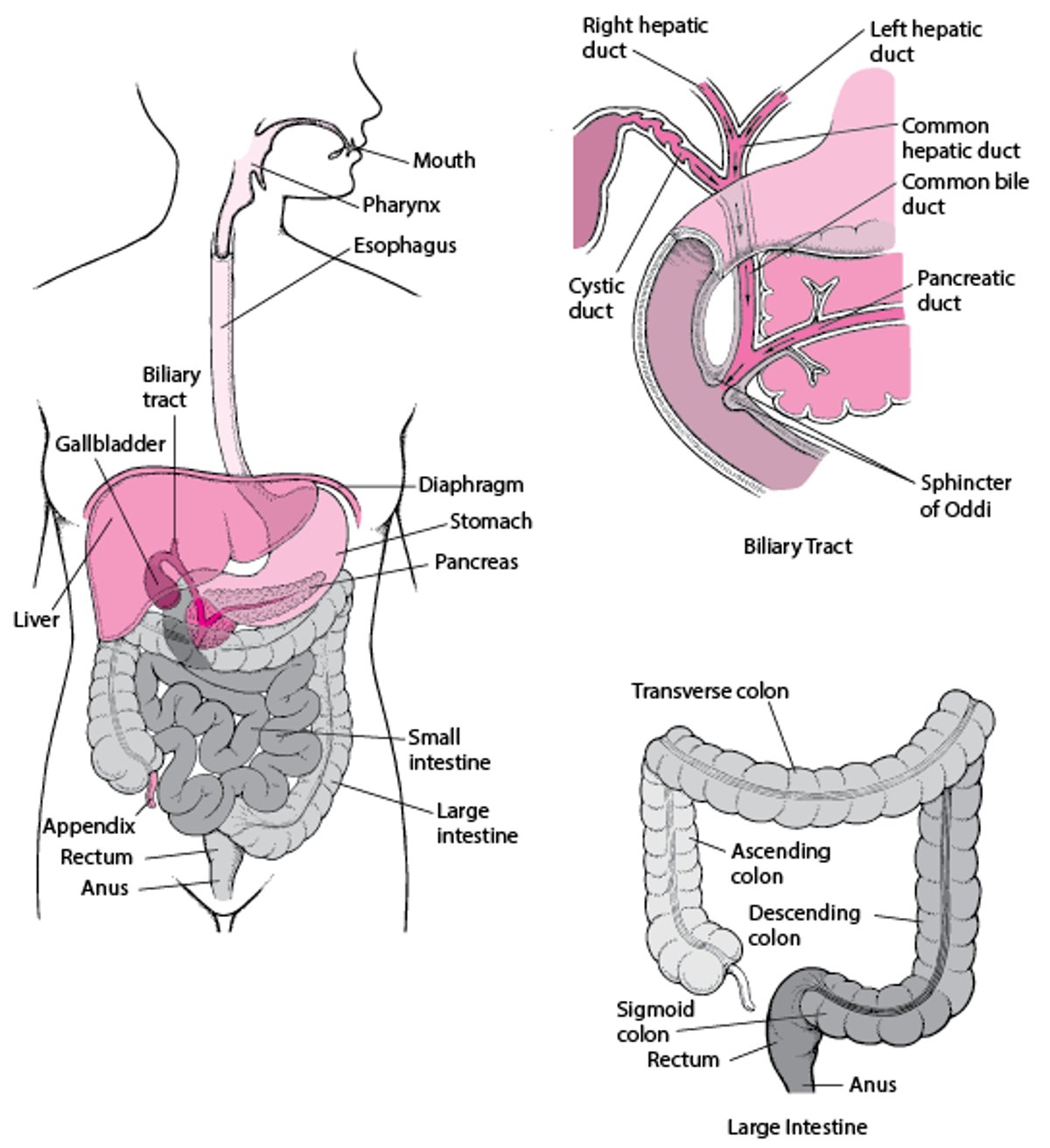
Proctalgia fugax is fleeting pain in the rectum. Coccydynia is pain near the tailbone (coccyx). Both of these disorders are variations of levator syndrome.
It is not known why the levator ani muscle spasms.
Symptoms of Levator Syndrome
The muscle spasm causes pain that typically is not related to defecation. The pain usually lasts less than 20 minutes. Pain may be brief and intense or a vague ache high in the rectum. It may occur spontaneously or with sitting and can waken a person from sleep. The pain may feel as if it would be relieved by the passage of gas or a bowel movement.
In severe cases, the pain can persist for many hours and can recur frequently.
A person may have undergone various unsuccessful rectal operations to relieve these symptoms.
Diagnosis of Levator Syndrome
A doctor's examination
A doctor does a physical examination to rule out other painful rectal conditions (such as thrombosed hemorrhoids, fissures, or abscesses). The physical examination is often normal, but the muscle may be tender or tight.
Occasionally, the pain is caused by low back or prostate disorders.
Treatment of Levator Syndrome
Pain relievers and sitz baths
Physical therapy of the pelvis
The doctor explains that this condition is not life-threatening or severe.
When the symptoms of levator syndrome are more intense, people can undergo physical therapy of the pelvis.


