





The liver produces bile, a greenish yellow, thick, sticky fluid. Bile aids digestion by making cholesterol, fats, and fat-soluble vitamins easier to absorb from the intestine. Bile also helps eliminate certain waste products (mainly bilirubin and excess cholesterol) and by-products of drugs from the body.
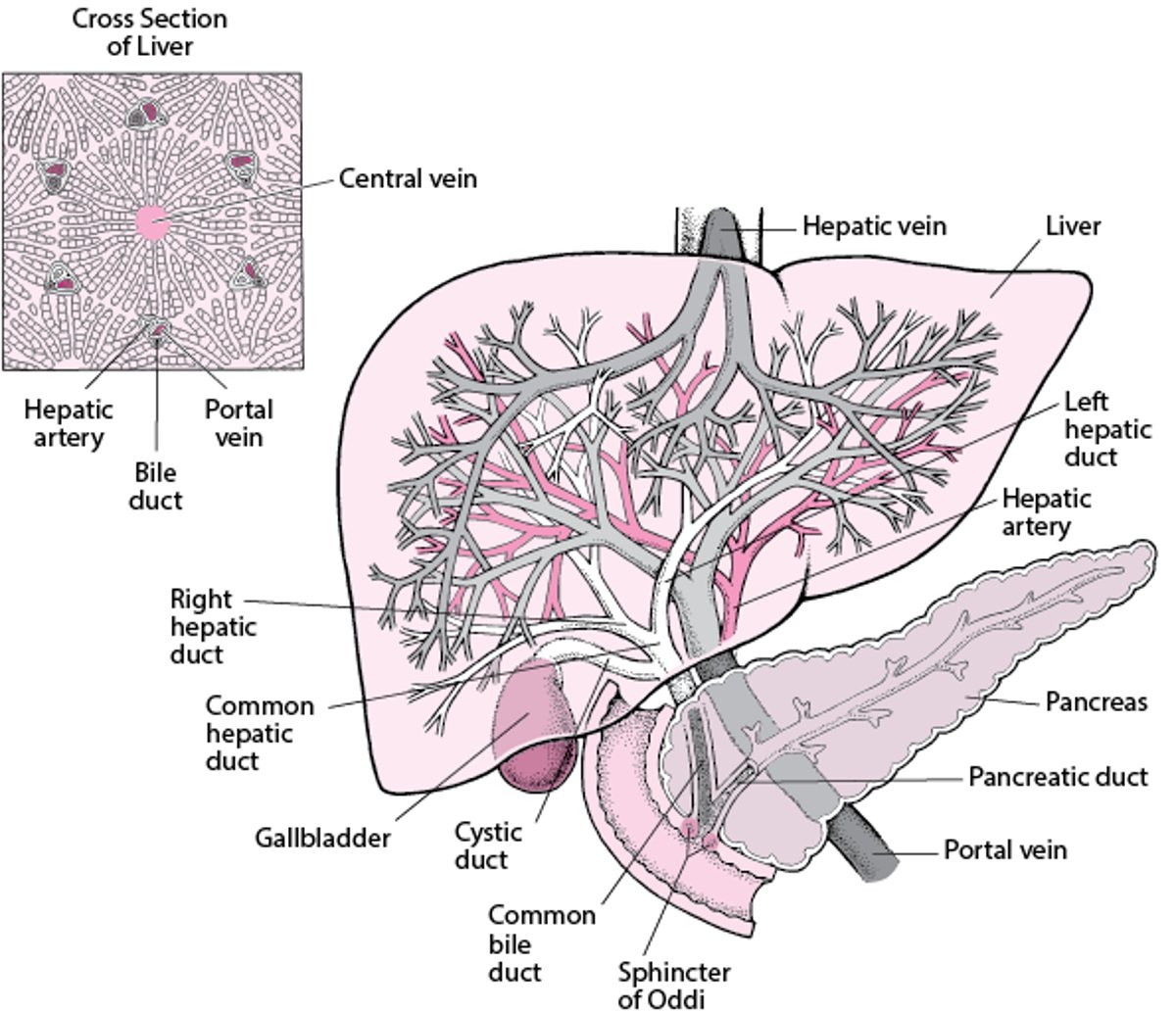
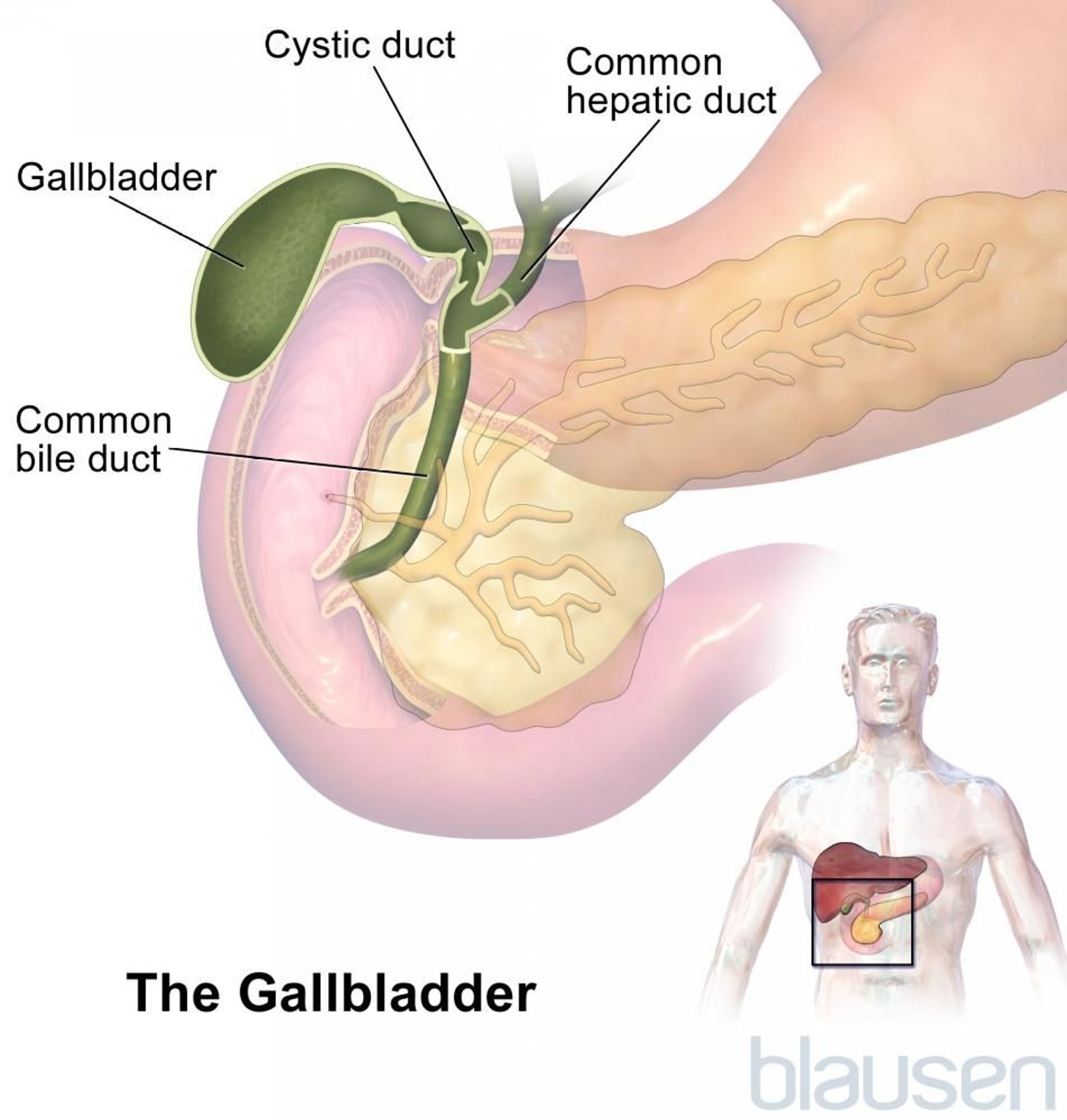
The biliary tract consists of small tubes (ducts) that carry bile from the liver to the gallbladder and then to the small intestine. The gallbladder is a small, pear-shaped sac located beneath the liver. It stores bile. When bile is needed, as when people eat, the gallbladder contracts, pushing bile through the bile ducts into the small intestine.
View of the Liver, Bile Ducts, and Gallbladder


The flow of bile can be blocked by the following:
Gallstones that pass out of the gallbladder into the ducts
Injury to the bile ducts during gallbladder surgery
Narrowing of the bile ducts caused by factors such as AIDS-related infections and primary sclerosing cholangitis
Disorders of the pancreas, which can narrow the bile ducts as they pass through the pancreas
If the bile ducts are blocked, the gallbladder may become inflamed (cholecystitis).
Biliary pain without gallstones (acalculous biliary pain) can also occur.
More Information
The following English-language resources may be useful. Please note that THE MANUAL is not responsible for the content of these resources.
International Foundation for Gastrointestinal Disorders (IFFGD): A reliable resource that helps people with gastrointestinal disorders manage their health.
National Institute of Diabetes and Digestive and Kidney Diseases (NIDDK): Comprehensive information on how the digestive system works and links to related topics, such as research and treatment options.


