





Systemic treatments are those that have effects throughout the body rather than being applied directly to the cancer. Chemotherapy is a form of systemic treatment that uses drugs to kill cancer cells or to stop them from growing.
Systemic cancer therapy includes
Hormonal therapy
Chemotherapy (anti-cancer drugs)
Targeted drug therapy
Immune therapy
Gene therapy
Various other drugs for cancer
Immunotherapy is a systemic cancer treatment that stimulates the body's immune system against cancer (see Immunotherapy for Cancer).
The number of approved cancer therapies is increasing rapidly. The National Cancer Institute maintains an up-to-date list of drugs used to treat cancer. The list provides a brief summary of each drug's uses and links to additional information.
Not all cancers respond to chemotherapy. The type of cancer determines which drugs are used, in what combination, and at what dose and schedule. Chemotherapy may be used as the sole treatment or combined with radiation therapy, surgery, or immune therapy (see also Cancer Treatment Principles).
Hormonal Therapy for Cancer
Hormones are proteins produced by endocrine glands that affect activities of target tissues and organs. Hormones serve as messengers, controlling and coordinating activities throughout the body. Some cancers grow and spread more when they are exposed to certain hormones. Consequently, reversing the effects of these hormones may control some hormone-dependent cancers. However, these drugs also can cause symptoms of hormone deficiency.
For example, prostate cancer grows faster when exposed to the male sex hormone testosteronepituitary gland from stimulating the testes to make testosteronetestosterone. These hormonal therapy drugs do not cure prostate cancer, but they can slow the growth and spread of prostate cancer. However, these drugs also may cause symptoms of testosterone deficiency, such as hot flashes, osteoporosis, loss of energy, reduction in muscle mass, fluid weight gain, reduction of libido, decrease in body hair, erectile dysfunction, and breast enlargement.
Some breast cancers grow faster when exposed to the female sex hormones estrogen and/or progesteroneestrogen receptors and inhibit the growth of breast cancers with estrogenestrogen and have a similar benefit.
Hormonal therapy may be used alone or combined with other types of cancer therapy.
Chemotherapy
Chemotherapy involves the use of drugs to destroy cancer cells. Although an ideal drug would destroy cancer cells without harming normal cells, most drugs are not that selective. Instead, drugs are designed to inflict greater damage on cancer cells than on normal cells, typically by using drugs that affect a cell's ability to grow. Uncontrolled and rapid growth is characteristic of cancer cells. However, because normal cells also need to grow, and some grow quite rapidly (such as those in the bone marrow and those lining the mouth and intestine), all chemotherapy drugs affect normal cells and cause side effects.
Chemotherapy is used to cure cancer. It may also decrease the chance that cancer will return, slow the growth of a cancer, or shrink tumors that are causing pain or other problems.
Although a single chemotherapy drug may be effective against some types of cancer, often doctors give several chemotherapy drugs at the same time (combination chemotherapy).
High-dose chemotherapy
In an attempt to increase the tumor-destroying effects of cancer drugs, the dose may be increased. Sometimes the rest period between cycles of chemotherapy may be decreased. High-dose chemotherapy, with shortened rest periods, is routinely used in many cancers such as leukemias, lymphomas, lung cancers, pancreas cancers, digestive system cancers, breast cancers, and others.
High-dose chemotherapy is sometimes used to treat people whose cancer has recurred after standard-dose chemotherapy, particularly for people with myeloma, lymphoma, and leukemia. However, high-dose chemotherapy can cause life-threatening injury to the bone marrow. Therefore, high-dose chemotherapy is commonly combined with strategies to protect the bone marrow (rescue). In bone marrow rescue, bone marrow cells are harvested before the chemotherapy and returned to the person after chemotherapy. In some cases these cells can be isolated from the bloodstream rather than from the bone marrow and can be infused back into the person after chemotherapy to restore bone marrow function.
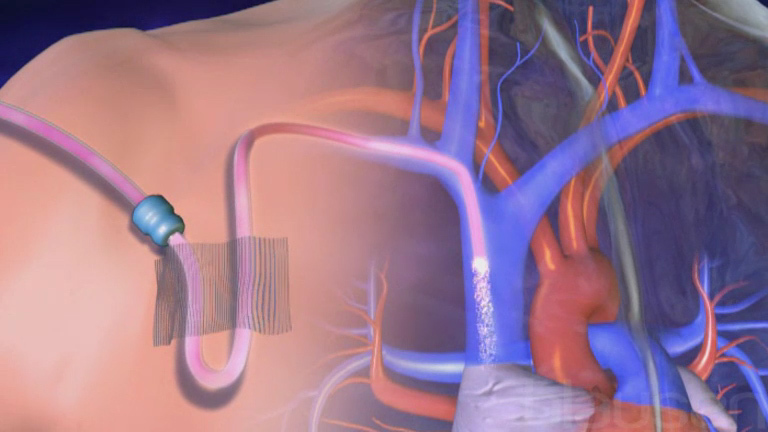
Targeted Drugs
Gene Therapy
Because changes (mutations) of genes cause cancer, researchers are looking at ways to manipulate genes to fight cancer.
One form of gene therapy involves genetically modifying T cells (a type of immune cell)—see also Modified T cells. Doctors remove T cells from a person's blood and genetically modify them to recognize that person's specific cancer. When the modified T cells, called chimeric antigen receptor cells or CAR-T-cells, are put back in the person's bloodstream, they attack the cancer. CAR-T-cells can be used in people with acute lymphoblastic leukemia, multiple myeloma, and lymphoma.
New, still-experimental, techniques allow scientists to insert new genes into a cells, switch off abnormal genes, or increase the activity of helpful genes (see also Gene Therapy). Doctors hope these techniques may one day be useful for treating cancer.
Other Drugs
Cancer cells are immature and grow rapidly, so one type of drug promotes the more rapid maturation (differentiation) of cancer cells to slow the growth of the tumor. These differentiating drugs may only be effective for a short time, so they are often used in combination chemotherapy.
Still other drugs target the pathways cancer cells use to signal additional cells to form or grow.


