





Ehrlichiosis and anaplasmosis are tick-borne bacterial infections that cause fever, chills, muscle aches, headache, a general feeling of illness (malaise), and sometimes a rash.
Symptoms of ehrlichiosis and anaplasmosis are similar, but anaplasmosis is less likely to cause a rash.
The polymerase chain reaction (PCR) technique, done on a sample of blood, enables doctors to detect the bacteria rapidly.
Ehrlichiosis and anaplasmosis are treated with an antibiotic.
Avoiding tick bites is the best way to prevent the infection.
Ehrlichia and Anaplasma bacteria, like rickettsiae, can live only inside the cells of an animal or a person. However, unlike rickettsiae, these bacteria inhabit white blood cells (Ehrlichia in monocytes and Anaplasma in granulocytes).
Ehrlichiosis is most common in the southeastern and south central United States. Anaplasmosis occurs in the Northeast, mid-Atlantic states, upper Midwest, and West Coast of the United States. Anaplasmosis also occurs in Europe. Infection is spread to people through tick bites. Thus, these infections are most likely to develop between spring and late fall, when ticks are most active.
These infections are transmitted by different ticks:
Ehrlichiosis: The lone star tick (Amblyomma americanum)
Anaplasmosis: The deer tick (Ixodes species)

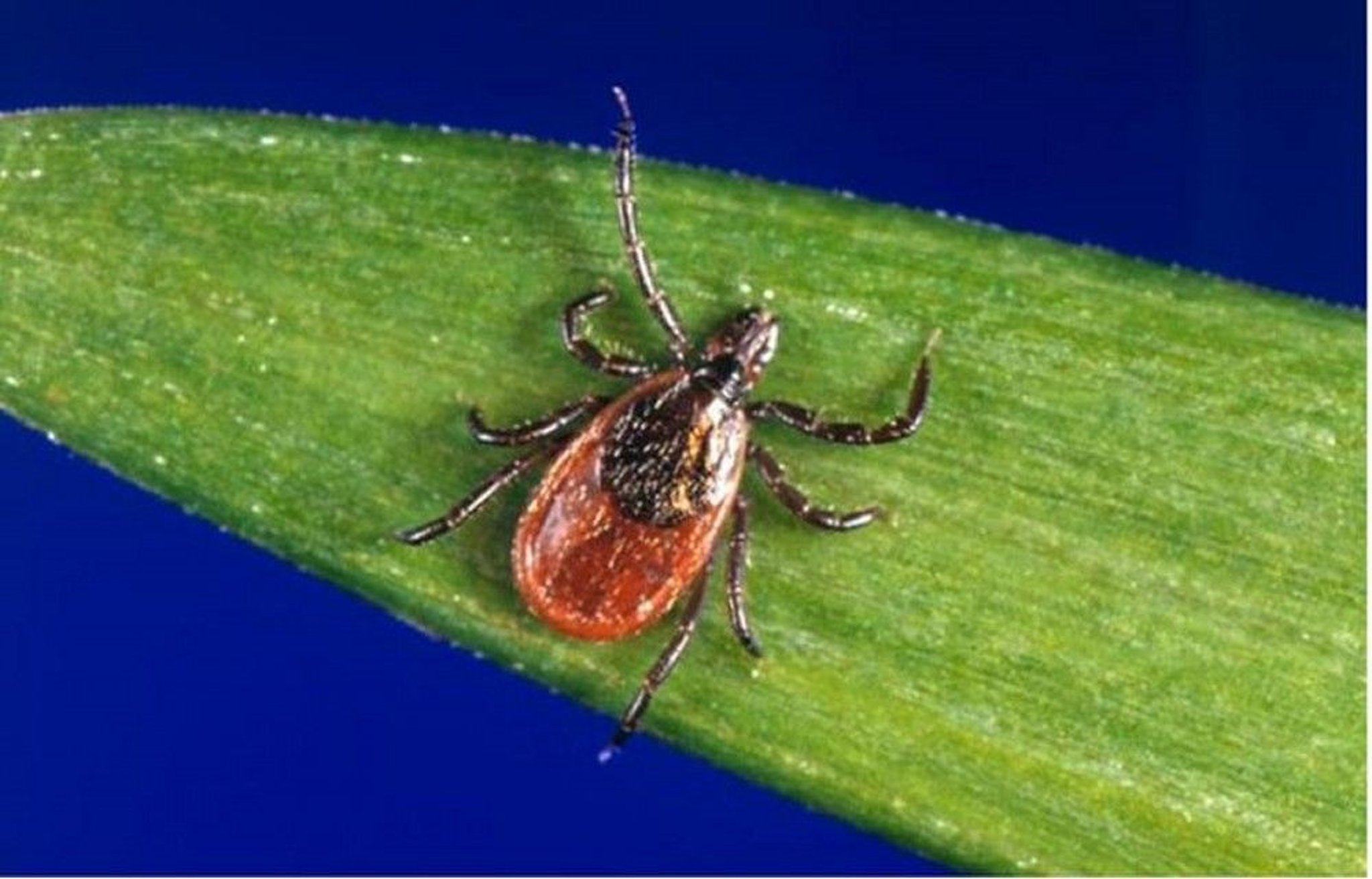
Image courtesy of James Gathany via the Public Health Image Library of the Centers for Disease Control and Prevention.
Lyme disease and babesiosis are also carried by Ixodes (hard-bodied) ticks and are common in the same areas. Consequently, people may get more than one infection if they are bitten by a tick infected with more than one organism.
Because Ehrlichia and Anaplasma bacteria infect white blood cells, which circulate in the bloodstream, these bacteria may be transmitted through blood transfusions or organ transplantation. A few people have developed anaplasmosis after they had a blood transfusion from a person who had been recently infected or who was infected but had no symptoms.
Symptoms of Ehrlichiosis and Anaplasmosis
Symptoms of ehrlichiosis and anaplasmosis are similar. Symptoms usually begin about 12 days after a tick bite. Symptoms begin suddenly. They include fever, chills, muscle aches, weakness, nausea and/or vomiting, cough, headache, and malaise.
A rash may develop on the torso, arms, and legs in some people with ehrlichiosis but is uncommon in people with anaplasmosis. Some people have no symptoms.
Ehrlichiosis and anaplasmosis may cause widespread blood clotting (disseminated intravascular coagulation), severe malfunction (failure) of several organs, seizures, and coma.
Symptoms of both infections are more severe in people with a weakened immune system (due to a disorder such as HIV infection or to medications such as corticosteroids). Death is uncommon but is more likely to occur in people with a weakened immune system or who are not treated soon enough.
Diagnosis of Ehrlichiosis and Anaplasmosis
Blood tests
Doctors do blood tests, which may detect a low white blood cell count, a low platelet count (thrombocytopenia), a high level of liver enzymes, and abnormal blood clotting. But these findings occur in many other disorders.
The polymerase chain reaction (PCR) technique may be done. A sample of blood is used. The PCR technique increases the amount of the bacteria’s DNA and thus enables doctors to identify the bacteria more rapidly.
Blood tests to check for antibodies to these bacteria may be helpful, but these test usually cannot detect the antibodies until several weeks after the illness began.
Treatment of Ehrlichiosis and Anaplasmosis
Antibiotics
If people who may have been exposed to infected ticks have typical symptoms, treatment for ehrlichiosis or anaplasmosis is usually started before test results are available. When treatment is started early, most people respond rapidly and well. A delay in treatment may lead to serious complications, including death in 2 to 5% of people.
Centers for Disease Control and Prevention (CDC): Research on doxycycline and tooth staining).
Some people continue to have headaches and feel weak and generally unwell for weeks after treatment.
Prevention of Ehrlichiosis and Anaplasmosis
To prevent these disorders, people should take measures to prevent tick bites. (See also the Centers for Disease Control and Prevention: Preventing tick bites.)
Preventing tick access to skin includes
Staying on paths and trails
Tucking trousers into boots or socks
Wearing long-sleeved shirts
Applying repellents with diethyltoluamide (DEET) to skin surfaces
Engorged ticks should be removed with care and not crushed between the fingers because crushing the tick may result in disease transmission. The tick’s body should not be grasped or squeezed. Gradual traction on the head with a small forceps dislodges the tick. The point of attachment should be swabbed with alcohol. Petroleum jelly, lit matches, and other irritants are not effective ways to remove ticks and should not be used.
No practical means are available to rid entire areas of ticks. However, the number of ticks may be reduced in areas where it is common by making the environment less appealing to the animals that carry the ticks. For example, people can make areas less appealing to mice by removing wood piles and leaf litter and clearing tall grasses and brush around homes, especially play areas. Mice can hide and nest in such places.


