





A blister (bulla, or, when small, a vesicle) is a bubble of fluid that forms beneath a thin layer of dead skin. The fluid is a mixture of water and proteins that oozes from injured tissue. Blisters most commonly form in response to a specific injury, such as a burn or irritation, and usually involve only the topmost layers of skin. These blisters heal quickly, usually without leaving a scar. Blisters that develop as part of a systemic (bodywide) disease may start in the deeper layers of the skin and cover widespread areas. These blisters heal more slowly and may leave scars.
Many diseases and injuries can cause blistering, but 3 autoimmune diseases are among the most serious:
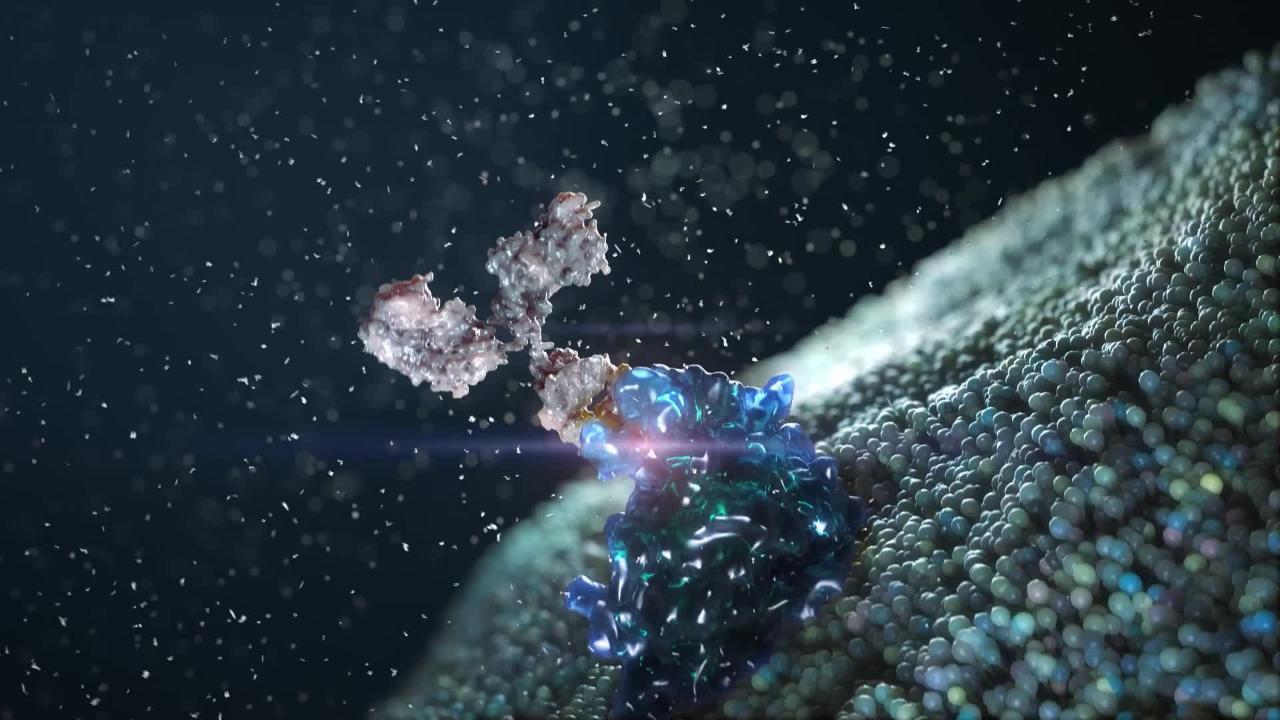
In an autoimmune disorder, the body’s immune system, which normally protects the body against foreign invaders, mistakenly attacks the body’s own tissues—in this case, the skin. Other autoimmune blistering disorders include
Epidermolysis bullosa
Epidermolysis bullosa acquisita
Linear immunoglobulin A disease
Pemphigus foliaceous
Other blistering disorders include staphylococcal scalded skin syndrome, toxic epidermal necrolysis, severe cellulitis, and certain drug rashes.
Although burns and repeated friction (for example, from wearing tight shoes or using a shovel for a long time) are a common cause of blisters, these are not considered blistering disorders.
More Information
The following English language resource may be useful. Please note that THE MANUAL is not responsible for the content of this resource.
National Organization for Rare Disorders: Information about autoimmune blistering diseases, including links to resources and supporting organizations


