





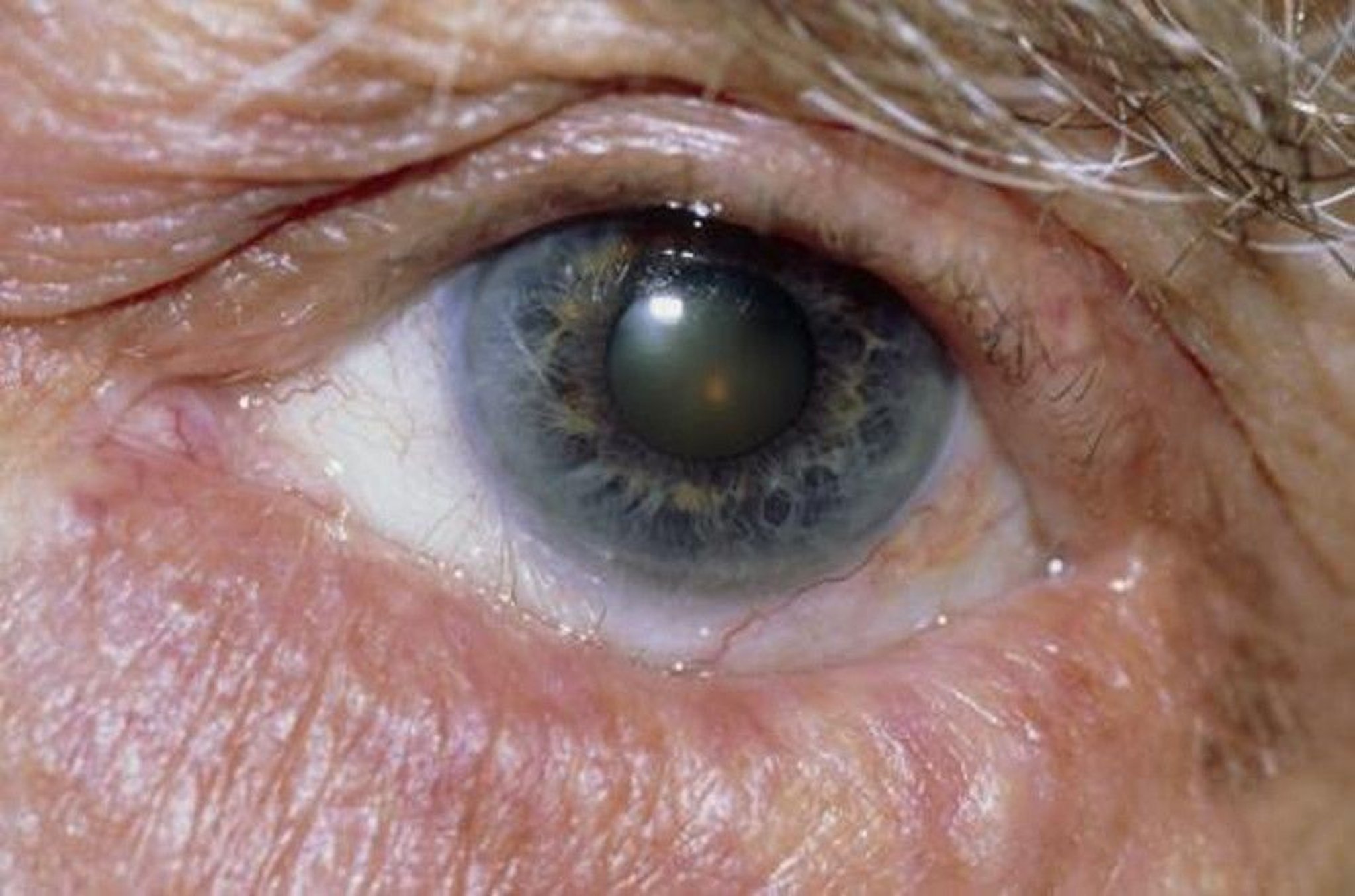
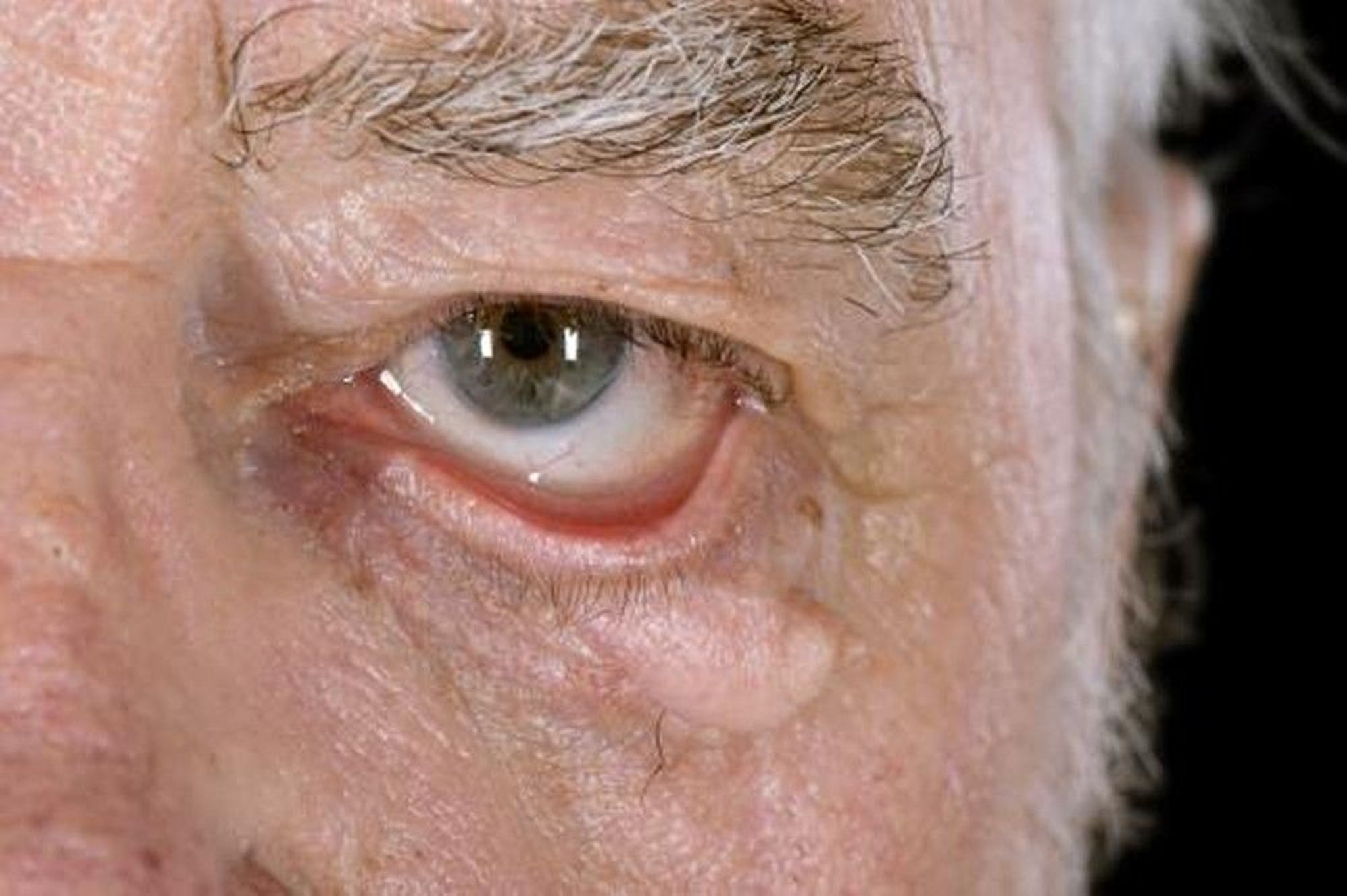
Entropion is a condition in which the eyelid is turned inward (inverted), causing the eyelashes to rub against the eyeball. Ectropion is a condition in which the eyelid is turned outward (everted) so that its edge does not touch the eyeball.

SCIENCE PHOTO LIBRARY

MID ESSEX HOSPITAL SERVICES NHS TRUST/SCIENCE PHOTO LIBRARY
Normally, the upper and lower eyelids close tightly, protecting the eye from damage and preventing tear evaporation. If the edge of one eyelid turns inward (entropion), the eyelashes rub against the eye, which can lead to ulcer formation and scarring of the cornea. If the edge of one eyelid turns outward (ectropion), the upper and lower eyelids cannot meet properly, and tears are not spread over the eyeball.
These conditions are more common among older adults (generally the result of increased tissue relaxation with age); among people with eye changes caused by infection, autoimmune disease, surgery, or injury; and among people who have blepharospasm. Ectropion can also occur in people with Bell palsy.
Symptoms of Entropion and Ectropion
Diagnosis of Entropion and Ectropion
Symptoms and a doctor's examination
A doctor bases the diagnosis of both entropion and ectropion on the symptoms and examination findings.
Treatment of Entropion and Ectropion
Artificial tears and eye ointments
Sometimes surgery
In people with entropion or ectropion, artificial tears and eye lubricant ointments (for use overnight) can be used to keep the eye moist and soothe the irritation. Entropion and ectropion can be treated surgically—for instance, to preserve sight if damage to the eyes (such as corneal ulcer with entropion) is likely or has occurred, for comfort, or for cosmetic reasons.


