





Herpes simplex keratitis is an eye infection that involves the cornea (the clear layer in front of the iris and pupil) and is caused by herpes simplex virus. The infection commonly recurs and may lead to decreased sensation in or scarring of the cornea. In some cases, vision is impaired.
Eye pain, tearing, redness, a feeling like a foreign object is in the eye (foreign body sensation), and sensitivity to bright light are common symptoms.
Doctors diagnose herpes simplex keratitis based on an examination of the person's cornea and sometimes by swabbing the eye to identify the virus.
Treatment is with antiviral drugs.
An Inside Look at the Eye

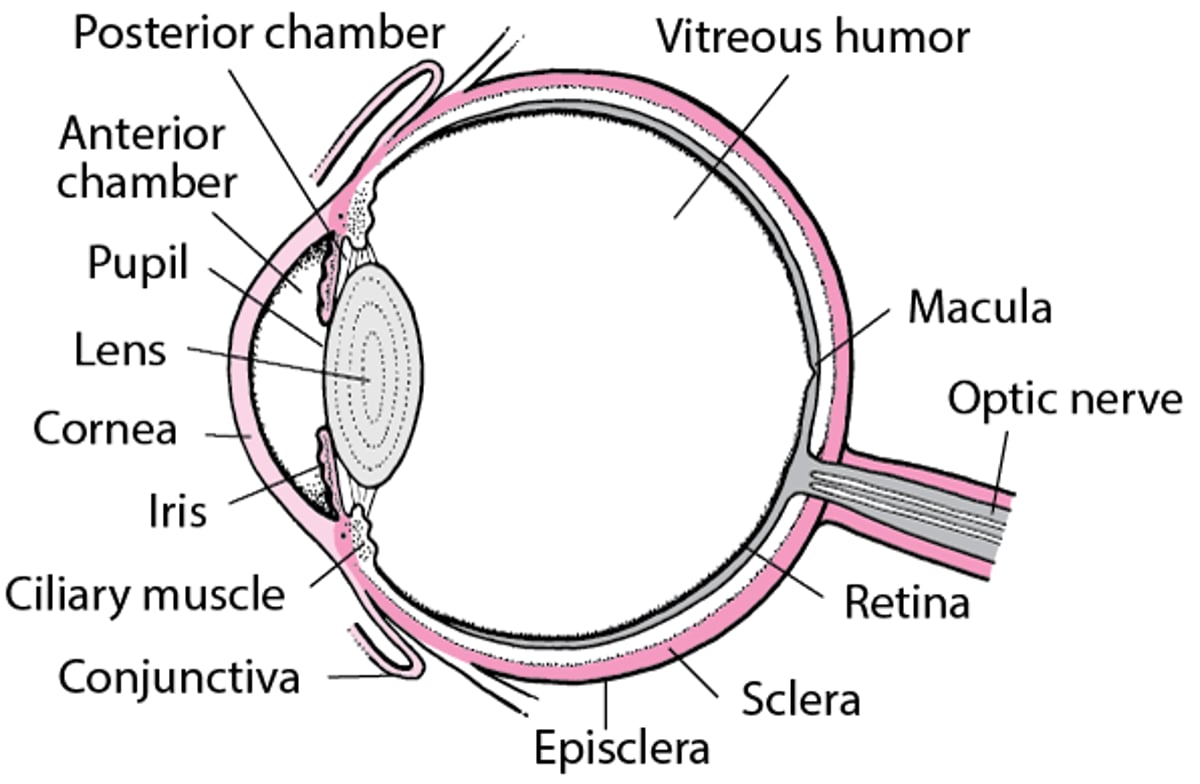
The herpes simplex virus (which causes cold sores) never leaves the body after an initial (primary) infection. Instead, the virus remains in a dormant (inactive) stage in the nerves. Sometimes, the virus reactivates and causes a recurrence and further symptoms.
Primary herpes simplex eye infections usually occur in children and cause a mild keratoconjunctivitis, which is inflammation of the cornea and of the conjunctiva (the membrane that lines the eyelids and covers the white of the eye).
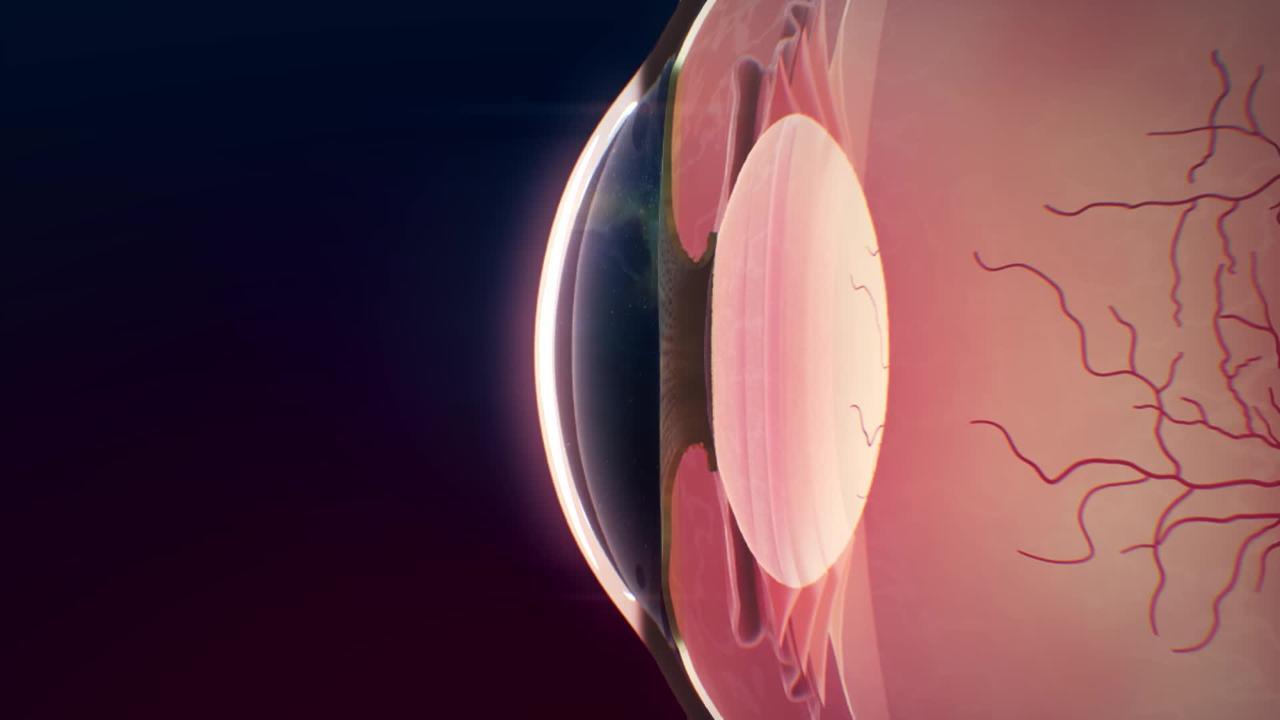
The primary infection resolves without treatment and the inactivated virus hides in the nerve roots. Several types of stress can reactivate the virus:
Exposure to intense light (from the sun or from the lasers used in eye surgery)
Fever
Menstruation
Significant physical stress (for example, burns or broken bones)
Immunosuppression
Use of corticosteroids (hormones or drugs that work with the immune system to stop inflammation )
If the infection reactivates, it can affect the cornea more seriously and may result in temporary or permanent visual loss.
Herpes simplex keratitis is a major cause of blindness worldwide.
Symptoms of Herpes Simplex Keratitis
Symptoms of primary (first) herpes simplex eye infections usually resemble those of common conjunctivitis, so the diagnosis of herpes simplex infection is not made.
Symptoms of a reactivation include tearing, redness, a feeling like a foreign object is in the eye (foreign body sensation), and sensitivity to bright light. Rarely, the infection worsens and the cornea swells, making vision hazy. The more often the infection recurs, the more likely is further damage to the surface of the cornea. Several recurrences may result in the formation of deep ulcers, permanent scarring, blood vessels that grow onto the cornea, and numbness of the eye surface.
With multiple recurrences, the herpes simplex virus can lead to significant visual impairment, which can be permanent.
Diagnosis of Herpes Simplex Keratitis
An eye examination
Sometimes a culture or other laboratory test
To diagnose a herpes simplex infection, a doctor examines the eye with a slit lamp

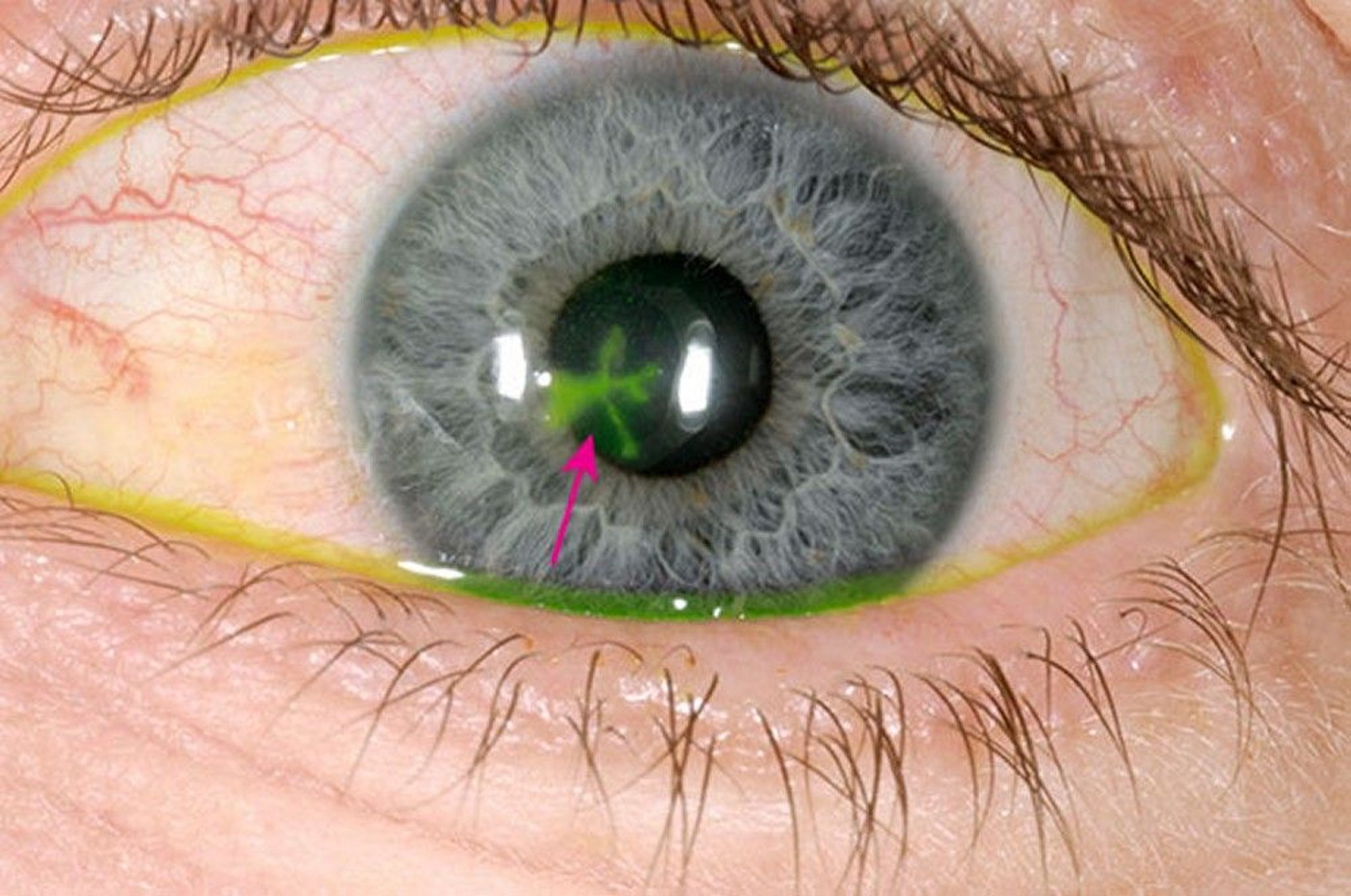
DR P. MARAZZI/SCIENCE PHOTO LIBRARY
Sometimes, the doctor may swab the infected area to identify the virus, using either a viral culture or a nucleic acid amplification test (NAAT). In a viral culture, microorganisms in a sample of blood, body fluid, or other material taken from the infected area are grown in the laboratory for identification. NAATs are used to look for an organism's unique genetic material, its DNA or RNA (which are nucleic acids). NAATs use a process that increases the amount of the bacteria's DNA or RNA so that it can be more easily identified.
Treatment of Herpes Simplex Keratitis
Antiviral eye drops
Antiviral drugs taken by mouth or vein
Corticosteroid eye drops and drops that dilate the pupil
Sometimes removal of infected and damaged eye cells
Treatment of herpes simplex keratitis should be started as soon as possible.
Deep infections that cause a lot of inflammation may require use of corticosteroid drops.
Occasionally, to help speed healing, an ophthalmologist (a medical doctor who specializes in the evaluation and treatment—surgical and nonsurgical—of eye disorders) gently swabs the cornea with a soft cotton-tipped applicator to remove infected and damaged cells.


