Select an Online Manual
THE MERCK MANUAL MEDICAL LIBRARY: The Merck Manual of Medical Information--Home Edition
Tips for better results
ABCDEFGHI
JKLMNOPQR
STUVWXYZ

Section

Subject

Topics

Uveitis

Pronunciations

Uveitis is inflammation anywhere in the pigmented inside lining of the eye, known as the uvea, or uveal tract.

  • The uvea may become inflamed because of infection, a bodywide autoimmune disorder (which causes the body to attack its own tissues), or for unknown reasons.
  • Symptoms may include eye ache, eye redness, floaters, loss of vision, or a combination.
  • Corticosteroids and drops that dilate and relax the pupil in the affected eye usually are prescribed.

The uveal tract consists of three structures: the iris, the ciliary body, and the choroid.

The iris, the colored ring around the black pupil, opens and closes to let more or less light into the eye, just like the shutter in a camera.

The ciliary body is the set of muscles that, by contracting, allows the lens to become thicker so the eye can focus on nearby objects. By relaxing, the ciliary body allows the lens to become thinner so the eye can focus on distant objects.

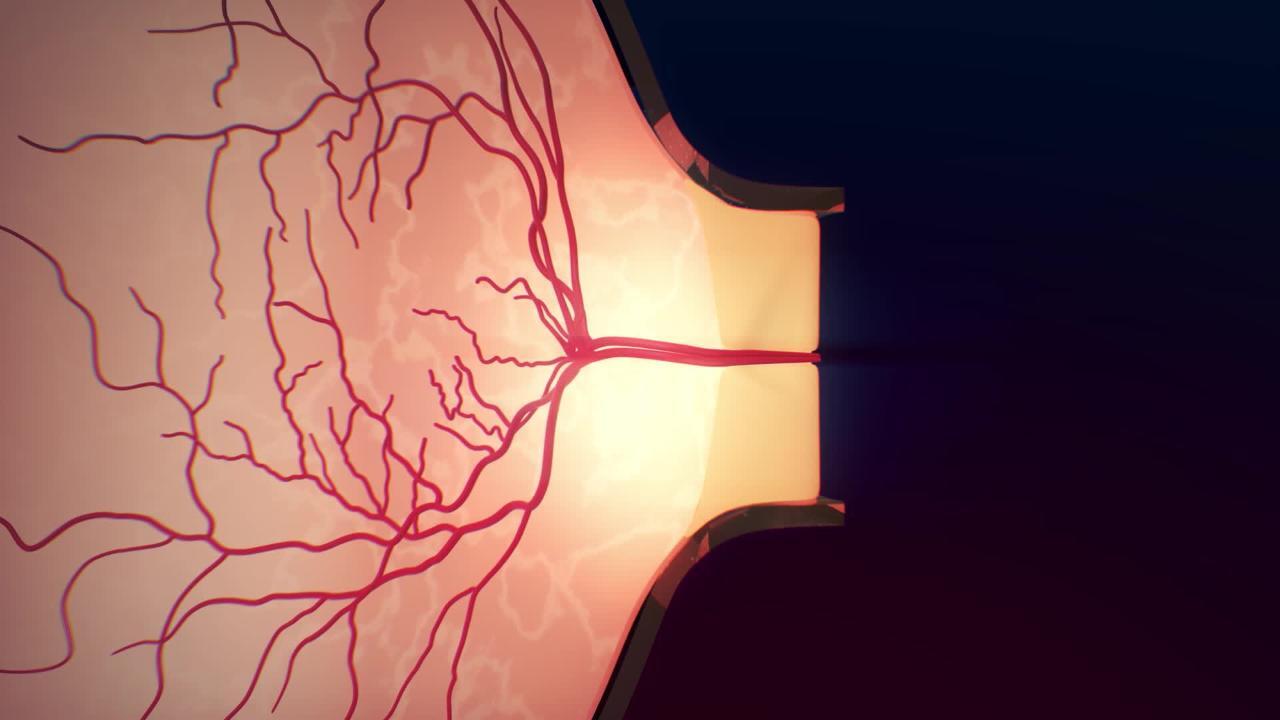
The choroid, the inner lining of the eyeball, extends from the edge of the ciliary muscles to the optic nerve at the back of the eye. The choroid lies between the retina on the inside and the sclera on the outside. The choroid contains layers of blood vessels that nourish the inside parts of the eye, particularly the retina.

A View of the Uvea

A View of the Uvea

Part or all of the uvea may become inflamed. Inflammation limited to part of the uvea is named, according to its location, as anterior uveitis, intermediate uveitis, posterior uveitis, or panuveitis (or inflammation that affects the entire uveal tract). Sometimes, uveitis is referred to by the name of the specific part that is inflamed—for example, iritis (inflammation of the iris), choroiditis (inflammation of the choroid), or chorioretinitis (inflammation that involves both the choroid and the overlying retina). Inflammation of the uvea is limited to one eye in many people with uveitis but may involve both eyes.

The inflammation has many possible causes. Some causes are limited to the eye itself, and others are disorders that affect the entire body. In most people, no cause is identified, and they are said to have idiopathic uveitis. About 40% of people with uveitis have a disease that also affects organs elsewhere in the body. These include inflammatory diseases, such as ankylosing spondylitis and juvenile idiopathic arthritis; sarcoidosis; and widespread infections, such as tuberculosis, syphilis, or Lyme disease. Other possible causes include infections that may affect only the eye, such as herpes (herpes simplex virus) infection, shingles (varicella-zoster virus), toxoplasmosis, and cytomegalovirus–which occurs mainly in people infected by the human immunodeficiency virus (HIV).

Symptoms

The early symptoms of uveitis may be mild or severe, depending on which part of the uvea is affected and the amount of inflammation.

  • Anterior uveitis has the most dramatic symptoms. Severe ache in the eye, redness of the conjunctiva, sensitivity to bright light, and a decrease in vision are typical. A doctor may be able to see prominent blood vessels on the surface of the eye near the edge of the cornea, white blood cells floating in the fluid that fills the front part of the eye (aqueous humor), and deposits of white blood cells on the inside surface of the cornea.
  • Intermediate uveitis is typically painless. Vision may be decreased, and the person may see irregular floating black spots (floaters).
  • Posterior uveitis typically causes decreased vision and floaters. There may also be retinal detachment (early symptoms may include flashing lights, loss of peripheral vision, or blurred vision) and inflammation of the optic nerve (symptoms include loss of vision, which may vary from a small blind spot to total blindness—see Optic Nerve Disorders: Optic Neuritis).
  • Panuveitis may cause any combination of these symptoms.

Uveitis can rapidly damage the eye. It can cause long-term, vision-threatening complications, such as swelling of the macula, glaucoma, and cataracts. Many people have only one episode of uveitis. Others have periodic recurrences over months to years.

Diagnosis and Treatment

A doctor makes the diagnosis based on the symptoms and a physical examination. If the doctor suspects a disease that also affects other organs, appropriate tests are done.

Treatment must start early to prevent permanent damage. Treatment almost always includes using corticosteroids, usually given as eye drops. Drugs to dilate the pupils, such as scopolamine Some Trade Names
TRANSDERM SCOP
or homatropine Some Trade Names
TUSSIGON
drops, are also used. Other drugs may be used to treat specific causes of uveitis. For example, if infection is the cause, drugs may be given to eliminate the infecting organism.

Last full review/revision July 2008 by Emmett T. Cunningham, Jr., MD, PhD, MPH

Back to Top
Audio
Figures
Photographs
Pronunciations
Tables
Videos