





Epiretinal membrane is formation of a thin membrane over the retina, which interferes with vision.
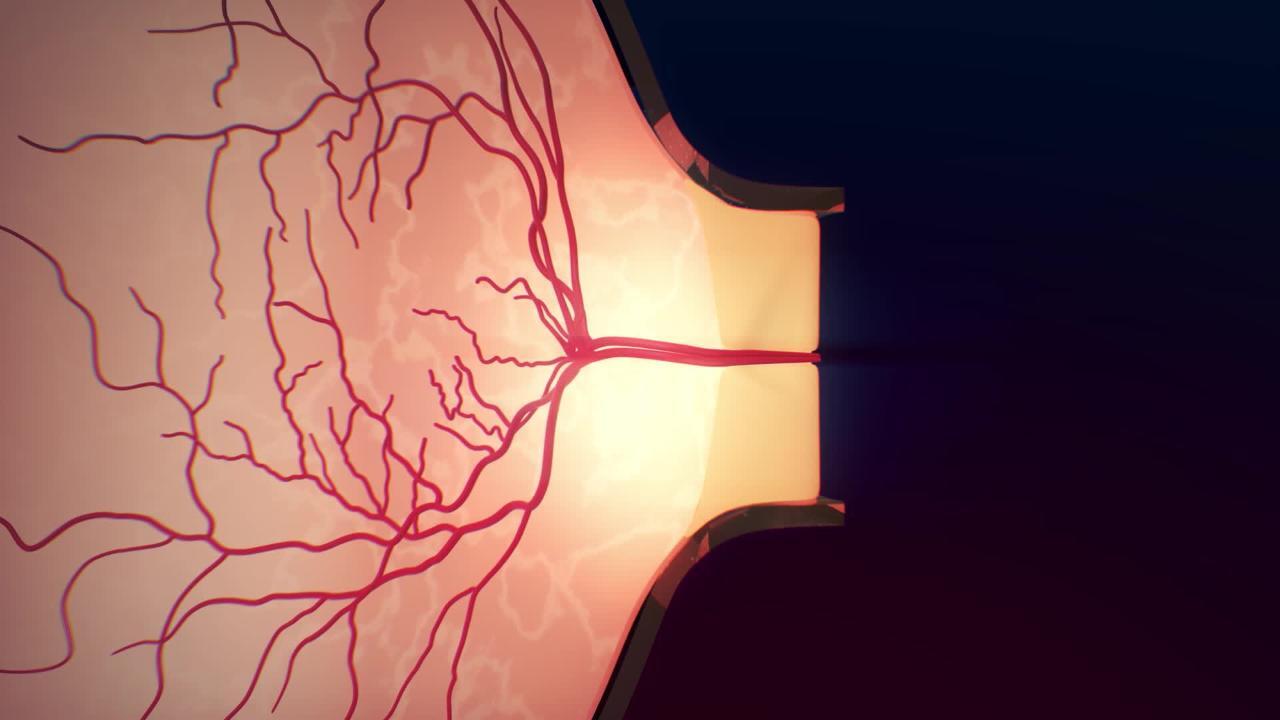
Epiretinal membrane is a thin membrane or layer of scar tissue that forms over the retina (the transparent, light-sensitive structure at the back of the eye) and then contracts, wrinkling the retina underneath. An epiretinal membrane typically occurs after age 50 and is most common among people older than 75.
Various conditions that can cause or contribute to wrinkling of the retina include the following:
Most of the time, however, no clear cause of epiretinal membrane can be identified.
Symptoms of Epiretinal Membrane
Symptoms of epiretinal membrane may include blurred vision or distorted vision (for example, straight lines may appear wavy). Many people say that it seems like they are looking through plastic wrap or cellophane.
Diagnosis of Epiretinal Membrane
A doctor's examination of the eye
Doctors confirm the diagnosis of epiretinal membrane by looking at the back of the eye with an ophthalmoscope. Color photography, , and/or optical coherence tomography (an imaging study) may also be helpful.
Treatment of Epiretinal Membrane
Sometimes vitrectomy with membrane peel
Most people need no treatment. If the blurred or distorted vision is bothersome, the vitreous and membrane can be removed surgically, using a procedure called a vitrectomy with membrane peel. This procedure can be done under local anesthesia in an operating room and usually takes about 30 minutes.
More Information
The following is an English-language resource that may be useful. Please note that THE MANUAL is not responsible for the content of this resource.
National Eye Institute: A resource for learning about eye health (in English and Spanish) for adults and children, as well as access to outreach campaigns. Simply type in the appropriate search term.


