





Orchitis is infection of the testes, most often by a virus such as mumps.
Orchitis is usually caused by a virus.
The testis swells and is painful.
A doctor's examination and urinalysis are used to diagnose orchitis.
Orchitis treatment involves measures to relieve pain.
Orchitis can occur when the epididymis is infected, as part of epididymo-orchitis. When infection involves only the testes, it is called orchitis.
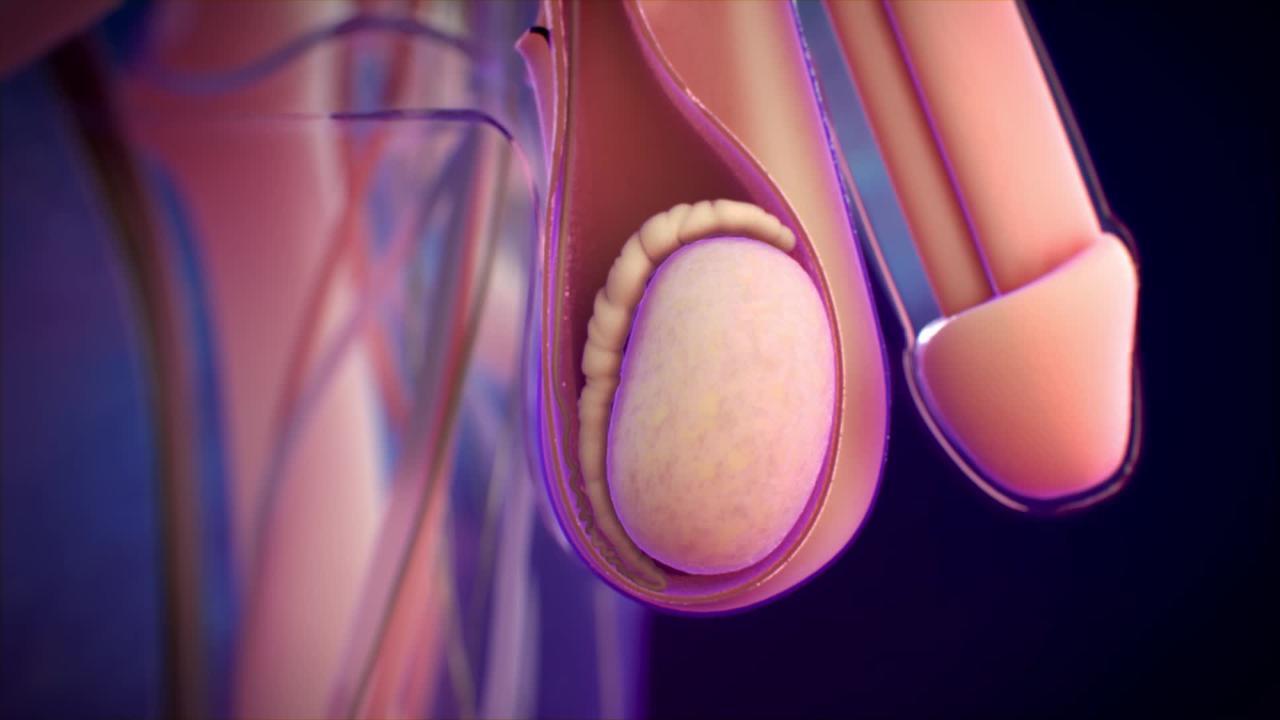
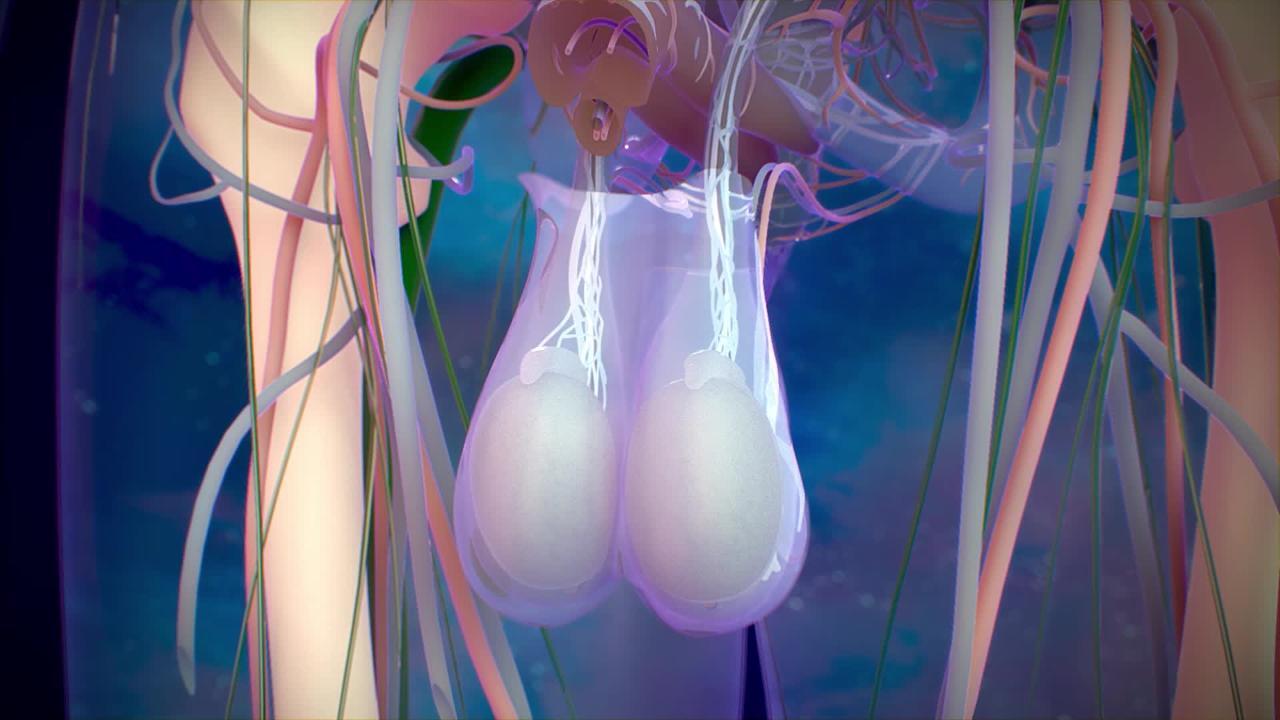
Orchitis is most often caused by a virus, usually the mumps virus. Rarely, it is caused by other infections. About 20 to 25% of men who have mumps develop orchitis. Most cases of mumps orchitis occur in boys younger than 10 years.
Orchitis may affect one testis or both testes. Long term, it may cause the testis to shrink but usually does not decrease production of the male hormone testosterone. Orchitis may diminish fertility, particularly if it affects both testes and/or occurs after puberty. However, infertility is rare.
Symptoms of Orchitis
In boys or men with mumps, orchitis develops between 4 and 7 days after the salivary gland swelling. The testis swells and is painful. Sometimes both testes are affected. Fever, nausea, headache, and muscle aches may also occur.
Diagnosis of Orchitis
A doctor's evaluation
Urinalysis and blood tests
Orchitis is usually diagnosed by physical examination. Sometimes blood tests and urinalysis are done to identify the mumps virus or other infections. Sometimes Doppler ultrasonography is used urgently to assess blood flow to the testes (to rule out testicular torsion, which is an emergency).
Treatment of Orchitis
Pain relief measures
Sometimes antibiotics
Orchitis is usually treated with bed rest, pain relievers, and ice packs applied to the scrotum. Bacterial infections are treated with appropriate antibiotics.


