





Fibrocystic changes of the breast (formerly called fibrocystic breast disease) include breast pain, cysts, and lumpiness that are not due to cancer.
(See also Overview of Breast Disorders and Breast Lumps.)
Most women have some general lumpiness in the breasts, usually in the upper outer part, near the armpit. Many women have this kind of lumpiness, breast pain, breast cysts, or some combination of these symptoms—a condition called fibrocystic changes.
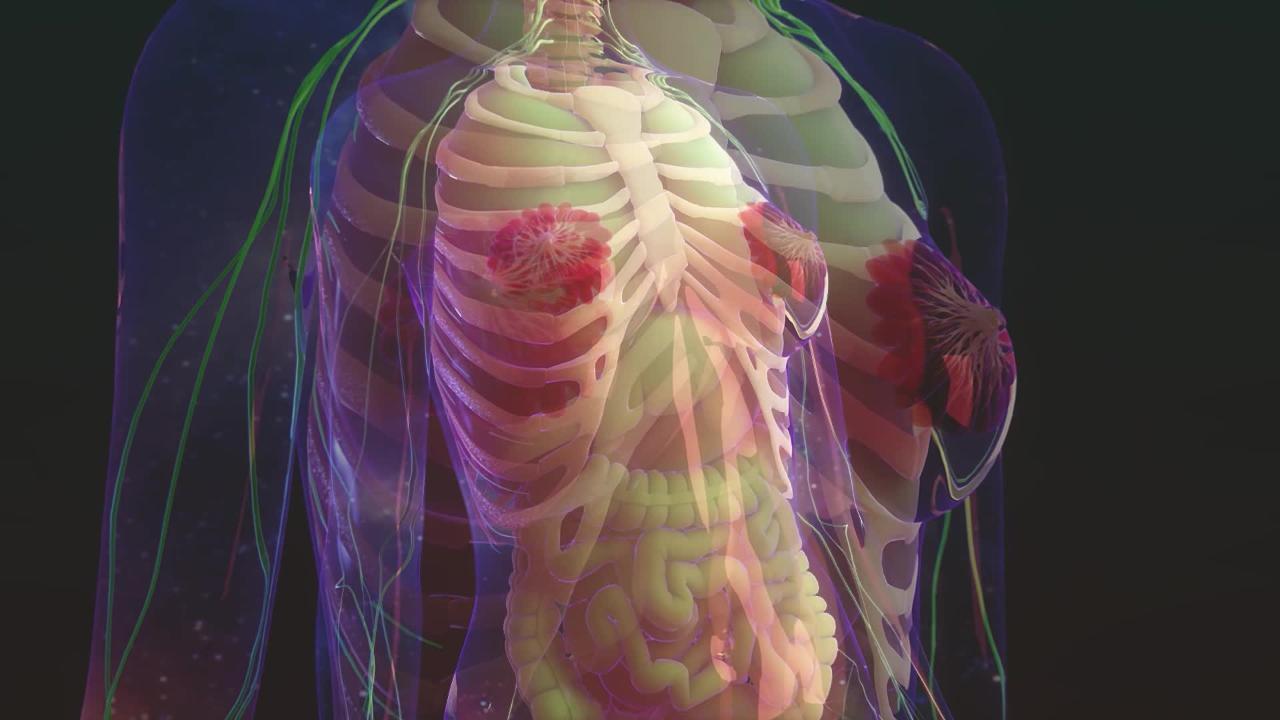
Normally, the levels of the female hormones estrogen and progesterone fluctuate during the menstrual cycle. Milk glands and ducts enlarge and breasts retain fluid when levels increase, and the breasts return to normal when levels decrease. (These fluctuations partly explain why breasts are swollen and more sensitive during a particular time of each menstrual cycle.) Fibrocystic changes may result from repeated stimulation by these hormones.
The following increase the risk of fibrocystic changes, possibly because they involve longer exposure to estrogen:
Starting to menstruate at an early age
Having a first baby at age 30 or later
Never having a baby
Other breast disorders, such as breast infections, can cause fibrocystic changes.
The lumpy areas may enlarge, causing a feeling of heaviness, discomfort, tenderness to the touch, or a burning pain. The symptoms tend to subside after menopause.
Fibrocystic changes do not increase the risk of breast cancer.
Diagnosis of Fibrocystic Breast Changes
Imaging tests
Sometimes biopsy
Mammogram is recommended for screening in women over age 40.
Fibrocystic breast changes include breast lumps and cysts. If a breast lump or other suspicious change in breast tissue is found on breast examination or on imaging done for breast cancer screening, further testing is needed to rule out cancer.
If mammography has not been done yet, ultrasonography is typically done first to try to differentiate solid lumps from cysts, which are rarely cancerous. If the lump appears to be solid, mammography is typically done, followed by a biopsy. In a biopsy, a sample of tissue from an area that appears abnormal or different from other areas is removed and examined under a microscope to rule out cancer. Sometimes the sample can be removed with a needle, but sometimes it must be removed surgically.
Fibrocystic changes may make the breasts appear dense on mammograms and thus may make breast cancer more difficult to detect.
Treatment of Fibrocystic Breast Changes
Sometimes removal of a lump
Sometimes medications to relieve symptoms
If there is only one lump or if one lump appears to be different from other lumps, the lump may be removed.
No specific treatment is available or required for fibrocystic changes, but certain measures may help relieve symptoms:
Wearing a soft, supportive bra, such as an athletic bra
Sometimes cysts are drained, but they may recur.
estrogen


