





Stings by bees, wasps, and hornets are common throughout the United States. Some ants also sting.
Stings by bees, wasps, hornets, and ants usually cause pain, redness, swelling, and itching.
Allergic reactions are uncommon but may be serious.
Stingers should be removed, and a cream or ointment can help relieve symptoms.
(See also Introduction to Bites and Stings.)


The average person can safely tolerate 10 stings for each pound of body weight. This means that the average adult could withstand more than 1,000 stings, whereas 500 stings could kill a child. However, in a person who is allergic to such stings, one sting can cause death due to an anaphylactic reaction (a life-threatening allergic reaction in which blood pressure falls and the airway closes).

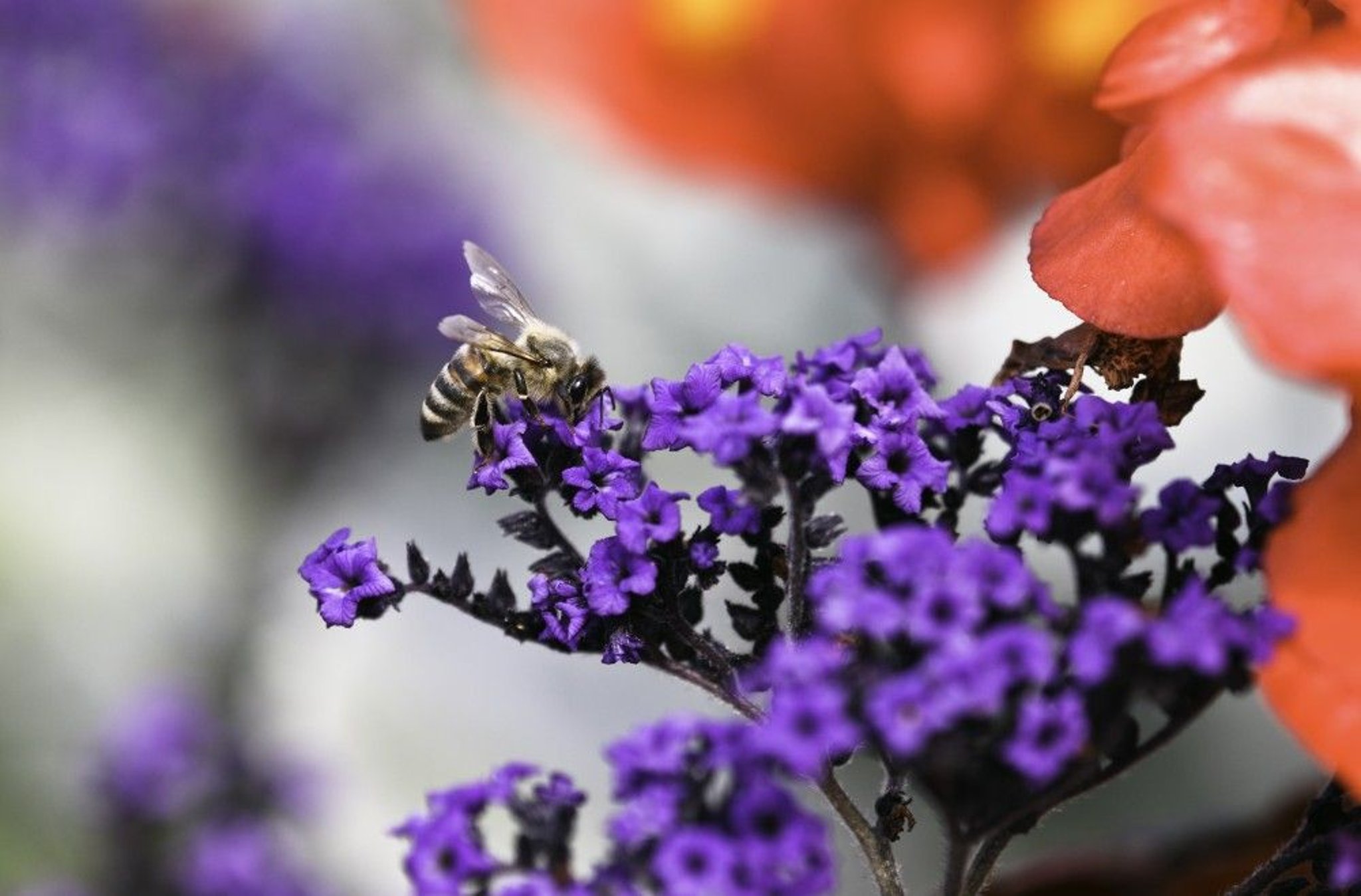
Image courtesy of Justin Kaplan, MD.
In the United States, 3 or 4 times more people die from bee stings than from snakebites. A more aggressive type of honeybee, called the Africanized honeybee (killer bee), has reached the southern and some southwestern states from South America. By attacking their victim in swarms, these bees cause a more severe reaction than do other bees.
In the southern United States, particularly in the Gulf region, fire ants sting up to 40% of the people who live in infested areas each year, causing at least 30 deaths.
Symptoms
Bee, wasp, and hornet stings cause immediate pain and a red, swollen, sometimes itchy area about ½ inch (about 1 centimeter) across. In some people, the area swells to a diameter of 2 inches (5 centimeters) or more over the next 2 or 3 days. This swelling is sometimes mistaken for infection, which is unusual after bee stings. Allergic reactions may cause rash, itching all over, wheezing, trouble breathing, and shock.

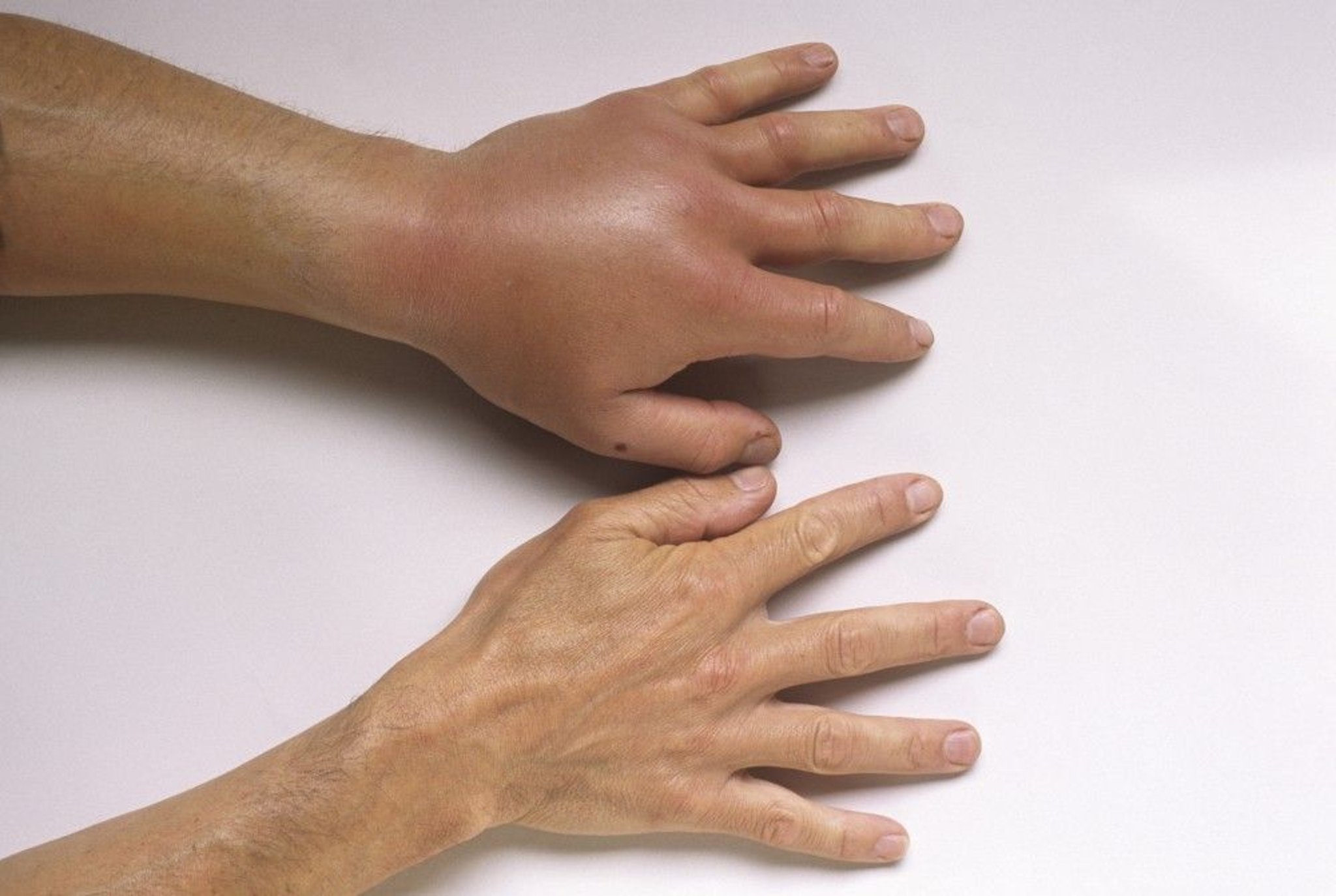
ALAN SIRULNIKOFF/SCIENCE PHOTO LIBRARY
The fire ant sting usually causes immediate pain and a red, swollen area, which disappears within 45 minutes. A blister then forms, rupturing in 2 to 3 days, and the area often becomes infected. In some cases, a red, swollen, itchy patch develops instead of a blister. Isolated nerves may become inflamed, and seizures may occur in people who have had a very large number of stings.
Treatment
Removal of stinger
Skin treatments and drugs by mouth to reduce pain and swelling
Sometimes desensitization to prevent allergic reactions
A bee may leave its stinger in the skin. The stinger should be removed as quickly as possible by scraping with a thin dull edge (for example, the edge of a credit card or a thin table knife).
An ice cube wrapped in plastic and a thin cloth and placed over the sting reduces the pain, along with nonsteroidal anti-inflammatory drugs (NSAIDs) and antihistamines taken by mouth. A cream or ointment containing an antihistamine, an anesthetic, a corticosteroid, or a combination of them is often useful.
Severe allergic reactions (anaphylactic reactions
People who have had a severe allergic reaction to a bee sting sometimes undergo desensitization (allergen immunotherapy) over a number of years, which may help prevent future allergic reactions.


