





Several conditions may occur even among healthy people while in transit.
Motion Sickness
Motion sickness (also known as car, sea, train, or air sickness) is often triggered by vibration and movement and is made worse by warmth, anxiety, hunger, or overeating.
Symptoms are nausea, vomiting, sweating, and dizziness.
Blood Clots While Traveling
Blood clots (deep vein thrombosis) can occur when people sit for long periods during air, rail, bus, or car travel. Blood clots are more common among people who
Are older
Are overweight
Smoke cigarettes
Have cancer
Are taking estrogen (as estrogen supplements or in contraceptive drugs)
Are pregnant
Have recently had surgery
Have had blood clots
Have been inactive or immobile
Blood clots form in leg or pelvic veins and occasionally dislodge and travel to the lungs (called pulmonary emboli). Some blood clots in the legs do not cause symptoms, whereas others cause cramping, swelling, and color changes of the calves and feet. Pulmonary emboli are much more serious than blood clots in the legs. People may first develop a sensation of not feeling well, followed by shortness of breath, chest pain, or fainting. Pulmonary emboli are sometimes fatal.
The risk of developing blood clots may be reduced by
Changing positions frequently
Straightening and moving the legs frequently while seated
Drinking enough fluids
Getting up to walk and stretch every 1 to 2 hours
Ear and Sinus Pressure While Flying
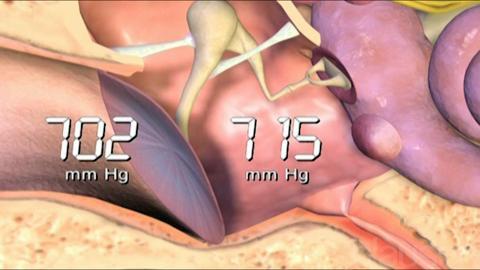
Ear and sinus pressure while flying is the result of changes in air pressure in the airplane (cabin pressure). Normally as an airplane takes off and climbs (ascends), cabin pressure decreases, and small pockets of air trapped in the sinuses and middle ear expand, leading to ear pressure, ear popping, or both and to mild sinus pressure or discomfort. As an airplane descends, cabin pressure increases, and similar symptoms occur. These mild sensations usually disappear as air pressure in the sinuses and ears equalizes with cabin pressure.
In people with allergies, sinus problems, and head colds, the passages that connect the ears and sinuses to the nose and mouth become inflamed and sometimes blocked by mucus, which prevents air pressure from equalizing normally. People with these problems may experience significant discomfort. Swallowing (particularly while holding the nose closed) frequently or yawning during descent, taking decongestants before descending, or blowing hard against a closed mouth and pinched nostrils helps equalize air pressure. Some people suck on hard candies during descent. These actions are normally sufficient to relieve minor ear and sinus discomfort.
Untreated dental problems or teeth that were subjected to recent dental procedures may become painful when air pressure changes.
Children
Children are particularly susceptible to the pain of unequal air pressure. They should chew gum, suck hard candy, or be given something to drink during ascent and descent to encourage swallowing. Babies can be breastfed or given a bottle or pacifier.
Sleep Disturbance (Jet Lag)
Sleep disturbance after air travel (jet lag) is common when people rapidly travel across more than 3 time zones. Sleep disturbance does not occur with sea, rail, or car travel because travelers have time to adjust to time zone changes. The most obvious symptom is fatigue on arrival. Other symptoms include
Irritability
Difficulty sleeping (insomnia)
Headache
Difficulty concentrating
Westward travel
People traveling westward tend to awaken earlier and feel tired earlier than they should by local time. For example, if people who normally wake up at 7 AM and go to bed at 11 PM travel 3 time zones west, they tend to awaken at 4 AM local time and feel the need for sleep by 8 PM. To adjust, people should try to get bright sunlight in the late afternoon and try to stay up until the appropriate bedtime.
Eastward travel
People traveling eastward tend to awaken later and stay awake longer than they should by local time. For example, if people who normally wake up at 7 AM and go to bed at 11 PM travel 3 time zones east, they tend to awaken at 10 AM local time and not feel the need for sleep until 2 AM. To adjust, people should get bright sunlight in the early morning. Those who had an overnight flight should try to remain physically active until evening and try not to nap.
Short-acting sedatives (sleeping pills
Dehydration While Flying
Dehydration while flying is common because of the low humidity in airplanes. Dehydration tends to affect older people and people who have certain medical conditions, such as diabetes, or who take drugs used to increase sodium and water excretion in the urine (diuretics). The main symptoms are light-headedness, drowsiness, confusion, often thirst and dry mouth, and, occasionally, fainting.
Spread of Infection During Travel
Spread of infection on airplanes and cruise ships often receives media attention but is relatively uncommon. Although colds are probably the most common infection, concern is greatest for
Travelers can minimize their risk of influenza by making sure they have received the most current influenza vaccine. They can minimize their risk of diarrhea and some other infections by washing their hands frequently and using alcohol-based hand sanitizers. Some cruise ships offer antibiotics to passengers who have been in close contact with passengers who have bacterial infections.
Minor Injuries During Travel
Minor injuries are common during travel. Unaccustomed lifting of heavy luggage is a common cause of shoulder injuries. Luggage falling out of overhead storage bins can cause other significant injuries. Airplane turbulence may cause motion sickness or injury. While seated, passengers should keep their seat belts fastened at all times. During ship travel, injuries can be prevented by wearing shoes that provide good traction on wet surfaces, using handrails and removing sunglasses before entering ship stairwells, and remaining alert in unfamiliar surroundings. A flashlight is useful for preventing falls at night.
Anxiety
More Information
The following English-language resource may be useful. Please note that THE MANUAL is not responsible for the content of this resource.
Centers for Disease Control and Prevention: Travelers' Health


