Select an Online Manual
THE MERCK MANUAL MEDICAL LIBRARY: The Merck Manual of Diagnosis and Therapy
Tips for better results
ABCDEFGHI
JKLMNOPQR
STUVWXYZ
Captopril Drug Information Provided by Lexi-Comp

Update Me

This information has been developed and provided by an independent third-party source. Merck & Co., Inc. does not endorse and is not responsible for the accuracy of the content, or for practices or standards of non-Merck sources.

ALERT: U.S. Boxed Warning

The FDA-approved labeling includes a boxed warning. See Warnings/Precautions section for a concise summary of this information. For verbatim wording of the boxed warning, consult the product labeling or www.fda.gov.

Medication Safety Issues

Sound-alike/look-alike issues:

Captopril may be confused with calcitriol, Capitrol®, carvedilol

International issues:

Acepril® [Great Britain] may be confused with Accupril® which is a brand name for quinapril in the U.S.

Acepril®: Brand name for enalapril in Hungary and Switzerland; brand name for lisinopril in Denmark

Pronunciation

(KAP toe pril)

U.S. Brand Names

  • Capoten® [DSC]

Index Terms

  • ACE

Generic Available

Yes

Canadian Brand Names

  • Alti-Captopril
  • Apo-Capto®
  • Capoten™
  • Gen-Captopril
  • Novo-Captopril
  • Nu-Capto
  • PMS-Captopril

Pharmacologic Category

  • Angiotensin-Converting Enzyme (ACE) Inhibitor

Pharmacologic Category Synonyms

  • ACE Inhibitor
  • ACEI

Use: Labeled Indications

Management of hypertension; treatment of heart failure, left ventricular dysfunction after myocardial infarction, diabetic nephropathy

Use: Unlabeled/Investigational

To delay the progression of nephropathy and reduce risks of cardiovascular events in hypertensive patients with type 1 or 2 diabetes mellitus; treatment of hypertensive crisis, rheumatoid arthritis; diagnosis of anatomic renal artery stenosis, hypertension secondary to scleroderma renal crisis; diagnosis of aldosteronism, idiopathic edema, Bartter's syndrome, postmyocardial infarction for prevention of ventricular failure; increase circulation in Raynaud's phenomenon, hypertension secondary to Takayasu's disease

Pregnancy Risk Factor

C (1st trimester); D (2nd and 3rd trimesters)

Pregnancy Considerations

Due to adverse events observed in some animal studies, captopril is considered pregnancy category C during the first trimester. Based on human data, captopril is considered pregnancy category D if used during the second and third trimesters (per the manufacturer; however, one study suggests that fetal injury may occur at anytime during pregnancy). Captopril crosses the placenta and may affect ACE activity in the fetus. First trimester exposure to ACE inhibitors may cause major congenital malformations. An increased risk of cardiovascular and/or central nervous system malformations was observed in one study; however, an increased risk of teratogenic events was not observed in other studies. Second and third trimester use of an ACE inhibitor is associated with oligohydramnios. Oligohydramnios due to decreased fetal renal function may lead to fetal limb contractures, craniofacial deformation, and hypoplastic lung development. The use of ACE inhibitors during the second and third trimesters is also associated with anuria, hypotension, renal failure (reversible or irreversible), skull hypoplasia, and death in the fetus/neonate. Chronic maternal hypertension itself is also associated with adverse events in the fetus/infant. ACE inhibitors are not recommended during pregnancy to treat maternal hypertension or heart failure. Those who are planning a pregnancy should be considered for other medication options if an ACE inhibitor is currently prescribed or the ACE inhibitor should be discontinued as soon as possible once pregnancy is detected. The exposed fetus should be monitored for fetal growth, amniotic fluid volume, and organ formation. Infants exposed to an ACE inhibitor in utero, especially during the second and third trimester, should be monitored for hyperkalemia, hypotension, and oliguria.[U.S. Boxed Warning]: Based on human data, ACE inhibitors can cause injury and death to the developing fetus when used in the second and third trimesters. ACE inhibitors should be discontinued as soon as possible once pregnancy is detected.

Lactation

Enters breast milk/not recommended (AAP rates “compatible”)

Breast-Feeding Considerations

Captopril is excreted in breast milk. Breast-feeding is not recommended by the manufacturer. The American Academy of Pediatrics considers captopril to be “usually compatible with breast-feeding.”

Contraindications

Hypersensitivity to captopril, any other ACE inhibitor, or any component of the formulation; angioedema related to previous treatment with an ACE inhibitor

Warnings/Precautions

Boxed warnings:

• Pregnancy: See “Special populations” below.

Concerns related to adverse effects:

• Angioedema: At any time during treatment (especially following first dose) angioedema may occur rarely with ACE inhibitors; it may involve the head and neck (potentially compromising airway) or the intestine (presenting with abdominal pain). African-Americans and patients with idiopathic or hereditary angioedema may be at an increased risk. Prolonged frequent monitoring may be required especially if tongue, glottis, or larynx are involved as they are associated with airway obstruction. Patients with a history of airway surgery may have a higher risk of airway obstruction. Aggressive early and appropriate management is critical. Use in patients with previous angioedema associated with ACE inhibitor therapy is contraindicated.

• Cholestatic jaundice: A rare toxicity associated with ACE inhibitors includes cholestatic jaundice, which may progress to fulminant hepatic necrosis; discontinue if marked elevation of hepatic transaminases or jaundice occurs.

• Cough: An ACE inhibitor cough is a dry, hacking, nonproductive one that usually occurs within the first few months of treatment and should generally resolve within 1-4 weeks after discontinuation of the ACE inhibitor. Other causes of cough should be considered (eg, pulmonary congestion in patients with heart failure) and excluded prior to discontinuation.

• Hyperkalemia: May occur with ACE inhibitors; risk factors include renal dysfunction, diabetes mellitus, concomitant use of potassium-sparing diuretics, potassium supplements, and/or potassium-containing salts. Use cautiously, if at all, with these agents and monitor potassium closely.

• Hypersensitivity reactions: Anaphylactic/anaphylactoid reactions can occur with ACE inhibitors. Severe anaphylactoid reactions may be seen during hemodialysis (eg, CVVHD) with high-flux dialysis membranes (eg, AN69), and rarely, during low density lipoprotein apheresis with dextran sulfate cellulose. Rare cases of anaphylactoid reactions have been reported in patients undergoing sensitization treatment with hymenoptera (bee, wasp) venom while receiving ACE inhibitors.

• Hypotension/syncope: Symptomatic hypotension with or without syncope can occur with ACE inhibitors (usually with the first several doses); effects are most often observed in volume-depleted patients; correct volume depletion prior to initiation; close monitoring of patient is required especially with initial dosing and dosing increases; blood pressure must be lowered at a rate appropriate for the patient's clinical condition. Although dose reduction may be necessary, hypotension is not a reason for discontinuation of future ACE inhibitor use especially in patients with heart failure where a reduction in systolic blood pressure is a desirable observation.

• Neutropenia/agranulocytosis: Captopril has been associated with rare cases of agranulocytosis, neutropenia, or leukopenia with myeloid hypoplasia. Patients with renal impairment are at high risk of developing neutropenia. Patients with both renal impairment and collagen vascular disease (eg, systemic lupus erythematosus) are at an even higher risk of developing neutropenia. Closely monitor CBC with differential for the first 3 months of therapy and periodically thereafter in these patients. Onset of neutropenia is usually within 3 months of captopril initiation. Neutrophil count generally returns to baseline within 2 weeks of discontinuation.

• Renal function deterioration: May be associated with deterioration of renal function and/or increases in serum creatinine, particularly in patients with low renal blood flow (eg, renal artery stenosis, heart failure) whose glomerular filtration rate (GFR) is dependent on efferent arteriolar vasoconstriction by angiotensin II; deterioration may result in oliguria, acute renal failure, and progressive azotemia. Small increases in serum creatinine may occur following initiation; consider discontinuation only in patients with progressive and/or significant deterioration in renal function.

Disease-related concerns:

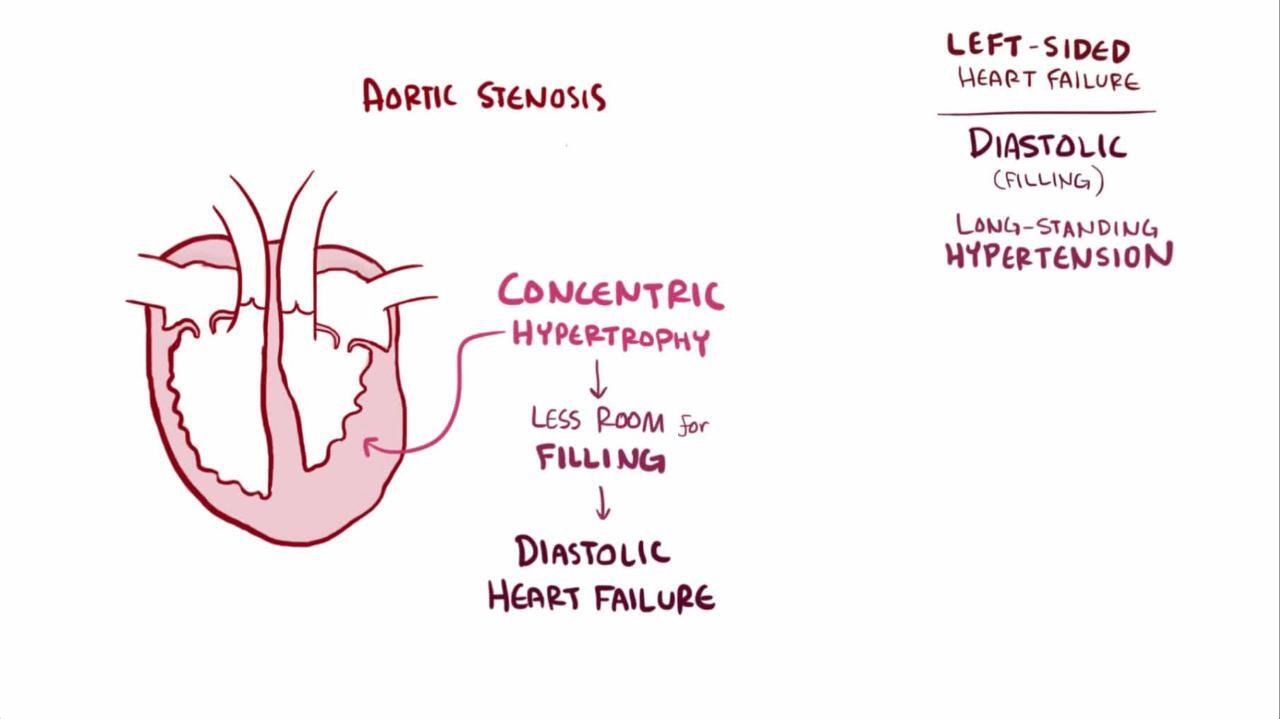
• Aortic stenosis: Use with caution in patients with severe aortic stenosis; may reduce coronary perfusion resulting in ischemia.

• Cardiovascular disease: Initiation of therapy in patients with ischemic heart disease or cerebrovascular disease warrants close observation due to the potential consequences posed by falling blood pressure (eg, MI, stroke). Fluid replacement, if needed, may restore blood pressure; therapy may then be resumed. Discontinue therapy in patients whose hypotension recurs.

• Collagen vascular disease: Use with caution in patients with collagen vascular disease especially with concomitant renal impairment; may be at increased risk for hematologic toxicity.

• Hypertrophic cardiomyopathy (HCM) with outflow tract obstruction: Use with caution in patients with HCM and outflow tract obstruction since reduction in afterload may worsen symptoms associated with this condition.

• Renal artery stenosis: Use with caution in patients with unstented unilateral/bilateral renal artery stenosis. When unstented bilateral renal artery stenosis is present, use is generally avoided due to the elevated risk of deterioration in renal function unless possible benefits outweigh risks.

• Renal impairment: Use with caution in pre-existing renal insufficiency; dosage adjustment may be needed. Avoid rapid dosage escalation which may lead to further renal impairment.

Special populations:

• Pregnancy: [U.S. Boxed Warning]: Based on human data, ACEIs can cause injury and death to the developing fetus when used in the second and third trimesters. ACEIs should be discontinued as soon as possible once pregnancy is detected.

Other warnings/precautions:

• Surgery: Use with caution before, during, or immediately after major surgery. Cardiopulmonary bypass, intraoperative blood loss or vasodilating anesthesia increases endogenous renin release. Use of ACE inhibitors perioperatively will blunt angiotensin II formation and may result in hypotension.

Adverse Reactions

1% to 10%:

Cardiovascular: Hypotension (1% to 3%), tachycardia (1%), chest pain (1%), palpitation (1%)

Dermatologic: Rash (maculopapular or urticarial) (4% to 7%), pruritus (2%); in patients with rash, a positive ANA and/or eosinophilia has been noted in 7% to 10%.

Endocrine & metabolic: Hyperkalemia (1% to 11%)

Hematologic: Neutropenia may occur in up to 4% of patients with renal insufficiency or collagen-vascular disease.

Renal: Proteinuria (1%), serum creatinine increased, worsening of renal function (may occur in patients with bilateral renal artery stenosis or hypovolemia)

Respiratory: Cough (<1% to 2%)

Miscellaneous: Hypersensitivity reactions (rash, pruritus, fever, arthralgia, and eosinophilia) have occurred in 4% to 7% of patients (depending on dose and renal function); dysgeusia - loss of taste or diminished perception (2% to 4%)

Frequency not defined:

Cardiovascular: Angioedema, cardiac arrest, cerebrovascular insufficiency, rhythm disturbances, orthostatic hypotension, syncope, flushing, pallor, angina, MI, Raynaud's syndrome, CHF

Central nervous system: Ataxia, confusion, depression, nervousness, somnolence

Dermatologic: Bullous pemphigus, erythema multiforme, Stevens-Johnson syndrome, exfoliative dermatitis

Endocrine & metabolic: Alkaline phosphatase increased, bilirubin increased, gynecomastia

Gastrointestinal: Pancreatitis, glossitis, dyspepsia

Genitourinary: Urinary frequency, impotence

Hematologic: Anemia, thrombocytopenia, pancytopenia, agranulocytosis, anemia

Hepatic: Jaundice, hepatitis, hepatic necrosis (rare), cholestasis, hyponatremia (symptomatic), transaminases increased

Neuromuscular & skeletal: Asthenia, myalgia, myasthenia

Ocular: Blurred vision

Renal: Renal insufficiency, renal failure, nephrotic syndrome, polyuria, oliguria

Respiratory: Bronchospasm, eosinophilic pneumonitis, rhinitis

Miscellaneous: Anaphylactoid reactions

<1% (Limited to important or life-threatening; frequency ? to placebo): Gastric irritation, abdominal pain, nausea, vomiting, diarrhea, anorexia, constipation, aphthous ulcers, peptic ulcer, dizziness, headache, malaise, fatigue, insomnia, xerostomia, dyspnea, alopecia, paresthesia, angina, glomerulonephritis, cholestatic jaundice, psoriasis, hyperthermia, myalgia, arthralgia

Postmarketing and/or case reports: Aplastic anemia, hemolytic anemia, bronchospasm, alopecia, systemic lupus erythematosus, Kaposi's sarcoma, pericarditis, exacerbations of Huntington's disease, Guillain-Barré syndrome, seizure (in premature infants). A syndrome which may include fever, myalgia, arthralgia, interstitial nephritis, vasculitis, rash, eosinophilia, and elevated ESR has been reported for captopril and other ACE inhibitors.

Metabolism/Transport Effects

Substrate of CYP2D6 (major)

Drug Interactions

Allopurinol: ACE Inhibitors may enhance the potential for allergic or hypersensitivity reactions to Allopurinol. Risk D: Consider therapy modification

Amifostine: Antihypertensives may enhance the hypotensive effect of Amifostine. Management: When amifostine is used at chemotherapy doses, antihypertensive medications should be withheld for 24 hours prior to amifostine administration. If antihypertensive therapy can not be withheld, amifostine should not be administered. Risk D: Consider therapy modification

Angiotensin II Receptor Blockers: May enhance the adverse/toxic effect of ACE Inhibitors. Risk C: Monitor therapy

Antacids: May decrease the serum concentration of ACE Inhibitors. Risk C: Monitor therapy

Antihypertensives: May enhance the hypotensive effect of other Antihypertensives. Risk C: Monitor therapy

Aprotinin: May diminish the antihypertensive effect of ACE Inhibitors. Risk C: Monitor therapy

AzaTHIOprine: ACE Inhibitors may enhance the neutropenic effect of AzaTHIOprine. Risk C: Monitor therapy

CycloSPORINE: ACE Inhibitors may enhance the nephrotoxic effect of CycloSPORINE. Risk D: Consider therapy modification

CYP2D6 Inhibitors (Moderate): May decrease the metabolism of CYP2D6 Substrates. Risk C: Monitor therapy

CYP2D6 Inhibitors (Strong): May decrease the metabolism of CYP2D6 Substrates. Risk D: Consider therapy modification

Darunavir: May increase the serum concentration of CYP2D6 Substrates. Risk C: Monitor therapy

Diazoxide: May enhance the hypotensive effect of Antihypertensives. Risk C: Monitor therapy

Eplerenone: May enhance the hyperkalemic effect of ACE Inhibitors. Risk C: Monitor therapy

Ferric Gluconate: ACE Inhibitors may enhance the adverse/toxic effect of Ferric Gluconate. Risk C: Monitor therapy

Gold Sodium Thiomalate: ACE Inhibitors may enhance the adverse/toxic effect of Gold Sodium Thiomalate. An increased risk of nitritoid reactions has been appreciated. Risk C: Monitor therapy

Herbs (Hypertensive Properties): May diminish the antihypertensive effect of Antihypertensives. Risk C: Monitor therapy

Herbs (Hypotensive Properties): May enhance the hypotensive effect of Antihypertensives. Risk C: Monitor therapy

Lithium: ACE Inhibitors may increase the serum concentration of Lithium. Risk D: Consider therapy modification

Loop Diuretics: May enhance the hypotensive effect of ACE Inhibitors. Specifically, postural hypotension which can accompany ACE Inhibitor initiation. Loop Diuretics may enhance the nephrotoxic effect of ACE Inhibitors. Risk C: Monitor therapy

MAO Inhibitors: May enhance the orthostatic effect of Orthostasis Producing Agents. Risk C: Monitor therapy

Methylphenidate: May diminish the antihypertensive effect of Antihypertensives. Risk C: Monitor therapy

Nonsteroidal Anti-Inflammatory Agents: May diminish the antihypertensive effect of ACE Inhibitors. Risk C: Monitor therapy

Peginterferon Alfa-2b: May decrease the serum concentration of CYP2D6 Substrates. Risk C: Monitor therapy

Pentoxifylline: May enhance the hypotensive effect of Antihypertensives. Risk C: Monitor therapy

Phosphodiesterase 5 Inhibitors: May enhance the antihypertensive effect of Antihypertensives. Risk C: Monitor therapy

Potassium Salts: May enhance the hyperkalemic effect of ACE Inhibitors. Risk C: Monitor therapy

Potassium-Sparing Diuretics: May enhance the hyperkalemic effect of ACE Inhibitors. Risk C: Monitor therapy

Prostacyclin Analogues: May enhance the hypotensive effect of Antihypertensives. Risk C: Monitor therapy

RiTUXimab: Antihypertensives may enhance the hypotensive effect of RiTUXimab. Risk D: Consider therapy modification

Salicylates: May diminish the antihypertensive effect of ACE Inhibitors. They may also diminish other beneficial pharmacodynamic effects desired for the treatment of CHF. The effects are likely dose-related. 100 mg doses aspirin appear to cause no problems, whereas 300 mg doses appear to significantly affect ACE Inhibitor efficacy. Risk C: Monitor therapy

Sirolimus: May enhance the adverse/toxic effect of ACE Inhibitors. Risk C: Monitor therapy

Temsirolimus: May enhance the adverse/toxic effect of ACE Inhibitors. Risk C: Monitor therapy

Thiazide Diuretics: May enhance the hypotensive effect of ACE Inhibitors. Specifically, postural hypotension which can accompany ACE Inhibitor initiation. Thiazide Diuretics may enhance the nephrotoxic effect of ACE Inhibitors. Risk C: Monitor therapy

Tolvaptan: May enhance the hyperkalemic effect of ACE Inhibitors. Risk C: Monitor therapy

Trimethoprim: May enhance the hyperkalemic effect of ACE Inhibitors. Risk C: Monitor therapy

Yohimbine: May diminish the antihypertensive effect of Antihypertensives. Risk C: Monitor therapy

Ethanol/Nutrition/Herb Interactions

Food: Captopril serum concentrations may be decreased if taken with food. Long-term use of captopril may result in a zinc deficiency which can result in a decrease in taste perception.

Herb/Nutraceutical: Avoid bayberry, blue cohosh, cayenne, ephedra, ginger, ginseng (American), kola, licorice (may worsen hypertension). Avoid black cohosh, california poppy, coleus, golden seal, hawthorn, mistletoe, periwinkle, quinine, shepherd's purse (may have increased antihypertensive effect).

Mechanism of Action

Competitive inhibitor of angiotensin-converting enzyme (ACE); prevents conversion of angiotensin I to angiotensin II, a potent vasoconstrictor; results in lower levels of angiotensin II which causes an increase in plasma renin activity and a reduction in aldosterone secretion

Pharmacodynamics/Kinetics

Onset of action: Peak effect: Blood pressure reduction: 1-1.5 hours after dose

Duration: Dose related, may require several weeks of therapy before full hypotensive effect

Absorption: 60% to 75%; reduced 30% to 40% by food

Protein binding: 25% to 30%

Metabolism: 50%

Half-life elimination (renal and cardiac function dependent):

Adults, healthy volunteers: 1.9 hours; Heart failure: 2.06 hours; Anuria: 20-40 hours

Time to peak: 1 hour

Excretion: Urine (>95%) within 24 hours (40% to 50% as unchanged drug)

Dosage

Note: Titrate dose according to patient's response; use lowest effective dose. Oral:

Infants: Initial: 0.15-0.3 mg/kg/dose; titrate dose upward to maximum of 6 mg/kg/day in 1-4 divided doses; usual required dose: 2.5-6 mg/kg/day

Children: Initial: 0.5 mg/kg/dose; titrate upward to maximum of 6 mg/kg/day in 2-4 divided doses

Older Children: Initial: 6.25-12.5 mg/dose every 12-24 hours; titrate upward to maximum of 6 mg/kg/day

Adolescents: Initial: 12.5-25 mg/dose given every 8-12 hours; increase by 25 mg/dose to maximum of 450 mg/day

Adults:

Acute hypertension (urgency/emergency): 12.5-25 mg, may repeat as needed (may be given sublingually, but no therapeutic advantage demonstrated)

Heart failure:

Initial dose: 6.25-12.5 mg 3 times/day in conjunction with cardiac glycoside and diuretic therapy; initial dose depends upon patient's fluid/electrolyte status

Target dose: 50 mg 3 times/day

Hypertension:

Initial dose: 12.5-25 mg 2-3 times/day; may increase by 12.5-25 mg/dose at 1- to 2-week intervals up to 50 mg 3 times/day; maximum dose: 150 mg 3 times/day; add diuretic before further dosage increases

Usual dose range (JNC 7): 25-100 mg/day in 2 divided doses

LV dysfunction after MI: Initial dose: 6.25 mg followed by 12.5 mg 3 times/day; then increase to 25 mg 3 times/day during next several days and then gradually increase over next several weeks to target dose of 50 mg 3 times/day (Some dose schedules are more aggressive to achieve an increased goal dose within the first few days of initiation.)

Diabetic nephropathy: 25 mg 3 times/day; other antihypertensives often given concurrently

Dosing adjustment in renal impairment:

Clcr 10-50 mL/minute: Administer at 75% of normal dose.

Clcr <10 mL/minute: Administer at 50% of normal dose.

Note: Smaller dosages given every 8-12 hours are indicated in patients with renal dysfunction; renal function and leukocyte count should be carefully monitored during therapy.

Hemodialysis: Moderately dialyzable (20% to 50%); administer dose postdialysis or administer 25% to 35% supplemental dose.

Peritoneal dialysis: Supplemental dose is not necessary.

Administration: Oral

Unstable in aqueous solutions; to prepare solution for oral administration, mix prior to administration and use within 10 minutes.

Monitoring Parameters

BUN, electrolytes, serum creatinine; blood pressure. In patients with renal impairment and/or collagen vascular disease, closely monitor CBC with differential for the first 3 months of therapy and periodically thereafter.

Test Interactions

Positive Coombs' [direct]; may cause false-positive results in urine acetone determinations using sodium nitroprusside reagent

Dietary Considerations

Should be taken at least 1 hour before or 2 hours after eating.

Patient Education

Do not take any new medication during therapy unless approved by prescriber. Do not use potassium supplement or salt substitutes without consulting prescriber. Take exactly as directed; do not discontinue this medication without consulting prescriber. Take first dose at bedtime. Take all doses on an empty stomach, 1 hour before or 2 hours after meals. This drug does not eliminate need for diet or exercise regimen as recommended by prescriber. May cause dizziness, fainting, or lightheadedness (use caution when driving or engaging in tasks that require alertness until response to drug is known); postural hypotension (use caution when rising from lying or sitting position or climbing stairs); or nausea, vomiting, abdominal pain, dry mouth, or transient loss of appetite (small, frequent meals, frequent mouth care, sucking lozenges, or chewing gum may help). Report immediately swelling or numbness of face, mouth, or throat; unusual chest pain or palpitations; decreased urinary output; fever or chills; swelling of extremities; skin rash; numbness, tingling, or pain in muscles; respiratory difficulty or unusual cough; and other persistent adverse reactions. Pregnancy precautions Inform prescriber if you are or intend to become pregnant. This drug should not be used in the 2nd or 3rd trimester of pregnancy. Consult prescriber for appropriate contraceptive measures if necessary or if you suspect you might be pregnant.

Geriatric Considerations

Due to frequent decreases in glomerular filtration (also Clcr) with aging, elderly patients may have exaggerated responses to ACE inhibitors; differences in clinical response due to hepatic changes are not observed. ACE inhibitors may be preferred agents in elderly patients with congestive heart failure and diabetes mellitus. Diabetic proteinuria is reduced and insulin sensitivity is enhanced. In general, the side effect profile is favorable in the elderly and causes little or no CNS confusion; use lowest dose recommendations initially. Many elderly may be volume depleted due to diuretic use and/or blunted thirst reflex resulting in inadequate fluid intake.

Anesthesia and Critical Care Concerns/Other Considerations

Severe hypotension may occur in patients who are sodium and/or volume depleted.

ACE inhibitors are indicated in patients postmyocardial infarction in whom left ventricular ejection fraction is <40%. When used in patients with heart failure, the target dose of 50 mg 3 times/day should be achieved, if possible. Lower daily doses of ACE inhibitors have not demonstrated the same cardioprotective effects.

ACE inhibitor therapy may elicit rapid increases in potassium and creatinine, especially when used in patients with bilateral renal artery stenosis. When ACE inhibition is introduced in patients with pre-existing diuretic therapy who are hypovolemic, the ACE inhibitor may induce acute hypotension. Because of the potent teratogenic effects of ACE inhibitors, these drugs should be avoided, if possible, when treating women of childbearing potential not on effective birth control measures.

Cardiovascular Considerations

Heart Failure: The ACC/AHA 2009 Heart Failure Guidelines recommend that ACE inhibitors be used in patients with a reduced EF (with or without heart failure symptoms) unless contraindicated. ACE inhibitors decrease morbidity and mortality in patients with asymptomatic and symptomatic left ventricular dysfunction. In this situation, they decrease hospitalizations for, and retard progression to, congestive heart failure. When used in patients with heart failure, the target dose should be achieved, if possible. Lower daily doses of ACE inhibitors have demonstrated the same mortality effects as high doses, but have not decreased hospitalizations to the extent that high-dose ACE inhibitors have, as demonstrated in the ATLAS study (Packer M, 1999).

Hypertension: The ALLHAT study (ALLHAT Collaborative Group, 2002) compared CV outcomes of lisinopril, amlodipine, or chlorthalidone in hypertensive patients having at least one other risk factor for coronary heart disease. Investigators found no difference between the groups on the primary outcome of fatal coronary disease or nonfatal MI. The ACC/AHA 2009 Heart Failure Guidelines suggest that ACE inhibitors or angiotensin receptor blockers (ARBs) can be beneficial in patients with hypertension and LVH without symptoms of heart failure. JNC 7 suggests that patients can benefit from treatment with an ACE inhibitor if they have hypertension and heart failure, acute myocardial infarction, high coronary disease risk, diabetes, chronic kidney disease, history of stroke.

Vascular Disease: The ACC/AHA 2009 Heart Failure Guidelines suggest that ACE inhibitors can be useful in preventing heart failure in patients who have a history of atherosclerotic vascular disease, diabetes, or hypertension with associated cardiovascular risk factors. The HOPE trial (Heart Outcomes Prevention Evaluation Study Investigators, 2000) investigated the value of an ACE inhibitor (ramipril 5-10 mg daily) versus placebo in patients who had evidence of vascular disease or diabetes (one other cardiovascular risk factor) and were at least 55 years of age. Patients were excluded if they had a low ejection fraction, heart failure, or were on an ACE inhibitor. The primary outcome was a composite of death from cardiovascular cause, myocardial infarction, or stroke; 9297 patients were enrolled and randomized. Ramipril significantly reduced the risk of death from CV causes, MI, or stroke over placebo. New cases of diabetes were also reduced in the ramipril group. In the EUROPA trial, patients with stable coronary artery disease (at low risk for cardiovascular events) received perindopril or placebo and were evaluated for incidence of cardiovascular events after 4 years of treatment. In this randomized, placebo-controlled, prospective study, 12,218 patients received either perindopril (8 mg/day, n=6110) or placebo (n=6108) and were assessed for the primary endpoint of a cardiovascular event, defined as cardiovascular death, myocardial infarction, or cardiac arrest. The study population was well balanced with respect to baseline demographics and concomitant medication use (including beta-blockers, platelet inhibitors, antihyperlipidemics, calcium channel blockers, nitrates, and diuretics). Intent-to-treat analysis revealed that 603 (10%) of placebo patients experienced the primary endpoint of a cardiovascular event compared to 488 (8%) of perindopril-receiving patients, for a 20% relative risk reduction (p=0.0003). This result was not influenced by presence of other comorbidities (eg, diabetes, hypertension) or concomitant beta-blocker, calcium channel blocker, or lipid-lowering therapies. Withdrawal from the study (postrandomization) due to adverse reactions was similar between treatment groups. Number needed to treat analysis suggests that treatment of 50 patients over a 4-year period will prevent one major cardiovascular event.

Acute Coronary Syndromes: In the treatment of unstable angina/non-ST-segment elevation MI, ACE inhibitors are recommended when hypertension persists despite treatment with nitroglycerin and a beta-blocker in patients with LV systolic dysfunction or CHF and in ischemic patients with diabetes (Class I). ACE inhibitors are also recommended for all post-ACS individuals (Class IIa). According to 2004 ACC/AHA STEMI guidelines, an ACE inhibitor should be administered orally within the first 24 hours of STEMI to patients with anterior infarction, pulmonary congestion, or LVEF <0.4, in the absence of hypotension or known contraindications to this class of medicines. In the emergency management of complicated STEMI, a short-acting ACEI (eg, captopril 1-6.25 mg) may be added once the patient's systolic blood pressure is >100 mm Hg and not <30 mm Hg below baseline. The VALIANT trial evaluated the effects of valsartan (target dose: 160 mg twice daily), captopril (target dose: 50 mg twice daily), and the combination (target doses: valsartan 80 mg twice daily and captopril 150 mg once daily) in a randomized, double-blind trial of patients with acute MI (0.5-10 days post-MI) complicated by left ventricular systolic dysfunction, heart failure, or both. Enrollment in the study numbered 14,703 patients and followed for a median of 24.7 months. There was no difference in the primary endpoint (all cause mortality) among the 3 groups. There was no difference in incidence of CV death, recurrent MI, or hospitalization for heart failure either. Hypotension and renal dysfunction occurred significantly more often in the valsartan group than captopril alone. Cough, rash, and taste disturbances occurred more often in the captopril group. The authors (Pfeffer MA, 2003) concluded that valsartan is as effective as captopril in patients who are at high risk for cardiovascular events after MI. Combining valsartan with captopril increased the rate of adverse events without improving survival.

Potential Adverse Events: ACE inhibitor therapy may elicit rapid increases in potassium and creatinine, especially when used in patients with bilateral renal artery stenosis. When ACE inhibition is introduced in patients with pre-existing diuretic therapy who are hypovolemic, the ACE inhibitor may induce acute hypotension. In those patients experiencing cough on an ACE inhibitor, the ACE inhibitor may be discontinued and, if necessary, ARB therapy instituted. Because of the potent teratogenic effects of ACE inhibitors, these drugs should be avoided, if possible, when treating women of childbearing potential not on effective birth control measures.

Drug Interactions: Concomitant indomethacin therapy may blunt the reduction in sitting and 24-hour ambulatory diastolic blood pressure. Use of NSAIDs should be avoided or limited, with monitoring of blood pressure control in this setting. In patients with heart failure, NSAID use may be associated with an increased risk for fluid accumulation and edema.

Dental Health: Effects on Dental Treatment

Key adverse event(s) related to dental treatment: Loss or diminished perception of taste and orthostatic hypotension.

Dental Health: Vasoconstrictor/Local Anesthetic Precautions

No information available to require special precautions

Mental Health: Effects on Mental Status

May cause drowsiness or insomnia

Mental Health: Effects on Psychiatric Treatment

May rarely cause agranulocytosis; use caution with clozapine and carbamazepine; may decrease lithium clearance resulting in an increase in serum lithium levels and potential lithium toxicity; monitor serum lithium levels

Nursing: Physical Assessment/Monitoring

Assess other pharmacological or herbal products patient may be taking for potential interactions (especially anything that may impact renal function). Patient should be closely monitored when beginning therapy (anaphylactic reaction or severe angioedema can occur). Assess results of laboratory tests (renal function), therapeutic effectiveness (blood pressure), and adverse response (eg, hypovolemia, angioedema, postural hypotension) when beginning therapy, adjusting dosage, and on a regular basis during therapy. Teach patient proper use, possible side effects/appropriate interventions, and adverse symptoms to report.

Dosage Forms

Excipient information presented when available (limited, particularly for generics); consult specific product labeling. [DSC] = Discontinued product

Tablet, oral: 12.5 mg, 25 mg, 50 mg, 100 mg

Capoten® [DSC]: 12.5 mg, 25 mg, 50 mg [scored], 100 mg

Pricing: U.S. (www.drugstore.com)

Tablets (Capoten)

100 mg (60): $240.90

Tablets (Captopril)

12.5 mg (100): $11.99

25 mg (90): $13.99

50 mg (100): $15.67

100 mg (90): $19.99

Extemporaneously Prepared

Captopril has limited stability in aqueous preparations. The addition of an antioxidant (sodium ascorbate) has been shown to increase the stability of captopril in solution; captopril (1 mg/mL) in syrup with methylcellulose is stable for 7 days stored either at 4°C or 22°C; captopril (1 mg/mL) in distilled water (no additives) is stable for 14 days if stored at 4°C and 7 days if stored at 22°C; captopril (1 mg/mL) with sodium ascorbate (5 mg/mL) in distilled water is stable for 56 days at 4°C and 14 days at 22°C.

Captopril (0.75 mg/mL) in cherry syrup is stable for only 2 days in amber clear plastic containers stored at room temperature or under refrigeration; captopril (0.75 mg/mL) in either a 1:1 mixture of Ora-Sweet® and Ora-Plus® or a 1:1 mixture of Ora-Sweet® SF and Ora-Plus® is stable for 10 days or less depending on the storage temperature (see Allen, 1996).

Powder papers can also be made; powder papers are stable for 12 weeks when stored at room temperature

Allen LV and Erickson III MA, “Stability of Baclofen, Captopril, Diltiazem Hydrochloride, Dipyridamole, and Flecainide Acetate in Extemporaneously Compounded Oral Liquids,” Am J Health Syst Pharm, 1996, 53:2179-84.

Nahata MC, Morosco RS, and Hipple TF, “Stability of Captopril in Three Liquid Dosage Forms,” Am J Hosp Pharm, 1994, 51(1):95-6.

Taketomo CK, Chu SA, Cheng MH, et al, “Stability of Captopril in Powder Papers Under Three Storage Conditions,” Am J Hosp Pharm, 1990, 47(8):1799-1801.

References

ALLHAT Officers and Coordinators for the ALLHAT Collaborative Research Group, “Major Outcomes in High-Risk Hypertensive Patients Randomized to Angiotensin-Converting Enzyme Inhibitor or Calcium Channel Blocker vs Diuretic: The Antihypertensive and Lipid-Lowering Treatment to Prevent Heart Attack Trial (ALLHAT),” JAMA, 2002, 288(23):2981-97.

American Diabetes Association, “Standards of Medical Care in Diabetes Mellitus -- 2009,” Diabetes Care, 2009, 32(Suppl 1):13-61.

Antman EM, Anbe SC, Alpert JS, et al, “ACC/AHA Guidelines for the Management of Patients With ST-Elevation Myocardial Infarction - Executive Summary: A Report of the American College of Cardiology/American Heart Association Task Force on Practice Guidelines (Writing Committee to Revise the 1999 Guidelines for the Management of Patients With Acute Myocardial Infarction),” Circulation, 2004, 110(5):588-636. Available at: http://www.circulationaha.org/cgi/content/full/110/5/588. Last accessed October 26, 2004.

Braunwald E, Antman EM, Beasley JW, et al, “ACC/AHA 2002 Guideline Update for the Management of Patients With Unstable Angina and Non-ST-Segment Elevation Myocardial Infarction - Summary Article: A Report of the American College of Cardiology/American Heart Association Task Force on Practice Guidelines (Committee on the Management of Patients With Unstable Angina),” J Am Coll Cardiol, 2002, 40(7):1366-74. Available at: http://www.acc.org/clinical/guidelines/unstable/incorporated/index.htm. Accessed May 20, 2003.

Chase MP, Fiarman GS, Scholz FJ, et al, “Angioedema of the Small Bowel Due to an Angiotensin-Converting Enzyme Inhibitor,” J Clin Gastroenterol, 2000, 31(3):254-7.

Chobanian AV, Bakris GL, Black HR, et al, “The Seventh Report of the Joint National Committee on Prevention, Detection, Evaluation, and Treatment of High Blood Pressure: The JNC 7 Report,” JAMA, 2003, 289(19):2560-71.

Conlin P, Moore T, Swartz S, et al, “Effect of Indomethacin on Blood Pressure Lowering by Captopril and Losartan in Hypertensive Patients,” Hypertension, 2000, 36(3):461-5.

Cooper WO, Hernandez-Diaz S, Arbogast PG, et al, “Major Congenital Malformations After First-Trimester Exposure to ACE Inhibitors,” N Engl J Med, 2006, 354(23):2443-51.

Fox KM and EURopean Trial on Reduction of Cardiac Events With Perindopril in Stable Coronary Artery Disease Investigators, “Efficacy of Perindopril in Reduction of Cardiovascular Events Among Patients With Stable Coronary Artery Disease: Randomised, Double-Blind, Placebo-Controlled, Multicentre Trial (The EUROPA Study),” Lancet, 2003, 362(9386):782-8.

Grossman E, Morag B, Nussinovitch N, et al, “Clinical Use of Captopril in Takayasu's Disease,” Arch Intern Med, 1984, 144(1):95-6.

Hunt SA, Abraham WT, Chin MH, et al, “2009 Focused Update Incorporated into the ACC/AHA 2005 Guidelines for the Diagnosis and Management of Heart Failure in Adults: A Report of the American College of Cardiology Foundation/American Heart Association Task Force on Practice Guidelines Developed in Collaboration With the International Society for Heart and Lung Transplantation,” J Am Coll Cardiol, 2009, 53(15):e1-e90.

“K/DOQI Clinical Practice Guidelines for Chronic Kidney Disease: Evaluation, Classification, and Stratification. Kidney Disease Outcome Quality Initiative,” Am J Kidney Dis, 2002, 39(2 Suppl 2):1-246. Available at: http://www.kidney.org/professionals/doqi/kdoqi/toc.htm. Accessed August 1, 2003.

Mastrobattista JM, “Angiotensin Converting Enzyme Inhibitors in Pregnancy,” Semin Perinatol, 1997, 21(2):124-34.

Miller DR, Oliveria SA, Berlowitz DR, et al, “Angioedema Incidence in US Veterens Initiating Angiotensin-Converting Enzyme Inhibitors,” Hypertension, 2008, 51(6):1-7.

National High Blood Pressure Education Program Working Group on High Blood Pressure in Children and Adolescents, “The Fourth Report on the Diagnosis, Evaluation, and Treatment of High Blood Pressure in Children and Adolescents,” Pediatrics, 2004, 114(2 Suppl):555-76.

Packer M, Poole-Wilson PA, Armstrong PW, et al, “Comparative Effects of Low and High Doses of the Angiotensin-Converting Enzyme Inhibitor, Lisinopril, on Morbidity and Mortality in Chronic Heart Failure,” Circulation, 1999, 100(23):2312-8.

Pfeffer MA, Greaves SC, Arnold JM, et al, “Early Versus Delayed Angiotensin-Converting Enzyme Inhibition Therapy in Acute Myocardial Infarction. The Healing and Early Afterload Reducing Therapy Trial,” Circulation, 1997, 95(12):2643-51.

Pfeffer MA, McMurray JJ, Velazquez EJ, et al, “Valsartan, Captopril, or Both in Myocardial Infarction Complicated by Heart Failure, Left Ventricular Dysfunction, or Both,” N Engl J Med, 2003, 349(20):1893-906.

Quan A , “Fetopathy Associated With Exposure to Angiotensin Converting Enzyme Inhibitors and Angiotensin Receptor Antagonists,” Early Hum Dev, 2006, 82(1):23-8.

Smoger SH and Sayed MA, “Simultaneous Mucosal and Small Bowel Angioedema Due to Captopril,” South Med J, 1998, 91(11):1060-3.

Yusuf S, Sleight P, Pogue J, et al, “Effects of an Angiotensin-Converting-Enzyme Inhibitor, Ramipril, on Cardiovascular Events in High-Risk Patients. The Heart Outcomes Prevention Evaluation Study Investigators,” N Engl J Med, 2000, 342(3):145-53.

International Brand Names

  • Ace-Bloc (TW)
  • Acenorm (AU)
  • Acepress (ID, IT)
  • Acepril (GB)
  • Aceril (IL)
  • Aceten (IN)
  • Adocor (DE)
  • Angiopril (IN)
  • Antasten (AR)
  • Apuzin (MY)
  • Asisten (UY)
  • Capace (ZA)
  • Capomed (PH)
  • Caposan (PE)
  • Capotec (PH)
  • Capoten (AU, BB, BE, BM, BR, BS, BZ, CL, CN, CO, CZ, DK, EC, ES, ET, FI, GB, GR, GY, HK, ID, IE, IT, JM, KE, LU, NG, NL, NO, PH, PK, PT, SE, SR, TH, TT, TZ, UG, VE, ZA, ZM)
  • Capotena (MX)
  • Capotril (AE, BH, CY, EG, IL, IQ, IR, JO, KW, LB, LY, OM, QA, SA, SY, YE)
  • Capril (KP, TW)
  • Captace (PH)
  • Captensin (ID)
  • Captodoc (DE)
  • Captoflux (DE)
  • Captohexal (AU, EE, LU, PL)
  • Captolane (FR)
  • Captopren (AE, BH, CY, EG, IL, IQ, IR, JO, KW, LB, LY, OM, QA, SA, SY, YE)
  • Captopril (DO, PL)
  • Captopril Pharmavit (HU)
  • Captotec (BR)
  • Captral (MX)
  • Cardiagen (DE)
  • Cesplon (ES)
  • Debax (AT)
  • Dexacap (ID)
  • Ecaten (MX)
  • Epsitron (HK, TH)
  • Farcopril (AE, BH, CY, EG, IL, IQ, IR, JO, KW, LB, LY, OM, QA, SA, SY, YE)
  • Farmoten (ID)
  • Hartylox (PH)
  • Hiperil (PT)
  • Huma-Captopril (HU)
  • Hypopress (AE, BH, CY, EG, IL, IQ, IR, JO, KW, LB, LY, OM, QA, SA, SY, YE)
  • Hypotensor (GR)
  • Katopril (AU)
  • Lopirin (AT, CH, DE)
  • Lopril (FI, FR)
  • Lotensin (ID)
  • Midrat (MX)
  • Minitent (AE, BH, CY, EG, IL, IQ, IR, JO, KW, LB, LY, OM, QA, SA, SY, YE)
  • Nolectin (PE)
  • Otoryl (ID)
  • Praten (ID)
  • Prelat (PH)
  • Primace (PH)
  • Properil (CN)
  • Retensin (PH)
  • Rilcapton (HK, SG)
  • Ropril (AE, BH, CY, EG, IL, IQ, IR, JO, KW, LB, LY, OM, QA, SA, SY, YE)
  • Tensicap (ID)
  • Tensiomen (BG, HN)
  • Tensiomin (HU)
  • Tensobon (DE)
  • Tensoril (PH)
  • Topace (AU)
  • Unihype (PH)
  • Vasosta (PH)
  • Zapto (ZA)

Lexi-Comp.com

Last full review/revision July 2009

Content last modified July 2009

Back to Top
Audio
Figures
Photographs
Tables
Videos