





Granulomatosis with polyangiitis is characterized by necrotizing granulomatous inflammation, small- and medium-sized vessel vasculitis, and focal necrotizing glomerulonephritis, often with crescent formation. Typically, the upper and lower respiratory tract and the kidneys are affected, but any organ may be. Symptoms vary depending on the organs and systems affected. Patients may present with upper and lower respiratory tract symptoms (eg, recurrent nasal discharge or epistaxis, cough), followed by hypertension and edema, or with symptoms reflecting multiorgan involvement. Diagnosis usually requires biopsy. Treatment is with corticosteroids plus an immunosuppressant. Remission is usually possible, although relapses are common.
(See also Overview of Vasculitis.)
Granulomatosis with polyangiitis (GPA) occurs in about 1/25,000 people; it is most common among whites but can occur in all ethnic groups and at any age. Mean age at onset is 40.
The cause of GPA is unknown, although immunologic mechanisms play a role. Most patients with active generalized disease have antineutrophil cytoplasmic antibodies (ANCA).
Pathophysiology of GPA
Characteristically, granulomas form with histiocytic epithelioid cells and often with giant cells. Plasma cells, lymphocytes, neutrophils, and eosinophils are present. Inflammation affects tissues as well as vessels; vasculitis may be a small or large component of the disease. Micronecrosis, usually with neutrophils (microabscesses), occurs early. Micronecrosis progresses to macronecrosis. A central area of necrosis (called geographic necrosis) is rimmed by lymphocytes, plasma cells, macrophages, and giant cells. A zone of fibroblastic proliferation with palisading histiocytes may surround the area.
Nonspecific chronic inflammation and tissue necrosis occur in the nose. The lungs are most likely to display the full spectrum of histopathologic abnormalities, but diagnostic features are not typically identified on the small tissue samples obtained by transbronchial biopsy. In the kidneys, the most common finding is a pauci-immune crescentic focal glomerulonephritis with necrosis and thrombosis of individual loops or larger segments of the glomerulus. Vasculitic lesions and disseminated granulomas occur only occasionally.
Symptoms and Signs of GPA
Onset of granulomatosis with polyangiitis may be insidious or acute; the full spectrum of the disease may take years to evolve. Some patients present initially with upper and lower respiratory tract symptoms; at some point later, the kidneys are affected. In other patients, onset of systemic manifestations is relatively acute; several organs and systems, such as the upper respiratory tract, peripheral nervous system (causing multiple mononeuropathy [mononeuritis multiplex]), kidneys (causing glomerulonephritis), and lower respiratory tract (causing hemorrhage, lung nodules, cavities, or a combination), are simultaneously affected.
Upper respiratory tract: Sinus pain, serosanguineous or purulent discharge, and epistaxis may occur. The mucosa appears granular (like cobblestones) and is friable; ulcers, thick dark crusts, and septal perforation are common. Nasal chondritis can occur with swelling, pain, and collapse of the nasal bridge (saddle nose). Patients may report recurrent sinusitis that has responded inadequately to multiple antibiotic regimens and has required one or more sinus operations before diagnosis. Secondary infections (eg, due to Staphylococcus aureus) may develop. Subglottic stenosis may develop, causing symptoms such as pain in the larynx, hoarseness, dyspnea, wheezing, and stridor.
Ears: Otitis, sensorineural hearing loss, vertigo, and chondritis may occur. The middle ear, inner ear, and mastoids are often affected.
Eyes: Eyes may appear red and swollen. Nasolacrimal duct inflammation and obstruction, conjunctivitis, scleritis, uveitis, or retinal vasculitis may also occur. Inflammatory infiltrates in the retro-orbital space (orbital pseudotumor) can cause proptosis, compression of the optic nerve, and blindness. Extension into the extraocular muscles leads to diplopia. If serious eye symptoms develop, evaluation and treatment are required immediately to prevent permanent vision loss.
Lower respiratory tract: Respiratory manifestations are common. Inflammation of the major bronchi and branches can cause localized wheezing, postobstructive pneumonia, and atelectasis. Single or multiple pulmonary nodules, with or without cavitation, and parenchymal infiltrates, sometimes cause symptoms, such as chest pain, shortness of breath, and productive cough. Dyspnea with bilateral infiltrates, with or without hemoptysis, may indicate alveolar hemorrhage and must be evaluated immediately.
Heart: Coronary artery disease may occur but rarely.
Musculoskeletal system: Patients frequently present with myalgias, arthralgias, or nonerosive inflammatory arthritis.
Skin: Palpable purpura, tender subcutaneous nodules, papules, livedo reticularis, or ulcers may develop.
Nervous system: Vasculitis may cause ischemic peripheral neuropathy, brain lesions, or extension of inflammation into neural tissue from contiguous sites. Lesions that originate in the sinuses or middle ear may extend directly to the retropharyngeal area and base of the skull, leading to cranial neuropathy, proptosis, diabetes insipidus, or meningitis.
Kidneys: Symptoms and signs of glomerulonephritis develop. Urinary sediment is frequently abnormal, and serum creatinine may increase rapidly. Edema and hypertension may result. Rapidly progressive glomerulonephritis, which is life threatening, can develop.
Venous system: Deep venous thrombosis can affect the lower extremities mostly when granulomatosis with polyangiitis is active.
Other organs: Occasionally, an inflammatory mass occurs in the breasts, kidneys, prostate, or other organs.

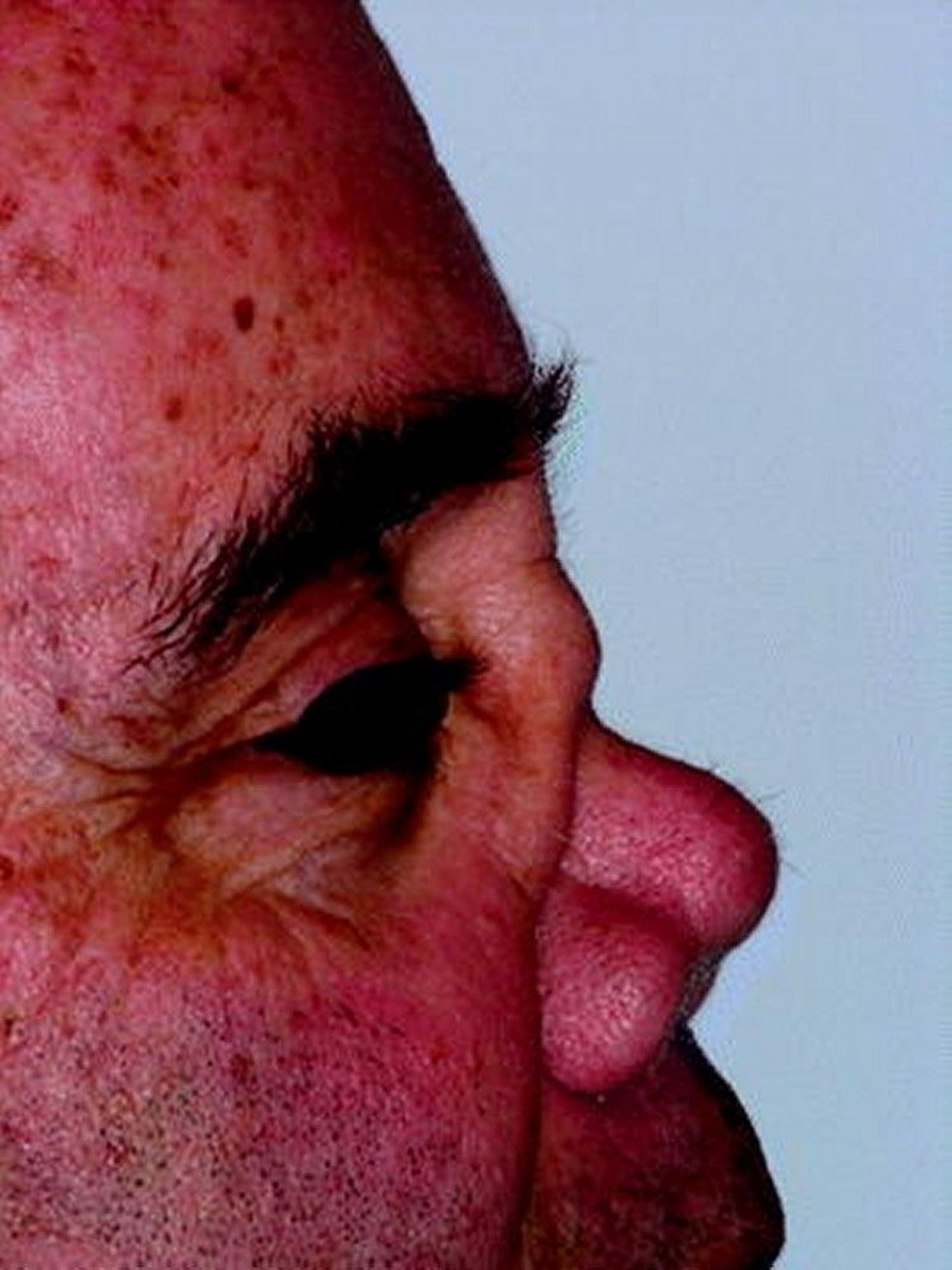
© Springer Science+Business Media

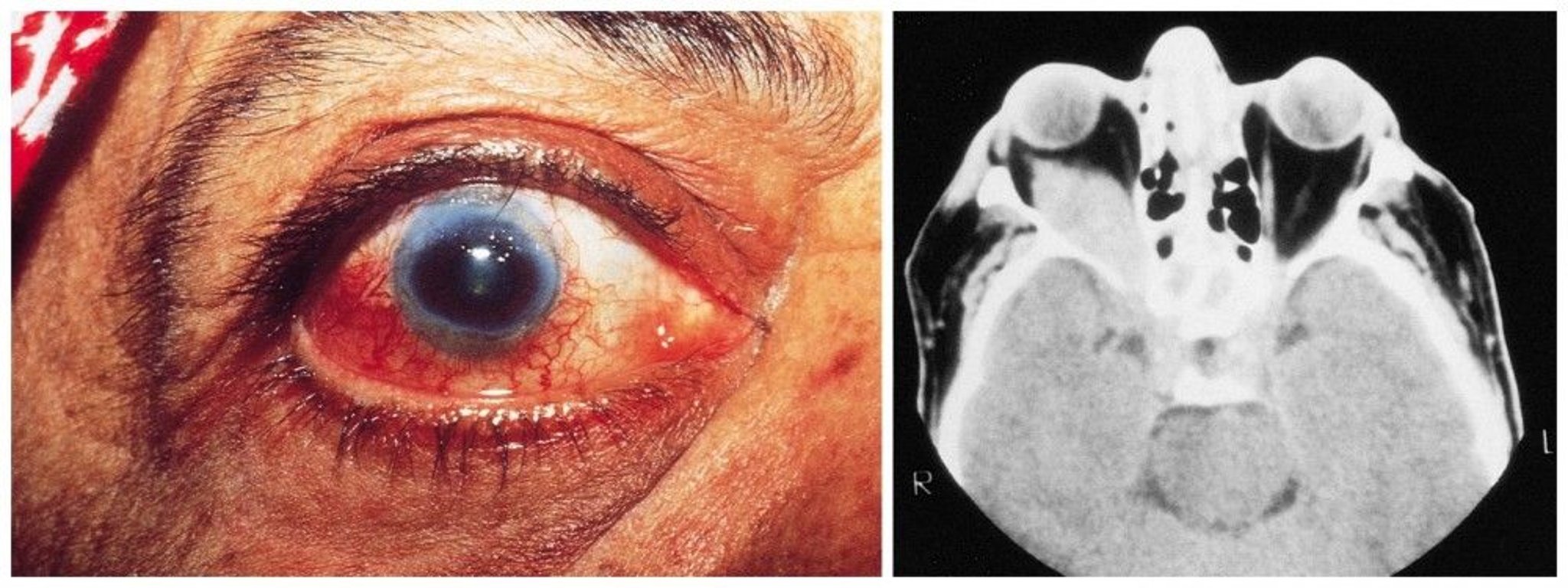
© Springer Science+Business Media
Diagnosis of GPA
Routine laboratory tests, including urinalysis
Tests for antineutrophil cytoplasmic antibodies
Chest and sinonasal CT
Biopsy for definitive diagnosis
Granulomatosis with polyangiitis should be suspected in patients with chronic, unexplained respiratory symptoms and signs (including otitis media in adults), particularly if manifestations in other organ systems, especially the kidneys, also suggest the disorder. Routine laboratory tests are done, but ANCA testing and selective biopsy of involved tissues yield the most specific findings. Biopsy of nasal tissue only rarely provides a definite diagnosis.

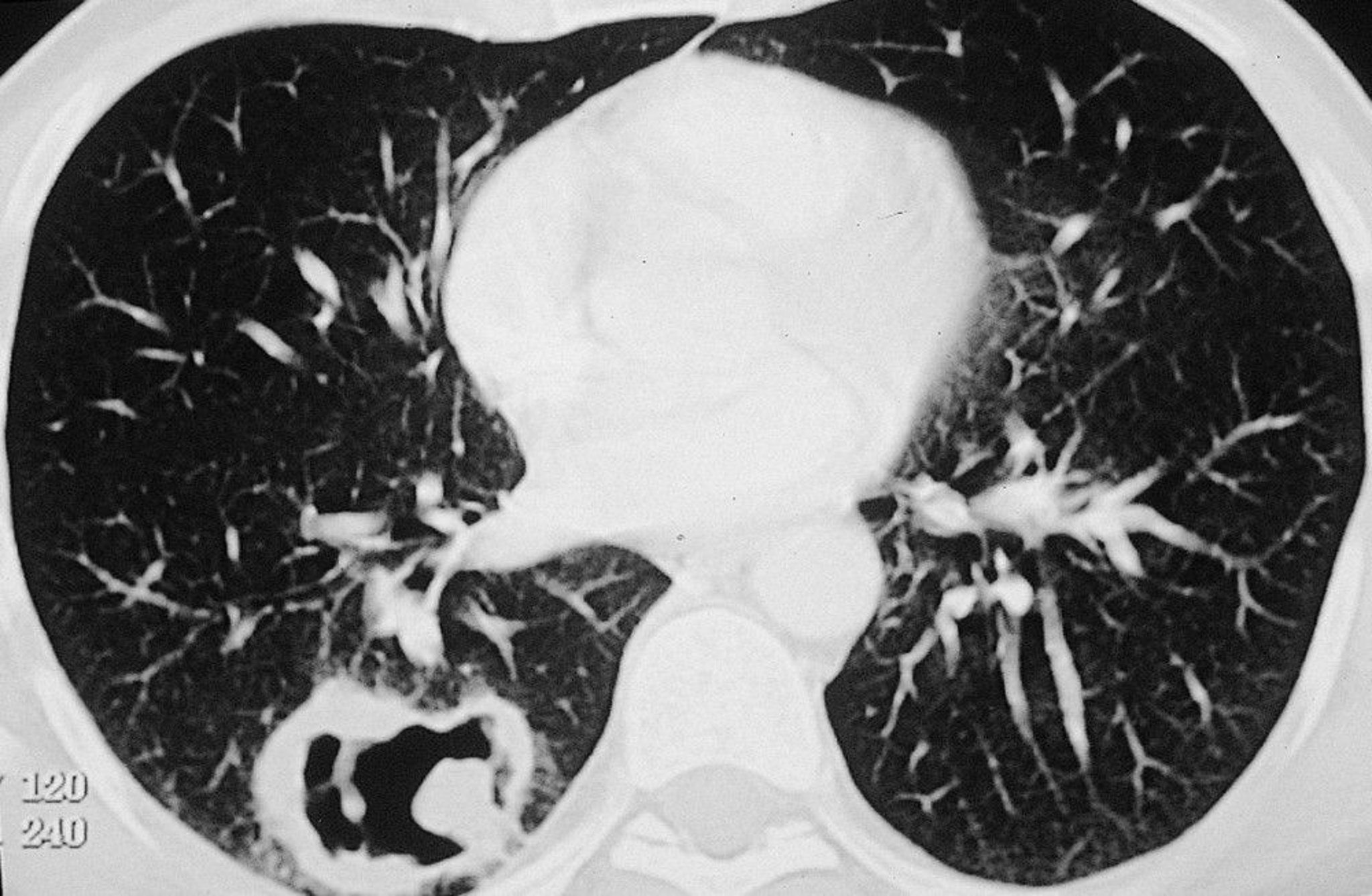
© Springer Science+Business Media
Serologic testing to detect antineutrophil cytoplasmic antibodies (ANCA) is followed by enzyme-linked immunosorbent assay (ELISA) to check for specific antibodies. Most patients with active disease have cytoplasmic ANCA (c-ANCA), with antibodies against proteinase-3 (PR3); these findings plus characteristic clinical findings suggest GPA.
A positive ANCA test does not rule out mycobacterial and fungal infections; thus, patients with positive ANCA results and cavitary lung lesions still require bronchoscopy and adequate cultures and other tests for tuberculosis and fungal infections. ANCA testing (titre) should not be used to guide subsequent treatment. During apparent remission, ANCA may increase or ANCA test results may change from negative to positive. In some of these patients, symptoms do not recur; in others, symptoms recur or worsen soon after the test is done or during the next few weeks, months, or sometimes years.
Biopsy should be done if possible to confirm the diagnosis of GPA. Clinically abnormal sites may be biopsied first. Biopsy of affected lung tissue is most likely to reveal characteristic findings; open thoracotomy provides the best access. Biopsies of lung or sinus tissue are cultured to exclude infection. Renal biopsy that shows pauci-immune necrotizing focal crescentic or noncrescentic glomerulonephritis strongly supports the diagnosis. Biopsy results of various tissues may also provide histologic information that can help guide treatment (eg, renal fibrosis).
Differential diagnosis includes other vasculitic disorders that affect small- and medium-sized vessels. Infections, especially those due to slow-growing fungi or acid-fast organisms, should be ruled out by staining and culture of the sampled tissues.
Prognosis for GPA
Prognosis depends on the severity and extent of disease and at least as much on how rapidly treatment occurs.
Use of immunosuppressants for severe disease has dramatically improved prognosis. With treatment, complete remission is possible for about 80% of patients, but about half of them eventually relapse; relapse may occur during remission maintenance therapy or after treatment is stopped (sometimes many years later). Resuming or increasing treatment can usually control the disorder. However, 90% of patients develop significant morbidity due to the disease and/or the treatments.
Treatment of GPA
Kidney transplantation if necessary
Treatment of granulomatosis with polyangiitis depends on the severity of disease. A multidisciplinary approach is required for multiorgan disease, often including a rheumatologist, otorhinolaryngologist, pulmonologist, and nephrologist.
Patients who have severe life-threatening or organ-threatening manifestations (eg, alveolar hemorrhage, rapidly progressive glomerulonephritis, acute multiple mononeuropathy with motor involvement) require immediate hospital admission for treatment to induce remission. These patients require high-dose corticosteroids and cyclophosphamide or rituximab (see Induction of remission). Efficacies of rituximab and cyclophosphamide appear to be similar for inducing and maintaining remission (1). Plasma exchange has not been shown to decrease the incidence of mortality or end-stage renal disease (2).
Rituximab seems to be particularly helpful in lowering the risk of recurrence. In one study that included patients with GPA and other ANCA-associated vasculitides, major relapses occurred in only 5% of patients treated with rituximab but occurred in 29% of patients treated with azathioprine (3). Whether rituximab should be given alone or in combination with another drug and the dose and frequency of rituximab are not entirely clear. However, in one retrospective study, relapse rates were lower when rituximab was combined with methotrexate, azathioprine, or mycophenolate mofetil than when rituximab
Rituximab may be used instead of methotrexate. For upper respiratory tract manifestations, rituximab appears to maintain remission better than cyclophosphamide, methotrexate, or azathioprine.
Corticosteroids are tapered to as low a dose as possible or discontinued.
Treatment of subglottic stenosis is difficult. Systemic immunosuppressants may not be effective. Intralesional injection of long-acting corticosteroids, with gentle progressive dilation, markedly improves outcome and limits the need for tracheostomy.
Patients should be taught about the disorder so that relapses can be detected early.
Kidney transplantation has been successful; the risk of relapse after transplantation is reduced compared with maintenance dialysis treatment (possibly due in part to use of immunosuppressants to prevent rejection).
Treatment references
1. Stone JH, Merkel PA, Spiera R, et al: Rituximab versus cyclophosphamide for ANCA-associated vasculitis. N Engl J Med 363:221–232, 2010. doi: 10.1056/NEJMoa0909905
2. Walsh M, Merkel PA, Peh CA, et al: Plasma exchange and glucocorticoids in severe ANCA-associated vasculitis. N Engl J Med 382(7):622-631, 2020. doi:10.1056/NEJMoa1803537
3. Guillevin L, Pagnoux C, Karras A, et al: Rituximab versus azathioprine for maintenance in ANCA-associated vasculitis. N Engl J Med 371:1771–1780, 2014. doi: 10.1056/NEJMoa1404231
Key Points
In granulomatosis with polyangiitis, vasculitis affects small- and medium-sized vessels in any organ, typically the kidneys (with glomerulonephritis), and upper and lower respiratory tracts with significant necrotizing parenchymal granulomatous inflammation, which is often more striking than the vasculitis.
Manifestations can affect various organ systems and often include upper and lower respiratory tract symptoms (eg, recurrent nasal discharge or epistaxis, cough), followed by hypertension and edema (due to kidney involvement).
Confirm the diagnosis with antineutrophil cytoplasmic antibodies testing and biopsy.
Relapses are common, and treatments can contribute to morbidity.
Induce remission with corticosteroids plus an immunosuppressant.


