





Hypothyroidism is thyroid hormone deficiency. Symptoms include cold intolerance, fatigue, and weight gain. Signs may include a typical facial appearance, hoarse slow speech, and dry skin. Diagnosis is with thyroid function tests. Management includes administration of thyroxine.
(See also Overview of Thyroid Function.)
Hypothyroidism occurs at any age but is particularly common among older adults, where it may present subtly and be difficult to recognize. Hypothyroidism may be
Primary: Caused by disease in the thyroid
Secondary: Caused by disease in the hypothalamus or pituitary
Primary hypothyroidism
Primary hypothyroidism is due to decreased secretion of thyroxine (T4) and triiodothyronine (T3) from the thyroid. Serum T4 and T3 levels are low, and thyroid-stimulating hormone (TSH) level is increased. In the United States, the most common cause is autoimmune inflammation. It usually results from Hashimoto thyroiditis and is often associated with a firm goiter or, later in the disease process, with a shrunken fibrotic thyroid with little or no function.
The second most common cause is treatment for hyperthyroidism (post-therapeutic hypothyroidism), especially after radioactive iodine therapy
Iodine deficiency may cause endemic goiter and goitrous hypothyroidism. Most patients with goiters not caused by Hashimoto thyroiditis are euthyroid or have hyperthyroidism. Iodine deficiency decreases thyroid hormonogenesis. In response, TSH is released, which causes the thyroid to enlarge and trap iodine avidly; thus, goiter results. If iodine deficiency is severe, the patient becomes hypothyroid, a rare occurrence in the United States since the advent of iodized salt.
Iodine deficiency can cause congenital hypothyroidism. In severely iodine-deficient regions worldwide, congenital hypothyroidism (previously termed endemic cretinism) is a major cause of intellectual disability.
Rare inherited enzymatic defects can alter the synthesis of thyroid hormone and cause goitrous hypothyroidism.
lithium
Hypothyroidism can result from radiation therapy for cancer of the larynx or Hodgkin lymphoma. The incidence of permanent hypothyroidism after radiation therapy is high, and thyroid function (through measurement of serum TSH) should be evaluated at 6- to 12-month intervals.
Secondary hypothyroidism
Secondary hypothyroidism occurs when the hypothalamus produces insufficient thyrotropin-releasing hormone (TRH) or the pituitary produces insufficient TSH.
Sometimes, deficient TSH secretion due to deficient TRH secretion is termed tertiary hypothyroidism.
Subclinical hypothyroidism
Subclinical hypothyroidism is elevated serum TSH in patients with absent or minimal symptoms of hypothyroidism and normal serum levels of free thyroxine (T4).
Subclinical thyroid dysfunction is relatively common; it occurs in approximately 15% of older females and 10% of older males (1), particularly in those with underlying Hashimoto thyroiditis.
In patients with serum TSH > 10 mIU/L (>
General reference
1. Cappola AR, Fried LP, Arnold AM, et al. Thyroid status, cardiovascular risk, and mortality in older adults. JAMA 2006;295(9):1033-1041. doi:10.1001/jama.295.9.1033
Symptoms and Signs of Hypothyroidism
Symptoms and signs of primary hypothyroidism are often subtle and insidious. The most common presenting symptoms are fluid retention and puffiness, especially periorbitally, tiredness, cold intolerance, and mental fogginess.
Various organ systems may be affected with many possible signs and symptoms, including
Metabolic: Cold intolerance, modest weight gain (due to fluid retention and decreased metabolism), hypothermia
Neurologic: Forgetfulness, paresthesias of the hands and feet (often due to carpal tunnel syndrome caused by deposition of proteinaceous ground substance in the ligaments around the wrist and ankle); slowing of the relaxation phase of deep tendon reflexes
Psychiatric: Personality changes, depression, dull facial expression, dementia or frank psychosis (myxedema madness)
Dermatologic: Facial puffiness; myxedema; sparse, coarse and dry hair; coarse, dry, scaly and thick skin; carotenemia, particularly notable on the palms and soles (caused by deposition of carotene in the lipid-rich epidermal layers); macroglossia due to deposition of proteinaceous ground substance in the tongue
Ocular: Periorbital swelling due to infiltration with the mucopolysaccharides hyaluronic acid and chondroitin sulfate, droopy eyelids because of decreased adrenergic drive
Gastrointestinal: Constipation
Gynecologic: Heavy menstrual bleeding or secondary amenorrhea
Cardiovascular: Slow heart rate (a decrease in both thyroid hormone and adrenergic stimulation causes bradycardia), enlarged heart on examination and imaging (partly because of dilation but chiefly because of pericardial effusion; pericardial effusions develop slowly and only rarely cause hemodynamic distress)
Other: Pleural or abdominal effusions (pleural effusions develop slowly and only rarely cause respiratory or hemodynamic distress), hoarse voice, and slow speech

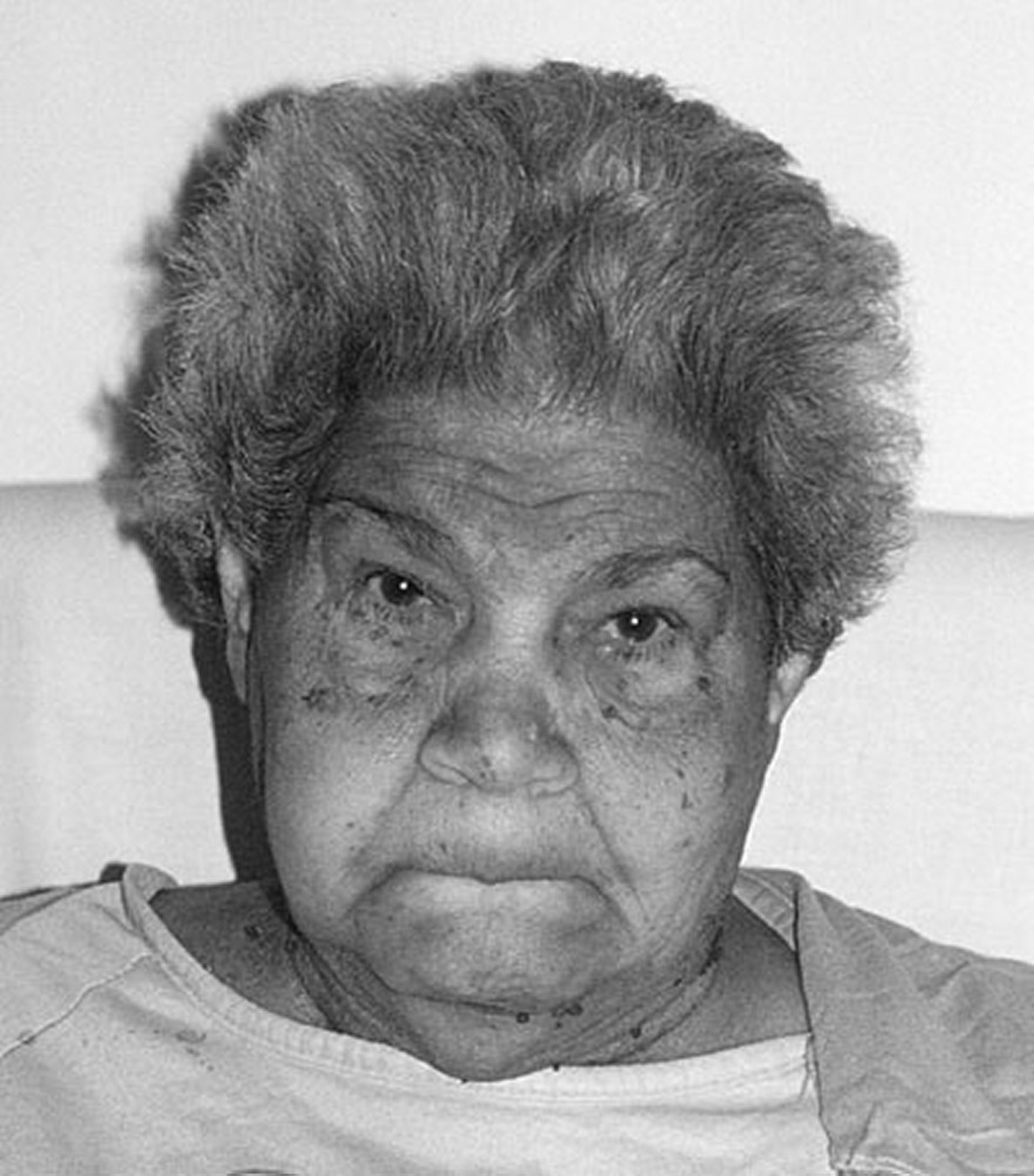
By permission of the publisher. From Burman K, Becker K, Cytryn A, et al. In Atlas of Clinical Endocrinology: Thyroid Diseases. Edited by SG Korenman (series editor) and MI Surks. Philadelphia, Current Medicine, 1999.
Symptoms can differ significantly in older patients.
Although secondary hypothyroidism is uncommon, its causes often affect other endocrine organs controlled by the hypothalamic-pituitary axis. In a female with hypothyroidism, indications of secondary hypothyroidism are a history of amenorrhea rather than heavy menstrual bleeding and some suggestive differences on physical examination.
Secondary hypothyroidism is characterized by skin and hair that are dry but not very coarse, skin depigmentation, only minimal macroglossia, atrophic breasts, and low blood pressure. Also, the heart is small, and serous pericardial effusions do not occur. Hypoglycemia is common because of concomitant adrenal insufficiency or growth hormone deficiency.
Myxedema coma
Myxedema coma is a life-threatening complication of hypothyroidism, usually occurring in patients with a long history of hypothyroidism. Its characteristics include coma with extreme hypothermia (temperature 24° to 32.2° C), areflexia, seizures, and respiratory depression with carbon dioxide retention. Severe hypothermia may be missed unless low-reading thermometers are used. Rapid diagnosis based on clinical judgment, history, and physical examination is imperative, because death is likely without rapid treatment. Precipitating factors include illness, infection, trauma, medications or substances that suppress the central nervous system, and exposure to cold.
Diagnosis of Hypothyroidism
Thyroid-stimulating hormone (TSH) level
Free thyroxine (T4) level
Serum thyroid-stimulating hormone measurement is the most sensitive test for diagnosing hypothyroidism. In primary hypothyroidism, there is decreased feedback inhibition of the intact pituitary, and serum TSH is always elevated, whereas serum free T4 is low. In secondary hypothyroidism, free T4 and serum TSH are low (sometimes TSH is normal but with decreased bioactivity).
Many patients with primary hypothyroidism have normal circulating levels of triiodothyronine (T3), probably caused by sustained TSH stimulation of the failing thyroid, resulting in preferential synthesis and secretion of biologically active T3. Therefore, serum T3 is not sensitive for hypothyroidism.
Anemia is often present, usually normocytic-normochromic and of unknown etiology, but it may be hypochromic because of iron deficiency due to heavy menstrual bleeding and sometimes macrocytic because of associated pernicious anemia or decreased absorption of folate. Anemia is rarely severe (hemoglobin is usually > 9 g/dL [> 90 g/L]). As the hypometabolic state is corrected, anemia subsides, sometimes requiring 6 to 9 months.
Serum cholesterol is usually high in primary hypothyroidism but not as high in secondary hypothyroidism.
In addition to primary and secondary hypothyroidism, other conditions may cause decreased levels of total T4, such as euthyroid sick syndrome and serum thyroxine-binding globulin (TBG) deficiency.
Screening
Screening for hypothyroidism is warranted in select populations (eg, neonates, older adults with risk factors) in which it is relatively more prevalent, especially because it can cause significant morbidity and its manifestations can be subtle. Screening is done by measuring TSH levels.
Treatment of Hypothyroidism
1)
Levothyroxine is preferred; the usual maintenance dose is 75 to 150 mcg orally once a day, depending on age, body mass index, and absorption (for pediatric treatment, see Hypothyroidism in Infants and Children). In young or middle-aged patients who are otherwise healthy, the starting dose of levothyroxine can be 100 mcg or 1.7 mcg/kg orally once a day.
levothyroxine should achieve a free T4 level in the midnormal range.
Similar patterns of serum T3 changes occur when mixtures of T3 and T4 are taken orally, although peak T3 is lower because less T3 is given. Replacement regimens with synthetic T4 preparations reflect a different pattern in serum T3 response. Increases in serum T3 occur gradually, and normal levels are maintained when adequate doses of T4 are given. Desiccated animal thyroid preparations contain variable amounts of T3 and T4 and should not be prescribed unless the patient is already taking the preparation and has normal serum TSH.
cortisol secretion (or cortisol therapy is given), because levothyroxine could precipitate adrenal crisis.
Myxedema coma
Myxedema coma is treated as follows:
T4 given IV
Corticosteroids
Supportive care as needed
Conversion to oral T4 when patient is stable
Patients require a large initial dose of T4 (300 to 500 mcg IV) or T3 (25 to 50 mcg IV). The intravenous maintenance dose of T4 is 75 to 100 mcg once a day and of T3, 10 to 20 mcg twice a day until T4 can be given orally. Corticosteroids are also given because the possibility of central hypothyroidism usually cannot be initially ruled out. The patient should not be rewarmed rapidly, which may precipitate hypotension or arrhythmias.
Hypoxemia is common, so the partial pressure of oxygen in arterial blood (PaO2) should be monitored. If ventilation is compromised, immediate mechanical ventilatory assistance is required. The precipitating factor should be rapidly and appropriately treated and fluid replacement given carefully, because hypothyroid patients do not excrete water appropriately. Finally, all medications should be given cautiously because they are metabolized more slowly than in healthy people.
Treatment reference
1. Jonklaas J, Bianco AC, Bauer AJ, et al: Guidelines for the Treatment of Hypothyroidism: Prepared by the American Thyroid Association Task Force on Thyroid Hormone Replacement. Thyroid 24(12): 1670–1751, 2014. doi: 10.1089/thy.2014.0028
Geriatrics Essentials: Hypothyroidism
Hypothyroidism is particularly common among older adults. It occurs in close to 10% of women and 6% of men > 65 years. Although typically easy to diagnose in younger adults, hypothyroidism may be subtle and manifest atypically in older adults.
Older patients have significantly fewer symptoms than do younger patients, and symptoms and signs are often subtle and vague. Many older patients with hypothyroidism present with nonspecific geriatric syndromes—confusion, anorexia, weight loss, falling, incontinence, and decreased mobility. Musculoskeletal symptoms (especially arthralgias) occur often, but arthritis is rare. Muscular aches and weakness, often mimicking polymyalgia rheumatica or polymyositis, and an elevated creatine kinase (CK) level may occur. In older patients, hypothyroidism may mimic dementia or parkinsonism.
Key Points
Primary hypothyroidism is most common; it is due to disease in the thyroid, and thyroid-stimulating hormone (TSH) levels are high.
Secondary hypothyroidism is less common; it is due to pituitary or hypothalamic disease, and TSH levels are low.
Symptoms develop insidiously and typically include cold intolerance, constipation, and cognitive and/or personality changes; later, the face becomes puffy and the facial expression dull.
Free thyroxine (T4) level is always low, but triiodothyronine (T3) level may remain normal early in some disorders.
Serum TSH measurement is the best diagnostic test.
Myxedema coma is a life-threatening complication that requires rapid diagnosis and treatment.


