





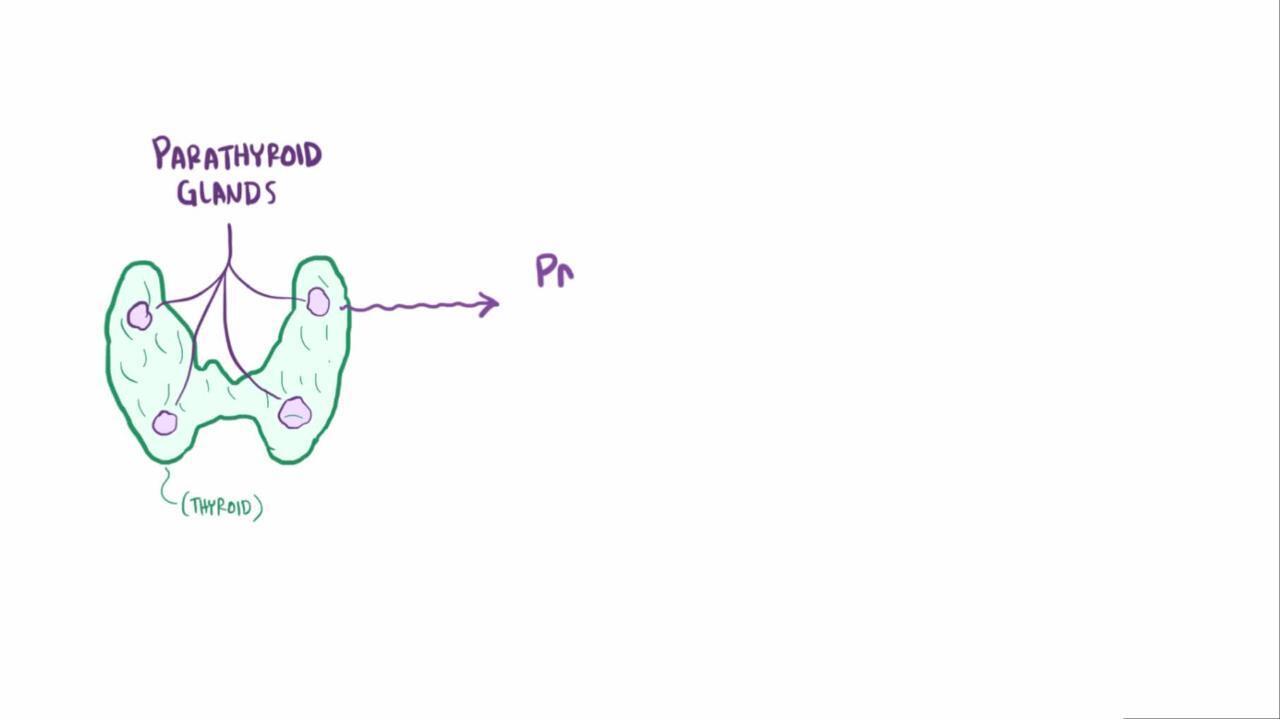
DiGeorge syndrome is thymic and parathyroid hypoplasia or aplasia leading to T-cell immunodeficiency and hypoparathyroidism. Infants with DiGeorge syndrome have low-set ears, midline facial clefts, a small receding mandible, hypertelorism, a shortened philtrum, developmental delay, and congenital heart disorders. Diagnosis is based on clinical findings and includes assessments of immune and parathyroid function and chromosome analysis. Treatment includes supportive measures and, if severe, thymus or stem cell transplantation.
(See also Overview of Immunodeficiency Disorders and Approach to the Patient With an Immunodeficiency Disorder.)
DiGeorge syndrome is a primary immunodeficiency disorder that involves T cell defects. It results from gene deletions in the DiGeorge chromosomal region at 22q11, mutations in genes at chromosome 10p13, and mutations in other unknown genes, which cause dysembryogenesis of structures that develop from pharyngeal pouches during the 8th week of gestation. Most cases are sporadic; boys and girls are equally affected. When inherited, inheritance is autosomal dominant.
DiGeorge syndrome may be
Partial: Some T-cell function exists
Complete: T-cell function is absent
Patients may have congenital heart disorders (eg, interrupted aortic arch, truncus arteriosus, tetralogy of Fallot, atrial or ventricular septal defects). They also may have thymic and parathyroid hypoplasia or aplasia, causing T-cell deficiency and hypoparathyroidism.
Symptoms and Signs of DiGeorge Syndrome
Infants with DiGeorge syndrome have low-set ears, midline facial clefts, a small receding mandible, hypertelorism, a shortened philtrum, developmental delay, and manifestations of congenital heart disorders (eg, heart murmurs, tachycardia, tachypnea, dyspnea during feeding). Hypoparathyroidism may cause symptomatic hypocalcemia; hypocalcemic tetany appears within 24 to 48 hours of birth.
Recurrent infections begin soon after birth, but the degree of immunodeficiency varies considerably, and T-cell function may improve spontaneously.
Prognosis often depends on severity of the heart disorder.
Diagnosis of DiGeorge Syndrome
Immune function assessment with immunoglobulin (Ig) levels, vaccine titers, and lymphocyte subset counts
Chromosome analysis
Diagnosis of DiGeorge syndrome is based on clinical findings.
An absolute lymphocyte count is done, followed by B- and T-cell counts and evaluation of lymphocyte subsets if leukopenia is detected. Blood tests to evaluate T-cell and parathyroid function are done. Ig levels and vaccine titers are measured. If complete DiGeorge syndrome is suspected, the T-cell receptor excision circle (TREC) test should also be done.
Parathyroid function is assessed by measuring levels of calcium and parathyroid hormone. Low or even low-normal PTH concentration in patients with hypocalcemia is inappropriate and suggests hypoparathyroidism.
A lateral chest x-ray may help evaluate thymic shadow.
Fluorescent in situ hybridization (FISH) testing can detect the chromosomal deletion in the 22q11 region; standard chromosomal tests to check for other abnormalities may also be done.
If DiGeorge syndrome is suspected or patients have manifestations of congenital heart defects, echocardiography is done. Cardiac catheterization may be necessary if patients present with cyanosis.
Because most cases are sporadic, screening of relatives is not necessary.
Treatment of DiGeorge Syndrome
Complete syndrome: Transplantation of cultured thymus tissue or hematopoietic stem cells
Complete DiGeorge syndrome is fatal without treatment, which is transplantation of cultured thymus tissue or hematopoietic stem cell transplantation. A review of thymus transplantation has shown relatively good results with T cell reconstitution by 5 to 6 months (1).
Treatment reference
1. Davies EG, Cheung M, Gilmour K, et al: Thymus transplantation for complete DiGeorge syndrome: European experience. J Allergy Clin Immunol140: 1660–1670.e16, 2017.


