
Patients & CaregiversHealthcare ProfessionalsWorldwide
HomeAbout MerckProductsNewsroomInvestor RelationsCareersResearchLicensingThe Merck Manuals
THE MERCK MANUAL MEDICAL LIBRARY: The Merck Manual of Diagnosis and Therapy
Tips for better results
ABCDEFGHI
JKLMNOPQR
STUVWXYZ

Section

Subject

Topics

Chloramphenicol

Update Me

Chloramphenicol Some Trade Names
CHLOROMYCETIN
Click for Drug Monograph
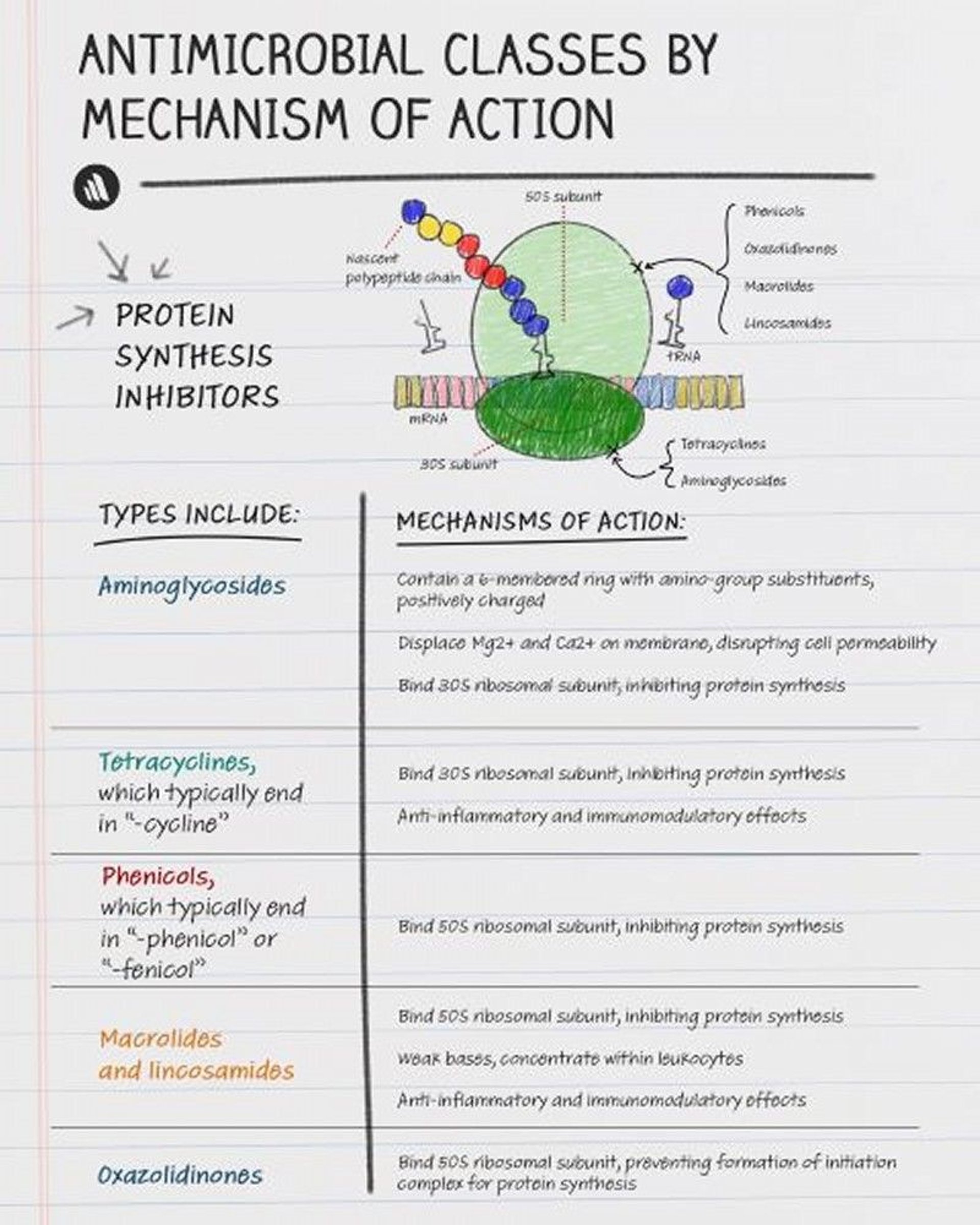
is primarily bacteriostatic. It binds to the 50S subunit of the ribosome, thereby inhibiting bacterial protein synthesis.

Pharmacology: Chloramphenicol Some Trade Names
CHLOROMYCETIN
Click for Drug Monograph
is well absorbed orally. Parenteral therapy should be IV. It is distributed widely in body fluids, including CSF, and is excreted in urine. Because of hepatic metabolism, active chloramphenicol Some Trade Names
CHLOROMYCETIN
Click for Drug Monograph
does not accumulate with renal insufficiency.

Indications: Chloramphenicol Some Trade Names
CHLOROMYCETIN
Click for Drug Monograph
has a wide spectrum of activity against gram-positive and gram-negative cocci and bacilli (including anaerobes), Rickettsia , Mycoplasma, and Chlamydia and Chlamydophila. Because of bone marrow toxicity, the availability of alternative antibiotics, and the emergence of resistance, chloramphenicol Some Trade Names
CHLOROMYCETIN
Click for Drug Monograph
is no longer a drug of choice for any infection, except serious infections due to a few multidrug-resistant pathogens that retain susceptibility to this antibiotic. However, outcomes of chloramphenicol Some Trade Names
CHLOROMYCETIN
Click for Drug Monograph
treatment of meningitis caused by relatively penicillin-resistant pneumococci have been discouraging.

Toxicity: Chloramphenicol Some Trade Names
CHLOROMYCETIN
Click for Drug Monograph
can cause 2 types of bone marrow depression: a reversible dose-related interference with iron metabolism and an irreversible idiosyncratic form of aplastic anemia. The reversible form is most likely with high doses or prolonged treatment and in patients with severe liver disease. Serum iron and saturation of serum iron-binding capacity increase; reticulocytes decrease; and vacuolization of RBC precursors, anemia, leukopenia, and thrombocytopenia develop. Irreversible idiosyncratic aplastic anemia occurs in < 1/25,000 patients. Onset may be delayed until after therapy is stopped. Chloramphenicol Some Trade Names
CHLOROMYCETIN
Click for Drug Monograph
should not be used topically because small amounts may be absorbed and, rarely, can cause aplastic anemia.

Hypersensitivity reactions are uncommon. Optic and peripheral neuritis may occur with prolonged use. Nausea, vomiting, and diarrhea may occur.

The neonatal gray baby syndrome, which involves circulatory collapse, is often fatal. The cause is high blood levels resulting from inability of the immature liver to metabolize chloramphenicol Some Trade Names
CHLOROMYCETIN
Click for Drug Monograph
. To avoid the syndrome, infants 1 mo are not given > 25 mg/kg/day initially and doses are adjusted to serum levels.

Last full review/revision November 2005

Content last modified November 2005

Back to Top

Previous: Aminoglycosides

Next: Daptomycin

Audio
Figures
Photographs
Tables
Videos
Contact UsSite MapPrivacy PolicyTerms of UseCopyright 1995-2007 Merck & Co., Inc.