





Bacterial tracheitis is bacterial infection of the trachea, typically causing dyspnea and stridor. Diagnosis is by direct laryngoscopy in a controlled setting and imaging findings. Treatment is with airway control and IV antibiotics effective against Staphylococcus aureus and streptococcal species.
Bacterial tracheitis is uncommon and can affect children of any age. Staphylococcus aureus and group A beta-hemolytic streptococci are involved most frequently.
Symptoms and Signs of Bacterial Tracheitis
Most children have symptoms of viral respiratory infection for 1 to 3 days before the onset of severe symptoms of stridor and dyspnea. In a few children, onset is acute and is characterized by respiratory stridor, high fever, and often copious purulent secretions. Rarely, bacterial tracheitis develops as a complication of viral croup or endotracheal intubation. As in patients with epiglottitis, children with bacterial tracheitis may have marked toxicity and respiratory distress that may progress rapidly and may require intubation.
Complications of bacterial tracheitis include hypotension, cardiorespiratory arrest, bronchopneumonia, and sepsis. Subglottic stenosis secondary to prolonged intubation is uncommon. Most children treated appropriately recover without sequelae.
Diagnosis of Bacterial Tracheitis
Direct laryngoscopy
Characteristic radiographic findings
Diagnosis of bacterial tracheitis is suspected clinically and can be confirmed by direct laryngoscopy, which reveals purulent secretions and inflammation in the subglottic area with a shaggy, purulent membrane, or by lateral neck radiograph, which reveals subglottic narrowing that may be irregular as opposed to the symmetric tapering (steeple sign) typical of croup. Direct laryngoscopy should be done in controlled circumstances where an artificial airway can be rapidly established if necessary.

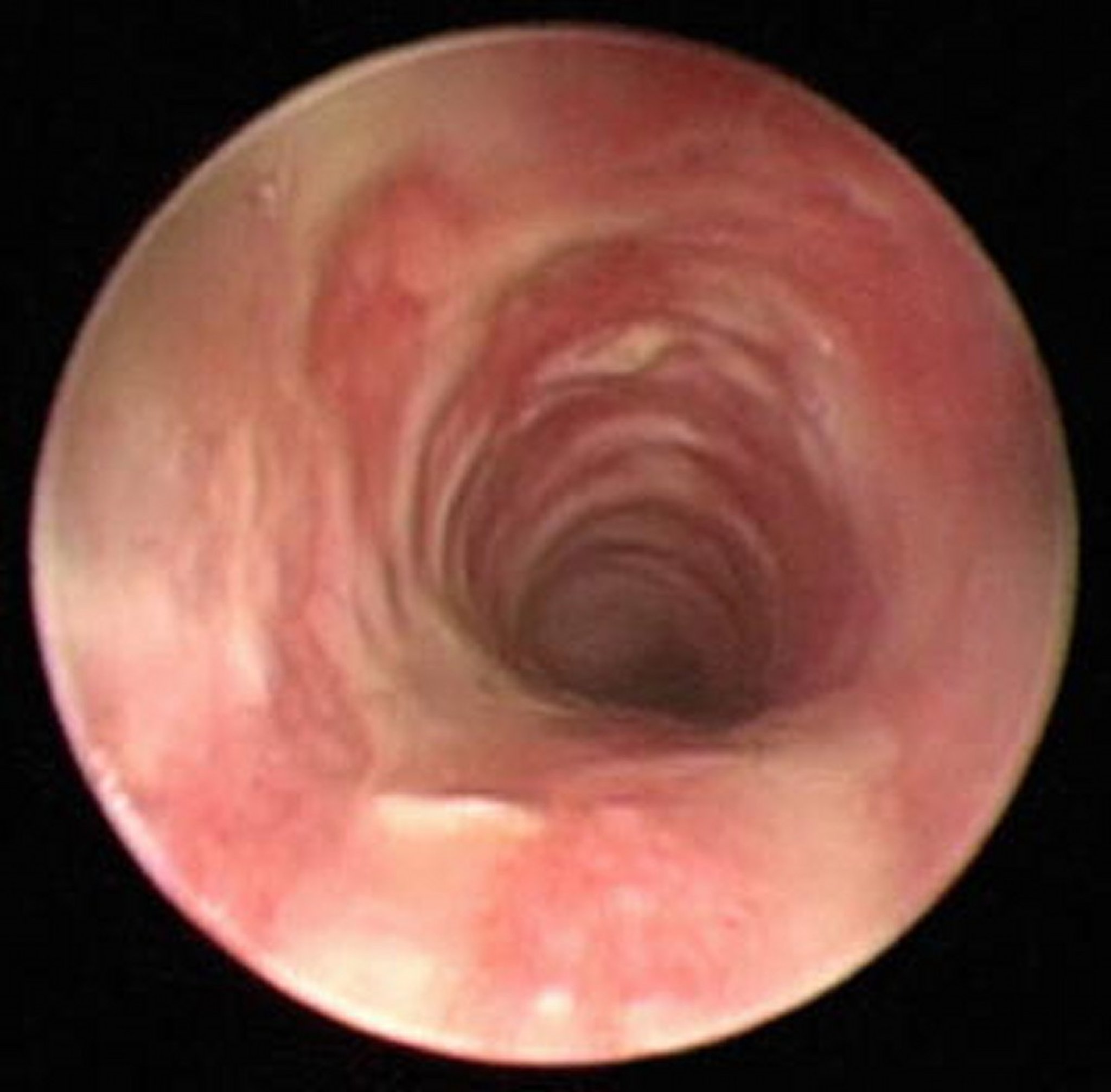
© Springer Science+Business Media

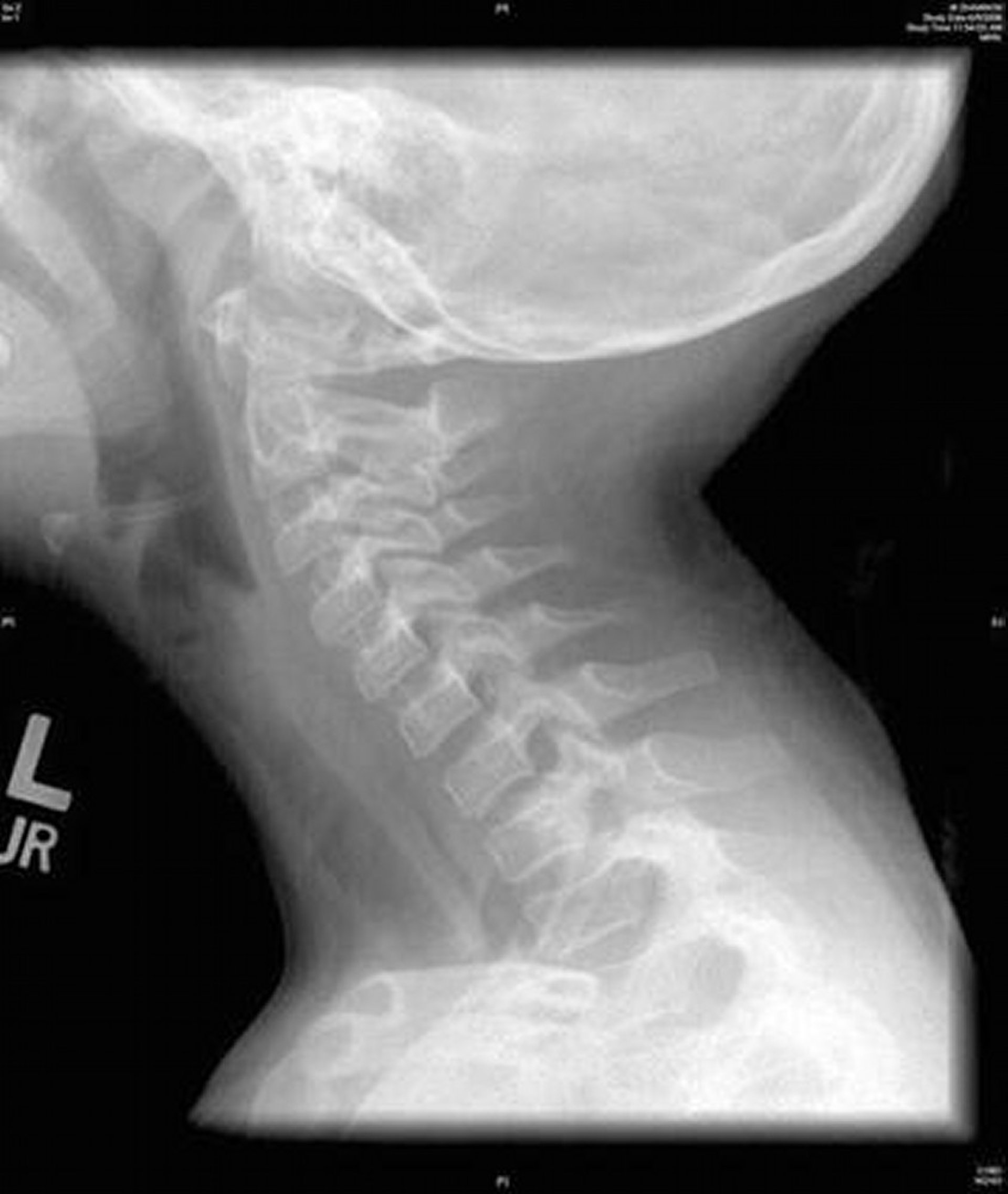
© Springer Science+Business Media
Treatment of Bacterial Tracheitis
Adequate airway ensured
Antibiotics effective against S. aureus and streptococcal species
Treatment of bacterial tracheitis in severe cases is the same as that for epiglottitis; whenever possible, endotracheal intubation should be done in controlled circumstances by a clinician skilled in managing a pediatric airway (1).
Initial antibiotics should cover S. aureus, including methicillin-resistant S. aureus≥ 10 days.
Treatment reference
1. Tebruegge M, Pantazidou A, Thorburn K, et al: Bacterial tracheitis: a multi-centre perspective. Scand J Infect Dis 41(8):548-557, 2009. doi: 10.1080/00365540902913478
Key Points
Bacterial tracheitis, although uncommon, can affect children of any age.
Most children have symptoms of respiratory infection for 1 to 3 days before developing stridor and dyspnea.
Clinical suspicion of bacterial tracheitis can be confirmed with a lateral neck radiograph or direct laryngoscopy; however, direct laryngoscopy should be done in controlled circumstances where an artificial airway can be rapidly established if necessary.
Severe bacterial tracheitis should be treated as for epiglottis, with adequate airway ensured.
Give initial antibiotics effective against S. aureus and streptococcal species, but narrow coverage once the specific pathogen is identified.


