





Trauma to the spine may cause injuries involving the spinal cord, vertebrae, or both. Occasionally, the spinal nerves are affected. The anatomy of the spinal column is reviewed elsewhere.
Spinal cord injury may be
Complete
Incomplete
(See also Approach to the Trauma Patient.)
Etiology of Spinal Trauma
Spinal cord injury
During a typical year, there are about 18,000 spinal cord injuries in the United States or 54 cases per million persons per year (1).
The most common causes of spinal cord injuries are as follows (1):
Motor vehicle crashes (39%)
Falls (32%)
The remainder of spinal cord injuries are attributed to assault (13%), sports (8%), and work-related injuries (1). About 78% of patients are male (1).
In older patients, falls are the most common cause. Osteoporotic bones and degenerative joint disease may increase the risk of cord injury at lower impact velocities due to angulations formed by the degenerated joints, osteophytes impinging on the cord, and brittle bone allowing for easy fracture through critical structures.
Spinal cord injuries occur when blunt physical force damages the vertebrae, ligaments, or disks of the spinal column, causing bruising, crushing, or tearing of spinal cord tissue, and when the spinal cord is penetrated (eg, by a gunshot or a knife wound). Such injuries can also cause vascular injury with resultant ischemia or hematoma (typically extradural), leading to further damage. All forms of injury can cause spinal cord edema, further decreasing blood flow and oxygenation. Damage may be mediated by excessive release of neurotransmitters from damaged cells, an inflammatory immune response with release of cytokines, accumulation of free radicals, and apoptosis.
Vertebral injury
Vertebral injuries may be
Fractures, which may involve the vertebral body, lamina, and pedicles as well as the spinous, articular, and transverse processes
Dislocations, which typically involve the facets
Subluxations, which may involve ligament rupture without bony injury
In the neck, fractures of the posterior elements and dislocations can damage the vertebral arteries, causing a syndrome resembling a brain stem stroke.
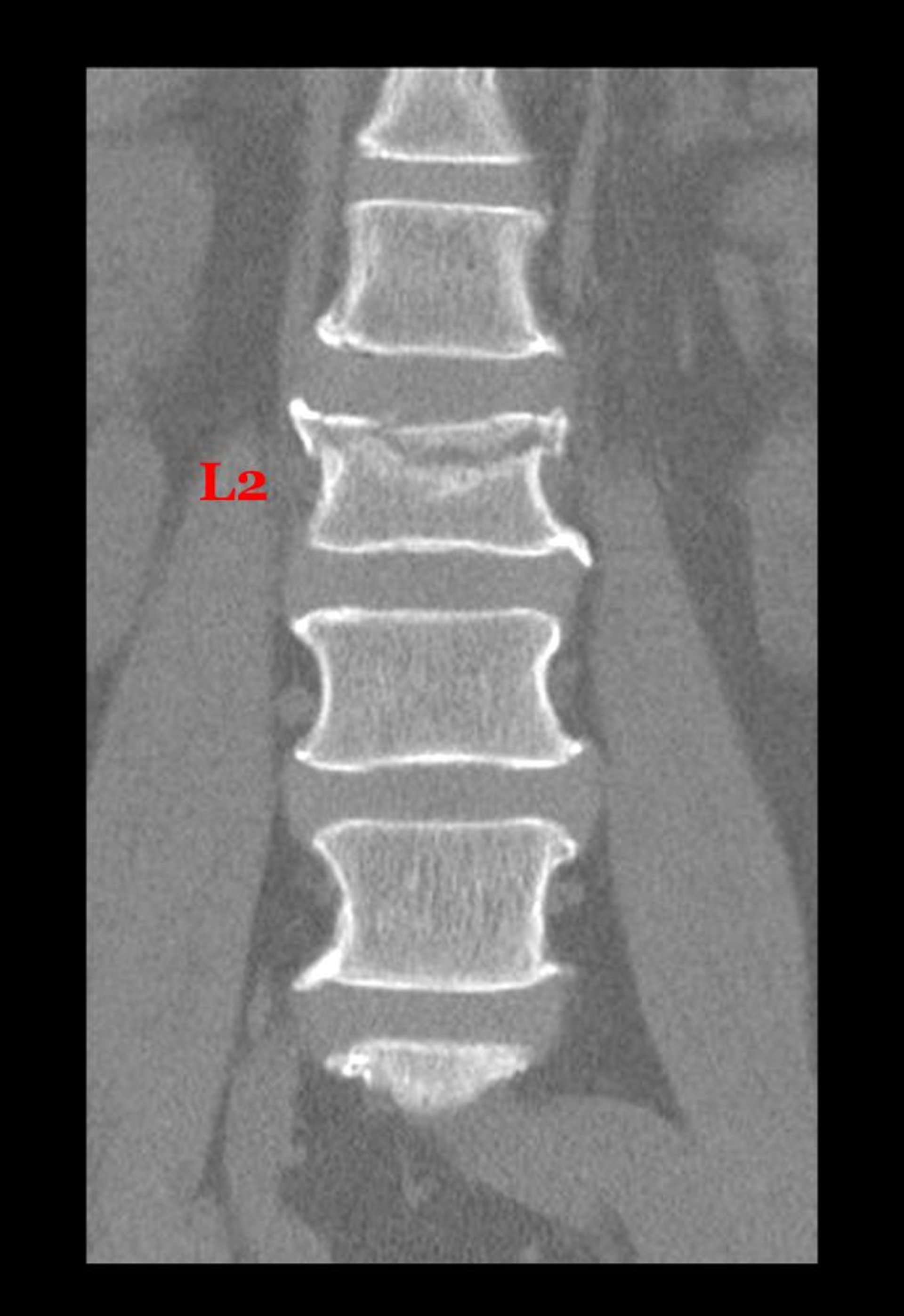
Unstable vertebral injuries are those in which bony and/or ligamentous integrity are disrupted sufficiently that free movement can occur, potentially compressing the spinal cord or its vascular supply and resulting in marked pain and potential worsening of neurologic function. Such vertebral movement may occur even with a shift in patient position (eg, for ambulance transport, during initial evaluation). Stable vertebral fractures are able to resist such movement.

Living Art Enterprises, LLC /SCIENCE PHOTO LIBRARY
Specific injuries typically vary with mechanism of trauma. Flexion injuries can cause wedge fractures of the vertebral body or spinous process fractures. Greater flexion force may cause bilateral facet dislocation, or if the force occurs at the level of C1 or C2, odontoid fracture, atlanto-occipital or atlantoaxial subluxation, or both fracture and subluxation. Rotational injury can cause unilateral facet dislocation. Extension injury most often causes posterior neural arch fracture. Compression injuries can cause burst fractures of vertebral bodies.
Cauda equina injury
The lower tip of the spinal cord (conus medullaris) is usually at, or above, the level of the L1 vertebra. Spinal nerves below this level comprise the cauda equina. Thus, findings in spinal injuries below this level may mimic those of spinal cord injury, particularly conus medullaris syndrome (see table Spinal Cord Syndromes).
Etiology reference
1. National Spinal Cord Injury Statistical Center: Facts and Figures at a Glance. Birmingham, AL: University of Alabama at Birmingham, 2019.
Symptoms and Signs of Spinal Trauma
The cardinal sign of spinal cord injury is a discrete injury level in which neurologic function above the injury is intact, and function below the injury is absent or markedly diminished. Muscle strength is assessed using the standard 0 to 5 scale. Specific manifestations depend on the exact level (see table Effects of Spinal Cord Injury by Location) and whether cord injury is complete or incomplete. Priapism may occur in the acute phase of spinal cord injury.
In addition to motor and sensory function, upper motor neuron signs are an important finding in cord injury. These signs include increased deep tendon reflexes and muscle tone, a plantar extensor response (upgoing toe), clonus (most commonly found at the ankle by rapidly flexing the foot upward), and a Hoffman reflex (a positive response is flexion of the terminal phalanx of the thumb after flicking the nail of the middle finger).
Vertebral injury, as with other fractures and dislocations, typically is painful, but patients who are distracted by other painful injuries (eg, long bone fractures) or whose level of consciousness is altered by intoxicants or head injury may not complain of pain.
Complete cord injury
Complete spinal cord injury leads to
Immediate, complete, flaccid paralysis (including loss of anal sphincter tone)
Loss of all sensation and reflex activity
Autonomic dysfunction below the level of the injury
High cervical injury (at or above C5) affects the muscles controlling respiration, causing respiratory insufficiency; ventilator dependence may occur, especially in patients with injuries at or above C3. Autonomic dysfunction due to cervical cord injury can result in bradycardia and hypotension; this condition is termed neurogenic shock. Unlike in other forms of shock, the skin remains warm and dry. Arrhythmias and blood pressure instability may develop. Pneumonia is a frequent cause of death in people with a high cervical cord injury, especially in those who are ventilator dependent.
Flaccid paralysis gradually changes over hours to weeks to spastic paralysis with increased deep tendon reflexes due to loss of descending inhibition. Later, if the lumbosacral cord is intact, flexor muscle spasms appear and autonomic reflexes return.
Incomplete cord injury
In incomplete spinal cord injury, motor and sensory loss occurs, and deep tendon reflexes may be hyperactive, but sensation is preserved at least in segments S4 to S5. Motor and sensory loss may be permanent or temporary, depending on the etiology; function may be lost briefly due to concussion or more lastingly due to a contusion or laceration. Sometimes, however, rapid swelling of the cord results in total neurologic dysfunction that resembles complete cord injury; this condition is termed spinal shock (not to be confused with neurogenic shock). Symptoms resolve over one to several days, but residual disability often remains.
Manifestations depend on which portion of the cord is involved; several discrete syndromes are recognized (see table Spinal Cord Syndromes).
Brown-Séquard syndrome results from unilateral hemisection of the cord. Patients have ipsilateral spastic paralysis and loss of position sense below the lesion, and contralateral loss of pain and temperature sensation.
Anterior cord syndrome results from direct injury to the anterior spinal cord or to the anterior spinal artery. Patients lose motor and pain sensation bilaterally below the lesion. Posterior cord function (vibration, proprioception) is intact.
Central cord syndrome usually occurs in patients with a narrowed cervical spinal canal (congenital or degenerative) after a hyperextension injury. Motor function in the arms is impaired to a greater extent than that in the legs. If the posterior columns are affected, posture, vibration, and light touch are lost. If the spinothalamic tracts are affected, pain, temperature, and, often, light or deep touch are lost. Hemorrhage in the spinal cord resulting from trauma (hematomyelia) is usually confined to the cervical central gray matter, resulting in signs of lower motor neuron damage (muscle weakness and wasting, fasciculations, and diminished tendon reflexes in the arms), which is usually permanent. Motor weakness is often proximal and accompanied by selective impairment of pain and temperature sensation.
Cauda equina lesions
Motor loss or sensory loss, or both, usually partial, occurs in the distal legs. Sensory symptoms are generally bilateral but usually asymmetric, affecting one side more than the other. Sensation is usually diminished in the perineal region (saddle anesthesia). Bowel and bladder dysfunction, either incontinence or retention, may occur. Men may have erectile dysfunction, and women diminished sexual response. Anal sphincter tone is lax, and bulbocavernosus and anal wink reflexes are abnormal. These findings may be similar to those of conus medullaris syndrome.
Complications of spinal cord injury
Sequelae depend on the severity and level of the injury. Breathing may be impaired if the injury is at or above the C5 segment. Reduced mobility increases the risk of blood clots, urinary tract infections, contractures, atelectasis, pneumonia, and pressure ulcers. Disabling spasticity may develop. Cardiovascular instability is common soon after cervical cord injury and is related to neurogenic shock and autonomic dysreflexia that occur in response to triggering events such as pain or pressure on the body. Chronic neurogenic pain may manifest as burning or stinging.
Diagnosis of Spinal Trauma
Consideration of injury in high-risk patients, even those without symptoms
CT
Spinal injuries resulting from trauma are not always obvious. Injury to the spine and spinal cord must be considered in patients with
Injuries that involve the head
Pelvic fractures
Penetrating injuries in the area of the spine
Injuries sustained in motor vehicle crashes
Severe blunt injuries
Injuries sustained by falling from heights or diving into water
In older patients, spinal column injury must also be considered after minor falls.
Injury to the spine and spinal cord should also be considered in patients with altered sensorium, localized spinal tenderness, painful distracting injuries, or compatible neurologic deficits.
Diagnosis of spine and spinal cord injuries includes assessment of nerve function, including reflex, motor, and sensation, and imaging.
Manifestations of injury may be characterized using the ASIA (American Spinal Injury Association) Impairment Scale or a similar instrument (see table Spinal Injury Impairment Scale).
Nerve studies
Motor function is tested in all extremities. Sensation testing should involve light touch (posterior column function), pinprick (anterior spinothalamic tract), and position sense (posterior column function). Identification of the sensory level is best done by testing from distal to proximal and by testing thoracic roots on the back to avoid being misled by the cervical "cape"-like distribution (involving sensory changes at the upper back, base of the neck, and proximal upper arms) characteristic of central cord syndrome. Priapism indicates spinal cord damage. Rectal tone may be decreased, and deep tendon reflexes may be exuberant or absent.
Imaging
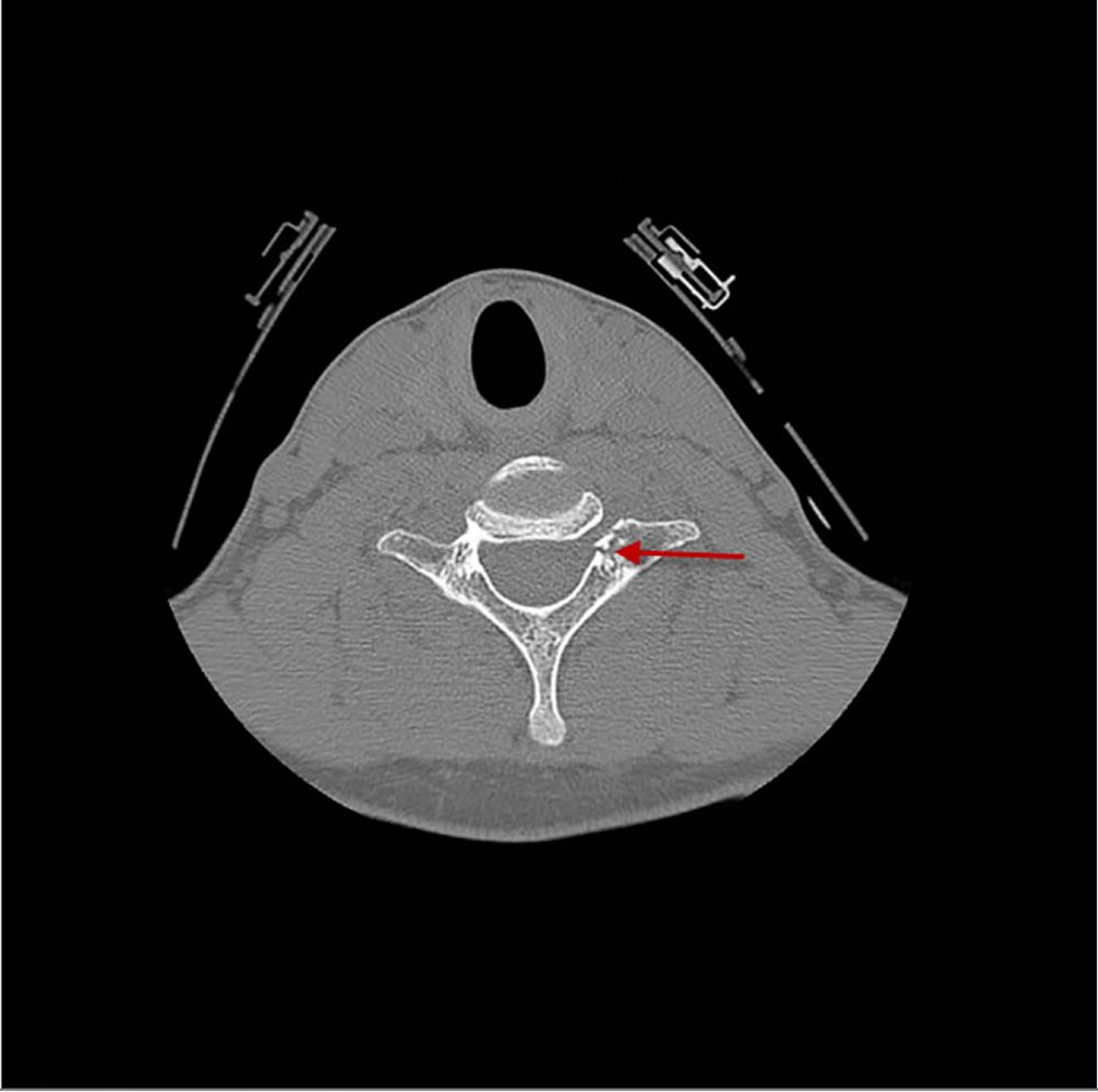
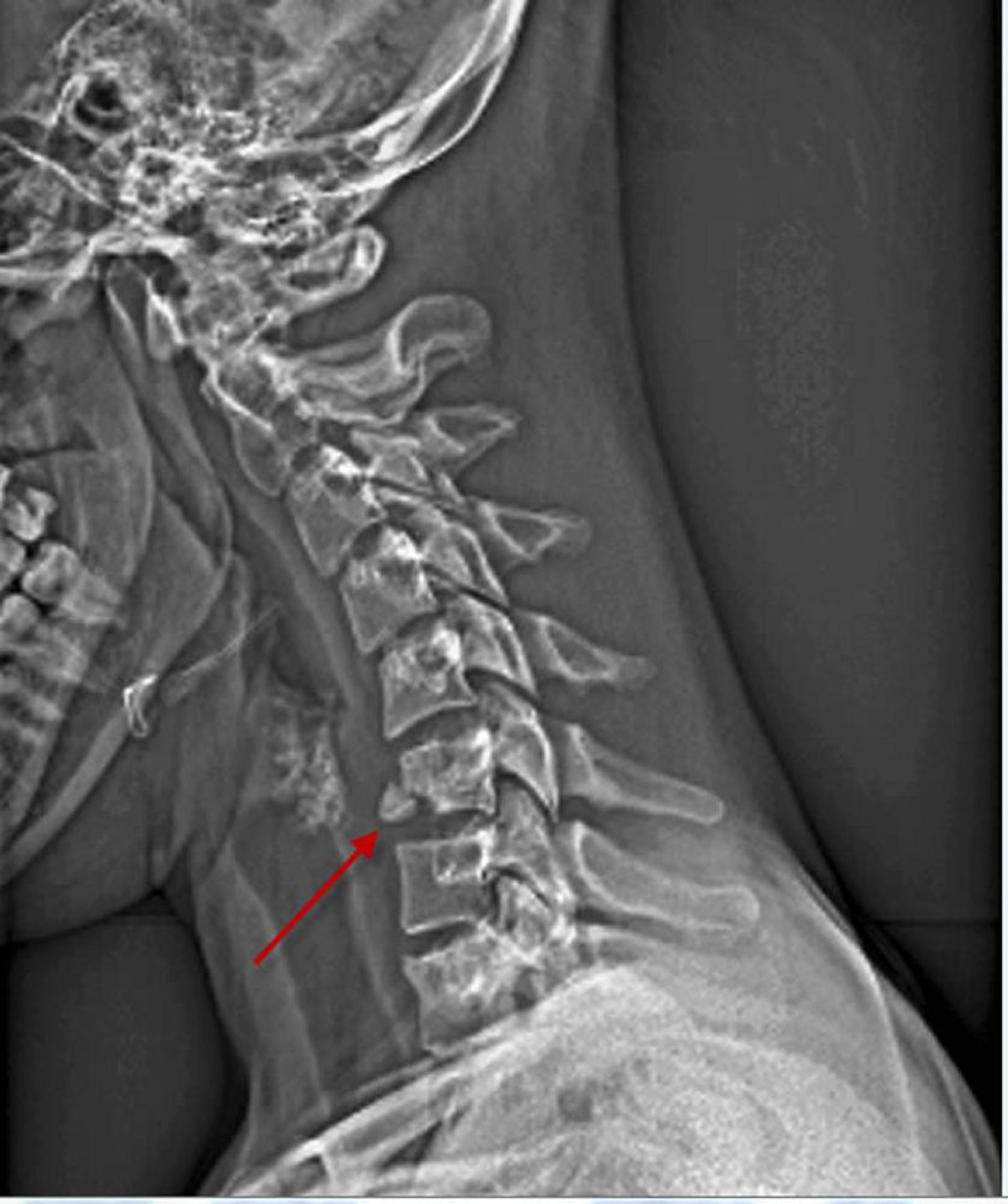
Traditionally, plain x-rays are taken of any possibly injured areas. CT is done of areas that appear abnormal on x-rays and areas at risk of injury based on clinical findings. However, CT is being used increasingly as the primary imaging study for spinal trauma because it has better diagnostic accuracy and, at many trauma centers, can be obtained rapidly.
MRI helps identify the type and location of cord injury; it is the most accurate study for imaging the spinal cord and other soft tissues but may not be immediately available.

DR P. MARAZZI/SCIENCE PHOTO LIBRARY

ZEPHYR/SCIENCE PHOTO LIBRARY
If a cervical spine fracture, subluxation, or ligamentous injury is identified, a vascular study is usually warranted (typically, CT angiography) to rule out concomitant carotid or vertebral artery injuries (1).
Diagnosis reference
1. Burlew CC, Biffl WL, Moore EE, et al: Blunt cerebrovascular injuries: Redefining screen criteria in the era of non-invasive diagnosis. J Trauma Acute Care Surg 72(2):p 539, 2012. | doi: 10.1097/TA.0b013e31824b6133
Treatment of Spinal Trauma
Immobilization
Maintenance of oxygenation and spinal cord perfusion
Supportive care
Surgical stabilization when appropriate
Long-term symptomatic care and rehabilitation
Immediate care
Guidelines for the management of acute cervical spine and spinal cord injuries are available from the American Association of Neurological Surgeons and the Congress of Neurological Surgeons (1).
An important goal is to prevent secondary injury to the spine or spinal cord.
In unstable injuries, flexion or extension of the spine can contuse or transect the cord. Thus, when injured people are moved, inappropriate handling can precipitate paraplegia, quadriplegia, or even death due to spinal injury.
Patients who may have a spinal injury should have the spine immobilized immediately; the neck is held straight manually (inline stabilization) during endotracheal intubation. As soon as possible, the spine is fully immobilized on a firm, flat, padded backboard or similar surface to stabilize the position without excessive pressure. A rigid collar should be used to immobilize the cervical spine. Patients with thoracic or lumbar spine injuries can be carried prone or supine. Those with cervical cord damage that could induce respiratory difficulties should be carried supine, with attention to maintaining a patent airway and avoiding chest constriction. Transfer to a trauma center is desirable.
Medical care should be directed at avoiding hypotension and hypoxia, both of which can further stress the injured cord. Many experts advocate maintaining mildly elevated blood pressure with mean arterial pressure (MAP) ≥ 85 to 90 mm Hg for 5 to 7 days to improve spinal cord perfusion and to reduce hypotensive episodes that may adversely affect recovery (1, 2, 3≥ 90% to prevent cord ischemia. In cervical injuries above C5, which compromise phrenic nerve input, intubation and respiratory support are usually needed.
Large doses of corticosteroids, started within 8 hours after spinal cord injury, have long been used in attempts to improve the outcome in blunt injuries, but multiple randomized clinical trials in adults have not only failed to demonstrate any added clinical benefit but have also documented increased risk of wound infection, pulmonary embolism, sepsis, and death (1+ 5.4 mg/kg/hour for 23 hours) for patients who present within 8 hours of their injury. This recommendation is based on a systematic review of all 3 randomized clinical trials that found a moderate benefit for patients who arrive at the hospital soon after injury without any increase in complications (4).
Injuries are treated with rest, analgesics, and muscle-relaxers with or without surgery until swelling and local pain have subsided. Additional general treatment for trauma patients is provided as necessary.
Unstable injuries are immobilized until bone and soft tissues have healed in proper alignment; surgery with fusion and internal fixation is sometimes needed. Patients with incomplete cord injuries can have significant neurologic improvement after decompression. In contrast, in complete injury, return of useful neurologic function below the level of the injury is unlikely. Thus, surgery aims to stabilize the spine to allow early mobilization.
Relief of compression caused by bone fragments, epidural hematoma, or acute malalignment may be needed. Many surgeons recommend bedside manual reduction even before MRI (or operation) for translation-rotational or distraction injury of the cervical spine causing active cord compression. However, in general, patients with clear neurologic deficits from spinal trauma should undergo MRI evaluation to define the soft tissue injury and rule out any active compressive pathology prior to any surgical intervention. Early surgery allows for earlier mobilization and rehabilitation. Recent retrospective and prospective studies suggest that the optimal timing of decompression surgery for incomplete cord injuries is within 24 hours of injury. For complete injuries, surgery is sometimes done in the first few days, but it is not clear that this timing affects outcome. The only randomized controlled trial so far to investigate the timing of surgery for spinal cord injury analyzed incomplete and complete cord injuries together. That study found better neurologic outcome at 6 months if decompression surgery was done within 24 hours of injury rather than later (5).
Other invasive treatments still under investigation include lumbar drain placement for cerebrospinal fluid (CSF) diversion for spinal cord injury and surgical duroplasty during decompression surgery. Both techniques aim to decrease increased intrathecal CSF pressure (and the resulting secondary injury) caused by spinal cord contusion and edema.
Nursing care includes preventing urinary and pulmonary infections and pressure ulcers—eg, by turning the immobile patient every 2 hours (on a prone-positioning bed when necessary). Deep venous thrombosis prophylaxis is required. A removable inferior vena cava filter could be considered in immobile patients who have contraindications to anticoagulation.
Long-term care after spinal cord injury
Rehabilitation is needed to help people recover as fully as possible. Rehabilitation, best provided through a team approach, combines physical therapies, skill-building activities, and counseling to meet social and emotional needs. The rehabilitation team is best directed by a physician with training and expertise in rehabilitation (physiatrist); it usually includes nurses, social workers, nutritionists, psychologists, physical and occupational therapists, recreational therapists, and vocational counselors.
Physical therapy focuses on exercises for muscle strengthening, passive stretch exercises to prevent contractures, and appropriate use of assistive devices such as braces, a walker, or a wheelchair that may be needed to improve mobility. Strategies for controlling spasticity, autonomic dysreflexia, and neurogenic pain are taught.
Occupational therapy focuses on redeveloping fine motor skills. Bladder and bowel management programs teach toileting techniques, which may require intermittent catheterization. A bowel regimen, involving timed stimulation with laxatives, is often needed.
Vocational rehabilitation involves assessing both fine and gross motor skills, as well as cognitive capabilities, to determine the likelihood for meaningful employment. The vocational specialist then helps identify possible work sites and determines need for assistive equipment and workplace modifications. Recreation therapists use a similar approach in identifying and facilitating participation in hobbies, athletics, and other activities.
Emotional care aims to combat the depersonalization and the almost unavoidable depression that occur after losing control of the body. Emotional care is fundamental to the success of all other components of rehabilitation and must be accompanied by efforts to educate the patient and encourage active involvement of family and friends.
Investigational treatments
Treatments to promote nerve regeneration and minimize scar tissue formation in the injured cord are under study. Such treatments include implantation of a polymer scaffold at the level of cord injury as well as injections of autologous, incubated macrophages; human-derived embryonic stem cell oligodendrocytes; neural stem cells; and trophic factors. Stem cell research is being done; many animal studies have shown promising results and there have been several phase I and II human clinical trials.
Implantation of an epidural stimulator is another treatment modality under investigation to improve voluntary movement after spinal cord injury. During epidural stimulation, electrical pulses are delivered to the surface of the spinal cord below the injury.
Treatment references
1. Walters BC, Hadley MN, Hurlbert RJ, et al: Guidelines for the management of acute cervical spine and spinal cord injuries: 2013 Updates. Neurosurgery 60(CN_suppl_1):82–91. doi: 10.1227/01.neu.0000430319.32247.7f
2. Hawryluk G, Whetstone W, Saigal R, et al: Mean arterial blood pressure correlates with neurological recovery after human spinal cord injury: Analysis of high frequency physiologic data. J Neurotrauma 32(24):1958–1967, 2015. doi: 10.1089/neu.2014.3778
3. Vale FL, Burns J, Jackson AB, et al: Combined medical and surgical treatment after acute spinal cord injury: Results of a prospective pilot study to assess the merits of aggressive medical resuscitation and blood pressure management. J Neurosurg 87(2):239–246, 1997. doi: 10.3171/jns.1997.87.2.0239
4. Fehlings MG, Wilson JR, Tetreault LA, et alGlobal Spine J7(3 Suppl):203S-211S, 2017. doi: 10.1177/2192568217703085
5. Fehlings MG, Vaccaro A, Wilson JR, et al: Early versus delayed decompression for traumatic cervical spinal cord injury: Results of the Surgical Timing in Acute Spinal Cord Injury Study (STASCIS). PLoS One 7(2):e32037, 2012. doi:10.1371/journal.pone.0032037
Prognosis for Spinal Trauma
Transection of the spinal cord results in irreparable injury and permanent loss of neurologic function below the injury site. Nerve root avulsion also causes permanent loss of function; less severe traumatic injuries from compression or stretching of the nerve tissue can result in recovery of function, depending on the degree of injury to the axons, endoneurium, and epineurium. (See Seddon's classification [1] and Sunderland's classification [2].) Return of some movement or sensation during the first week after injury heralds a favorable recovery. Dysfunction remaining after 6 months is likely to be permanent; however, the American Spinal Injury Association (ASIA) grade may improve by one grade for up to one year after injury. Some research demonstrates return of some function in previous complete spinal cord injuries with spinal cord stimulation.
Prognosis references
1. Seddon HJ: Three types of nerve injury. Brain 66(4):237–288, 1942. doi.org/10.1093/brain/66.4.237
2. Sunderland S: A classification of peripheral nerve injuries producing loss of function. Brain 74(4):491–516, 1951. https://doi.org/10.1093/brain/74.4.491
Key Points
In addition to patients with obvious spinal trauma, suspect spinal cord injuries in patients at increased risk for spinal injury, including older patients who may have had a fall and patients with an altered sensorium, neurologic deficits suggesting cord injury, or localized spinal tenderness.
To ensure recognition of incomplete spinal cord injuries, test motor function and sensory function (including light touch, pinprick, and position sensation) and check for disproportionate weakness in the upper extremities.
Immediately immobilize the spine in patients at risk.
Arrange for immediate CT or, if available, MRI.
Arrange for surgery within 24 hours of injury if patients have incomplete cord injuries.
Treat irreversible spinal cord injury with multimodal rehabilitation and medications that control spasticity.
More Information
The following English-language resources may be useful. Please note that THE MANUAL is not responsible for the content of these resources.
ASIA and ISCoS International Standards Committee: The 2019 revision of the International Standards for Neurological Classification of Spinal Cord Injury (ISNCSCI)-What's new? Spinal Cord 57(10):815-817, 2019. doi: 10.1038/s41393-019-0350-9


