





A virus is composed of nucleic acid, either DNA or RNA, surrounded by a protein coat. It requires a living cell in which to multiply. A viral infection can lead to a spectrum of symptoms from asymptomatic (no overt symptoms) to severe disease.
People may get viruses by swallowing or inhaling them, by being bitten by insects, through sexual contact, or congenitally (passed by a pregnant person to the fetus).
Most commonly, viral infections involve the nose, throat, and upper airways, or systems such as the nervous, gastrointestinal, and reproductive systems.
Doctors may base the diagnosis on symptoms, blood tests and cultures, or examination of infected tissues.
Antiviral drugs may interfere with the reproduction of viruses or strengthen the immune response to the viral infection.
A virus is a small infectious organism—much smaller than a fungus or bacterium—that must invade a living cell to reproduce (replicate). The virus attaches to a cell (called the host cell), enters the cell, and releases its DNA or RNA inside the cell. The virus’s DNA or RNA is the genetic material containing the information needed to replicate the virus. The virus’s genetic material takes control of the host cell and forces it to replicate the virus. The infected cell usually dies because the virus keeps it from performing its normal functions. When the infected host cell dies, it releases new viruses, which go on to infect other cells.
Viruses are classified as DNA viruses or RNA viruses, depending on whether they use DNA or RNA to replicate. DNA viruses include herpesviruses. RNA viruses include SARS-CoV2, which causes COVID-19. RNA viruses also include retroviruses, such as HIV (human immunodeficiency virus). RNA viruses, particularly retroviruses, are prone to mutate, meaning the set of genetic instructions that contain all the information that the virus needs to function can change as the virus spreads.
Some viruses do not kill the cells they infect but instead alter the cell's functions. Sometimes the infected cell loses control over normal cell division and becomes cancerous.
Some viruses, such as hepatitis B virus and hepatitis C virus, can cause chronic infections. Chronic hepatitis can last for years, even decades. In many people, chronic hepatitis is quite mild and causes little liver damage. However, in some people, it eventually results in cirrhosis (severe scarring of the liver), liver failure, and sometimes liver cancer.
Did You Know...
|
Viruses usually infect one particular type of cell. For example, common cold viruses infect only cells of the upper respiratory tract. Additionally, most viruses infect only a few species of plants or animals. Some infect only people.
Many viruses commonly cause infections in infants and children and older adults.
Types of viral infections
Upper respiratory infections (infections of the nose, throat, upper airways, and lungs) are likely the most common viral infections.
Upper respiratory infections include sore throat, sinusitis, and the common cold. Other viral respiratory infections include influenza, pneumonia, and coronaviruses, including SARS-CoV-2 (the virus that causes COVID-19).
In small children, viruses also commonly cause croup (which is inflammation of the upper and lower airways, called laryngotracheobronchitis) or lower airways (bronchiolitis).
Respiratory infections are more likely to cause severe symptoms in infants, older people, and people with a lung or heart disorder. Respiratory viruses are typically spread from person to person by contact with infected respiratory droplets.
Other viruses infect other specific parts of the body:
Gastrointestinal tract: Infections of the gastrointestinal tract, such as gastroenteritis, are commonly caused by viruses, such as noroviruses and rotaviruses.
Liver: These infections result in hepatitis.
Nervous system: Some viruses, such as the rabies virus and the West Nile virus, infect the brain, causing encephalitis. Others infect the layers of tissue that cover the brain and spinal cord (meninges), causing meningitis.
Skin: Viral infections that affect only the skin sometimes result in warts or other blemishes. Many viruses that affect other parts of the body, such as chickenpox, also cause a rash.
Placenta and fetus: Some viruses, such as the Zika virus, the rubella virus, and cytomegalovirus, can infect the placenta and fetus in pregnant women.
Some viruses typically affect many body systems. Such viruses include enteroviruses (such as coxsackieviruses and echoviruses) and cytomegaloviruses.
Spread of viruses
Viruses are spread (transmitted) in various ways. They may be
Swallowed
Inhaled
Spread by the bites of insects, such as mosquitoes, certain biting flies, or ticks
Spread sexually (in sexually transmitted infections)
Spread during transfusion of contaminated blood
Spread congenitally during pregnancy
New human viruses sometimes develop from viruses that usually affect animals (for example, SARS-CoV and SARS-CoV-2). This happens when the infected animal host comes into close contact with susceptible humans.
Many viruses that were once present in only a few parts of the world are now spreading. These viruses include chikungunya virus, Crimean-Congo hemorrhagic fever virus, Japanese encephalitis virus, Rift Valley Fever virus, West Nile virus, Ross River virus, Zika virus, and louping ill virus. These viruses are spreading partly because climate change has resulted in more areas where the mosquitoes or ticks that spread the viruses can live. Also, travelers may be infected, then return home and be bitten by a mosquito, which spreads the virus to other people.
Defenses against viruses
The body has a number of defenses against viruses:
Physical barriers, such as the skin, which discourage easy entry
The body's immune defenses, which attack the virus
When a virus enters the body, it triggers the body's immune defenses. These defenses begin with white blood cells, such as lymphocytes and monocytes, which learn to attack and destroy the virus or the cells the virus has infected. If the body survives the virus attack, some of the white blood cells remember the invader and are able to respond more quickly and effectively to a subsequent infection by the same virus. This response is called immunity. Immunity can also be produced by getting a vaccine.
Viruses and cancer
Some viruses alter the DNA of their host cells in a way that helps cancer develop. Some viruses, such as herpesviruses and HIV, leave their genetic material in the host cell, where the material remains dormant for an extended time (called latent infection). When the cell is disturbed, the virus may begin replicating again and cause disease.
Only a few viruses are known to cause cancer, but there may be others.
Diagnosis of Viral Infections
A doctor's evaluation
For infections that occur in epidemics, the presence of other similar cases
For some infections, blood tests and cultures
Common viral infections (such as measles, rubella, or chickenpox) may be diagnosed based on symptoms.
For infections that occur in epidemics (such as influenza), the presence of other similar cases may help doctors identify a particular infection. Laboratory diagnosis is important for distinguishing between different viruses that cause similar symptoms, such as COVID-19 (SARS-CoV2) and influenza.
For other infections, blood tests and cultures (growing microorganisms in the laboratory from samples of blood, body fluid, or other material taken from an infected area) may be done. Polymerase chain reaction (PCR) techniques may be used to make many copies of the viral genetic material. PCR techniques make it easier for doctors to rapidly and accurately identify the virus. Blood may also be tested for antigens, which are proteins on or in viruses that trigger the body's defense. Blood may also be tested for antibodies to viruses. (Antibodies are proteins produced by the immune system to help defend the body against a particular attack.) Tests are usually done quickly, especially when the infection is a serious threat to public health or when symptoms are severe.
A sample of blood or other tissues is sometimes examined with an electron microscope, which provides high magnification with clear resolution.
Treatment of Viral Infections
Treatment of symptoms
Sometimes antiviral drugs
Treatment of symptoms
There are no specific treatments for many viruses. However, many things can help relieve certain symptoms, such as the following:
Dehydration: Plenty of fluids, sometimes given by vein (intravenously)
nonsteroidal anti-inflammatory drugs (NSAIDs)
Some rashes: Soothing or moisturizing creams and sometimes an antihistamine taken by mouth for itching
Not everyone who has these symptoms needs treatment. If symptoms are mild, it may be better to wait for them to go away on their own. Some treatments may not be appropriate for infants and young children.
Antiviral drugs
Medications that combat viral infections are called antiviral drugs. Many viral infections do not have effective antiviral drugs available to treat them. However, there are several drugs for influenza, many drugs for infection by one or more herpesviruses (see table Some Antiviral Drugs for Herpesvirus Infections), and many antiviral drugs for treatment of HIV, hepatitis C, hepatitis B, and COVID-19, which is caused by SAR-CoV-2.
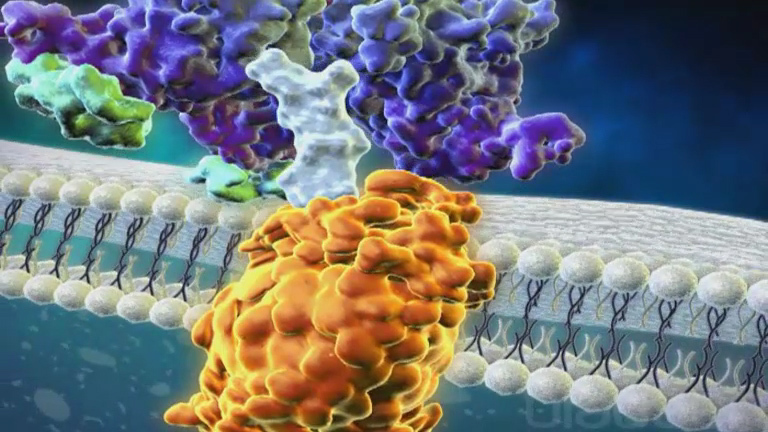
Many antiviral drugs work by interfering with replication of viruses. Most drugs used to treat HIV infection work this way. Because viruses are tiny and replicate inside cells using the cells' own metabolic functions, there are only a limited number of metabolic functions that antiviral drugs can target. In contrast, bacteria are relatively large organisms, commonly reproduce by themselves outside of cells, and have many metabolic functions that antibacterial drugs (antibiotics) can target. Therefore, antiviral drugs are much more difficult to develop than antibiotics. Also, unlike antibiotics, which are usually effective against many different species of bacteria, most antiviral drugs are usually effective against only one (or a very few) viruses.
Antiviral drugs can be toxic to human cells. Also, viruses can develop resistance to antiviral drugs.
Most antiviral drugs can be given by mouth. Some can also be given by injection into a vein (intravenously) or muscle (intramuscularly). Some are applied as ointments, creams, or eye drops or are inhaled as a powder.
Antibiotics are not effective against viral infections, but if a person has a bacterial infection in addition to a viral infection, an antibiotic is often necessary.
Interferons are replicas of naturally occurring substances that slow or stop viral replication. These drugs are used to treat certain viral infections such as
Interferons may have side effects, such as fever, chills, weakness, and muscle aches. These effects typically start 7 to 12 hours after the first injection and last up to 12 hours.
Antibodies from the blood of a person who has recovered from the viral infection (convalescent serum) and antibodies that are produced in a laboratory from living cells that have been altered to produce the desired antibodies (monoclonal antibodies) are used to treat some viral infections including (for example, respiratory syncytial virus [RSV] infection, rabies).
Prevention of Viral Infections
Prevention of viral infections may include
Vaccines and immune globulins help the body better defend itself against diseases caused by certain viruses (or bacteria). The process of strengthening the body's defenses is called immunization.
General measures
People can help prevent many viral infections by routine measures to protect themselves and others (personal protective measures). These measures vary depending on the how the virus is spread. Measures include the following:
Frequently and thoroughly washing the hands with soap
Consuming only food and liquids that have been appropriately prepared or treated
Avoiding contact with infected people and contaminated surfaces
Sneezing and coughing into tissues (which should be thrown away) or into the upper arm, completely covering the mouth and nose
Using safe-sex practices
Preventing bites by ticks, mosquitoes, and other arthropods
Mask wearing
Physical distancing when appropriate (for example, for COVID-19 prevention)
Vaccines
Vaccines work by stimulating the body’s natural defense mechanisms (called active immunization). Vaccines are given before exposure to a virus to prevent infection.
Viral vaccines in general use include the following:
Human papillomavirus (HPV)
Japanese encephalitis (inflammation of the brain)
Shingles (herpes zoster)
Adenovirus, smallpox, and mpox vaccines are available but used only in people who are at high risk of getting the infection, such as certain military personnel.
Viral diseases can be eradicated by effective vaccines. Smallpox was eradicated in 1978. Extensive vaccination has almost eradicated polio worldwide, but cases still occur in areas with incomplete immunization, such as sub-Saharan Africa and southern Asia. Measles has been almost eradicated from some parts of the world, such as the Americas. However, because measles is highly contagious and vaccination coverage is incomplete even in regions where it is considered eradicated, it is not likely to be completely eliminated soon.
Immune globulins
Immune globulins are a sterilized solution of antibodies (also called immunoglobulins) collected from the blood of a group of people. Immune globulins are given directly to a person (called passive immunization).
Immunoglobulins can be collected from the blood of the following:
People who are generally healthy (these immunoglobulins are called pooled human immunoglobulin)
People who have many antibodies that defend against a specific infectious organism, often because they have been infected with that organism (these immunoglobulins are called hyperimmune globulin)
Hyperimmune globulin is available for only a few infectious diseases, such as hepatitis B, rabies, tetanus, and chickenpox. It is usually given after people have been exposed to a microorganism but before they get sick. For example, people who have been bitten by an animal that might have rabies are immediately given rabies hyperimmune globulin.
Immune globulins are given by injection into a muscle or into a vein. The immunity provided by immune globulins lasts for only a few days or weeks, until the body eliminates the injected antibodies.
Sometimes, such as when people are exposed to rabies or hepatitis B, they are given both immune globulin and a vaccine to help prevent infection from developing or reduce the severity of infection.
Immune globulins may also help treat some infections. For example, they may be given to people whose immune system does not respond adequately to an infection (see Replacing missing parts of the immune system).


