
Sustainability
We operate responsibly every day to improve human and animal health, now and in the future.
Purpose for Progress Impact Report 2025/2026
 Purpose for Progress Report Summary 2025/2026
Sustainability is core to how we do business
At Merck, our purpose to save and improve lives around the world guides how we discover, develop and deliver innovative medicines and vaccines. Our approach to sustainability focuses on expanding access to health, supporting our people, protecting the environment and upholding high standards of ethics and integrity to create lasting value for patients, communities and society. Learn more in our Purpose for Progress Impact Report 2025/2026.
Jump to:
Access to health | Employees | Environmental sustainability | Ethics and values
Watch: Our company’s impact
Our impact by the numbers
We reached more than 400 million people with our medicines and vaccines in 2025.
More than 28,000 employees are members of at least one of our 10 employee business resource groups (EBRGs) (as of Dec. 31, 2025)—that’s over 35% of our workforce globally. All employees are welcome to join any of our EBRGs.
We met our 100% renewable energy goal in 2025 through a combination of contracted on-site arrays, virtual power purchase agreements, and renewable energy certificates.
More than 99% of our employees completed our leading with ethics & integrity training series in 2025.

Access to health
We discover and invent innovative medicines and vaccines that address global health needs. In 2025, we achieved or exceeded every access to health goal established for the 2021–2025 period, helping expand access to our medicines and vaccines for more people around the world.

Employees
We believe everyone has the power to lead. By empowering our people to own their growth and leadership journey, we foster a workplace where individuals and teams can thrive through continuous learning, well-being, inclusion and meaningful career development.

Environmental sustainability
We embed environmental sustainability throughout our operations by improving efficiency, reducing emissions and advancing innovative solutions that help protect our planet. In 2025, we surpassed our operational waste goals, with only 12% of global operational waste sent to landfill or incineration without energy recovery, and 64% of sites achieved zero waste to landfill.

Ethics and values
We operate with integrity, transparency and accountability, putting patients first and earning the trust of our stakeholders through our actions every day. Our ethics reporting tool is available 24/7 and allows employees and third parties to raise concerns confidentially and anonymously (where permitted by law).
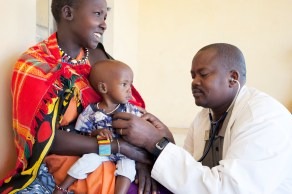
Philanthropy
We provide financial and product donations to help advance health equity, support local communities and address critical social needs. Explore more

Impact Venture Fund
We invest in funds and companies working to improve access to health and, in turn, create financial returns and strategic opportunities for our company. Learn more

Sustainability resources
Our reports, policies, resources and guidelines govern the work we do every day. Learn more

Transparency disclosures
We aspire to be transparent about how we operate to earn the trust and confidence of our customers and other stakeholders. Explore more