Immunology Q&A: Experts discuss how science is advancing disease research
Merck R&D teams are exploring how emerging therapies and precision medicine are shaping the future of immune-mediated disease research
April 30, 2026
With a deep and growing understanding of human biology, there’s been an emergence of innovative medicines and new modalities that aim to change the way researchers approach treatment for immune-mediated inflammatory diseases.
Here at Merck, we’re advancing our growing capabilities in immunology with a talented team of scientists and clinical researchers as we aim to advance patient care. We sat down with two immunology experts from Merck Research Laboratories (MRL) to find out how their teams are fostering innovations that have the potential to help people with autoimmune diseases.
Over the past decade, what scientific developments have most shaped how you and your team discover new targets for immune-mediated diseases?
Dr. Marc Levesque, vice president, immunology discovery and Cambridge site head, MRL: The past decade has been transformative for the field of immunology research. Technologies like oral macrocyclic peptides and CAR-T (chimeric antigen receptor T-cell) therapies have opened new possibilities in research.
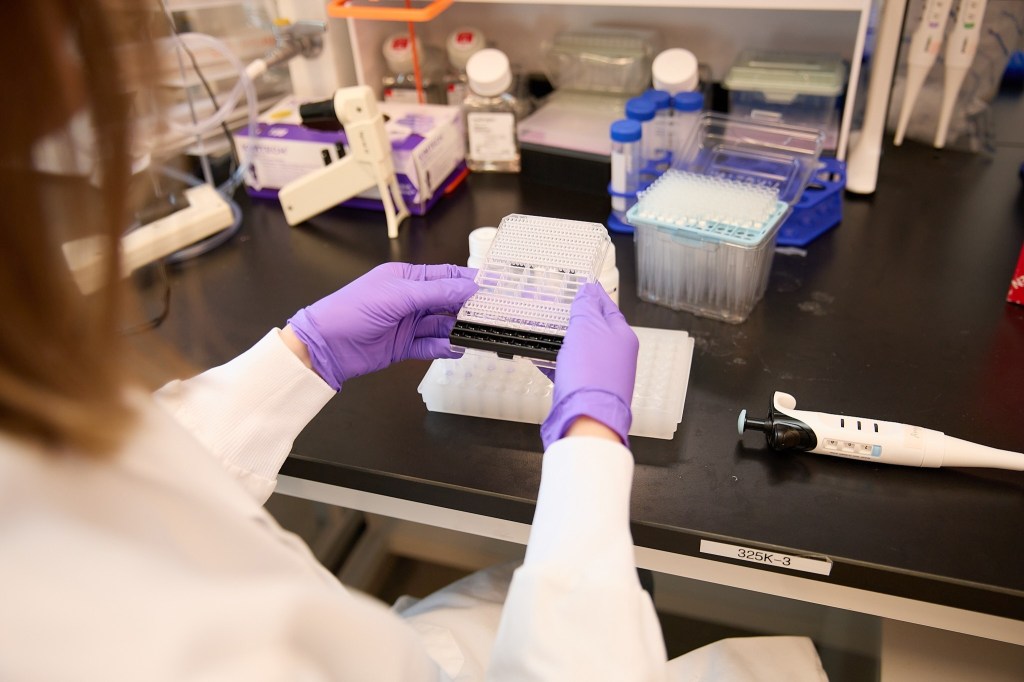
Critically, the integration of patient-derived data into early-stage research has allowed us to evaluate disease mechanisms with greater accuracy. Integrating these new tools not only enhances our understanding of immune-mediated diseases but also enables the discovery of novel targets and biomarkers that could lead to more precise treatments.
Which advances have most changed the way we approach immune-mediated diseases — and where do gaps remain?
Dr. Aileen Pangan, vice president and therapeutic area head, immunology clinical research, MRL: Our understanding of disease mechanisms has grown dramatically, leading to the identification of new therapeutic targets. These advances have improved treatment outcomes for many patients. Yet, significant gaps remain, particularly in achieving and maintaining clinical remission for patients.
One of the reasons lies in the fact that treatment of these patients still involves a trial-and-error approach. We’re investing in efforts to bring precision medicine to immunology. If we could identify the right therapy for each patient, we could help manage disease manifestations sooner and potentially improve long-term outcomes.
How are these advances shaping Merck’s R&D strategy?
Levesque: Our goal is to alleviate the burden of immune-mediated diseases by discovering and developing innovative, targeted therapies. Our strategy involves tackling multiple pathways involved in these complex diseases.
For example, promising areas of research include bispecific antibodies which can be used to target more than one disease mechanism at a time and new modalities that enable oral administration.
What roles do artificial intelligence (AI) and data analytics play in the evolution of immunology research?
Levesque: AI and data analytics are accelerating how we identify new drug targets and tailor therapies. These tools allow us to process vast amounts of biological data quickly, revealing patterns and insights that would be difficult to detect otherwise. This can help support the development of precision medicine, with the goal of tailoring to the unique genetic and biological makeup of each patient, while also speeding up the discovery process for new drug targets. AI also facilitates the design of drugs and their testing in pre-clinical studies.
How does the patient experience factor into your approach to clinical research?
Pangan: Understanding the unique patient experience for each autoimmune disorder we work on can help in the development of innovative therapies that more directly address patient needs. Currently, many patients will cycle through multiple treatments before finding an option that works for them, while others experience a delay in initiating advanced therapies.
Our approach to research and development in this space takes into account the challenges and barriers patients experience when trying to achieve their treatment goals, which may differ depending on the autoimmune or immune-mediated inflammatory disease. These considerations inform how we pursue modalities and targets that have the potential to provide more options and support a more personalized care plan. By doing so, we aim to help more patients reach their treatment goals.
In your opinion, as we look five to 10 years ahead, what scientific advancements could fundamentally change how we treat immune-mediated inflammatory diseases?
Levesque: In the coming years, I believe scientific advancements may lead to improvements in durable remission. Personalized medicine based on individual genetic profiles and disease characteristics has the potential to fundamentally change how physicians and care teams approach treatment plans for patients. It also has the potential to shorten the time to symptom resolution by helping to select the most suitable therapy for patients. Overall, our goal is to help address patient challenges and provide more treatment options.