
T-cell engagers: Designed to potentially direct and activate immune responses
Merck researchers are exploring T-cell engagers, an investigational engineered immunotherapy designed to potentially help the immune system recognize certain cancer cells
November 3, 2026
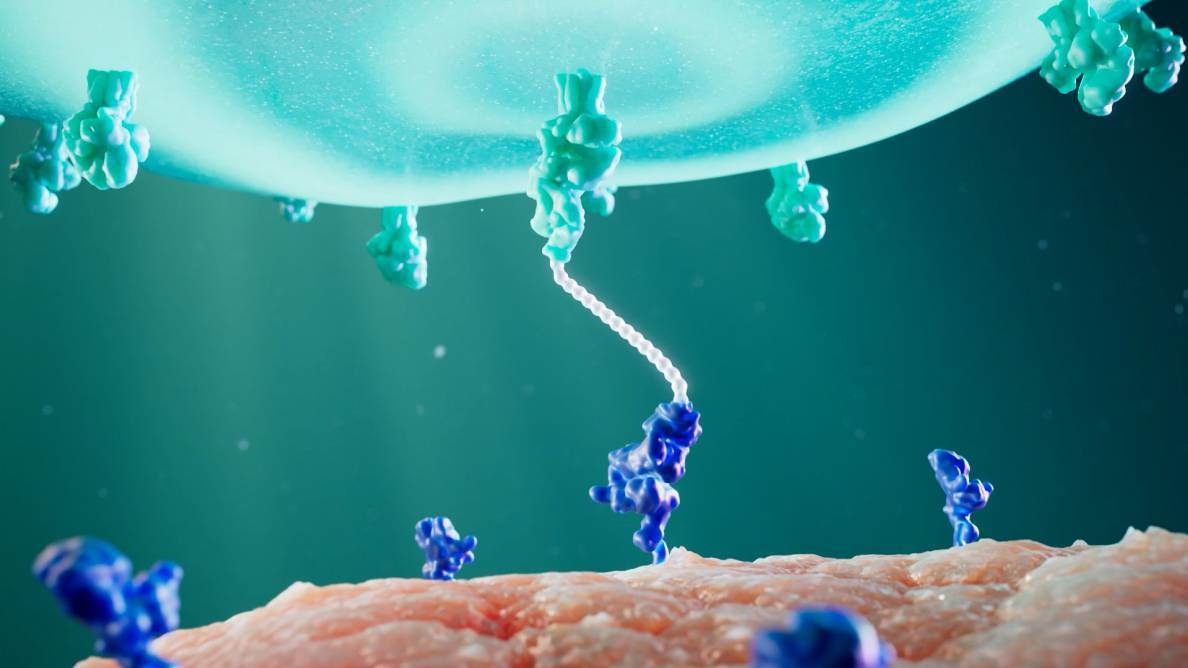
The ability of certain cancer cells to remain undetected has been a challenge in cancer research. Our scientists are exploring new ways to enhance the immune system’s ability to recognize and respond to these cells. T-cell engagers, a class of bispecific antibodies, are being studied to better understand and redirect the immune response in cancer research.
What are T cells?
T cells, also known as T lymphocytes, are a type of white blood cell and a critical component of the immune system. They circulate throughout the body scanning for threats such as infection and cancer and can recognize and help neutralize abnormal cells. When T cells detect an abnormal cell, typically by recognizing small protein fragments (antigens) on the cell’s surface, they can activate an immune response.
How can some cancer cells evade immune detection?
Over time, some cells can adapt and evade the immune system. They may develop biological mechanisms that enable them to avoid recognition or suppress immune responses, allowing them to grow and multiply.
Merck scientists are exploring potential ways to enhance the immune system’s ability to recognize and respond to these cells. This area of immuno‑oncology includes a class of therapies known as T‑cell engagers.
What are T‑cell engagers?
T-cell engagers are engineered antibodies designed with a specific purpose: to bring T cells and certain cancer cells together, which may help enable T cells to identify and eliminate those cells. However, because some target proteins may also be expressed on healthy cells, researchers are working to identify targets that may help direct immune responses toward cancer cells.

Unlike traditional antibodies, which typically bind to a single target, T-cell engagers are bispecific antibodies. This means that they’re designed with two distinct binding sites:
- One attaches to a protein which can be found on cell surfaces.
- The other binds to a protein located on the surface of T cells. CD3 is the most commonly targeted protein.
By engaging both cells at the same time, T‑cell engagers act as a molecular bridge guiding immune cells directly to their intended target and triggering a response.
This design helps to address one of the key challenges in immune recognition: Rather than relying on a T cell to independently identify a cell expressing the target antigen, T‑cell engagers help bring the two together, increasing the potential of an immune response.
How do T cells activate an immune response?
When a T cell is brought into close proximity with cells expressing the target proteins like certain cancer cells, that physical connection can help trigger T‑cell activation. Once engaged, the T cell begins to release signaling molecules that strengthen the immune response, such as cytokines, along with other cytotoxic factors. These signals leverage the body’s existing biology to help initiate a localized immune response.

“What’s exciting about T-cell engagers is the shift in perspective they represent — not just attacking certain cancer cells but helping the immune system re-engage with it. This opens the door to new possibilities for how we approach research opening new horizons for scientific discovery in oncology.”
- Dr. Shweta Jain
Vice president, oncology assets, oncology clinical development, Merck Research Laboratories
Why T‑cell engagers represent an important area of our research
Advances in immuno‑oncology continue to reshape our understanding of cancer biology — increasingly focused on the complex interactions between tumors, the tumor microenvironment and the immune system.
T cells represent a central focus of our immuno‑oncology research and reflect our diversified approach in oncology and hematology. Merck scientists work to better understand how immune cells recognize cancer within the tumor microenvironment — and how those interactions can be guided to help re-engage the immune system.
Learn more about our work in oncology.
FAQs about T-cell engagers
What is a T-cell engager?
T-cell engagers are engineered antibodies designed with a specific purpose: to bring T cells and cells expressing target proteins like certain cancer cells together, which may help enable T cells to identify and eliminate those cells.
How do T-cell engagers work?
T-cell engagers help tether a T cell to cells expressing target proteins like certain cancer cells with two binding sites. They act as a molecular bridge guiding immune cells directly to their intended target and triggering a response.
How are T-cell engagers different from traditional antibodies?
The bispecific design of T-cell engagers helps to address one of the key challenges in immune recognition: Rather than relying on a T cell to independently identify cells expressing target proteins like certain cancer cells, T-cell engagers help bring the two together, increasing the potential of an immune response.
Why are T-cell engagers important in cancer research?
The ability of certain cancer cells to remain undetected has been a challenge in cancer research, and T-cell engagers represent a potential avenue to enhance the immune system’s ability to recognize and respond to these cells.