The outlet noted that Davis has led our company through a period of significant dealmaking, with one outcome being that we currently have 22 medicines in the final stages of clinical trials compared to 15 in 2023. “We have as rich a Phase 1, Phase 2 and Phase 3 pipeline as we’ve ever had in this company,” Davis said. He also expressed the importance of moving with focus and urgency, as well as discipline, to rapidly progress the next wave of innovation. “The earlier we bet, the more conviction my scientists have to have,” he said.
As we continue to complement our internal innovation and discovery efforts with patient-focused business development to drive impact for all who depend on us, we remain committed to delivering on our purpose of using the power of leading-edge science to save and improve lives around the world.
Expert Q&A: The role of real-world evidence in lung cancer detection
Shuvayu Sen, Ph.D., shared how our real-world evidence research uses data to analyze patient journeys and risk prediction models for early lung cancer detection
March 23, 2026
Share this article
In the fight against lung cancer, early detection can be critical. While some countries have previously rolled out national lung cancer screening programs, in many cases, participation was low. This reality is one of the drivers behind Mission Lung Cancer, our collective effort to break down the barriers that stand in the way of early detection of lung cancer.
At the heart of our commitment to early lung cancer detection is one of our powerful contributions: scientific insights. Our real-world evidence (RWE) research uses patient-level data to analyze patient journeys and risk prediction models. This enables us to better understand diagnostic pathways and identify opportunities that may help facilitate early detection and diagnosis of lung cancer.
We spoke with Shuvayu Sen, Ph.D., vice president and head of oncology value and implementation outcomes research, about the importance of using RWE.
What is RWE and why does it matter?
Sen: RWE is generated through the analysis of real-world data or health information routinely collected from sources such as electronic health records (EHR), registries and insurance claims. Alongside data from clinical trials, real-world data matters because it may provide contextual insights that are not possible in a controlled setting.
How is your team using RWE in lung cancer research?
Sen: Our applicable areas of research include continuing to address smoking as the leading risk factor for lung cancer while identifying additional contributing risk factors — pinpointing moments to engage at-risk individuals and building explainable risk prediction models, including for non-small cell lung cancer. Our research on the patient journey can help show where delays in care may occur, such as low screening uptake, missed follow-ups on imaging or coordination gaps between care teams.
What have you learned from RWE in lung cancer?
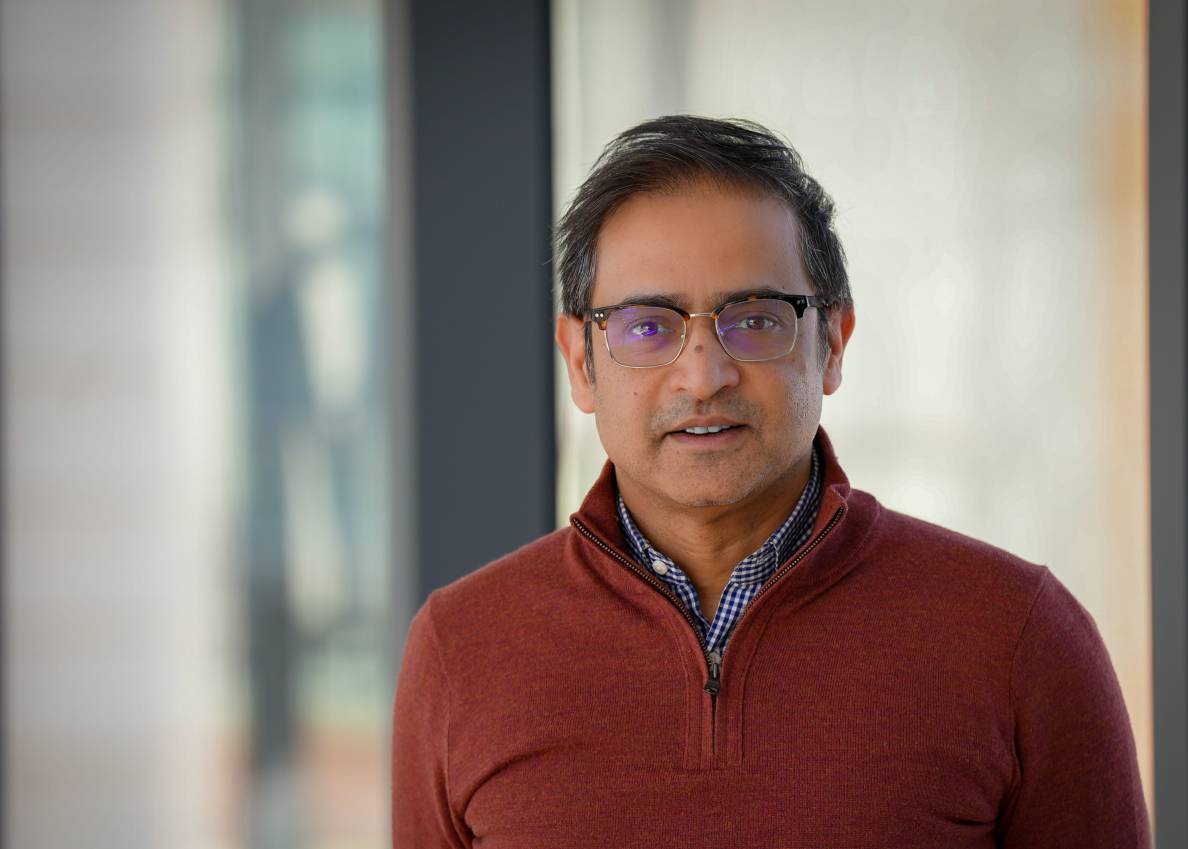
Sen (left) with colleague Melissa Santorelli, Ph.D., MPH, at our global headquarters.
Sen: As part of our analysis of one institution’s EHR database, we identified underutilization of low-dose computed tomography (CT) scans as an unmet need in the diagnostic pathway. Our research also showed potential for electronic medical record data to help identify patients who may be at risk of developing lung cancer. Looking ahead, we aim to explore options that could support earlier detection by leveraging this data. These insights point to potentially meaningful opportunities across the oncology ecosystem and beyond.
How else are we helping to advance research in this space?
Sen: We believe it’s critical to advance this work through research outside our company, as shared insights and investigator-led research are equally essential to accelerating innovation. That’s why we expanded our Merck Investigator Studies Program (MISP) to support independent research.
The MISP program evaluates tools and methods for lung cancer risk assessment and explores new technologies, like artificial intelligence (AI) and digital diagnostics, with the goal of improving early detection and diagnosis of lung cancer.
Together, our real-world evidence and MISP-supported research have the potential to reshape how and when lung cancer may be detected.
Our AI model KERMT is helping to advance drug discovery
Our scientists harness AI and machine learning in small molecule lead optimization
March 19, 2026
Share this article
In the lead optimization phase, scientists fine-tune early molecules in the hopes of finding a molecule that might one day become a medicine.
Traditionally, this stage takes months, and most drug candidates never make it to clinical testing. But advancements in artificial intelligence and machine learning (AI/ML), including our new AI foundation model KERMT, could help change that.
What is KERMT and how is it transforming small molecule research?
Developed in collaboration with Nvidia, KERMT, pronounced “Kermit” and short for Kinetic GROVER Multi-Task, is a deep-learning computer model trained on more than 11 million molecules. It learns from patterns in vast amounts of chemical data with the goal of helping scientists better predict how a molecule will behave in the body, potentially spotting issues much earlier and reducing the need for months of lab work.
KERMT isn’t just helping our researchers; as an open-source model, its code is available to the whole scientific community.
How AI models can impact drug development timelines
In a recent interview with Healthcare Brew, Senior Director of Data Science Alan Cheng said AI is already “speeding up the early stages of drug development dramatically.”
“AI is sometimes cutting timelines by 30% or more, improving drug candidate quality and reducing costs,” Cheng said. “This is a very meaningful acceleration. While clinical trials remain lengthy, our models are enabling faster identification of disease targets and optimized compounds, which should increase probability of success and shorten preclinical phases.”
Open-source AI for the scientific community
AI/ML is evolving at an incredible pace: access to relevant data is growing, computing power is expanding and deep-learning algorithms are rapidly improving. Advances like KERMT can give teams a powerful new way to make better informed decisions and focus their time on the most promising drug candidates.
These changes have the potential to create unprecedented opportunities to speed and strengthen the discovery of new drugs — with the goal of bringing safer, more effective medicines to patients faster.
How wearable technology powers patient-focused drug development
Our scientists are exploring the use of sensor-based technologies and digital clinical measures to improve disease understanding
February 10, 2026
Share this article
Sensor-based digital technologies like smartwatches and other wearables have surged in popularity in recent years. People are easily and conveniently tracking physical activity, sleep and other health-related data — including information that’s helpful for scientists developing new medicines.
At Merck, scientists in our digital clinical measures group are using these sensor-based tools in clinical trials to collect objective measurements which were previously difficult or impossible to obtain. Now, measurements from patients outside the clinic, including at home and work, can provide data that’s more reflective of their everyday lives — deepening our understanding of disease and enabling more efficient and patient-centric drug development.
What are digital clinical measures, and why do we use them?
Digital clinical measures are specific, objective measures of biology, health, behavior or treatment response that are generated via sensor signals from digital technologies processed with algorithms. These measures can be derived from data collected during active task-based assessments, such as timed walk or hand-turning tests performed with wearable sensors, or through passive monitoring, where data are captured continuously as part of everyday activities like walking or sleeping.
Unlike some traditional clinical study endpoints that require lengthy in-clinic exams or patients or caregivers to remember symptoms over days or weeks, sensor-based technologies can objectively and remotely track metrics of health, behavior and treatment response over time. They can also provide more precise measures compared to traditional clinical rating scales.
“Digital clinical measures can augment traditional study endpoints and allow us to collect richer, more frequent data that better reflect how patients live and function day to day.”
Marissa Dockendorf, Ph.D. Head of digital clinical measures
“In addition to using digital health technologies — or DHTs — to enhance the data we capture in clinical trials, we’re focused on developing more objective and precise measures from these technologies,” added Dockendorf. “These advancements can enable us to understand more quickly, or with fewer clinical trial participants, whether our drug candidates are working, which ultimately can support our ability to deliver medicines to patients faster.”
Collaborating to advance the field of digital measures
We’re working with partners including the Critical Path for Parkinson’s Consortia, the Digital Medicine Society, the University of Oxford and Koneksa Health to advance development of digital clinical measures. These collaborations focus on furthering the digital endpoint field as well as identifying promising digital measures that may improve how we assess disease progression in patients with Parkinson’s disease and, potentially, how we evaluate the efficacy of investigational therapies.
“Digital endpoints hold tremendous promise to transform how we measure and understand health in clinical research,” said Dockendorf. “To fully realize that promise, collaboration is essential as we lay the important groundwork needed to develop measures that are valid, reliable and capable of making a meaningful impact in drug development.”
Digital clinical measures in action in Parkinson's disease
Our researchers are exploring the use of digital health technologies to measure motor function in clinical trials for Parkinson’s disease. Wearable sensor arrays — devices equipped with multiple sensors worn on the body to capture comprehensive data — can provide a wide range of motor function measures, such as gait and turn speed. Collecting data from these technologies over time may provide a clearer understanding of how motor function changes over time and with treatment as compared to traditional endpoints based on categorical rating scales.
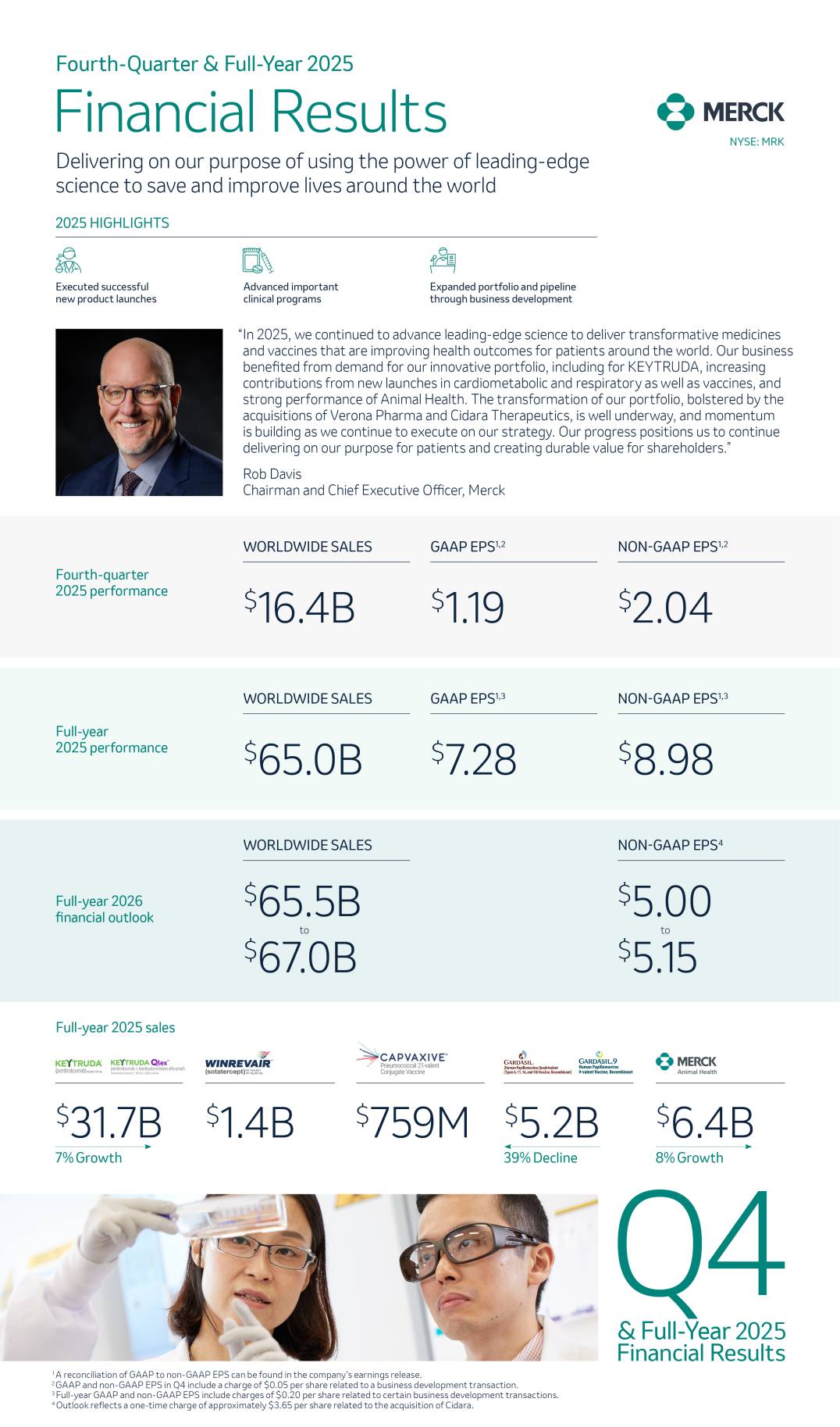
Merck’s (NYSE: MRK) Q4 and full-year 2025 sales performance reflects strength across oncology and animal health, as well as increasing contributions from new launches. Our company announced Q4 worldwide sales of $16.4 billion. Full-year 2025 worldwide sales were $65.0 billion.
“In 2025, we continued to advance leading-edge science to deliver transformative medicines and vaccines that are improving health outcomes for patients around the world,” said Rob Davis, chairman and CEO. “Our business benefited from demand for our innovative portfolio, including for KEYTRUDA, increasing contributions from new launches in cardiometabolic and respiratory as well as vaccines, and strong performance of Animal Health. The transformation of our portfolio, bolstered by the acquisitions of Verona Pharma and Cidara Therapeutics, is well underway, and momentum is building as we continue to execute on our strategy. Our progress positions us to continue delivering on our purpose for patients and creating durable value for shareholders.”
Merck anticipates full-year 2026 worldwide sales to be between $65.5 billion and $67.0 billion.
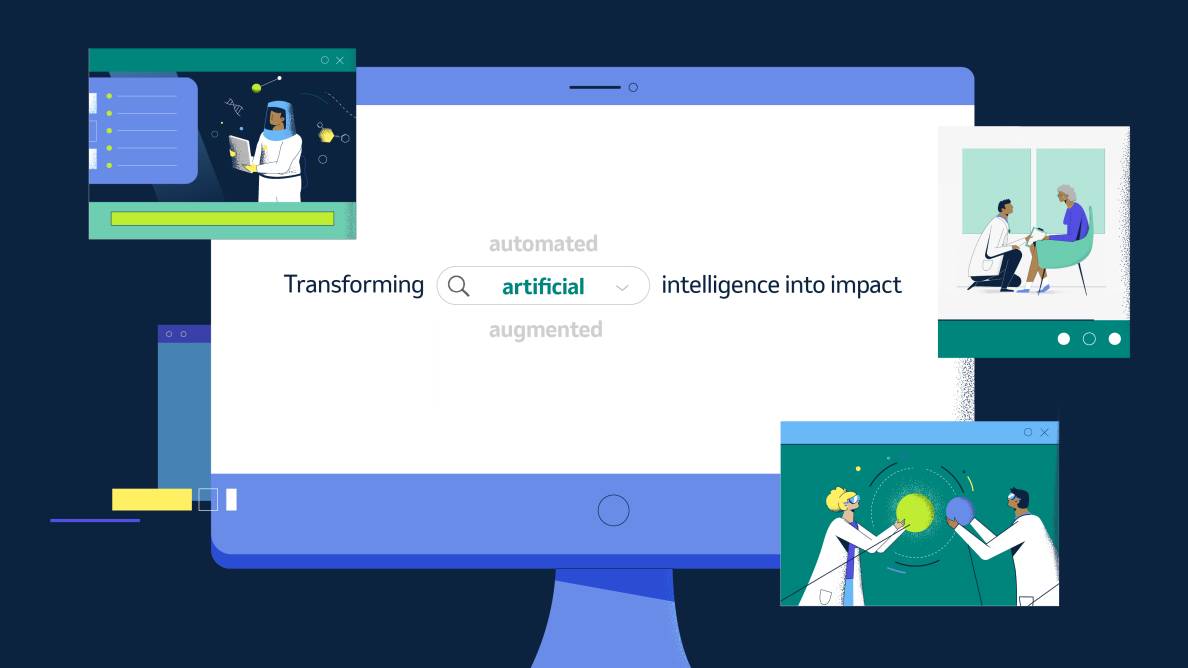
5 ways we’re transforming artificial intelligence into impact
We’re applying AI across our company to help us work smarter and faster so we can reach patients sooner
January 9, 2026
Share this article
At Merck, we’re in the business of knowledge, insights and innovation — rooted in intelligence.
Today, artificial intelligence (AI) — or what could also be “automated”, “accelerated” or “augmented” intelligence — lies not only in software and computer systems, but in the data, development and delivery of these intelligent tools to achieve better outcomes for patients.
Here are five ways we’re using AI to drive our purpose of saving and improving lives around the world.
01.
Accelerating the discovery of new medicines
Drug discovery remains an endeavor where only about 1 in 10 drug candidates that enter clinical trials ultimately receive regulatory approval. We’re working to change that by enabling scientists to use AI and machine learning (ML) foundation models to enhance and build upon their existing approaches to drug design before experimental testing and clinical trials.
We recently developed two foundation models which uncover patterns in disease to find better drug targets, allow faster molecular design and rapidly test small molecules, including cyclic peptides, for efficacy and toxicity before going into the clinic.
By unlocking patterns within vast datasets, these AI models enable our scientists to accelerate the discovery of leading therapeutic candidates — a process that normally takes 10 years — allowing us to potentially get therapies to patients faster without compromising scientific rigor.
02.
Optimizing clinical trials
Enrolling people in clinical trials and keeping them engaged once they’ve signed up remains a significant challenge across our industry, with approximately 20% of activated sites failing to enroll a single participant. We’re addressing this by using AI to help improve site selection, patient matching and retention. For example, predictive models can flag patients at higher risk of dropping out, enabling targeted interventions that improve retention and keep trials on track.
03.
Automating workflows to improve productivity
Our enterprise-wide training program helps employees understand the latest digital technology, including generative and agentic AI, and learn how to use it responsibly. Our proprietary AI platform — which more than 80% of our workforce uses — applies large language models to enable employees to automate, simplify and digitize processes that historically took more time, freeing us up to prioritize more impactful work.
04.
Modernizing manufacturing
Generative AI helps protect our supply chain when potentially disruptive events like natural disasters or port delays occur. Our systems can produce event-based risk assessments in under 30 minutes — allowing us to quickly see which products and sites are affected and act to avoid or reduce shortages and delays.
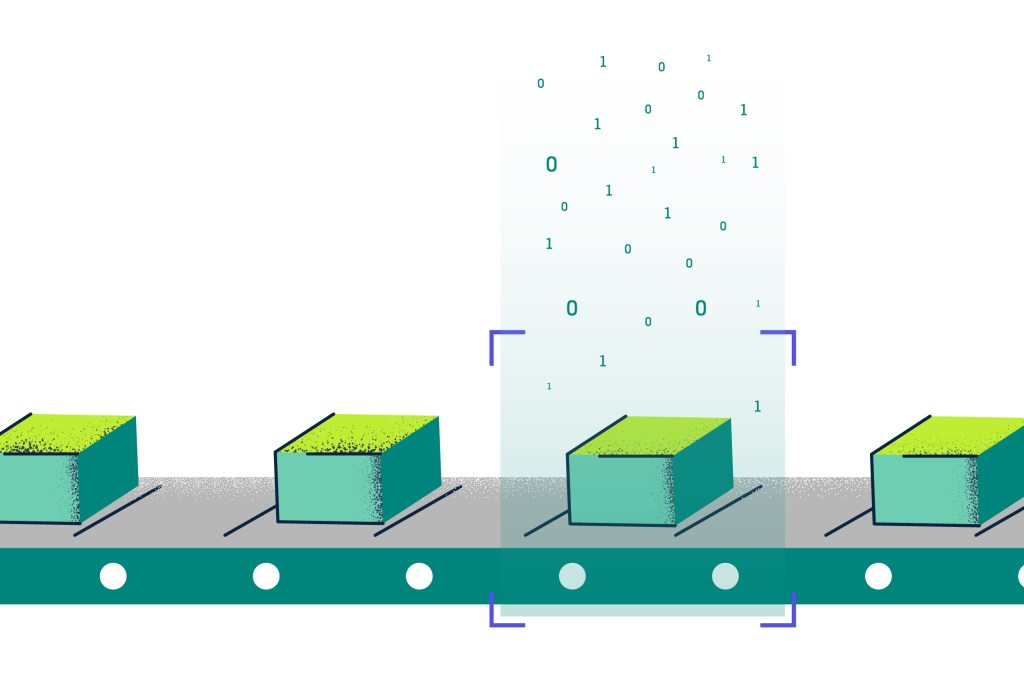
In vaccine manufacturing, we’re using computer vision — another form of AI — to inspect vials and syringes for defects. This results in less waste, lower costs and higher production speed.
05.
Streamlining education and engagement with healthcare providers
We’re using AI to streamline information for providers and patients to ensure we deliver the right details to the right people when it matters most.
We’ve embedded AI across the content life cycle — from conception through medical, legal and regulatory review — so that we can organize messages more intelligently. The result: higher quality, personalized content that gets to healthcare providers faster.
Supporting this is our generative AI-powered chatbot for our field representatives. It summarizes relevant insights and helps us respond in real time to provider needs.
It all starts with data
Data powers AI. We have a vast repository of proprietary and secure data, but for it to be usable, it must first be structured and organized.
We’re continuously working to create a frictionless data flow so AI can reliably and accurately drive faster, more targeted and personalized outcomes.
Data is critical to our business strategy and to our pipeline. When our data is high-quality, well-manicured and organized to support powerful insights, we can make more accurate and intelligent predictions — and move faster to deliver the medicines and vaccines patients are waiting for.
Exploring the potential use of PET tracers in neurodegenerative disease research
Merck scientists are researching the potential of an investigational alpha-synuclein PET tracer in early identification of Parkinson’s disease
December 9, 2025
Share this article
Parkinson’s disease (PD) is a progressive neurodegenerative disease caused by the loss of certain brain cells that are involved with the control of movement. Globally, the prevalence of Parkinson’s has doubled in the past 25 years with global estimates in 2019 showing over 8.5 million individuals living with PD. Most patients with Parkinson’s are diagnosed after experiencing worsening symptoms such as tremors, slow movements and gait abnormalities.
Unfortunately, by the time symptoms become apparent, a large proportion of affected brain cells have already been irreversibly damaged, making therapeutic intervention difficult. Researchers at Merck, along with the broader scientific community, are focused on exploring new ways to identify people with PD earlier in the course of their disease and to measure changes in disease progression.
Alpha-synuclein: A biomarker for Parkinson’s disease
Research evaluating the brains of people with PD has shown that abnormal clumps of a protein called alpha-synuclein form as the disease progresses. Historically, the only way to evaluate the accumulation of alpha-synuclein is by analyzing brain tissue collected after a person dies.
Our scientists then asked: What if there was a way to detect the first signs of these abnormal protein deposits in the brain as a potential way to identify the early signs of PD before symptoms appear? Could we then also evaluate the potential of investigational therapies to slow disease progression?
Exploring noninvasive early detection for neurodegenerative disease
Advanced imaging technologies have helped evolve our understanding of neurodegenerative diseases, in some instances leading to a better understanding of the disease and potential therapeutic options.
In PD, similar imaging techniques offer the potential of early detection and the ability to monitor disease progression. A PET tracer may offer a noninvasive method of detecting alpha-synuclein.
Our scientists are working to evaluate the potential of a PET tracer as a noninvasive way to visualize and measure alpha-synuclein, with the hope that it could lead to earlier detections of Parkinson’s disease.
“A selective PET tracer for alpha-synuclein could have a significant impact on ongoing research by providing a window into what’s happening in the brain in real time,” said Dr. Eric D. Hostetler, executive director and head of translational imaging biomarkers at Merck. “We see the potential for an advanced imaging tool that could contribute to the development of novel treatments by potentially making it easier and more effective to test whether an investigational therapy that targets alpha-synuclein in the brain is working in clinical trials.”
Our research in this area was recognized by the Michael J. Fox Foundation for Parkinson’s Research Ken Griffin Alpha-synuclein Imaging Competition in 2023, and our scientists are continuing important research in multiple investigational PET tracers in the central nervous system space.
“We’re evaluating the potential of this investigational PET tracer to serve as a biomarker to measure disease progression and determine whether investigational therapies are able to slow the progression of Parkinson’s disease,” said Dr. Jason Uslaner, vice president and head of neuroscience discovery at Merck. “It’s all about identifying the right patient at the right time for the right medicine.”
Building trust and advancing inclusion: Our approach to clinical trials in Uganda
In Uganda, where women are disproportionately impacted by HIV, our community-based research prioritizes meeting patients where they are
November 24, 2025
Share this article
Rebeca Plank, M.D., Ph.D. (right) and Joan Nabawanuka, community liaison officer at MU-JHU Care Ltd., meet with Kibuuka Yahaya Galabuzi, local leader of Katiko Fishing Village in the Mityana district.
In sub-Saharan Africa, young women are three times more likely than young men to be living with HIV. Now, Merck researchers are part of a coalition of community leaders, academic organizations and NGOs working in Uganda to help ensure that clinical trials for investigational HIV medicines are designed to address this disparity — and to reflect real-world challenges in local communities. By focusing on local voices and expertise, the coalition aims to build trust, improve trial design, address barriers to study participation and engage directly with the community.
To learn more about how these efforts have shaped our HIV clinical trials in Uganda, we chatted with two members of our on-the-ground research team: Ian Bradley-Perrin, Ph.D., and Rebeca Plank, M.D., MPH.
Why is inclusion important in HIV clinical trials?
Plank: People may respond differently to the same medicine based on factors like age, gender, weight or ethnicity. By prioritizing inclusivity in HIV clinical trials, our goal is to develop treatment and prevention options that work for all people affected by HIV.
Why is it important to include women in HIV clinical research, especially in countries like Uganda?
Bradley-Perrin: Cultural expectations, gender roles and the still-too-common stigma surrounding HIV and sexual health can make it difficult for women in Uganda to take part in HIV prevention trials. Historically, women’s underrepresentation in these prevention clinical trials limited our field’s understanding of how these medicines work specifically for them.
Plank: We’ve made an effort to expand our HIV prevention clinical trials to include pregnant and breastfeeding women because there are limited late-stage data and safety information in those populations. So, it’s important to move in that direction of greater inclusivity in our trials with the goal of driving the research and development of investigational medications to make sure there are options women can access regardless of their plans for pregnancy. Today, many healthcare providers may be reluctant to prescribe medicines that have not been studied in pregnant and/or lactating women, and pregnant and/or lactating women may be reluctant to take these medicines.
What’s the role of local communities in HIV prevention clinical trials?
Bradley-Perrin: We’ve learned that strong collaboration is essential — and it’s been a real two-way learning process. Partners like the University of Washington’s International Clinical Research Center bring long standing experience running clinical trials in sub-Saharan Africa, and the Gates Foundation is providing strategic partnership and financial support for the operational needs of each clinical research site, including things like experienced research staff, upgraded facilities, and help building new clinics. Equally important is the Global Community Advisory Group: HIV prevention advocates with a country and global perspective who give critical input on trial design, recruitment materials and will advise on study operations throughout the trial. They give us honest feedback about community concerns and help keep us accountable and connected to people’s real lives and priorities.
For example, in Mityana, a rural district west of Kampala, our team collaborated with community leaders to support a local engagement strategy that helped identify locations where women have historically had trouble accessing HIV clinical trials, like fishing villages and gold mining communities.
Plank: By going out to a gold mine that was two hours from the clinic, I better understood the complexities of reaching this community, especially over the duration of a multi-year clinical trial. Transportation was a huge barrier that needed to be addressed to make sure women wouldn’t be hindered from participating because of where they lived or their access to transportation.
What are some other ways Merck is supporting clinical trial participants?
Bradley-Perrin: Along with transportation, we prioritized support services such as child care and, when needed, home visits to help women participate in the trials.
Plank: Thanks to the Gates Foundation, ICRC and our other partners on the ground, the clinical trial team has trained local staff, updated facilities and even helped to construct new research clinics that could be used for new research projects. These practical solutions aim to increase trial participation in geographies that need innovations the most and help address some of the practical challenges participants face.
Plank and Bradley-Perrin walk with Flavia Matovu Kiweewa, MBChB, Ph.D., principal investigator of MU-JHU Care Ltd.
Cyrus Badshah, M.D., Ph.D, Merck senior principal scientist and Joyce Matovu, site hospital liaison coordinator at MU-JHU Care Ltd., tour the Namulanda Mukikadde gold mine community in the Mityana district.
A view of Namulanda Mukikadde gold mine area in the Mityana district of Uganda, where innovative clinical trials for HIV are taking place.
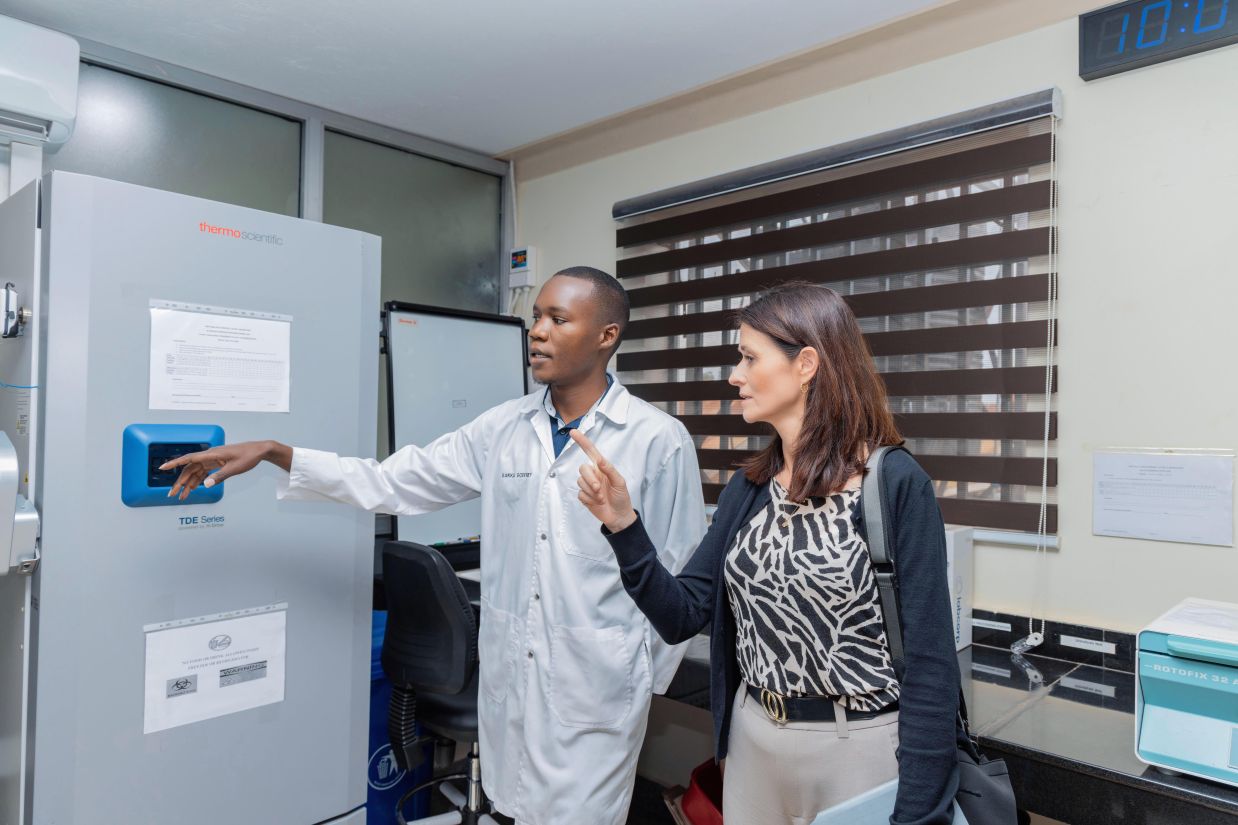
Godfrey Ssaka, laboratory manager at MU-JHU Care Ltd., shows Susan Vaz, a clinical research manager at our company, around the lab.
Merck’s community-based research in Uganda prioritizes fostering trust and creating conditions to encourage inclusive trial participation.
The American Chemical Society Landmark program recognizes important contributions to modern life through chemical sciences
November 19, 2025
Share this article
Scientific achievements can significantly alter the course of history — for individuals, families and communities as well as for future scientific developments. We’re proud to have been recognized for our own contributions to science by the American Chemical Society (ACS), which has granted Merck five National Historic Chemical Landmarks (NHCL) designations since 1999.
This ACS program recognizes seminal achievements in the history of the chemical sciences and provides a record of the contributions to chemistry and society in the U.S. Our headquarters in Rahway, New Jersey, has been recognized four times. Our West Point, Pennsylvania, site has been recognized twice for our important work there.
Learn more about these groundbreaking landmark achievements:
01.
A landmark event in cardiovascular medicine
Cardiovascular disease is the leading cause of death in the U.S. and worldwide, driven largely by atherosclerosis, the build-up of cholesterol-rich plaques both in and on the arteries. Beginning in the late 20th century, a new class of medicines transformed prevention and treatment by helping to lower low-density lipoprotein (LDL) cholesterol.
As scientists in the 1950s and 60s learned more about the body’s ability to synthesize cholesterol, it became apparent that a potential key to help address high LDL cholesterol was to interrupt the body’s ability to synthesize cholesterol. Building on that idea, a team of biochemists at Merck isolated a compound from fungal cultures that reduced plasma LDL cholesterol.
It was approved by the U.S. FDA in 1987 as the first commercially available statin. Subsequent research produced a series of semisynthetic and fully synthetic follow-on medicines, including a close analogue introduced by Merck in 1991 that offered improved potency.
ACS honored the discovery of this treatment that helped reduce the risk of cardiovascular events with the NHCL designation in 2025 at our sites in Rahway, New Jersey and West Point, Pennsylvania.
Discovery and development of medicines for the treatment of HIV
In the early 1980s, as AIDS began to be perceived as a potential epidemic, scientists at Merck embarked on an urgent mission to understand the virus. They were among the first to discover and develop medicines for the treatment of HIV. Our company’s work in this space ultimately led to the development of a treatment that was important in helping to make HIV a survivable infection.
ACS honored the discovery of this life-saving treatment with the NHCL designation in 2022 at our site in West Point, Pennsylvania.
Learn more about our commitment to HIV treatments and prevention through the years.
03.
Development of a treatment against a debilitating infectious disease transmitted by parasites
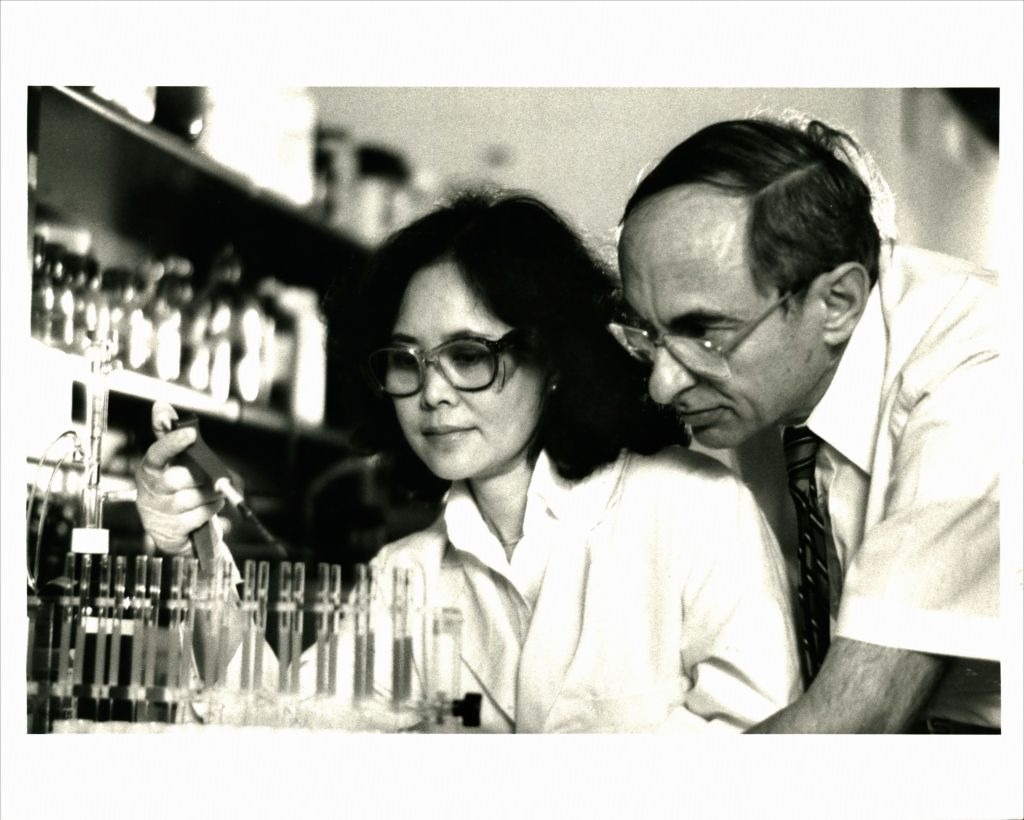
Transmitted through the bite of black flies — which live and breed near fast-flowing streams and rivers — river blindness (onchocerciasis) is one of the leading causes of preventable blindness worldwide. In 1978, Dr. William Campbell of Merck Research Laboratories suggested the use of Mectizan (ivermectin) against river blindness in humans. In the early 1980s, Dr. Mohammed Aziz collaborated with WHO to successfully design and implement field studies in West Africa on the disease.
In 1987, Merck CEO Dr. Roy Vagelos announced our company’s commitment to donate Mectizan to treat river blindness — as much as needed, for as long as needed — and the Mectizan Donation Program was formed. Through the MDP, the work of Dr. Campbell and other Merck scientists continues to touch more than 300 million lives each year. In 2015, Dr. Campbell shared the Nobel Prize in Physiology or Medicine for his role in developing ivermectin.
ACS honored the discovery of ivermectin with the NHCL designation in 2016 at our site in Rahway, New Jersey.
Addressing vitamin deficiencies through the synthesis and mass production of vitamin B
In the 1930s and 1940s, Merck scientists reported a series of advances in the study of the vitamin B complex, a group of nutrients that is essential to cell functioning. Availability of these vitamins resulted in dietary supplements and vitamin-enriched foods that encouraged healthy growth and development, as well as treatments for diseases caused by nutritional deficiencies.
These achievements were outstanding examples of the rapid advances occurring in the fields of biochemistry and organic chemistry during this era and led to notable improvements in human and animal health and nutrition.
ACS honored our research on the vitamin B complex with the NHCL designation in 2016 at our site in Rahway, New Jersey.
05.
Producing large-scale quantities of penicillin, a much-needed antibiotic during WWII
Alexander Fleming discovered penicillin in 1928, but it was very difficult to produce in large quantities. With the outbreak of World War II, the need for life-saving penicillin skyrocketed, and the mass production problem had to be solved quickly. At the request of the U.S. government, Merck and other pharmaceutical companies expanded research in the hopes of producing adequate supplies of this vital antibiotic. In cooperation with competitors, our research team helped develop a submerged fermentation process that sped production of penicillin for both the war effort and civilian use.
ACS honored the discovery of this life-saving treatment with the NHCL designation in 1999 at our site in Rahway, New Jersey.
Our history
For over 130 years, we’ve been guided by the view that great medicines and vaccines change the world.
“We try never to forget that medicine is for the people. It is not for the profits.”
Merck’s (NYSE: MRK) Q3 2025 sales performance reflects strength across oncology and animal health, as well as increasing contributions from new launches. Our company announced Q3 worldwide sales of $17.3 billion.
“In the third quarter, we continued to execute on our strategy with important pipeline advancements, significant approvals and successful new product launches,” said Rob Davis, chairman and CEO. “We’re delivering value to patients and customers through our innovative portfolio of medicines and vaccines, and we’re securing our future by making important investments in our pipeline — including through compelling, strategic business development like our completed acquisition of Verona Pharma and expanded U.S. manufacturing and R&D spending. With each milestone we achieve, my conviction that we’re well-positioned to drive the next chapter of success for our company increases.”
Merck anticipates full-year 2025 worldwide sales to be between $64.5 billion and $65.0 billion.
Take a look at the infographic below for more details on Q3 2025 results.
Forward-Looking Statement of Merck & Co., Inc., Rahway, N.J., USA
This website of Merck & Co., Inc., Rahway, N.J., USA (the “company”) includes “forward-looking statements” within the meaning of the safe harbor provisions of the U.S. Private Securities Litigation Reform Act of 1995. These statements are based upon the current beliefs and expectations of the company’s management and are subject to significant risks and uncertainties. There can be no guarantees with respect to pipeline candidates that the candidates will receive the necessary regulatory approvals or that they will prove to be commercially successful. If underlying assumptions prove inaccurate or risks or uncertainties materialize, actual results may differ materially from those set forth in the forward-looking statements.
Risks and uncertainties include but are not limited to, general industry conditions and competition; general economic factors, including interest rate and currency exchange rate fluctuations; the impact of pharmaceutical industry regulation and health care legislation in the United States and internationally; global trends toward health care cost containment; technological advances, new products and patents attained by competitors; challenges inherent in new product development, including obtaining regulatory approval; the company’s ability to accurately predict future market conditions; manufacturing difficulties or delays; financial instability of international economies and sovereign risk; dependence on the effectiveness of the company’s patents and other protections for innovative products; and the exposure to litigation, including patent litigation, and/or regulatory actions.
The company undertakes no obligation to publicly update any forward-looking statement, whether as a result of new information, future events or otherwise. Additional factors that could cause results to differ materially from those described in the forward-looking statements can be found in the company’s Annual Report on Form 10-K for the year ended December 31, 2025 and the company’s other filings with the Securities and Exchange Commission (SEC) available at the SEC’s Internet site (www.sec.gov).
No Duty to Update
The information contained in this website was current as of the date presented. The company assumes no duty to update the information to reflect subsequent developments. Consequently, the company will not update the information contained in the website and investors should not rely upon the information as current or accurate after the presentation date.