From crosswords to cancer research
Rebecca Goldstein applies similar problem-solving and pattern-finding skills to immuno-oncology drug discovery that she uses to create crossword puzzles in her spare time
March 12, 2026
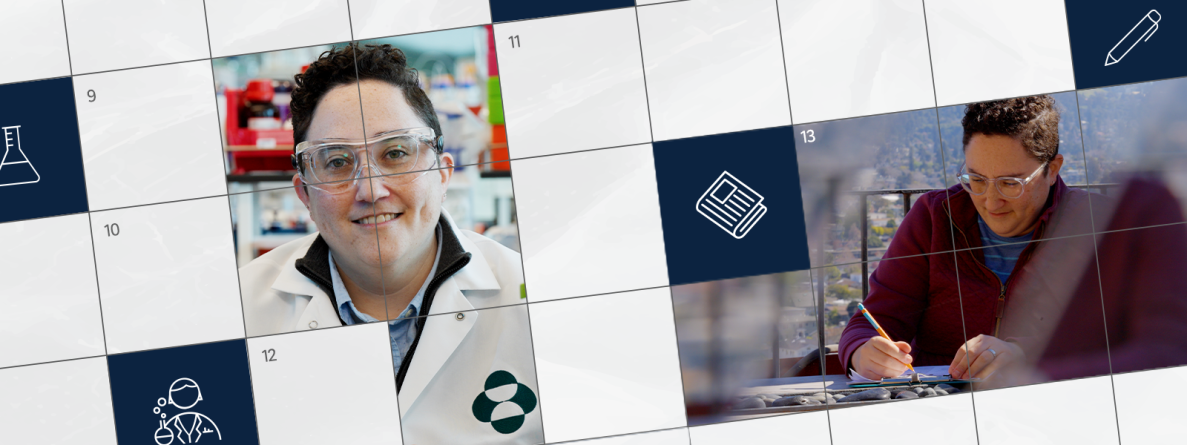
Rebecca Goldstein is an accomplished crossword puzzle creator, but her most challenging puzzle is the one she’s dedicated her career to solving: how to cure cancer. Working in drug discovery, Goldstein, Ph.D., finds that her passions for tackling diseases and creating crossword puzzles reveal surprising parallels.
“While seemingly significantly different, they both require ingenuity, agility and strategic critical-thinking and problem-solving skills,” said Goldstein, senior principal scientist at Merck.
She began creating crosswords in 2020 during the pandemic when her wife suggested she find a hobby. Since then, Goldstein’s published nearly 300 crosswords, including in The New York Times, where she’s created seven (and counting) Sunday puzzles.
“It’s really satisfying when things make sense. In both science and crosswords, I’m trying to find those ‘aha moments,’ those times when things really come together,” said Goldstein.
Cancer drug discovery
On average, it takes about 10 years to develop one new medicine. The first part of that process is discovery. Goldstein is focused on immuno-oncology discovery, seeking new ways to harness the immune system to kill tumors.
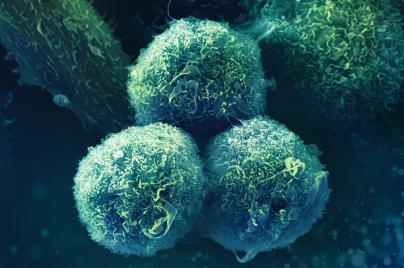
“We’re trying to identify the target — a specific protein on a cancer cell — and then develop a drug-like molecule to hit that target and stop the cancer’s progression,” said Goldstein.
And while designing a crossword is much quicker, she sees similarities in the process.
Finding the patterns
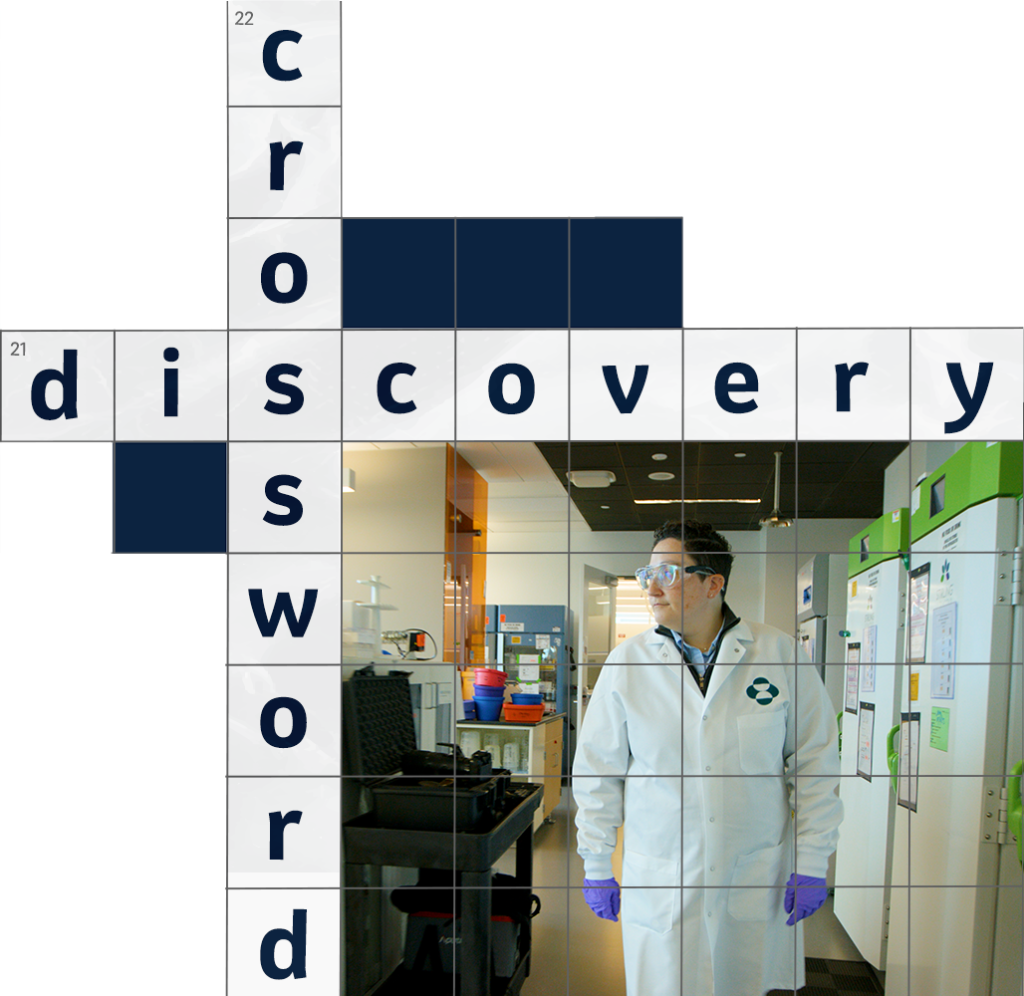
For Goldstein, both science and crossword puzzles begin with pattern recognition.
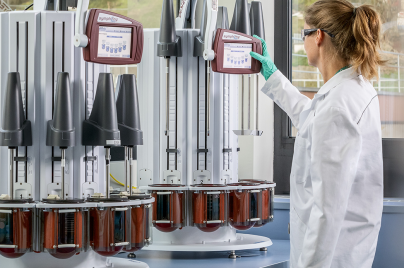
“When creating a crossword, I first work on a theme, which involves looking for patterns that could connect a series of answers,” she said. “In the lab, I’m also looking for patterns — for example, how and where proteins are expressed on cells and tissues. We’ll then screen hundreds of molecular candidates to find the one that we think will hit the target best. It’s similar to sifting through hundreds of words to identify which ones fit my crossword theme.”
Iteration and refinement drive progress
Iteration is central to both pursuits for Goldstein. In research, that may mean adjusting molecules based on results of experiments. In crosswords, it means determining where to put each word, the best placement for the black squares and how to formulate a layout that makes the puzzle fun and challenging.
“At the end of the day, I want solvers to enjoy it, to feel accomplished and that their time was well spent,” Goldstein said.
Putting patients first
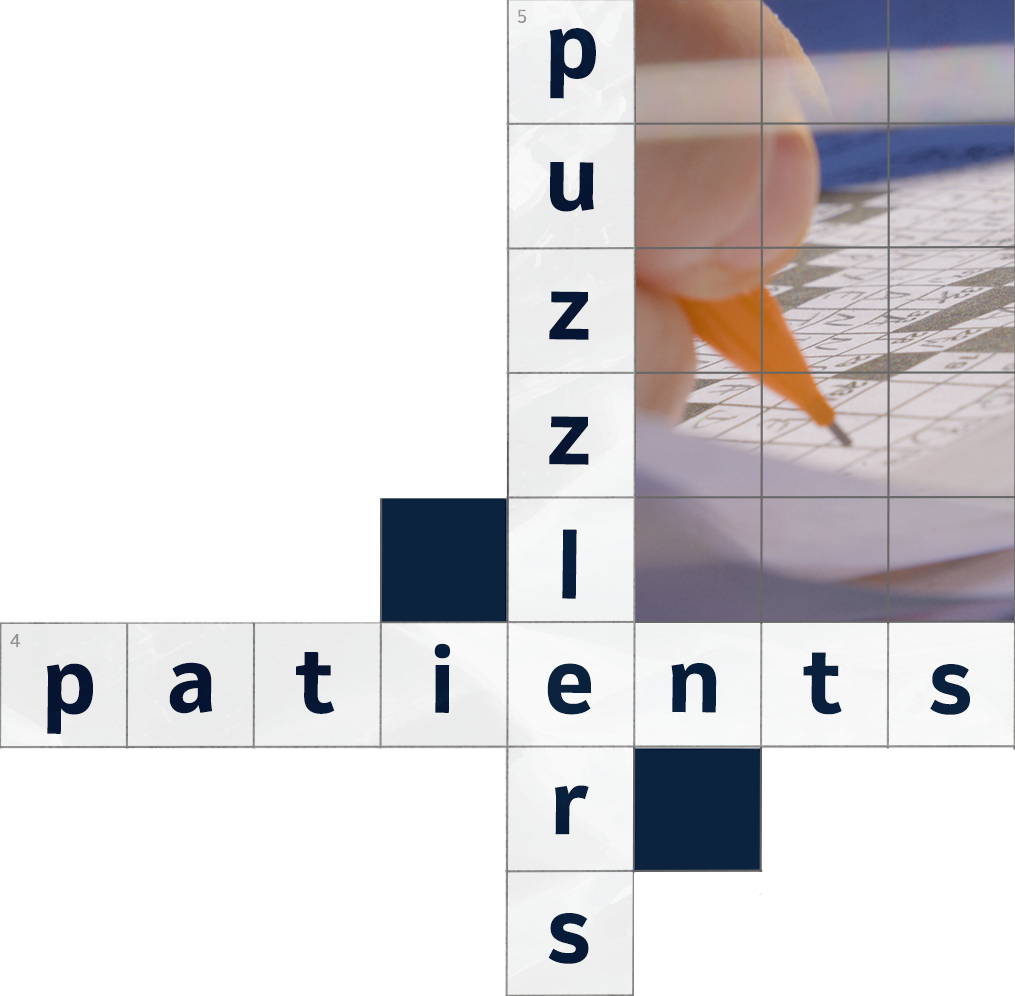
In the lab, Goldstein always puts patients first. It’s a mindset that was deeply embedded early in her career when some of the first molecules she helped discover proceeded to clinical trials.
“It’s humbling to realize that something you worked on has the potential to help people,” Goldstein said. “Clinical trial participants are making an important contribution for science. As scientists, we need to approach this work with a careful eye and be very good at what we do.”
Collaboration strengthens ideas and outcomes
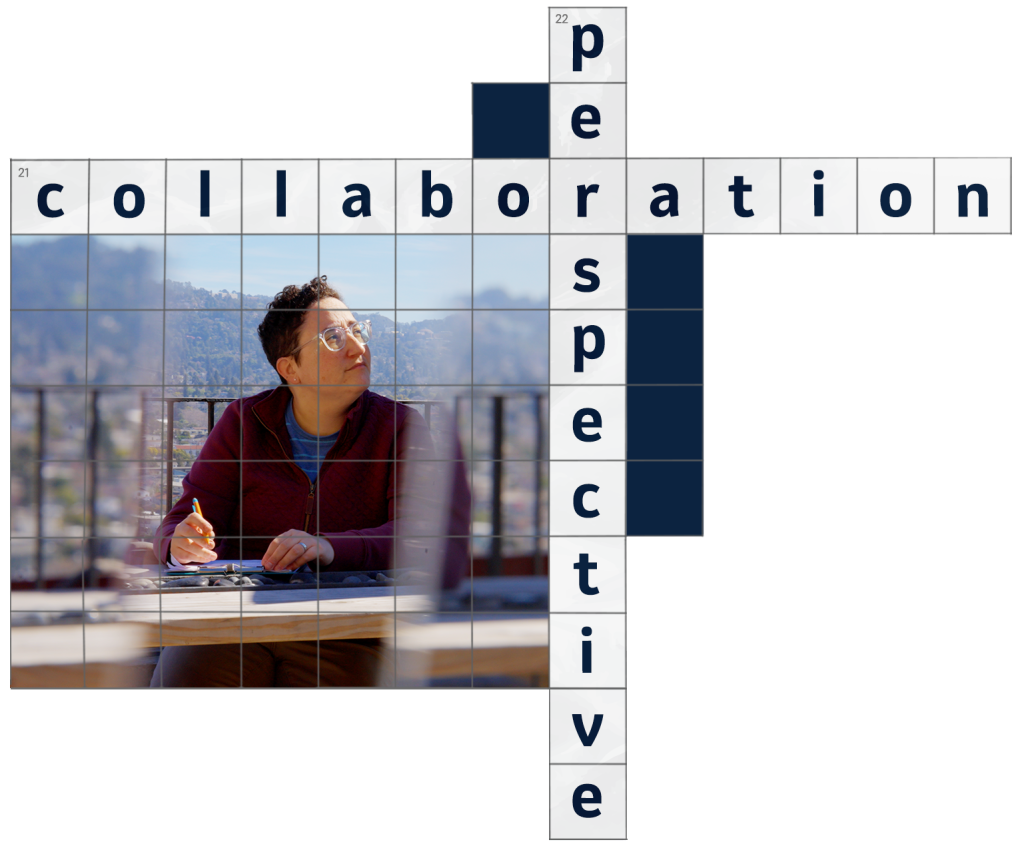
This includes collaboration, as breakthroughs rarely happen alone.
“Having other minds and perspectives can really elevate an idea,” said Goldstein. “People have different backgrounds and areas of expertise, which are helpful in running the best experiments with the best controls.”
She said the same is true even when she has a solo crossword byline: “I’ll ask one of my fellow crossword creators questions similar to those we ask in the lab, ‘Hey, does this make sense to you? Am I stretching too far? Does it really work?’”
When it clicks: breakthrough moments
Although it takes a lot of work to get there, Goldstein savors the moment when everything suddenly comes together.
She recalls one of those times in the lab when data from multiple teams aligned: “We took the totality of the data and everything lined up. The whole thing just made beautiful sense. It was like a perfect study.”
Goldstein said crossword inspiration comes from similar “aha moments” in her everyday life — in conversation, in TV dialogue, at work and even in solving other crosswords. She builds on the moment to create a puzzle that appeals to the widest audience.
“I want to open the tent and make room for more people to come in and enjoy the puzzle — the more likely people are to find something that represents them or that they can relate to, I’m all for it,” said Goldstein.
And, in case you’re wondering, Goldstein is also an impressive crossword puzzle solver. Her personal best on a Sunday New York Times crossword is under six minutes!
When crosswords meet chemistry
Goldstein sometimes weaves scientific themes or words into her crosswords. In fact, the theme of her first ever New York Times puzzle was “salt shaker” and included rebuses — a word or group of letters written inside a single square — of anagrams of NaCl, the chemical name for salt.
Check out her latest New York Times puzzle, published Feb. 15, and a new one coming March 20.