Triple-negative breast cancer (TNBC): A personal journey
A mom’s personal story of support, community and care after her TNBC diagnosis
June 10, 2026
In 2020, Jonell Deshotel was balancing school, motherhood and the challenges of the COVID-19 pandemic when she noticed a lump on the side of her breast. After years of watching her own mother’s experience with breast cancer, she knew she needed to act quickly.
She went to see her doctor and received news that changed everything for her: Deshotel was diagnosed with triple-negative breast cancer or TNBC.
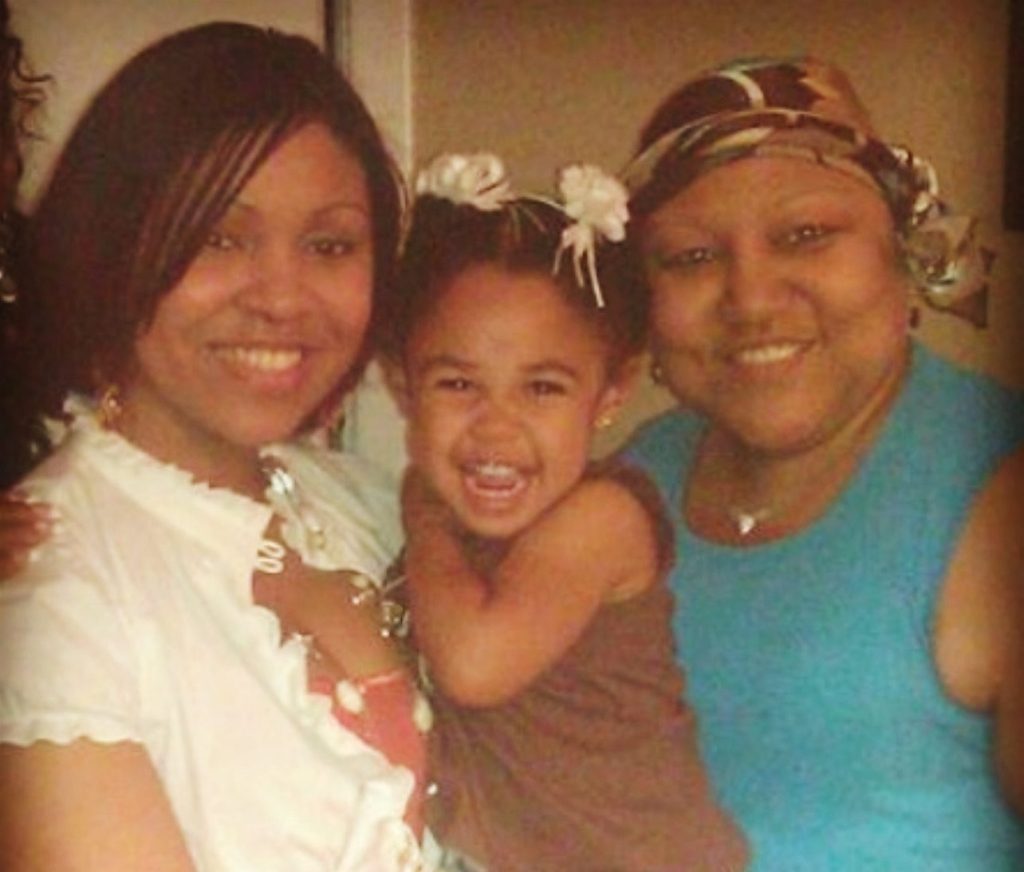
“My mom was diagnosed with breast cancer at the age of 36. I remember her saying, ‘I have breast cancer, but I will get through this, and we will get through this together.’ Once I received my own diagnosis, I knew that I wanted to embody that strength with my own daughter.”
- Jonell Deshotel
There are many different types of breast cancer — defined by where it starts in the breast, how much it has grown and how it behaves. One of the more aggressive types is TNBC.
What is TNBC?
Breast cancer is the most commonly diagnosed cancer among women in the U.S. But not all breast cancers are the same.
Breast cancer tumors may be tested for three receptors, or proteins, that can influence tumor behavior and may help guide treatment decisions. A TNBC diagnosis is made when the tumor tests negative for all three receptors — estrogen, progesterone and HER2 (Human Epidermal Growth Factor Receptor 2). HER2 is a protein that tells breast cells to grow.
TNBC differs from other types of invasive breast cancer as it tends to grow and spread faster, often with a worse prognosis for patients. It also has a high likelihood of recurrence.
Who’s at risk of developing TNBC?
Approximately 1 in 8 women in the U.S. will be diagnosed with breast cancer at some time in their life, and roughly 10-15% of these diagnoses are TNBC.
While TNBC can affect anyone, it’s more common in people who are younger than age 40, Black or have certain gene mutations.
Factors that make someone more likely to be diagnosed with TNBC include:
- Sex: People assigned female at birth are at higher risk for TNBC compared to people assigned male at birth.
- Race/ethnicity: TNBC disproportionately affects Black women compared to white women. Nearly 20% of breast cancers diagnosed in Black women are TNBC.
- Age: TNBC is more common in women younger than 40.
- Genetic mutations: Mutations in certain genes are associated with TNBC.
What are the signs and symptoms of TNBC?
TNBC may have similar signs and symptoms to other common types of breast cancer, though some people with TNBC may have no symptoms at all.
Possible signs and symptoms of breast cancer may include:
- A new breast lump or mass
- Swelling of all or part of a breast
- Skin dimpling
- Breast or nipple pain
- Nipple retraction
- Nipple or breast skin that’s red, dry, flaking or thickened
- Nipple discharge
- Swollen lymph nodes under the arm or near the collarbone
Treatment, support and community after a TNBC diagnosis
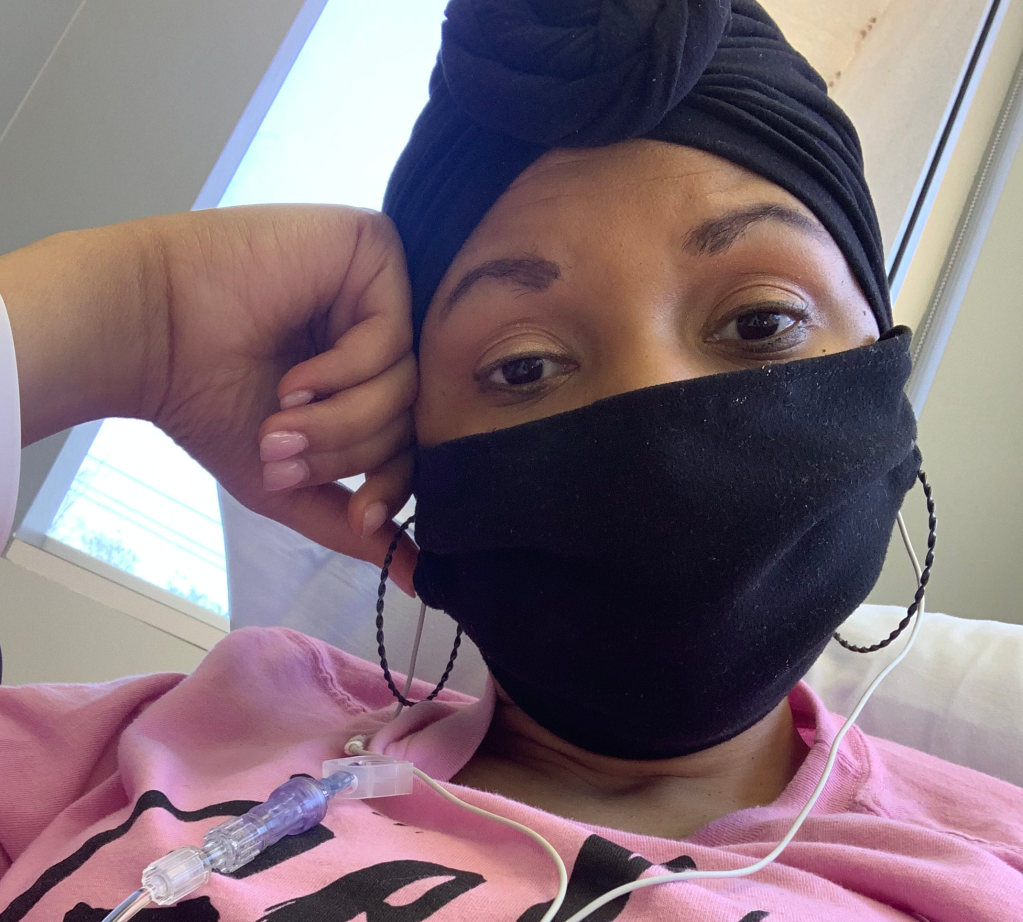
Deshotel underwent more than 10 rounds of treatment along with intensive surgery.
Still, she says support made all the difference. “When I was first diagnosed, it was so important for me to do the research to find women who were young, who were of color and that (were) going through the same experiences that I might have been going through,” she said.
That search led her to a community she describes as her village. “I would not be talking to you today without our village. My friends would take me to my chemotherapy treatments, prepare food for me, and stayed by my side,” she said.
Their care and support helped Deshotel through her hardest days. It also shaped how she sees her future as a mother and advocate, because of her family’s multi-generational journey with breast cancer.
Today, she focuses on being healthy to be there for her daughters Payton and Journie Adele, named after her mother and their journeys with breast cancer.
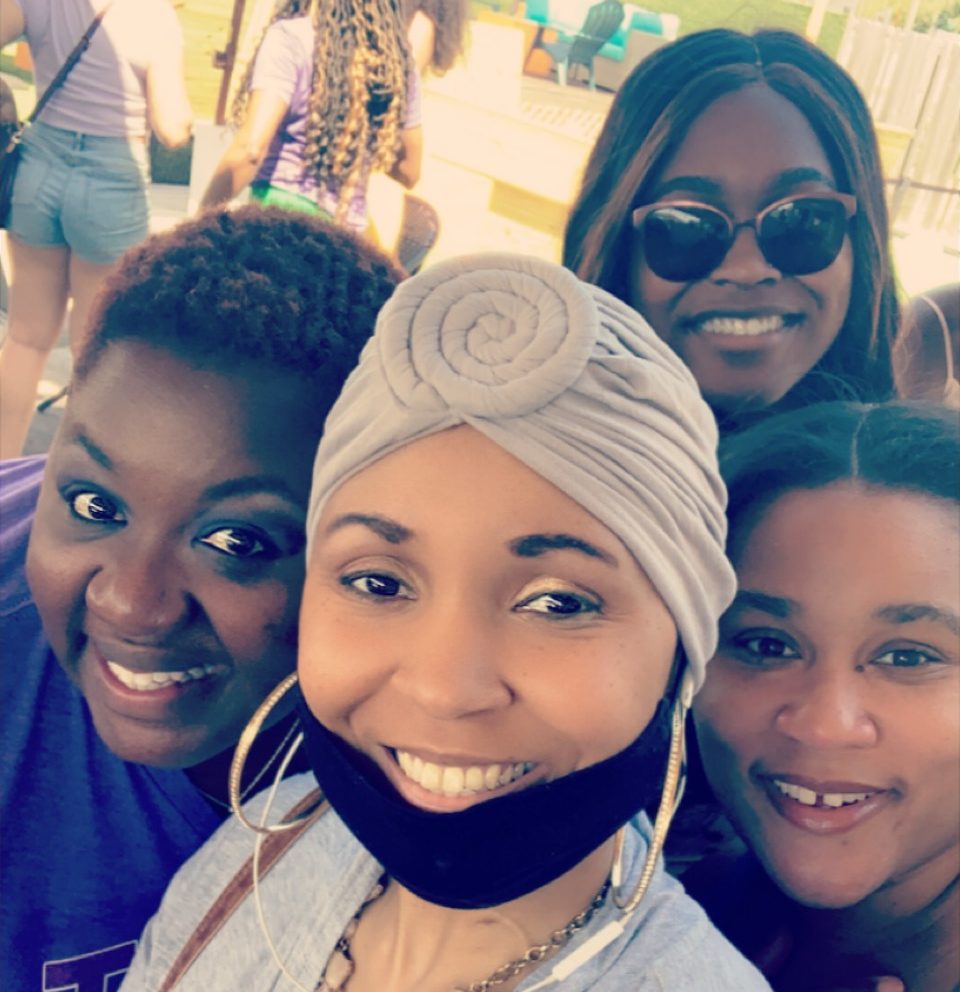

Stories like Deshotel’s remind us why patients are at the heart of our efforts in cancer care. Her journey is a reminder to listen to your body, get checked when something feels wrong and lean on the people around you.
“One of my favorite gifts that I received from my village was my signature umbrella. It’s a symbol of hope, joy, celebration with resilience,” she said. “Together, we are strong.”