Health awareness

HPV and related cancers: What you need to know

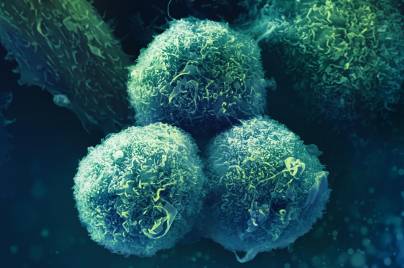
Human papillomavirus (HPV) is a leading cause of certain types of cervical cancer and other cancers in men and women

July 10, 2026

Share this article

Facebook icon

.st0{fill:#00857C;} X icon

Linkedin icon

Email icon

young adults sitting on the steps of a building

What is human papillomavirus (HPV)?

Human papillomavirus (HPV) is the most common sexually transmitted infection (STI) in the U.S. There are many different types of HPV.

For most people, HPV clears on its own. But for the very few who do not clear the virus, it can cause certain cancers and other diseases in both men and women. Unfortunately, there’s no way to know who will or will not clear the virus.

What cancers and diseases can be caused by HPV?

icon of people connected in a circle

HPV can cause certain types of:

  • cervical cancers
  • anal cancers
  • vulvar cancers
  • vaginal cancers
  • head and neck cancers
  • genital warts

According to the U.S. Centers for Disease Control and Prevention (CDC), between 2018 and 2022, tens of thousands of people in the U.S. were diagnosed with certain HPV-related cancers each year.

The impact of HPV-related cancers

Between 2018 and 2022, CDC estimates:

icon
60-70%

of all oropharyngeal cancer (found in the back of the throat, including the base of the tongue and tonsils) may be caused by HPV

icon
~12,300

new HPV-related cervical cancer cases occur in the U.S. each year

“There are steps people can take to be proactive about their health. Men and women should speak with their health care providers to learn more about the link between HPV and certain cancers and diseases.”

— Mel Kohn, M.D., MPH, executive director of medical affairs, Merck

The World Health Organization’s movement towards cervical cancer elimination

According to the World Health Organization (WHO), cervical cancer is the fourth most frequent cancer in women globally. Important steps have been taken to achieve a world where fewer women are affected by cervical cancer, but more needs to be done.

In 2020, the World Health Assembly adopted the global strategy to accelerate the elimination of cervical cancer as a public health problem.

To help achieve this goal, the WHO provides guidance and tools to support countries in implementing strategies and addressing challenges associated with cervical cancer prevention.

Health awareness

Measles: signs and symptoms

Learn more about what the measles virus is and how measles spreads

July 1, 2026

Share this article

Facebook icon

.st0{fill:#00857C;} X icon

Linkedin icon

Email icon

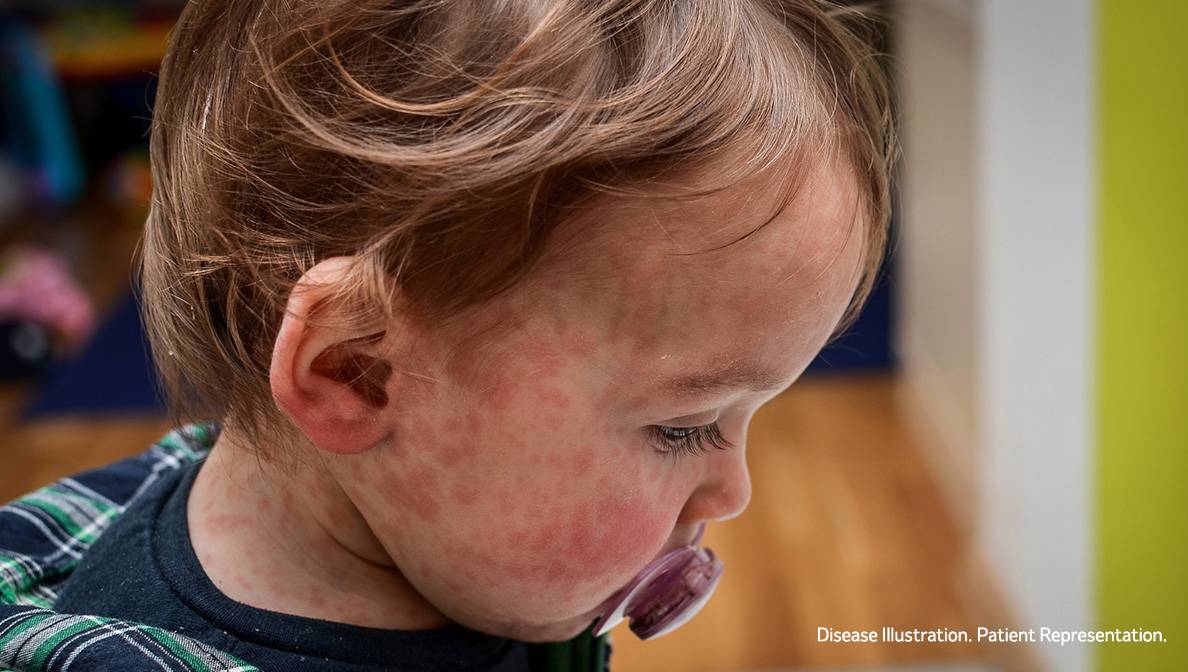
Close up of baby's profile
Illustration of a person holding a child. A circular inset on the left side of the image contains various virus-like particles, indicating an infection or illness.

What is measles?

Measles is a highly contagious viral disease that can affect people of all ages but is most common in children. The virus lives in the mucus of the nose and throat of an infected person.

Measles spreads through the air when an infected person coughs or sneezes. Symptoms appear 7 to 14 days after contact with the virus.

Common measles symptoms include:

High fever

(may spike to more than 104°F)

Cough

Runny nose

Red watery eyes

(7-14 days after contact with the virus)

Tiny white spots in mouth

(2-3 days after symptoms begin)

Rash

(3-5 days after symptoms begin)

How measles spreads

icon
Is measles airborne?

The measles virus can live for up to two hours in an airspace after an infected person leaves an area.

icon
How contagious is measles?

If one person has measles, up to 90% of unvaccinated people close to that person will also become infected.

icon
How long is measles contagious for?

Infected people can spread measles to others four days before through four days after the rash appears.

icon
How long is the measles incubation period?

After a person is exposed, the measles virus can incubate for up to 11-12 days. An incubation period is how long it takes for you to develop symptoms after exposure to an infectious disease.

icon
Does measles cause complications?

Measles can cause health complications. Common complications include ear infections and diarrhea. Serious complications include pneumonia and encephalitis (swelling of the brain). Measles may impact the daily lives of patients and their caretakers (e.g., can result in lost work time or missed school days).

Measles can be serious and lead to complications 

  • About 1 in 5 unvaccinated people in the U.S. who get measles are hospitalized.
  • As many as 1 out of every 20 children with measles get pneumonia, the most common cause of death from measles in young children.
  • Approximately 1 to 3 of every 1,000 children who become infected with measles will die from respiratory and neurologic complications.

Understanding measles outbreaks

Before the vaccine became available in 1963, an estimated 3 to 4 million Americans contracted measles each year; an estimated 48,000 people in the U.S. were hospitalized and there were approximately 400 to 500 deaths annually.

When you’re contagious with measles, up to 90% of the people around you who are not vaccinated will also become infected.

In the U.S., measles cases can originate from international travel as the disease remains common in many parts of the world. Typically, 2 out of 3 of travelers with measles are unvaccinated Americans re-entering the country.

As seen by the recent outbreaks across the country, measles can spread rapidly, and infected individuals can spread measles to other people who are not immune.

Health awareness

From patient to advocate: Cris Regent’s LDL-C story

A personal wake-up call inspired a Merck employee to advocate for bad cholesterol awareness

June 29, 2026

Share this article

Facebook icon

.st0{fill:#00857C;} X icon

Linkedin icon

Email icon

two men wearing baseball jerseys shaking hands
Cris Regent (r) and former Atlanta Braves catcher Javy López (l) throw the first pitch at Truist Park on May 14.

For Cris Regent, associate vice president, U.S. pharma cardiovascular and metabolic at Merck, the fight against high bad cholesterol is deeply personal. Despite eating well and exercising regularly, a few years ago, Regent discovered his low-density lipoprotein cholesterol (LDL-C) — otherwise known as bad cholesterol — had been climbing higher. High bad cholesterol is a major contributor to plaque (bad cholesterol, fats and other substances) buildup in the arteries, which increases the risk of heart attack or stroke. Cardiovascular disease is the leading cause of death in the U.S. and each year, it’s estimated that more than 800,000 people in the U.S. have a heart attack.

“I thought I was managing my risk — until I wasn’t,” Regent said. Motivated by a family history of heart conditions, Regent spoke with his doctor. They moved beyond simple lifestyle changes to a comprehensive management plan to hit his LDL-C goals.

Now, Regent is turning his experience into advocacy through Playing with Heart, a collaboration between Merck, nine professional baseball teams, former professional baseball legends and WomenHeart, a nonprofit organization focused on improving the lives of adults with or at risk of heart disease. During the 2026 baseball season, the Playing with Heart program will feature a lineup of baseball legends, clubs and ambassadors who will share their personal stories about high bad cholesterol. Playing with Heart will educate adult baseball fans about the risks of high bad cholesterol and the importance of talking to your doctor about your bad cholesterol number.

“Baseball is America’s favorite pastime; you grow up with these players, you see them on TV, and there is this relationship that you build with them,” Regent said. “When you hear these players speak, you stop and you listen. We’re reaching people through players they respect and want to listen to.”

Baseball has shaped Regent’s life since his early years. As a kid, he spent each season cheering for the New York Yankees during every game before taking the field himself as the catcher for his high school baseball team. When his son played Little League, Regent was the coach of his son’s team, passing his love of baseball to the next generation.

And while the Yankees will always have a special place in his heart, he now cheers on the Phillies. But no matter who wins the World Series, he’ll be happy that this season his personal experience helped fans learn that adults can be vulnerable to the risks associated with high bad cholesterol.

Talk to your doctor to learn more about your bad cholesterol number. For more information, visit PlayingWithHeart.com.

Health awareness

Triple-negative breast cancer (TNBC): A personal journey

A mom’s personal story of support, community and care after her TNBC diagnosis

June 10, 2026

Share this article

Facebook icon

.st0{fill:#00857C;} X icon

Linkedin icon

Email icon

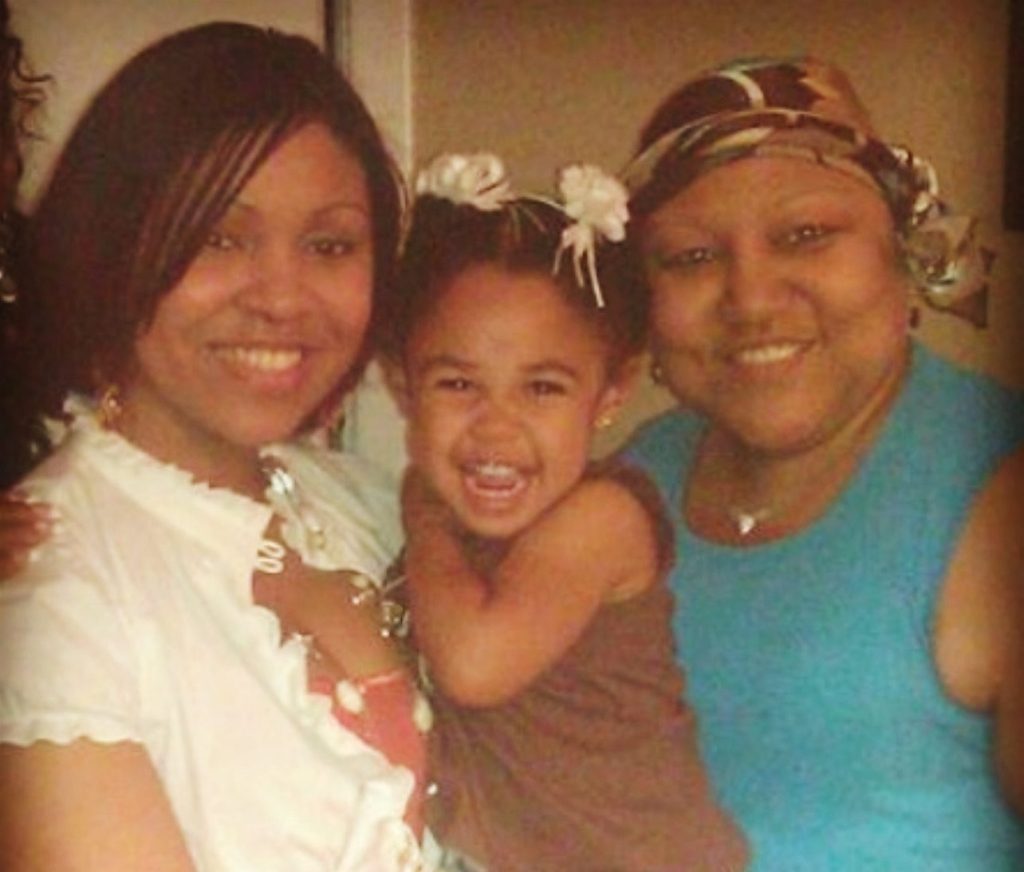
In 2020, Jonell Deshotel was balancing school, motherhood and the challenges of the COVID-19 pandemic when she noticed a lump on the side of her breast. After years of watching her own mother’s experience with breast cancer, she knew she needed to act quickly.

She went to see her doctor and received news that changed everything for her: Deshotel was diagnosed with triple-negative breast cancer or TNBC.  

“My mom was diagnosed with breast cancer at the age of 36. I remember her saying, ‘I have breast cancer, but I will get through this, and we will get through this together.’ Once I received my own diagnosis, I knew that I wanted to embody that strength with my own daughter.”

  • Jonell Deshotel

There are many different types of breast cancer — defined by where it starts in the breast, how much it has grown and how it behaves. One of the more aggressive types is TNBC. 

What is TNBC? 

Breast cancer is the most commonly diagnosed cancer among women in the U.S. But not all breast cancers are the same.

Breast cancer tumors may be tested for three receptors, or proteins, that can influence tumor behavior and may help guide treatment decisions. A TNBC diagnosis is made when the tumor tests negative for all three receptors — estrogen, progesterone and HER2 (Human Epidermal Growth Factor Receptor 2). HER2 is a protein that tells breast cells to grow.

TNBC differs from other types of invasive breast cancer as it tends to grow and spread faster, often with a worse prognosis for patients. It also has a high likelihood of recurrence.  

Who’s at risk of developing TNBC? 

Approximately 1 in 8 women in the U.S. will be diagnosed with breast cancer at some time in their life, and roughly 10-15% of these diagnoses are TNBC.

While TNBC can affect anyone, it’s more common in people who are younger than age 40, Black or have certain gene mutations.

Factors that make someone more likely to be diagnosed with TNBC include:

  • Sex: People assigned female at birth are at higher risk for TNBC compared to people assigned male at birth.
  • Race/ethnicity: TNBC disproportionately affects Black women compared to white women. Nearly 20% of breast cancers diagnosed in Black women are TNBC.
  • Age: TNBC is more common in women younger than 40.
  • Genetic mutations: Mutations in certain genes are associated with TNBC.

What are the signs and symptoms of TNBC?

TNBC may have similar signs and symptoms to other common types of breast cancer, though some people with TNBC may have no symptoms at all.

Possible signs and symptoms of breast cancer may include:

  • A new breast lump or mass
  • Swelling of all or part of a breast
  • Skin dimpling
  • Breast or nipple pain
  • Nipple retraction
  • Nipple or breast skin that’s red, dry, flaking or thickened
  • Nipple discharge
  • Swollen lymph nodes under the arm or near the collarbone

Treatment, support and community after a TNBC diagnosis

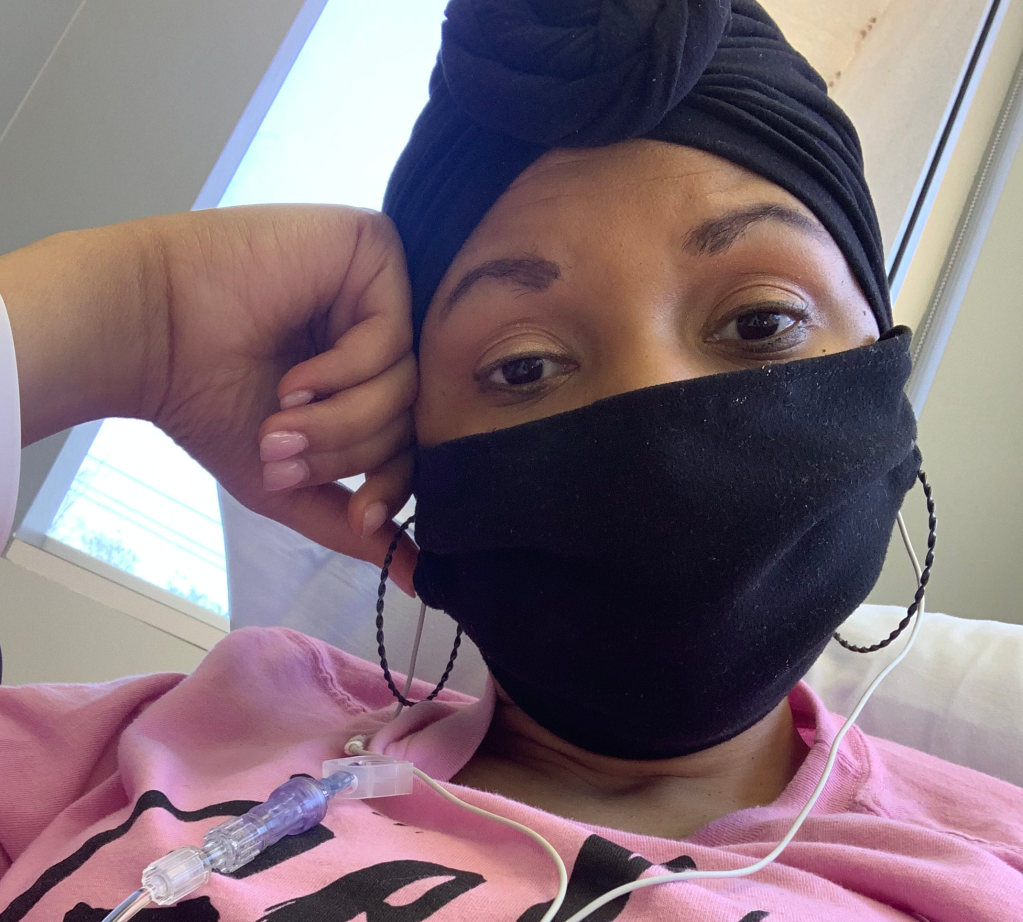
Deshotel underwent more than 10 rounds of treatment along with intensive surgery.

Still, she says support made all the difference. “When I was first diagnosed, it was so important for me to do the research to find women who were young, who were of color and that (were) going through the same experiences that I might have been going through,” she said.

That search led her to a community she describes as her village. “I would not be talking to you today without our village. My friends would take me to my chemotherapy treatments, prepare food for me, and stayed by my side,” she said.

Their care and support helped Deshotel through her hardest days. It also shaped how she sees her future as a mother and advocate, because of her family’s multi-generational journey with breast cancer.

Today, she focuses on being healthy to be there for her daughters Payton and Journie Adele, named after her mother and their journeys with breast cancer.

woman smiling and walking with a pink umbrella and man behind her playing a tuba

Stories like Deshotel’s remind us why patients are at the heart of our efforts in cancer care. Her journey is a reminder to listen to your body, get checked when something feels wrong and lean on the people around you.

“One of my favorite gifts that I received from my village was my signature umbrella. It’s a symbol of hope, joy, celebration with resilience,” she said. “Together, we are strong.”

Health awareness

Know your risk for bladder cancer — and don’t ignore the signs

Awareness gaps can impact recognition and diagnosis of bladder cancer

May 4, 2026

Share this article

Facebook icon

.st0{fill:#00857C;} X icon

Linkedin icon

Email icon

a small group of adults conversing

When bladder cancer is found early, before it spreads beyond the bladder, patients have more treatment options. That’s why we’re focused on getting to the heart of what people need to hear. Especially those at risk of bladder cancer.

Dr. M. Catherine Pietanza

“Too many patients don’t recognize the warning signs for bladder cancer or feel comfortable talking about them. Breaking that silence is just as important as developing new treatments — because awareness is the first step toward helping to save lives.”

  • Dr. M. Catherine Pietanza
    Vice president, global clinical development, Merck Research Laboratories

Bladder cancer risk is not largely based on family genetics

Some people inherit certain genes from their parents that can increase their risk of bladder cancer. But bladder cancer doesn’t often run in families, and inherited genes are not thought to be a major cause of this disease. Most gene changes linked to bladder cancer develop during a person’s life, rather than having been inherited.

Don’t ignore blood in your urine or changes in your urinary habits — talk to your doctor right away

Bladder cancer can often be found early because it can cause symptoms that lead a person to see a healthcare provider. Blood in your urine is usually the first sign, before pain or other symptoms appear. In most cases, blood in the urine doesn’t mean you have bladder cancer, but it’s important to see your doctor to rule out other causes like a bladder or kidney stone, an infection or kidney disease.

Be aware of your risks for bladder cancer

Knowing and avoiding the risk factors that are within your control may help lower your risk of bladder cancer. Among risk factors for bladder cancer, smoking is highest on the list — causing about half of all bladder cancers. Exposure to other chemicals can also raise risk over time, including industrial chemicals used in making rubber, leather, textiles and paint products, as well as in printing companies. People who work as painters, firefighters, hairdressers and truck drivers can similarly be exposed to certain chemicals and fumes that might increase their risk of bladder cancer.

Some risk factors can’t be controlled, but you may be able to help lower your risk of bladder cancer by not smoking, practicing good work safety practices, limiting exposure to toxins (like arsenic), staying well hydrated and eating plenty of fruits and vegetables.

Know your individual risk factors and talk to your doctor to see if you are at high risk for bladder cancer. If you have risk factors that strongly increase your risk of bladder cancer, and you’ve noticed certain changes in your urine, your doctor may recommend tests to look for bladder cancer.

“Our goal is to reach patients sooner — before the disease advances, before options narrow.”

  • Dr. M. Catherine Pietanza

When bladder cancer is found early, there are more treatment options. In later stages of bladder cancer, removing the bladder may need to be part of the treatment plan.

This is where our focus begins: breaking the silence and encouraging people to talk to their doctor right away if they notice any possible symptoms.

Health awareness

Notes of resilience: A musician’s journey with head and neck cancer

One singer-songwriter found the strength to keep going after his head and neck squamous cell carcinoma diagnosis by accepting help and embracing love and music

March 10, 2026

Share this article

Facebook icon

.st0{fill:#00857C;} X icon

Linkedin icon

Email icon

In 2023, Jon Michaels was happily balancing the joys and routines of life – from his publishing job and his passion for music as a singer-songwriter to cherishing moments with his wife, Jeannie, and their daughter, Jennings.

One day, Michaels noticed a painless lump in his neck. Since it didn’t affect his ability to sing, talk, eat or drink, he initially dismissed it. When the lump persisted, he was urged to see a doctor who conducted a biopsy and surgically removed the lump. Then came the news that changed his life forever – Michaels was diagnosed with head and neck cancer. He now had to face the impact of this diagnosis on his life, his loved ones – and his music.

“I was wondering, ‘How would I react if I were to be diagnosed with cancer?’” he said. “That day, I found out.”

What is head and neck cancer?

Head and neck cancer describes tumors that develop in or around the throat, larynx, nose, sinuses and mouth. In 2022, there were more than 947,000 cases of head and neck cancer worldwide. These data include cancers of the salivary glands, hypopharynx, oropharynx, nasopharynx, larynx, lip and oral cavity. Michaels’ diagnosis, squamous cell carcinoma of the head and neck, is the most common type of head and neck cancer and begins in the flat, squamous cells that make up the thin mucosal lining of the head and neck.

Michaels’ painless lump is a common symptom of this disease. Other symptoms may include a sore in the mouth that won’t heal, coughing up blood and pain when swallowing.

The power of support in Michaels’ cancer fight

After his diagnosis, Michaels and his wife discussed a treatment plan with the doctor.

“He started by saying, ‘I have good news and bad news. The good news was that we can treat your cancer, with surgery, radiation and chemotherapy. The bad news is that it will be tough,’” Michaels said. “That was hard to process.”

As Michaels started treatment, he was concerned about how it may affect his ability to pursue music.

“That worried me, as music was so much a part of my life,” he said.

Michaels faced both physical and emotional challenges during his treatment, reaching a point where he almost wanted to give up.

However, his wife refused to let him. She inspired him to remain strong and encouraged him to accept help during this difficult time. Even his therapist advised him: “Let the people who love you, love you.” Those words taught Michaels to accept support from his neighbors, friends and family.

“My support group were the real heroes in this experience,” he said.

While others handled life’s daily tasks for him, such as sending meals, mowing the lawn, helping with chores and transportation to appointments, Michaels focused on fighting this disease.

These acts of kindness got him through his toughest days, allowing him to recover and channel his emotions into music, even writing a song to reflect on his cancer experience.

SEE ALSO: Supporting colleagues with cancer

Strengthening our commitment to patients with cancer

Stories of support, like Michaels’, underscore why patients are our inspiration as we continue to pursue the fight against cancer. His journey is an important reminder to turn to a supportive network during trying times.

“The most rewarding part was the overwhelming love shown by my family, friends and strangers,” he said. “Trust in the care and fight when they tell you to fight.”

Health awareness

How collaboration can help enable early detection of lung cancer

Learn about our work with the American Cancer Society

February 18, 2026

Facebook icon

.st0{fill:#00857C;} X icon

Linkedin icon

Email icon

two people with lab coats looking at an medical scan.

Through our Mission Lung Cancer initiative, we’re bringing together our efforts to break down barriers that stand in the way of early lung cancer detection. Our approach is rooted in strategic collaboration, scientific insights and innovative technology.

One program that’s part of Mission Lung Cancer is the American Cancer Society’s Get Screened initiative. Since 2020, we’ve worked with the ACS to help advance early detection for breast, cervical and colorectal cancers through Get Screened.

In 2024, our involvement in this collaboration expanded to include a focus on early detection of lung cancer. Through this initiative, Merck supports the ACS’s efforts to provide screening navigation services, mobile screening units and access to free or low-cost screening options for eligible people* who are uninsured or underinsured.

“Together with the American Cancer Society, we’re focused on supporting initiatives that elevate the importance of early lung cancer detection and helping eligible individuals get access to screening. We’re proud to support efforts to raise awareness around this disease that impacts millions of people each year.”

  • Josette Gbemudu
    Associate vice president, patient health innovation

The Get Screened campaign is already making an impact, with more than 362,400 additional breast, cervical, colorectal and lung cancer screenings conducted. The ACS also aims to raise $30 million to further expand access through outreach, technology and infrastructure.

We joined the Get Screened campaign to help increase cancer screening rates in the U.S., and recently focused specifically on lung cancer, as it’s the leading cause of cancer-related death worldwide.**

However, in the U.S., only 18.2% of those eligible underwent lung cancer screening in 2022. Alongside screenings, knowing the signs and symptoms of cancer can potentially help increase the chance of finding the disease before it spreads.

“This work highlights the power of collaboration between advocacy and industry. Together, we’re helping to build a path for the future where every person at risk receives timely information and resources, empowering them to lead healthier lives.”

  • Shane Jacobson
    CEO, American Cancer Society

Our collaboration with the ACS is one of several initiatives under Mission Lung Cancer, all to advance our mission to help enable early detection of lung cancer to help ensure patients get timely care.

Learn more about Mission Lung Cancer.

*per the U.S. Preventive Services Task Force screening guidelines
**World Health Organization – GLOBOCAN 2022


Health awareness

Acting early in cancer detection

Diagnosing cancer early, before it has spread, may potentially lead to better outcomes

December 10, 2025

Share this article

Facebook icon

.st0{fill:#00857C;} X icon

Linkedin icon

Email icon

Time is important with a cancer diagnosis. People with cancer may have the opportunity for better outcomes when the disease is detected early. And with increases in routine cancer screening (e.g., mammograms, colonoscopies, lung cancer screenings, Pap smears, etc.), more cancer cases can be diagnosed before metastasis — before the disease has spread to other parts of the body.

“We’ve seen incredible progress in the fight against cancer in recent decades, driven by advances in early detection and the availability of new treatment options,” said Dr. Gregory Lubiniecki, vice president, oncology clinical research. “This progress makes me optimistic for a future where cancer is detected and treated as early as possible, giving patients the greatest chance to live cancer-free. We can’t rest now — I’m hopeful that we’ll continue to build on what we’ve learned about helping people with earlier stages of disease.”

But important work remains to continue to improve care and diagnose cancer early.

What is early-stage cancer?

After someone is diagnosed with cancer, doctors will try to figure out how much cancer is in the body and if their disease has spread — this process is called staging, which can help guide treatment decisions. Different cancer stages have different treatments and possible outcomes, and they’re associated with different odds of recurrence. 

The stages of cancer

animated GIF of the four stages of cancer
  • Stage 0: Cancer is localized to where it started.
  • Stage 1: Cancer has not grown deeply into nearby tissues.
  • Stage 2 and 3: Cancer has grown more deeply into nearby tissues and may involve lymph nodes, but has not spread to distant parts of the body.
  • Stage 4: Tumor cells have spread to other organs or distant parts of the body.

Early-stage is a term that can be used to describe cancer that’s early in its growth, before it has spread to other parts of the body. However, each person’s experience with cancer is unique, and what doctors may define as early-stage can vary by the type of cancer.

When cancer is diagnosed, the goals of treatments are to slow, stop and possibly eliminate tumor growth.

Treatment may be more likely to be successful if it’s started before the cancer has spread, when surgery is a potential option. However, even after surgery, there’s a risk that the cancer may spread to other parts of the body. Additional treatment may help lower that risk. In certain instances, other treatment options can be used before surgery (neoadjuvant) to help to reduce the size of the tumor, and/or after surgery (adjuvant) to lower the chance of the cancer from potentially coming back.

Detecting and treating cancer early may help reduce the risk of recurrence and increase the potential for survival.

Health awareness

Understanding the health risks of high LDL cholesterol

Our scientists are investigating a potential new approach to reduce low-density lipoprotein (LDL) cholesterol in order to help lower the risk of heart attacks and strokes

October 30, 2025

Share this article

Facebook icon

.st0{fill:#00857C;} X icon

Linkedin icon

Email icon

What does high cholesterol mean?

Cholesterol is obtained from food and produced by the liver. It carries out several important functions in our body, including the synthesis of new cells, some hormones and substances that help digest food. There are two kinds of cholesterol: high-density lipids (HDL) and low-density lipids (LDL). Too much LDL cholesterol can pose a problem.

LDL-C, also known as “bad cholesterol,” is known to combine with fats and other substances leading to the buildup over time of fatty deposits, known as atherosclerotic plaques, on and within the inner walls of arteries. This may increase an individual’s risk of heart attack or stroke. People with elevated LDL-C levels in their blood have a condition called hypercholesterolemia.

Certain health conditions like type 2 diabetes and obesity, as well as behavior and lifestyle factors like smoking, eating a diet high in saturated and trans fats and lack of exercise, have been shown to increase a person’s risk for hypercholesterolemia. Other factors that increase risk include a family history of cardiovascular disease, older age and gender (women tend to have lower LDL levels than men until ~55 years of age or until menopause).

SEE ONE PATIENT’S JOURNEY: A call to action: Lowering LDL cholesterol

Hypercholesterolemia: a major causal risk factor for cardiovascular disease

Hypercholesterolemia is a leading contributor to atherosclerotic cardiovascular disease (ASCVD), a condition caused by the buildup of plaque within arteries, leading to narrowed or blocked blood vessels. This may result in cardiovascular events such as heart attack or stroke and continues to pose a significant health burden.

The CV epidemic

~24.1%

Adults live with hypercholesterolemia; ~86M adults in the U.S. are affected

~500M

People worldwide are affected by cardiovascular disease

~20.5M

Deaths from cardiovascular disease in 2021; ~900K deaths in the U.S. in 2023

Despite widespread availability of therapeutic interventions, 70% of the patients treated with lipid-lowering therapies are not achieving guideline recommended reductions in LDL cholesterol and, as a result, remain at risk for serious cardiovascular events.

“Millions of people are impacted by hypercholesterolemia and struggle to meet their recommended LDL cholesterol level,” said Dr. Puja Banka, associate vice president, clinical research and global clinical development.

Photo of Puja Banka

“Cardiovascular disease is a serious global public health threat, and we’re investigating an established biological mechanism coupled with the potential of an innovative modality to help support patients who continue to have high LDL cholesterol levels.”

  • Dr. Puja Banka

Our PCSK9 research

Over two decades ago, researchers identified the connection between proprotein convertase subtilisin/kexin type 9 (PCSK9) and cholesterol when a genetic mutation in the PCSK9 gene was observed in a family with familial hypercholesterolemia. PCSK9 plays a role in controlling the level of LDL-C in the blood by regulating the number of LDL receptors on the surface of cells, which are responsible for the binding and removing of cholesterol from the blood stream.

Today, Merck scientists are building on these findings to research different ways to target PCSK9 as a potential approach to help reduce LDL-C levels in the blood.

“For nearly 70 years, our company has been developing medicines to help address the burden of cardiovascular disease,” said Banka. “And we’re combining our deep expertise in cardiovascular disease and our strong medicinal chemistry capabilities to help advance PCSK9 research.”

Learn more about our commitment to cardiovascular health.

Health awareness

A call to action: Lowering LDL cholesterol

See how a grandfather's heart attack sparked a journey toward lowering his LDL cholesterol level

October 28, 2025

Share this article

Facebook icon

.st0{fill:#00857C;} X icon

Linkedin icon

Email icon

“Life is short. It can change any second,” John Bald said he realized when his ski trip ended in the hospital.

While on the slopes several years ago, Bald, a father of three and grandfather of three, started to feel chest pain. What he thought was heartburn kept getting worse with each run.

“When I finally got to the hospital, I ran to the emergency window, and by the time I got to the window, I almost collapsed,” Bald said.

His doctors discovered he was having a heart attack. They found a 95% blockage of his right coronary artery, a common sign of atherosclerotic cardiovascular disease (ASCVD), and he later learned he had high levels of LDL cholesterol, also known as bad cholesterol.

The blockage was cleared, and Bald received a stent in his heart to keep his artery open and improve blood flow to the rest of his body. As someone who had been active and relatively healthy, he was surprised by his diagnosis.

What is atherosclerotic cardiovascular disease (ASCVD)?

ASCVD is a condition caused by the buildup of plaque (bad cholesterol, fats and other substances) within the arteries, leading to narrowed or blocked blood vessels that can result in serious cardiovascular events such as heart attacks or strokes. ASCVD includes diseases that can narrow or block arteries in your heart, legs, and/or brain.

The risks of high cholesterol

Bald learned his high LDL cholesterol put him at an increased risk of a future heart attack or stroke.

A high level of low-density lipoprotein cholesterol (LDL-C) is one of several risk factors that can contribute to the development of ASCVD. Plaques can silently build up in arteries over time, which may increase the risk of a heart attack or stroke.

John Bald in a swimming pool and holding hands with small grandchild

Bald and his doctor came up with a treatment plan to manage his cholesterol. These conversations with his doctor, in addition to medication and lifestyle changes, helped Bald lower his risk of future cardiovascular events. It also prompted his adult family members to understand their own cardiovascular risk.

Today, Bald savors every minute splashing in the pool with his three grandchildren.

Watch above to learn more about John Bald’s journey to lowering his LDL cholesterol.