Living with essential thrombocythemia, a rare blood cancer
One woman shares her experience living with a rare blood cancer and supporting others to do the same
November 20, 2026
When T.J. Houppert was diagnosed with essential thrombocythemia (ET), a rare, chronic blood cancer, she made a powerful choice that became the blueprint for her next decade: “I run my life and this disease does not.”
Before T.J.’s diagnosis, she was focused on the career she loved and spending time with her husband and son in western New York but persistent fatigue, dizziness and increasing incidences of debilitating headaches led her to seek answers. She tried getting more rest, exercising and adjusting her diet, but nothing restored her energy. As she explains: “It wasn’t just being tired. It was exhaustion. And that is different.”
T.J. was referred to a hematologist after routine bloodwork revealed her platelets were elevated. That finding brought her back to years earlier, when preoperative bloodwork had also shown elevated platelets, which doctors felt was insignificant at the time. Now, her hematologist told her the elevated count could mean something was medically wrong.
Confirming an ET diagnosis
After a period of continued monitoring, routine bloodwork showed T.J.’s platelet count had risen to 1.6 million platelets per microliter — normal platelet count is under 450,000 per microliter. A bone marrow biopsy followed to confirm the diagnosis: T.J. had ET and began treatment right away.
What is ET?
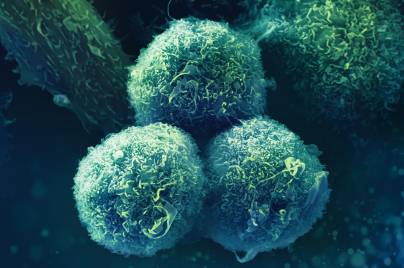
ET is a rare, chronic blood cancer in the family of diseases known as myeloproliferative neoplasms that impacts an estimated 65,000 people in the U.S. each year. ET causes the bone marrow to make too many platelets, the cells responsible for clotting. T.J. describes her bone marrow as a factory that runs 24/7 and never hits its platelet quota.
Key facts about ET

Chronic cancer
ET is chronic. It generally progresses slowly but requires lifelong management. There is no cure.

Risks
ET raises the risk of blood clots, stroke and bleeding events, which is why platelet counts are closely monitored. It can also progress into other forms of cancer, including myelofibrosis and acute myeloid leukemia.

Impact
ET symptoms can affect daily life. Fatigue, headaches, dizziness and other symptoms can be disruptive to day-to-day activities, even when they are not immediately visible to others.
Finding support and connection
Following her diagnosis, T.J. searched for reliable information about the disease. Living in a rural area where it was difficult to find a doctor familiar with ET, she had many unanswered questions. She drove hours to find doctors who were more informed on her condition.
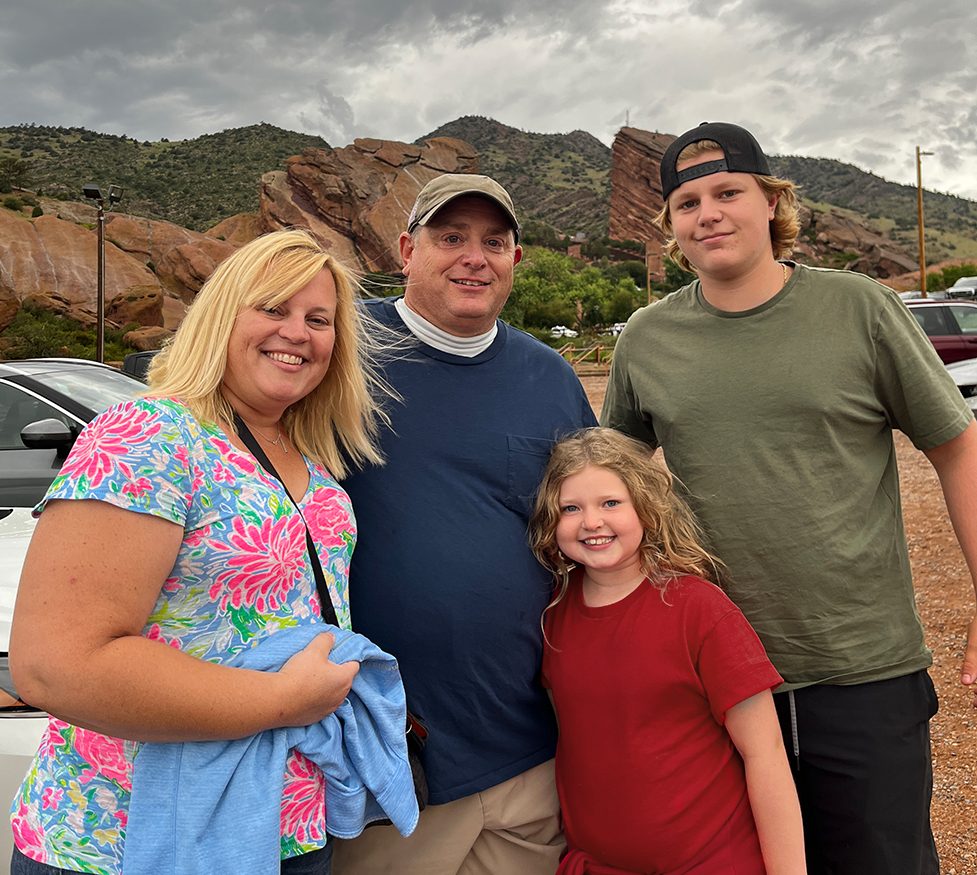
T.J. sought connection through advocacy organizations and now offers support to patients navigating the same questions and feelings of uncertainty she had. “It’s just as beneficial for me to talk to somebody who needs that support,” she said.
Over time, T.J.’s commitment to helping individual patients grew into a broader interest in making a difference for the ET community. “I felt like this was an opportunity for me to help push the future forward,” she said. T.J. also believes patients, particularly those with rare diseases like ET, can contribute to progress by working together and supporting each other.
What T.J. wants people to know about ET
First, “there’s no end date for this disease,” she said. She wishes she could someday ring the bell like other cancer patients get to do when treatment ends, but with this chronic cancer, that’s not possible.
Second, just because someone appears to bear the disease well doesn’t mean it isn’t hard. “Extreme exhaustion is something that a lot of people misconstrue,” she said. “I know if I push myself too far physically, I will feel nauseous and more beat down than normal.”
Her advice to anyone newly diagnosed is what she’s practiced for a decade: Learn about your cancer, build a support system and keep asking questions to get the answers you need.
What keeps T.J. going is her family — spending summers on the lake and winters at the hockey rink with her kids — and the finish line she is always looking toward: a hope for brighter days ahead for the ET community.
Learn more about essential thrombocythemia and other blood cancers.