How Merck is helping advance research with new approaches for people living with these challenging conditions
June 10, 2026
Share this article
Blood cancers develop when changes in DNA cause blood‑forming cells to grow abnormally. Instead of producing healthy blood cells that support the immune system and carry oxygen through the body, these altered cells multiply in an uncontrolled way. Over time, this can weaken the immune system and make it harder for the body to fight infection and perform essential functions.
Types of blood cancer: leukemia, lymphoma and myeloma
The most common types of blood cancer are leukemia, lymphoma and myeloma. Together, they account for the majority of hematologic malignancies, with more than 190,000 new cases projected each year in the U.S.
Leukemia forms in the blood and bone marrow and is caused by the rapid production of abnormal white blood cells. There are several types of leukemia, which include acute lymphoblastic leukemia, acute myeloid leukemia, chronic lymphocytic leukemia and chronic myeloid leukemia.
Lymphoma develops in the lymphatic system, a network of organs, vessels and tissues that helps protect the body from infection. It is often classified as either Hodgkin lymphoma or non‑Hodgkin lymphoma, depending on the type of lymphocyte involved and specific cellular features.
Myeloma, also known as multiple myeloma, forms in plasma cells found in the bone marrow. Unlike cancers that first appear in one location, myeloma can occur in multiple areas of the bone marrow at the same time.
Rare blood cancers: myeloproliferative neoplasms (MPNs) and myelodysplastic syndromes (MDS)
In addition to the previously listed more common blood cancers, there are rarer related blood cancers, such as myeloproliferative neoplasms (MPNs) and myelodysplastic syndromes (MDS). About 20,000 new cases of MPNs and MDS are diagnosed each year in the U.S. MPNs occur when the bone marrow produces too many blood cells, while MDS develops when blood cells do not mature properly and are unable to become healthy cells. The main types of MPNs include essential thrombocythemia, primary myelofibrosis and polycythemia vera.
As the number of people affected by blood cancers and disorders continues to rise, scientists at Merck are exploring innovative strategies aimed at improving outcomes for patients living with these complex and challenging conditions. These approaches focus on enhancing the body’s response to cancer, targeting cancer cells more precisely and addressing pathways that drive cancer growth.
Merck is currently investigating several potential targets for hematologic malignancies across a broad range of different disease pathways, including:
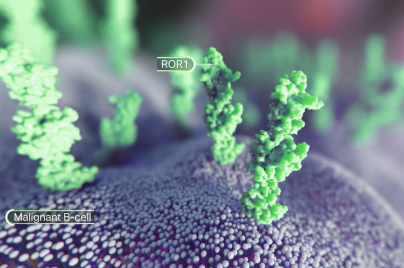
3-D depiction of ROR1 protein on a malignant B-cell
Targeting ROR1, a protein that is overexpressed in multiple hematologic malignancies
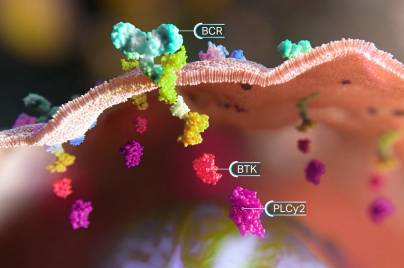
3-D depiction of BTK and PLCy2 in the BCR signaling pathway
Evaluating the inhibition of Bruton’s tyrosine kinase to address common mechanisms of resistance for patients with certain hematologic malignancies
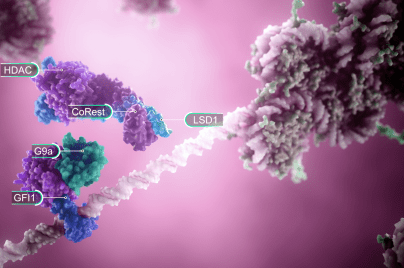
3-D depiction of LSD1 and transcription factors ahead of histone modification
Targeting lysine-specific demethylase 1 (LSD1), an enzyme that is potentially important for regulating the rapid reproduction of blood stem cells and the maturation of blood cells in the bone marrow
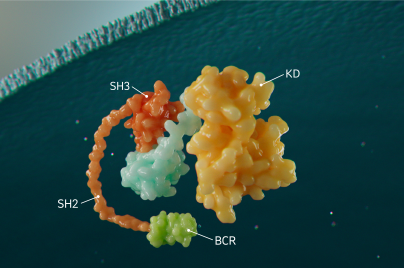
3-D depiction of BCR protein complex
Evaluating the role of the BCR::ABL novel protein in preventing white blood cells from proliferating
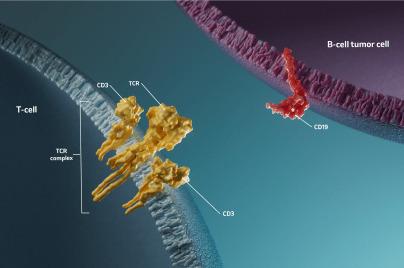
3-D depiction of T-cell with TCR complex and B-cell tumor cell with CD19 protein
Researching T-cell engagement for certain types of leukemia and lymphoma
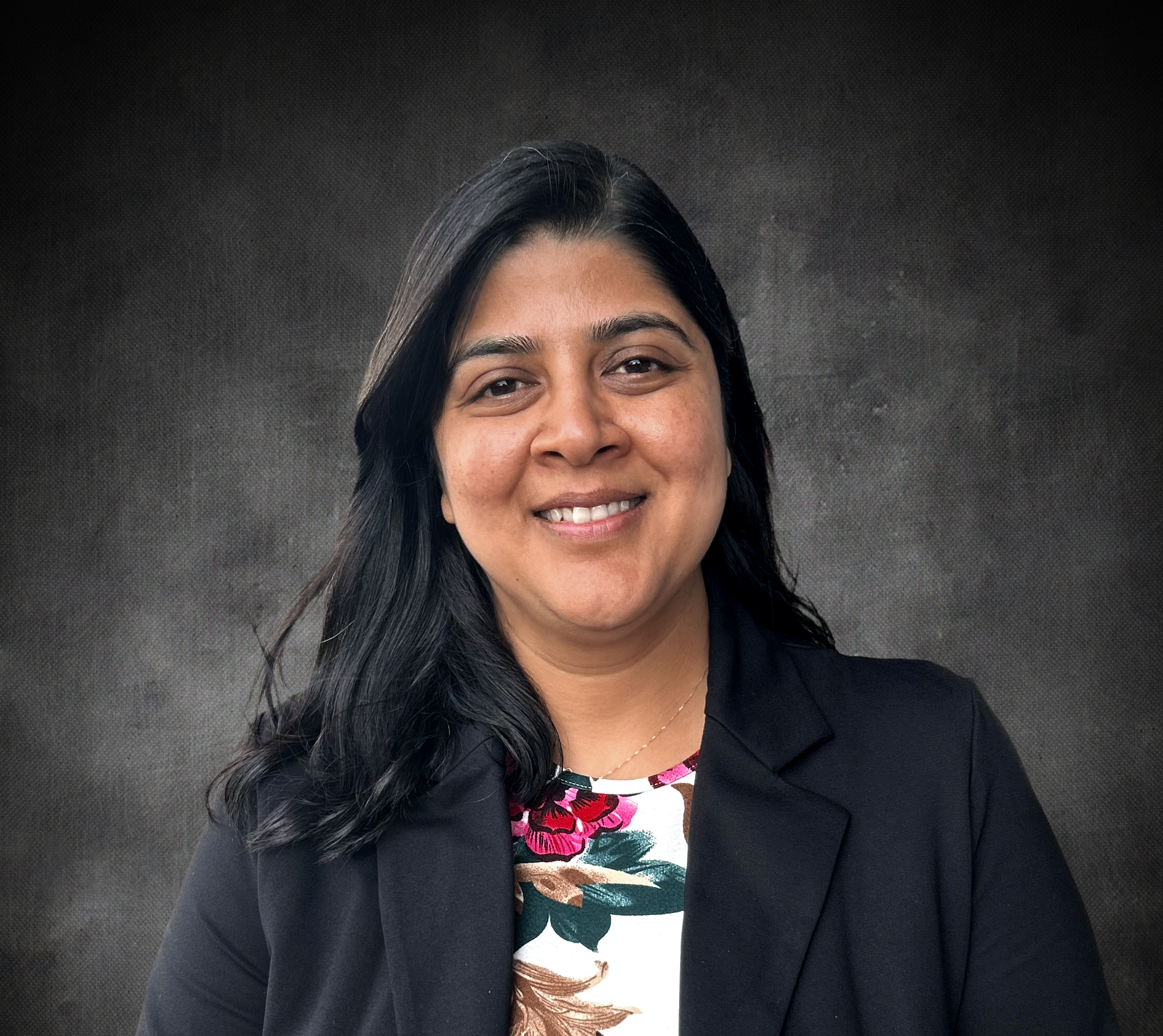
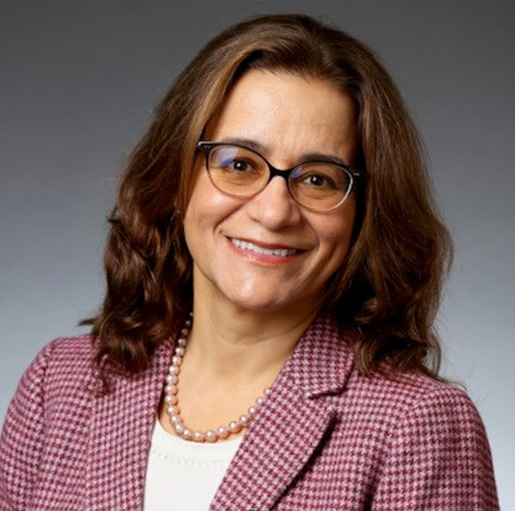
“Our team is building on our legacy in oncology to understand how various mechanisms and modalities could address blood cancers in innovative ways,” said Dr. Shweta Jain, vice president, oncology clinical research, Merck Research Laboratories.
“By exploring multiple potential novel mechanisms of action across a broad range of blood cancers and disorders, we hope to help address longstanding unmet needs for patients with hematologic malignancies.”
Dr. Shweta Jain
Through ongoing studies and clinical trials, Merck is working to advance clinical research for patients living with blood cancers and disorders. Learn more about Merck’s hematology research and clinical trials.
Triple-negative breast cancer (TNBC): A personal journey
A mom’s personal story of support, community and care after her TNBC diagnosis
June 10, 2026
Share this article
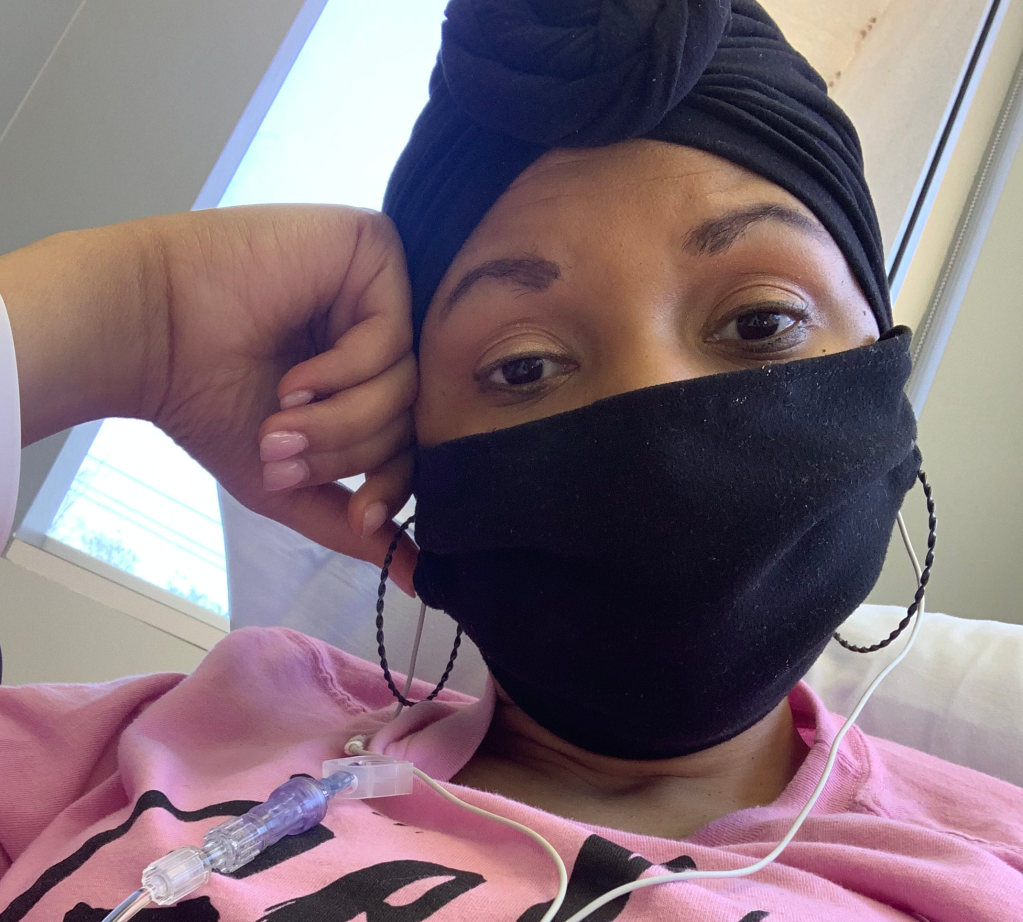
In 2020, Jonell Deshotel was balancing school, motherhood and the challenges of the COVID-19 pandemic when she noticed a lump on the side of her breast. After years of watching her own mother’s experience with breast cancer, she knew she needed to act quickly.
She went to see her doctor and received news that changed everything for her: Deshotel was diagnosed with triple-negative breast cancer or TNBC.
“My mom was diagnosed with breast cancer at the age of 36. I remember her saying, ‘I have breast cancer, but I will get through this, and we will get through this together.’ Once I received my own diagnosis, I knew that I wanted to embody that strength with my own daughter.”
Jonell Deshotel
There are many different types of breast cancer — defined by where it starts in the breast, how much it has grown and how it behaves. One of the more aggressive types is TNBC.
What is TNBC?
Breast cancer is the most commonly diagnosed cancer among women in the U.S. But not all breast cancers are the same.
Breast cancer tumors may be tested for three receptors, or proteins, that can influence tumor behavior and may help guide treatment decisions. A TNBC diagnosis is made when the tumor tests negative for all three receptors — estrogen, progesterone and HER2 (Human Epidermal Growth Factor Receptor 2). HER2 is a protein that tells breast cells to grow.
TNBC differs from other types of invasive breast cancer as it tends to grow and spread faster, often with a worse prognosis for patients. It also has a high likelihood of recurrence.
Who’s at risk of developing TNBC?
Approximately 1 in 8 women in the U.S. will be diagnosed with breast cancer at some time in their life, and roughly 10-15% of these diagnoses are TNBC.
While TNBC can affect anyone, it’s more common in people who are younger than age 40, Black or have certain gene mutations.
Factors that make someone more likely to be diagnosed with TNBC include:
Sex: People assigned female at birth are at higher risk for TNBC compared to people assigned male at birth.
Race/ethnicity: TNBC disproportionately affects Black women compared to white women. Nearly 20% of breast cancers diagnosed in Black women are TNBC.
Age: TNBC is more common in women younger than 40.
Genetic mutations: Mutations in certain genes are associated with TNBC.
What are the signs and symptoms of TNBC?
TNBC may have similar signs and symptoms to other common types of breast cancer, though some people with TNBC may have no symptoms at all.
Possible signs and symptoms of breast cancer may include:
A new breast lump or mass
Swelling of all or part of a breast
Skin dimpling
Breast or nipple pain
Nipple retraction
Nipple or breast skin that’s red, dry, flaking or thickened
Nipple discharge
Swollen lymph nodes under the arm or near the collarbone
Treatment, support and community after a TNBC diagnosis
Deshotel underwent more than 10 rounds of treatment along with intensive surgery.
Still, she says support made all the difference. “When I was first diagnosed, it was so important for me to do the research to find women who were young, who were of color and that (were) going through the same experiences that I might have been going through,” she said.
That search led her to a community she describes as her village. “I would not be talking to you today without our village. My friends would take me to my chemotherapy treatments, prepare food for me, and stayed by my side,” she said.
Their care and support helped Deshotel through her hardest days. It also shaped how she sees her future as a mother and advocate, because of her family’s multi-generational journey with breast cancer.
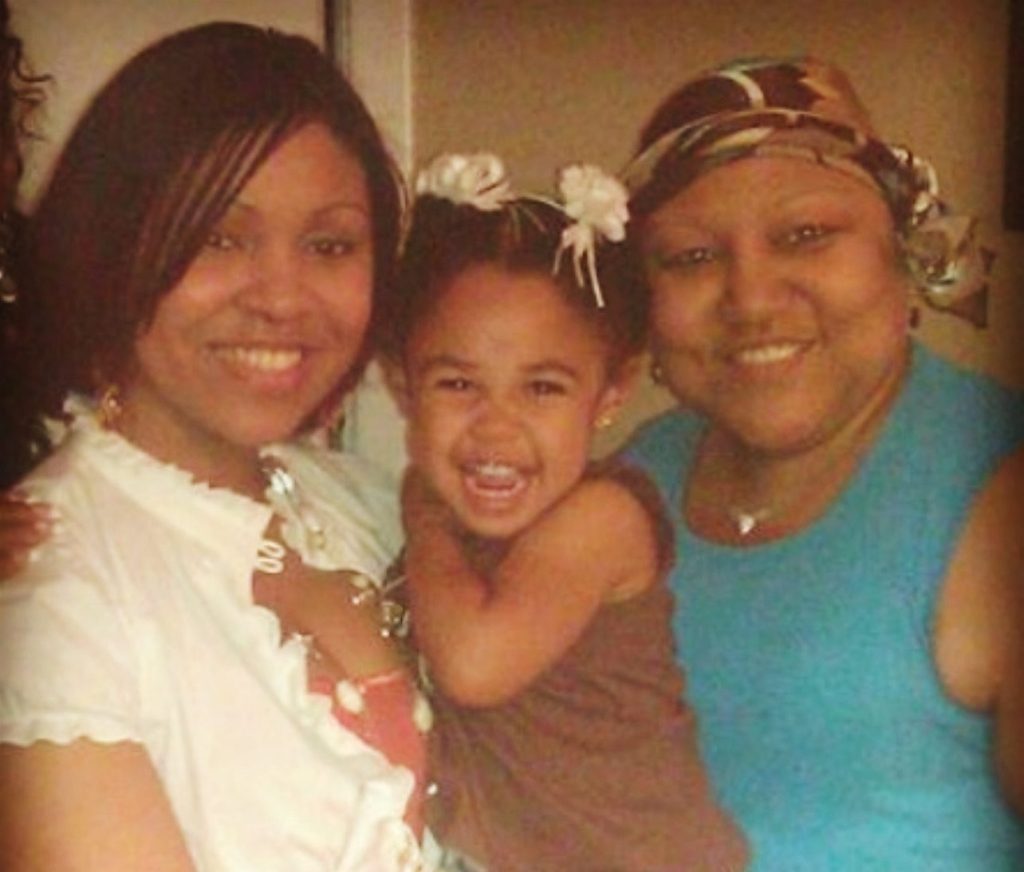
Today, she focuses on being healthy to be there for her daughters Payton and Journie Adele, named after her mother and their journeys with breast cancer.
Stories like Deshotel’s remind us why patients are at the heart of our efforts in cancer care. Her journey is a reminder to listen to your body, get checked when something feels wrong and lean on the people around you.
“One of my favorite gifts that I received from my village was my signature umbrella. It’s a symbol of hope, joy, celebration with resilience,” she said. “Together, we are strong.”
Merck’s One Pipeline strategy: Purpose, patients and big bets on science
Our approach to drug development aims to bring together our own innovation with the best external science so we can more quickly help patients who are counting on us
June 8, 2026
Share this article
At Merck, progressing novel medicines and vaccines through our pipeline means making purposeful, long-term bets on bold science — wherever it originates. We take a science-first, therapeutic-agnostic approach, evaluating where strong science, clear patient impact and long-term value come together to deliver differentiated approaches for patients.
Pursuing science at this global scale across modalities and stages of development goes beyond our company’s internal discovery alone. Through our One Pipeline approach, our team combines our deep internal research capabilities with disciplined business development and licensing efforts to identify, evaluate and invest in the most promising external science. We apply a deliberate, long-term lens to business development — making investments that align with who we are as a company and the role we play in improving global health.
What is Merck’s One Pipeline strategy?
One Pipeline is our unified research and drug development strategy — bringing together internal discovery and external innovation to ensure we advance high-potential science.
We engage across the innovation ecosystem spanning academia to biotech and established biopharma. From early-stage engagements and venture investments to licensing and late-stage research collaborations and acquisitions, our One Pipeline approach enables us to establish a diverse portfolio, regardless of origin or therapeutic area.
Research and collaboration enable our One Pipeline approach
“Our One Pipeline strategy starts with a simple question: where do we see the greatest scientific potential, and how can we advance it for patients?” said Dr. Dean Li, president of Merck Research Laboratories (MRL). “We evaluate opportunities without bias, applying the same rigor and urgency to advance the strongest ideas wherever they come from.”
To achieve this, MRL works in lockstep with our business development and licensing (BD&L) team. “I want to emphasize how integrated BD&L is with MRL. This is hand in glove,” Li said.
How business development augments our pipeline
As one of the industry’s top investors in research and development, Merck’s scientific external innovation strategy is fueled by significant investment and disciplined decision-making and business development activity. We have a legacy of successful collaborations and are among the most active dealmakers in the biopharma industry.
Since 2021, we’ve invested over $65 billion into business development, spanning a wide range of technologies, capabilities and candidates across multiple therapeutic areas and phases of development. This sustained breadth of investment reflects our focused, science-driven approach to identifying and pursuing external innovation to strengthen and expand our pipeline.
Collaborations are critical to advancing breakthrough science
Central to our One Pipeline strategy is our philosophy of matching internal scientific rigor with strategic external investment.
“Everything here starts with scientific conviction,” said Sunil Patel, senior vice president and head of corporate development and business development and licensing. “Whether we’re advancing internal programs or collaborating externally, we focus on high-quality science — even when the path is challenging — because that’s how we deliver real-world impact for patients and society.”
Creating a sustainable innovation engine
After each business development deal, we work to ensure the external science effectively transitions into our pipeline and portfolio. By applying our clinical, regulatory and manufacturing expertise, we work to accelerate each program with speed and rigor — supporting a steady flow of novel candidates for patients depending on us to deliver the next breakthrough.
“Business development is core to our growth strategy,” said Rob Davis, chairman and chief executive officer. “At Merck, we are committed to delivering on our purpose to save and improve lives and continue to identify and secure opportunities where compelling science and value creation align.”
Where is Merck’s business development and licensing team located?
Recognizing that innovation can happen anywhere, the BD&L team scours the globe to bring in transformative science and leading‑edge technologies. They work alongside scientists within our research network and are strategically located in epicenters of innovation, including:
How scientists are harnessing the specific mutations of each person’s cancer to evaluate therapies that would be tailored to their own tumor
May 20, 2026
Share this article
Over the past decade, immunotherapy has transformed our understanding of how the immune system can be used to help fight certain types of cancer. As the treatment of cancer continues to evolve, researchers are focusing on more individualized approaches.
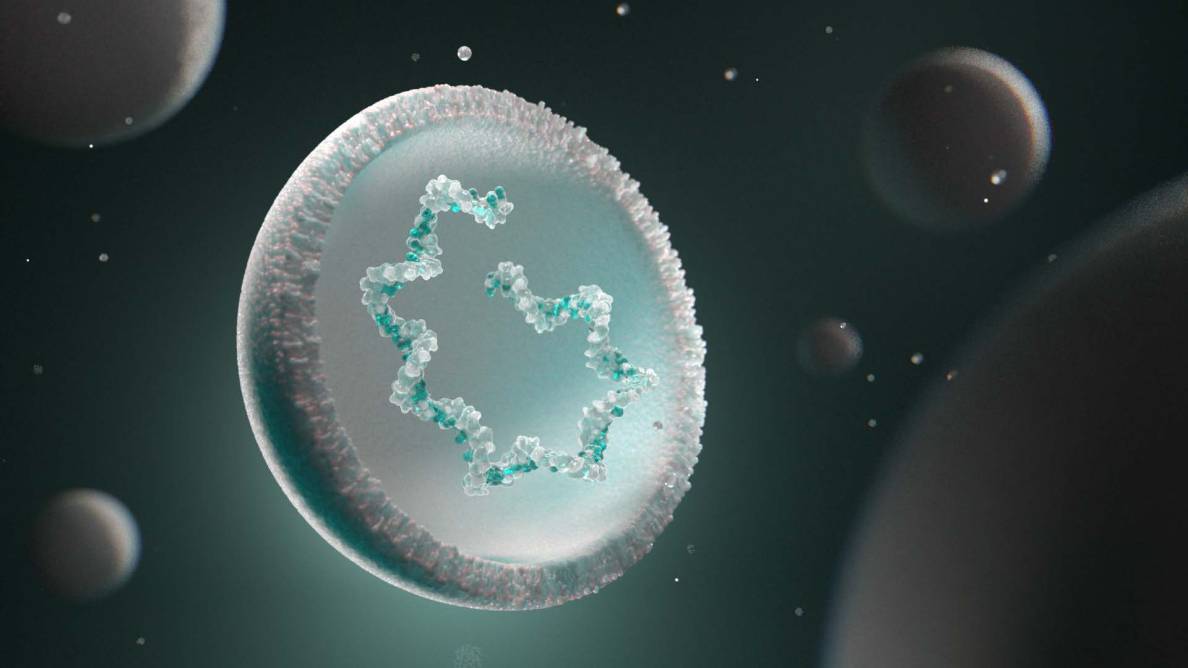
This includes a new area of research into individualized neoantigen therapies, which leverage information from a patient’s tumor biopsy to help develop a therapy tailored to that person’s tumor mutations.
To help improve outcomes for people living with cancer, our scientists, in collaboration with Moderna, are exploring this innovative approach designed to train the immune system to recognize and fight cancer.
What makes each person’s cancer different — and why does it matter?
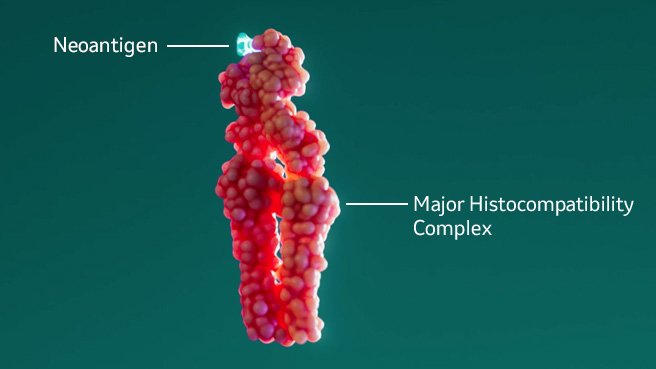
Cancer develops when the body’s own cells undergo mutations that create abnormal proteins in cancer cells, known as neoantigens. These mutations are not found in normal cells and are specific to each person’s tumor. That helps explain why people diagnosed with the same type of cancer — and treated in similar ways — could respond differently.
What if the immune system can be trained to recognize each person’s cancer?
To explore the idea of one medicine for one patient, we’re evaluating individualized neoantigen therapies as a potential way to help train the immune system to identify and destroy cancer cells unique to each individual.
Merck scientists, with colleagues at Moderna, are studying this approach to deepen our understanding of how mutations vary across different cancers — insights that could help advance more personalized approaches to cancer care.
How are individualized neoantigen therapies designed to work?
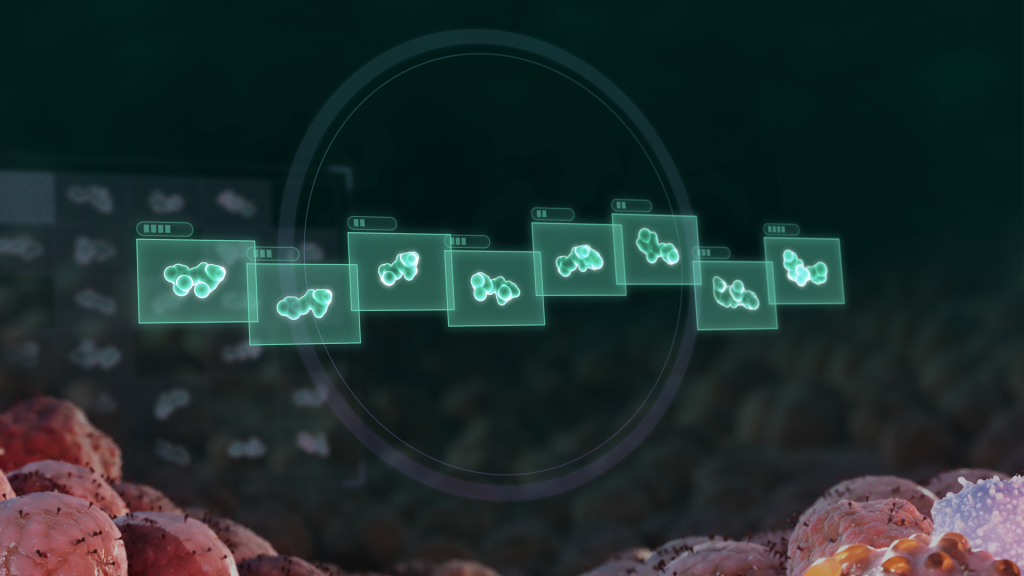
To predict each patient’s mix of neoantigens, or tumor mutations, scientists analyze the genetic code of a person’s tumor cells.
The analysis helps predict which neoantigens are most likely to appear on the surface of cancer cells and which may be the most promising targets for a personalized therapy.
This tailoring could potentially allow an individualized neoantigen therapy to effectively train the immune system to find and kill specific cancer cells.
Because healthy cells don’t have cancer neoantigens on their surface, this approach may also help avoid harming healthy tissue.
“Building on our past learnings from cancer trials involving the immune system, we’re investigating a new approach to individualized cancer care based on each patient’s specific tumor mutations. No two individualized neoantigen therapies will be alike, because no two cancers are the same.”
Dr. Vassiliki Karantza AVP, global clinical development, Merck Research Laboratories
Clinical studies are ongoing to explore the safety and effectiveness of individualized neoantigen therapies when combined with other cancer treatments. There are currently no U.S. FDA-approved individualized neoantigen therapies.
Millions of women around the world are diagnosed with cancer every year. Breast, cervical, ovarian and endometrial cancers accounted for nearly one in five new cancer cases and 1.3 million deaths globally in 2022. Research suggests that some of the deaths from these cancers may be avoided through a combination of effective public health policies, earlier detection and timely medical care.
At Merck, we recognize the importance of working with organizations committed to closing gaps in care for people who need it most. That’s why we’re expanding our partnership with City Cancer Challenge (C/Can) with a five-year, $10 million investment to improve cancer care for women in 15 cities around the world through community-led collaboration.
What is City Cancer Challenge?
C/Can is an international non‑profit organization that brings together public and private partners at the city level to design, plan and implement practical solutions to help address gaps in cancer care. The organization leverages the unique value of cities as enablers in a health system’s response to cancer. C/Can works with municipal leaders, health authorities, clinicians and patient groups in cities across low- and middle-income countries (LMICs), reaching over 764,000 patients with opportunities for improved quality of care.
Supporting the Thriving Cities, Healthy Women initiative
Merck has been a partner of C/Can since the organization’s founding in 2019. Building on this work, we’re investing in its new “Thriving Cities, Healthy Women” initiative to help close gaps in access to cancer screening and care for women in LMICs across Africa, Latin America, Southeast Asia and Eastern Europe.
“Too many women are diagnosed too late, receive care too late or never receive care at all. That’s not inevitable — it’s fixable. Prioritizing women and health does not only benefit women and their families, it can also be a powerful lever for stronger health systems, economic resilience and social progress.”
Isabel Mestres CEO, City Cancer Challenge
By 2030, the partnership aims to:
Reach
>300K
Reach more than 300,000 women with cancer through improved access to care
Train
>2K
Train more than 2,000 health professionals through capacity building and mentorship
Benefit
>11M
Benefit more than 11 million women through influencing policy, replication and scale-up of patient initiatives
“People should be able to access timely cancer care — no matter where they live. By partnering with City Cancer Challenge, we’re working city by city to strengthen local systems so more women can be diagnosed earlier and get the care they need close to home.”
Kalahn Taylor‑Clark, Ph.D., MPH Vice president and head of social impact and sustainability, Merck
How we’re closing the cancer care gap
Women often navigate cancer with unique responsibilities and pressures. Socioeconomic barriers, geography, caregiving demands and other factors can stand in the way of early detection and timely diagnosis. In many settings, women experience delayed referrals, unclear diagnostic pathways and long waits to access care — all of which may lead to worse outcomes.
“By investing in the health of women, we invest in stronger families, resilient communities and more productive societies.”
Jenelle Krishnamoorthy, Ph.D. Senior vice president and head of global policy and public affairs, Merck
Through our partnership with C/Can, participating cities will work toward measurable, sustainable improvements in women’s cancer care to:
Expand access to screening, as early detection may impact outcomes
Reduce the time from suspicion of cancer to confirmed diagnosis or rule-out
Increase the number of women initiating cancer care plans soon after diagnosis
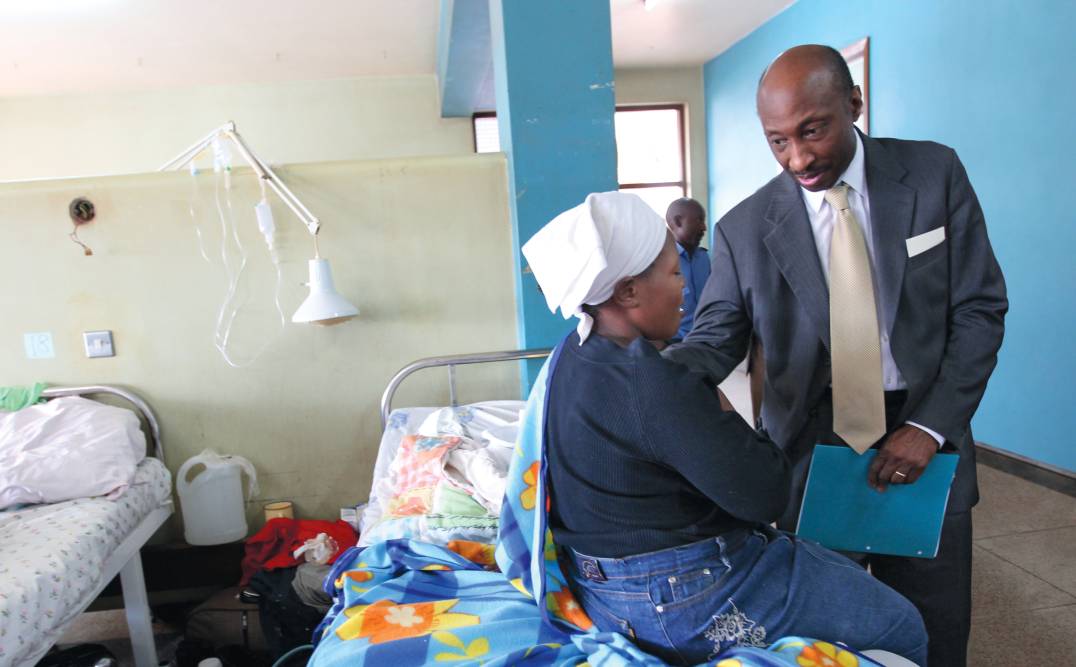
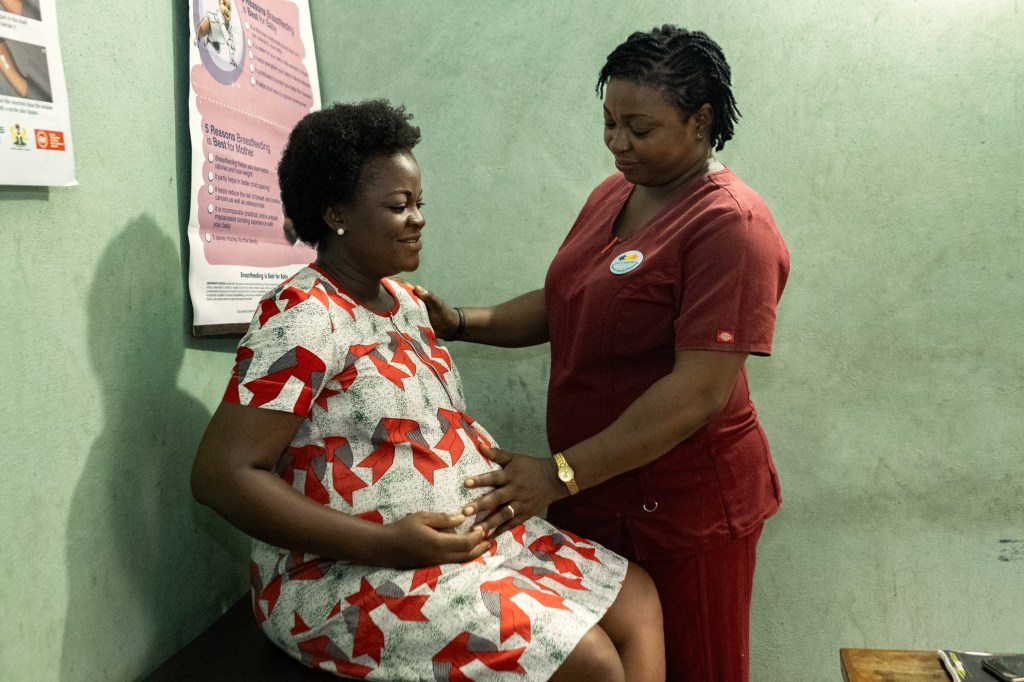
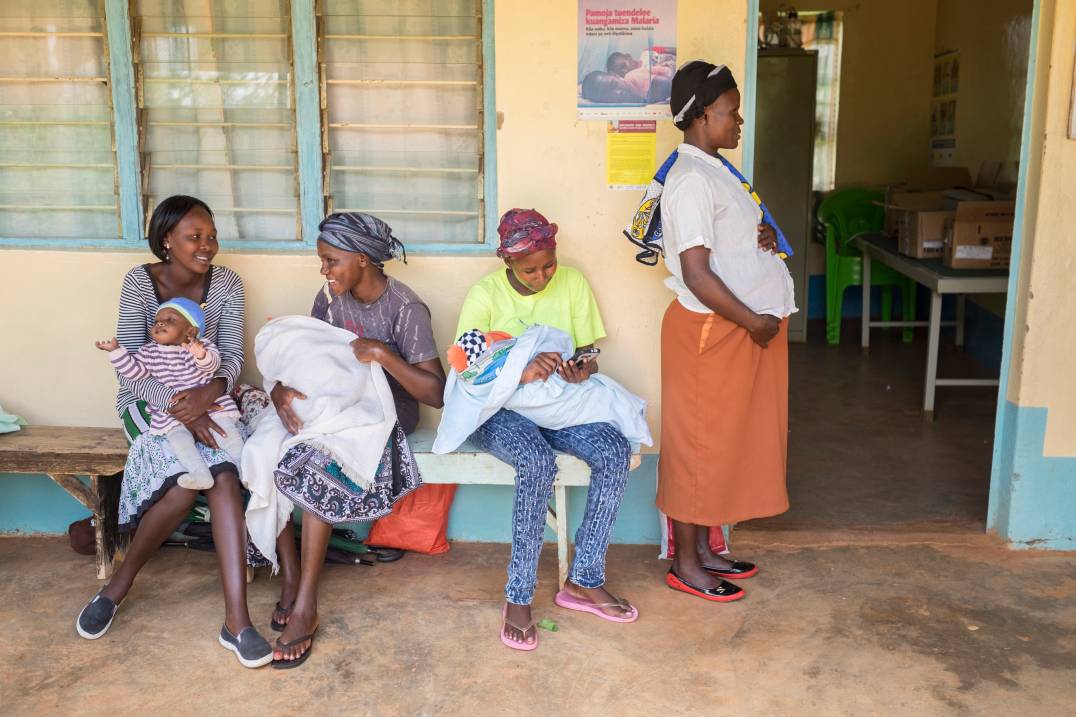
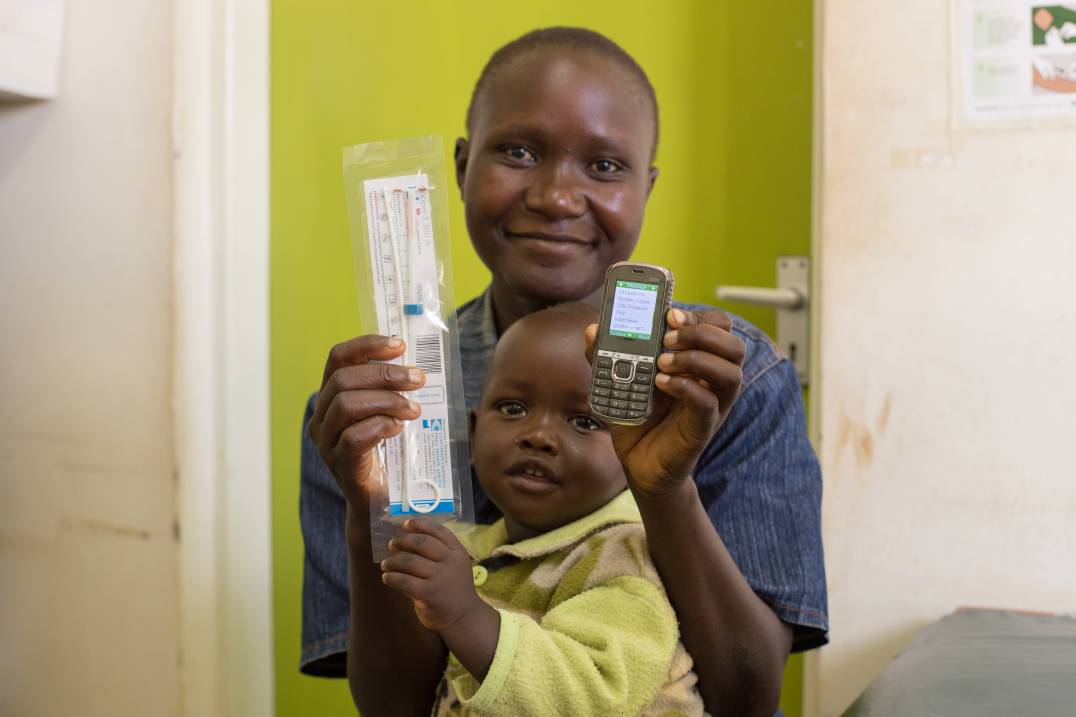
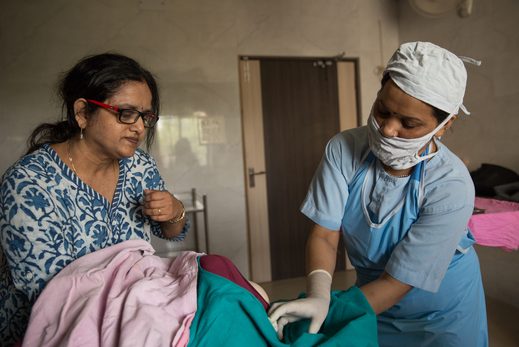
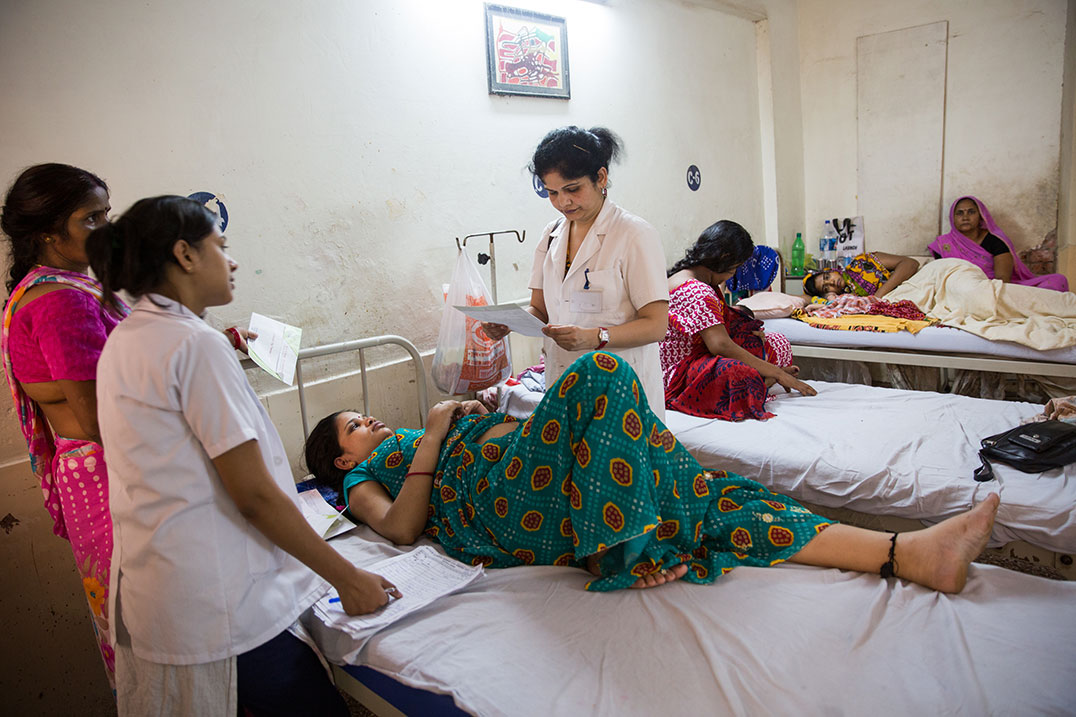
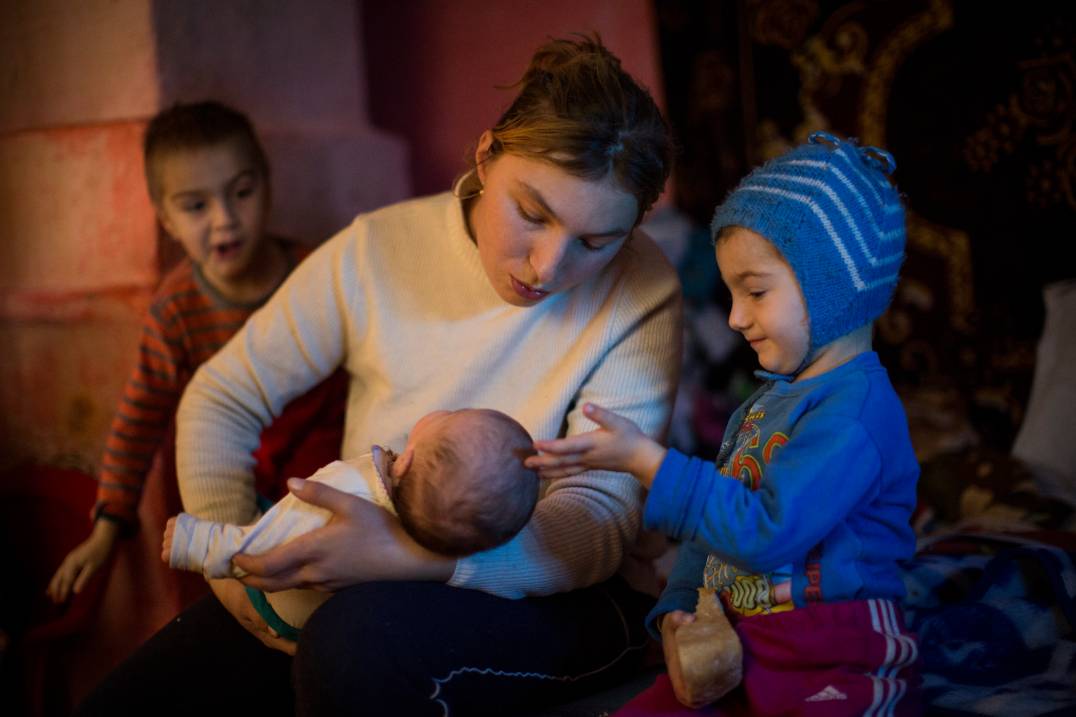
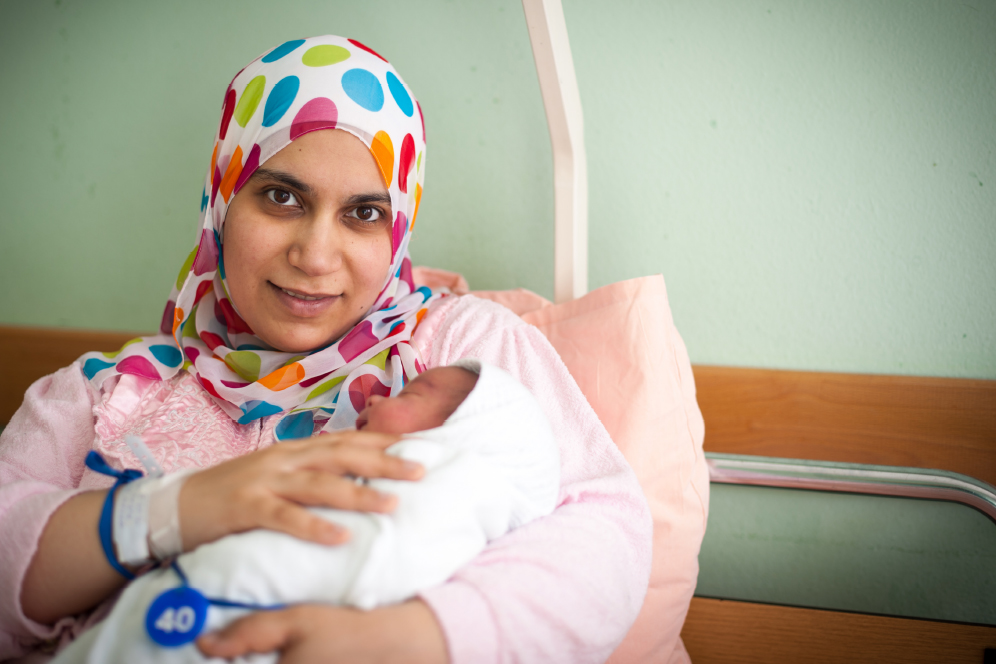
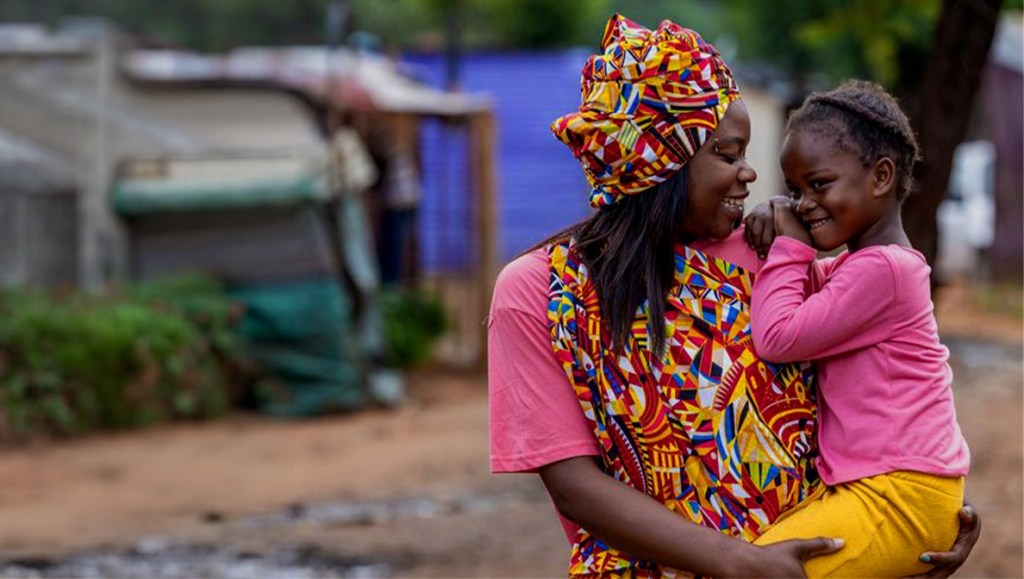
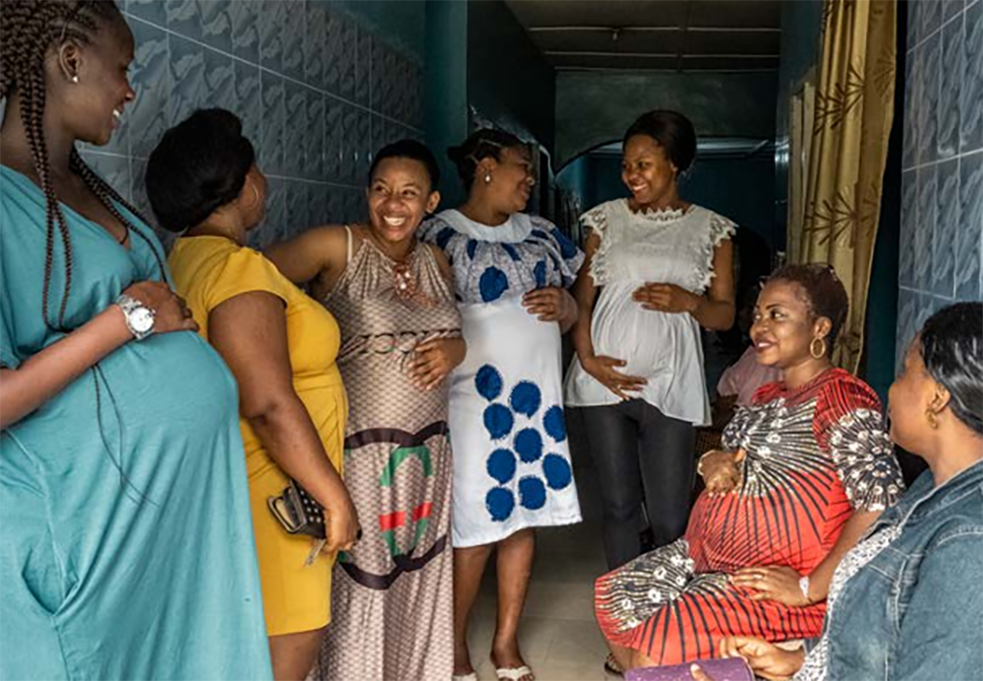
Merck for Mothers: Expanding access to quality maternal care
More than a decade of strategic partnerships, private sector innovation and data-driven impact are helping create a world where no woman has to die while giving life
May 11, 2026
Share this article
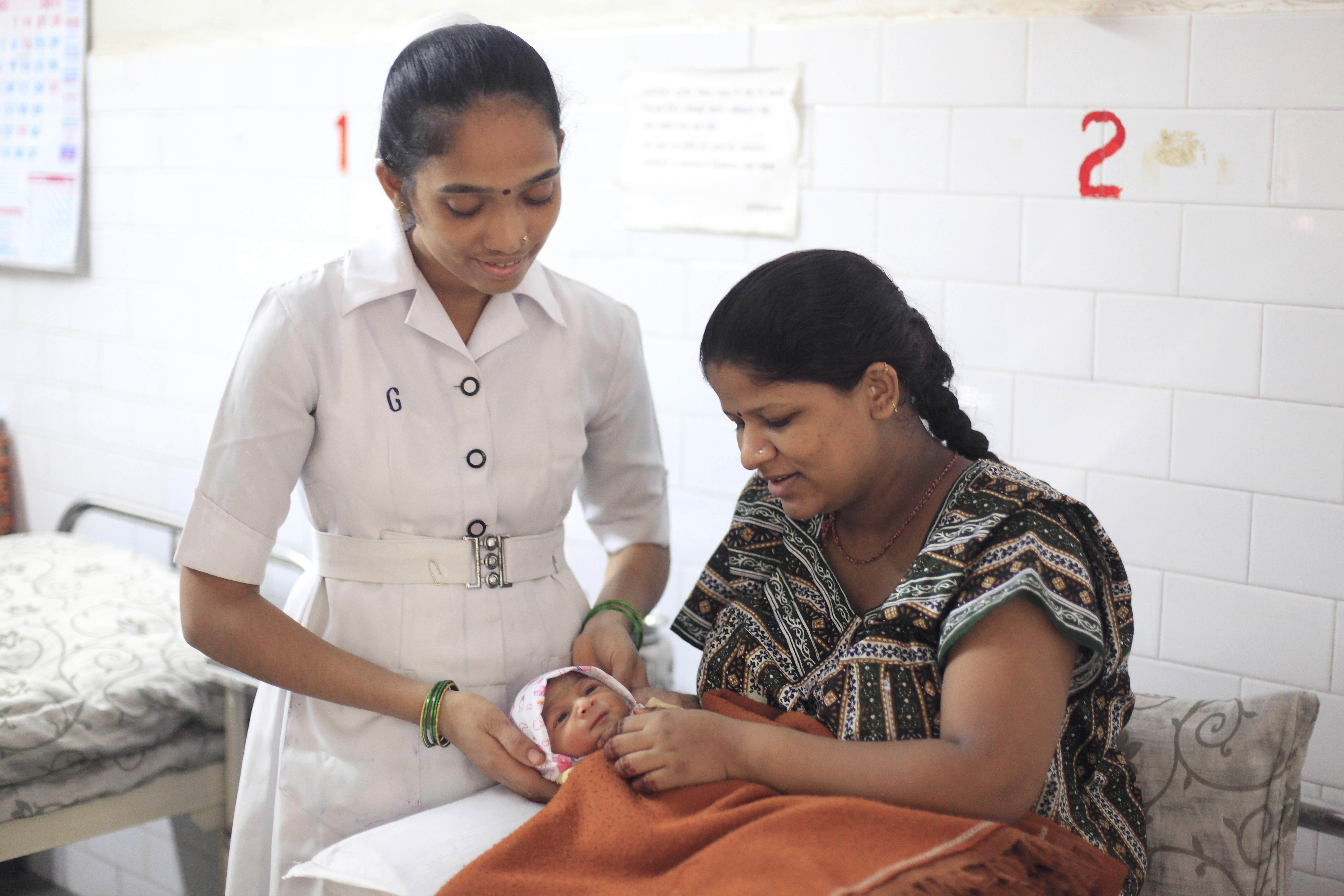
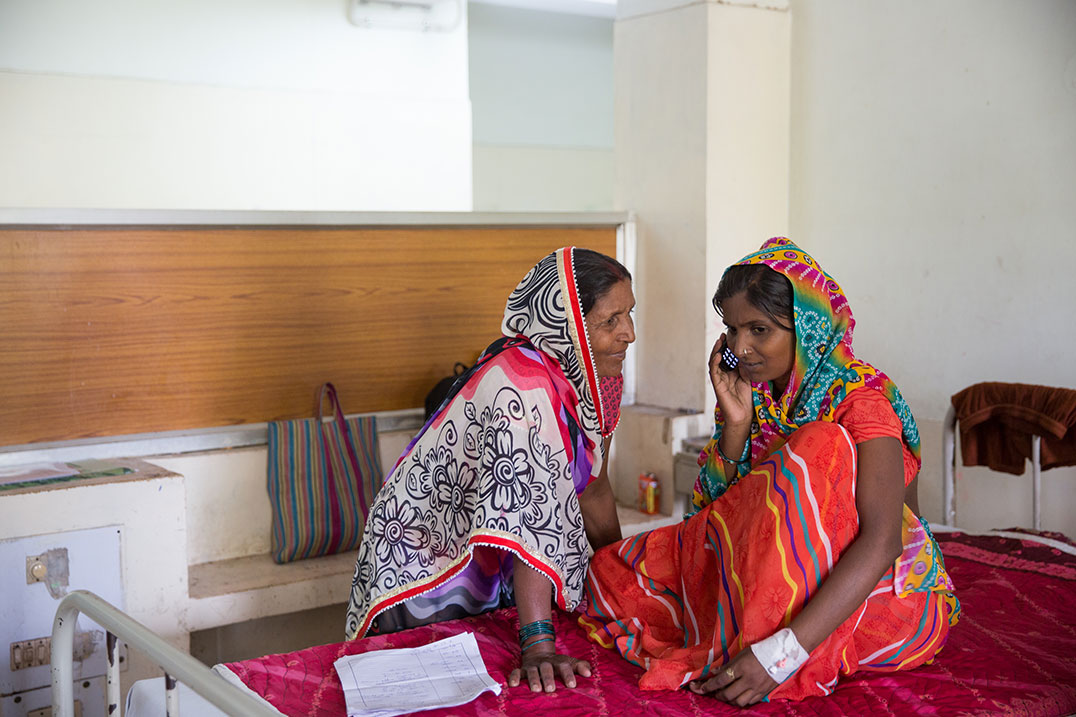
According to the latest available data from 2023 from the World Health Organization, a maternal death occurs almost every two minutes. Nearly 95% of all maternal deaths occur in low- and lower-middle income countries, and most could have been prevented.
If we don’t do more, mothers, daughters and granddaughters will continue to lose their lives. And their loss will impact many.
The birth of Merck for Mothers
In response to this crisis, our company created Merck for Mothers, a global initiative to help create a world where no woman has to die while giving life.
“By helping address one of the oldest and most preventable global health tragedies, we believe Merck for Mothers will have an important impact on society,” said Ken Frazier, Merck’s then-chairman and CEO, as he introduced this program at the United Nations General Assembly (UNGA) in 2011.
Merck for Mothers began its mission by joining the UN and collaborators around the globe to apply its scientific and business expertise to help save women’s lives, aligned with Sustainable Development Goal 3.1 to reduce the global maternal mortality ratio to less than 70 per 100,000 births by 2030. Achieving this goal would save the lives of approximately 1.4 million women between 2016 and 2030.
A sustainable model to make a difference for generations
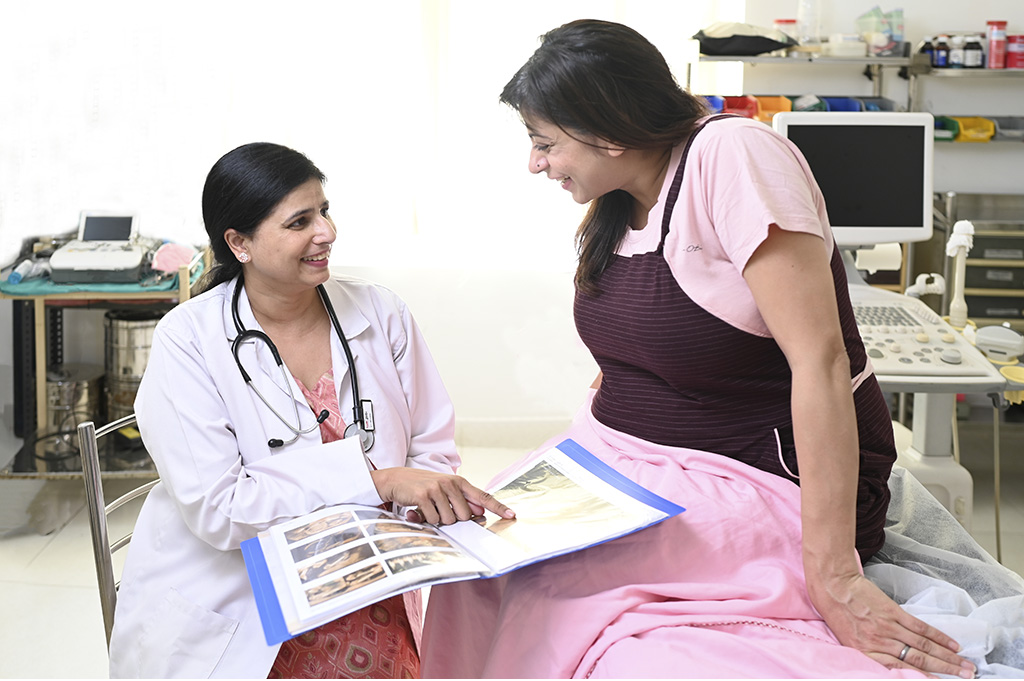
Focused on advancing high-quality maternity care, harnessing innovations for maternal health and catalyzing solutions that respond to local needs, Merck for Mothers aims to make a difference for women, families and their communities now and in the future.
Women around the world die during pregnancy and childbirth for a variety of reasons, including a lack of medical supplies or inadequate health care services to address complications. Other times, it’s due to delays in seeking care or difficulties getting to a medical facility. Sometimes, women can’t afford to pay for health services. And often, women do not have information about the warning signs of potential complications or access to contraceptives to help them make their own decisions about whether or not to become pregnant.
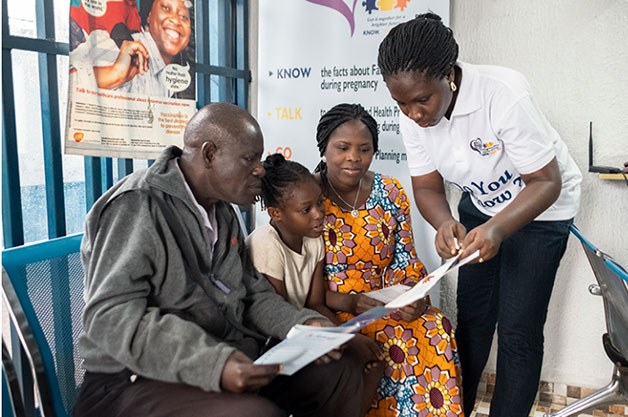
Merck for Mothers takes a holistic approach to addressing the many factors that impact maternal health. It collaborates across sectors — working with governments, nongovernmental organizations, patient groups, professional associations, entrepreneurs, UN agencies, research institutions, businesses and even other pharmaceutical companies. The initiative also supports innovations across digital, finance, products and policy, and strives to leverage the private sector for public good. Engaging local stakeholders in designing, implementing and evaluating solutions plays an important role in creating sustainable improvements.
"We believe investing in maternal health care is a pathway to better health and stronger health systems for all."
Jacquelyn Caglia
Head of Merck for Mothers
“Working closely with our collaborators, we’re taking a holisitic approach to address the factors that impact maternal health, reflecting our company’s commitment to expanding access to health around the world,” said Jacquelyn Caglia, head of Merck for Mothers. “The impact we’ve made reflects our team’s dedication and the incredible efforts of community-based organizations globally. There’s still much to be done, which is why we’re focused on building on our learnings and scaling our impact.”
Making an impact and the ripple effect
Merck for Mothers has supported 295 programs alongside 210 grantees and collaborators across 75 global sites to find, test, scale and sustain solutions to reduce maternal mortality.
167M+
More than 167 million people impacted with access to strengthened health systems
39M+
More than 39 million people reached through programs supporting safe, high quality, respectful care
952K+
More than 952,000 providers with improved training
“Behind every number is a person reached via Merck for Mothers who had a safer pregnancy, a healthier birth or access to care she might not otherwise have received. That’s what drives us,” said Kalahn Taylor-Clark, vice president and head of social impact and sustainability, Merck.
And, research shows that investing in maternal health can have a ripple effect. Better maternal health care is a pathway to a lifetime of benefits, both for a woman’s own health and prosperity as well as that of her children, family, community and nation.
Infants are 15 times more likely to survive
Children are 10 times more likely to finish school
Millions of dollars are contributed by women to the economy
“When we invest in maternal health, the benefits ripple far beyond the delivery room. Women’s health is prioritized, newborns are more likely to survive, children are more likely to stay in school and women make invaluable contributions to their communities and the workforce. Health systems get stronger. Economies grow. We call this the ‘Mom Effect’,” said Taylor-Clark.
And, that’s an important impact on society for generations to come.
Merck for Mothers and PATH collaborate to identify game-changing technologies
Spearheaded by top scientists from Merck for Mothers and the global nonprofit, PATH, this unique alliance evaluated promising technologies that address the two leading causes of maternal mortality — post-partum hemorrhage (PPH) and preeclampsia — as well as family planning. This collaboration surfaced the ideas of focusing on a heat-stable uterotonic (carbetocin) to address excessive bleeding during childbirth and optimizing magnesium sulfate administration for pregnant women with preeclampsia – two initiatives that we continue to fund today.
2012
Merck for Mothers joins new global partnership — Saving Mothers, Giving Life
This public-private partnership focuses on helping mothers during labor, delivery and the first 24 hours following birth, when an estimated two-thirds of maternal deaths and almost half of infant deaths occur. With a pledge of more than $200 million, the partnership began with programs in Uganda and Zambia, where maternal mortality rates are disproportionately high.
2013
Merck for Mothers launches $10 million initiative in India
This initiative to improve access to maternal health services will reach nearly 500,000 pregnant women in Uttar Pradesh, Rajasthan and Jharkhand — all areas with high rates of maternal deaths.
Global health, development and business leaders announce new innovative financing partnership
This partnership leverages private sector funding to speed up delivery and access to life-saving health supplies, such as contraceptives, bed nets, and medicines to those in need. Through Pledge Guarantee for Health (PGH), this new financing mechanism helps increase the impact of each dollar of donor funding and ultimately improve health care access and outcomes for the millions who are helped by foreign aid.
Through the partnership, Merck and other private sector suppliers step up to provide up-front price discounts to aid recipients who utilize PGH to purchase their life-saving health supplies.
Merck for Mothers launches programs in the U.S.
The maternal mortality rate in the U.S. has nearly doubled since 1990. More than 50,000 women a year — one every 10 minutes — nearly die from severe complications they experience during pregnancy or childbirth. With an initial commitment of $6 million, these programs aim to enhance community care initiatives for high-risk women before, during and after childbirth; implement standard approaches to address obstetric emergencies; and strengthen data collection and reviews to better understand why maternal deaths occur and how to improve practices and patient care.
2014
Merck, Ferring Pharmaceuticals and WHO announce collaboration to prevent excessive bleeding in women after childbirth
Merck, Ferring Pharmaceuticals and WHO collaborate to advance a new, proprietary formulation of carbetocin to prevent excessive bleeding in women after childbirth. A primary benefit of carbetocin is its ability to remain stable at room temperature, even in hot and tropical climates, unlike oxytocin, the standard medicine administered for the prevention of PPH. Oxytocin is temperature-sensitive and requires sustained cold distribution and storage, which is difficult to achieve in many of these areas of high maternal mortality.
2015
Merck for Mothers explores digital technologies to mobilize maternal health
Merck for Mothers commits resources to invent or enhance existing solutions to tackle some of the most critical obstacles standing in the way of delivering quality maternity care and contraceptive services in low- and middle-income countries. This commitment leads to a new wave of smart, innovative apps and digital platforms – like the Safe Delivery App, mDoc, Project iDeliver, AskNivi, MomCare, Together for Her Health, among others.
Merck and Merck for Mothers help advance a new set of UN global goals
The Sustainable Development Goals (SDGs) are formally adopted at the 70th UNGA. They represent the international community’s aspirations for improving the lives of the world’s poorest people by 2030.
Merck for Mothers has now reached 5 million women worldwide through its programs
2016
Employees across the globe join the fight to end maternal mortality
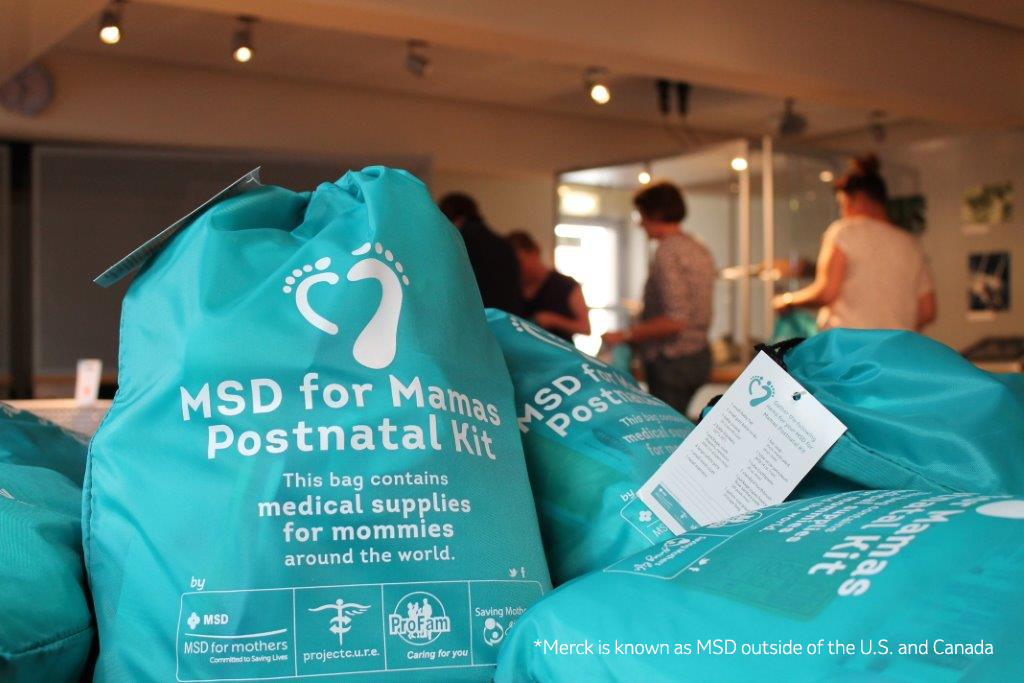
Employee volunteers participate in activities such as assembling post-natal kits for soon-to-be mothers in Uganda as a means of encouraging them to seek care to support healthy pregnancies and deliveries. The kits include essential supplies to aid the health and safety of a mother and newborn after birth. This activity, among others, become annual events where employees can help amplify our impact.
Merck for Mothers’ collaborators complete their first maternity waiting home in Zambia
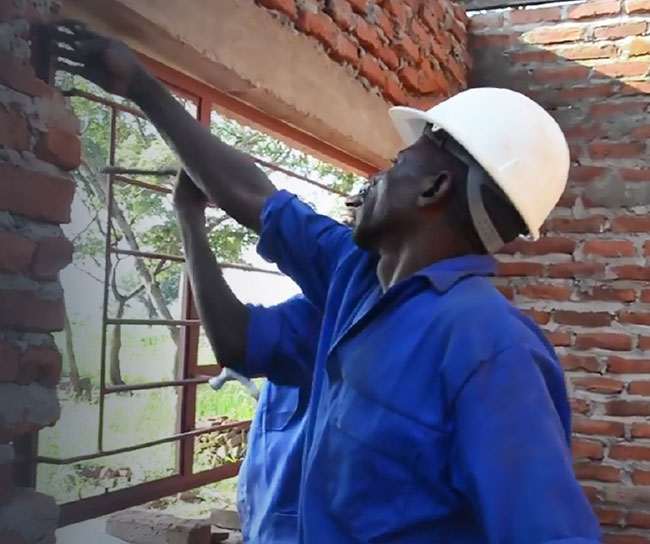
Maternity waiting homes — residences located near health facilities where pregnant women can stay before they go into labor — can make all the difference for pregnant women in rural Zambia, where the distance between home and a health facility can be a matter of life and death.
2017
Merck for Mothers teams up with stakeholders across India to launch Manyata
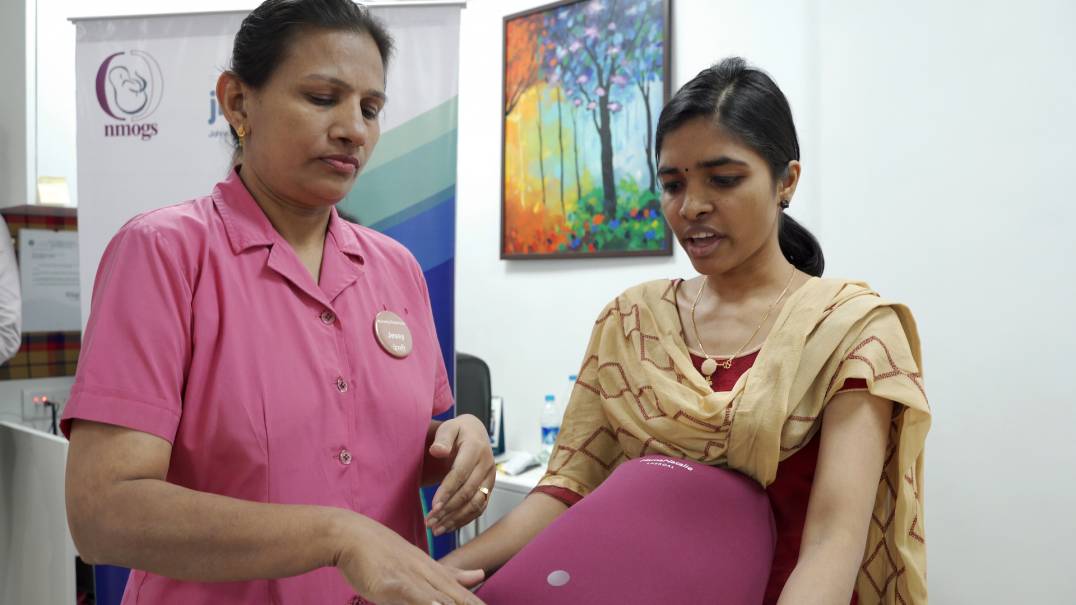
Merck for Mothers, Jhpiego India and the Federation of Obstetric and Gynecological Societies of India partnered to launch Manyata – an ambitious agenda to improve quality of maternity and newborn care services in private facilities by training doctors, nursing and administrative staff on essential clinical, facility and patient care protocols in India.
Merck for Mothers commits $10 million and business expertise to the Global Financing Facility
In support of the UN Secretary-General’s Every Woman Every Child strategy to improve maternal and child health in low- and lower-middle-income countries, the goal is to prevent an estimated 3.8 million maternal deaths, 101 million child deaths and 21 million stillbirths by 2030. Merck is the first private sector investor and helped bring other private sector investors to the table.
Merck for Mothers launches the world’s first maternal and newborn health development bond with public and private sector collaborators
The UtkrishtDevelopment Impact Bond leverages private investor capital to incentivize private maternity providers in Rajasthan, India to improve the quality of care they deliver. Interventions will reach up to 600,000 pregnant women with improved care during delivery and could lead up to 10,000 lives being saved over a five-year period.
2018
Ferring Pharmaceuticals and Merck announce completion of carbetocin clinical trial, the largest clinical trial ever conducted in postpartum hemorrhage
The trial of heat-stable carbetocin showed it to be as safe and effective as oxytocin in preventing postpartum hemorrhage, the largest direct cause of maternal death. The trial included nearly 30,000 women from 10 countries.
“This has the potential to change the paradigm in how we save more mothers from dying during childbirth,” said Dr. Julie L. Gerberding, Merck’s then-chief patient officer.
Merck announces new U.S. initiative — Safer Childbirth Cities
Through this initiative, Merck for Mothers will provide grants to help cities with poor maternal health outcomes develop and implement creative, multi-sector solutions to save women’s lives and improve maternal health.
Merck for Mothers publishes first research compendium to advance collective understanding of maternal mortality
The research compendium, Evidence for Impact, collates actionable and real-time evidence about what works and what doesn’t to expand knowledge that will help encourage greater investment in women’s health. Merck for Mothers publishes a second compendium in 2020.
2019
Merck for Mothers has now reached 10 million women worldwide through its programs
The MOMs (Maternal Outcomes Matters) Initiative launched
A partnership between Merck for Mothers, the U.S. International Development Finance Corporation, Credit Suisse and USAID to stimulate, advance and scale innovations that contribute to a healthy pregnancy and safe childbirth. It will invest $50M in local businesses that are working to improve maternal health in regions of the world where high rates of women are dying from pregnancy and childbirth. (Photo credit: LifeBank)
2020
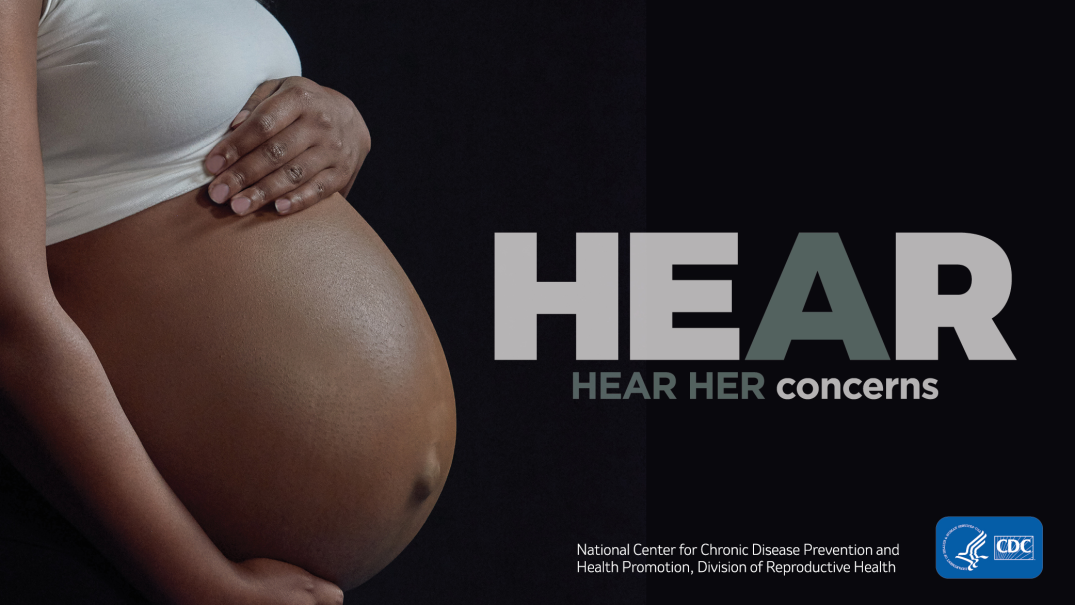
Merck for Mothers provides funding to help support the CDC’s new maternal health communication campaign, Hear Her
Hear Her brings attention to maternal mortality and provides support to pregnant and postpartum women to speak up when something doesn’t feel right.
Merck commits $3M to address maternal health needs during COVID-19 pandemic
2021
Merck announces fifth round of global grants to tackle maternal mortality and access to health worldwide
Merck for Mothers supports the corporate grant program which enables Merck offices around the world to aid nongovernmental organizations that are improving maternal health. The program responds to local women’s needs, focusing on how resources can increase health equity in maternity care and support.
Merck announces additional $150M investment through 2025 to help end maternal mortality inequities, building on the $500M commitment made in 2011
This investment comes at a pivotal time for the global health community as the COVID-19 pandemic continues to stretch health systems, disrupting networks of care that support healthy pregnancies and safe childbirth.
2022
Merck for Mothers launches Strengthening Systems for Safer Childbirth Coalitions
This global initiative is supporting locally driven solutions with coalitions across India, Kenya, Nigeria and Sierra Leone. The coalitions lead activities to improve access to high-quality maternal health care.
Merck for Mothers debuts new report examining how transformational impact can be made in maternal health
The report highlights six social investments whose solutions have demonstrated transformational impact on maternal health in different contexts — each with funding from Merck for Mothers. Learn more about the report.
Merck for Mothers supports organizations in Latin America
With a sixth round of global grants, Merck for Mothers supports organizations in Latin America, where wide disparities in maternal health outcomes persist. Through the grants, we aim to reach 135,000 women throughout Brazil, Colombia, Dominican Republic, Ecuador and Mexico.
Merck for Mothers has reached more than 30 million women around the world
Through programs promoting safe, high-quality, respectful care, Merck for Mothers has now reached more than 30 million women, surpassing its goal of reaching 25 million women by 2025. Learn more
New grants help women in southeastern Europe
Latest round of global grants supports UNICEF through innovative projects designed to meet the unique local needs of women in Bulgaria and Serbia. Learn more
2025
Expanding community-led solutions across the United States
Merck for Mothers published a four-part article series published in Health Affairs — Healthy Mothers, Healthy Futures: Improving Maternal Health in America — spotlighting the systemic challenges and proven solutions driving change across the country.
Five years of the Kenneth C. Frazier Award for Maternal Health Equity
Merck for Mothers marked the occasion by honoring organizations making extraordinary contributions to maternal health equity. Learn more
Improving maternal health across Asia
New report highlights strides that have been made in maternal health across Asia Pacific, China and Japan. Learn more
2026
New grants advance community-led maternal health solutions
As part of our company’s social impact strategy, Merck for Mothers announced a new round of grants supporting community-led maternal health solutions in communities where access to quality care remains most limited. Learn more
New report highlights impact of strengthening systems for safer childbirth
A new report detailed how six community-led coalitions across India, Kenya, Nigeria and Sierra Leone expanded access to quality maternal health services for more than 2.7 million people. Learn more
We believe solutions to end maternal mortality and improve the quality of maternity care should be rooted in women’s voices and experiences
Strategic partnerships, private sector innovation and data-driven impact
Our work continues in order to help create a world where no woman has to die while giving life
Know your risk for bladder cancer — and don’t ignore the signs
Awareness gaps can impact recognition and diagnosis of bladder cancer
May 4, 2026
Share this article
When bladder cancer is found early, before it spreads beyond the bladder, patients have more treatment options. That’s why we’re focused on getting to the heart of what people need to hear. Especially those at risk of bladder cancer.
“Too many patients don’t recognize the warning signs for bladder cancer or feel comfortable talking about them. Breaking that silence is just as important as developing new treatments — because awareness is the first step toward helping to save lives.”
Dr. M. Catherine Pietanza Vice president, global clinical development, Merck Research Laboratories
Bladder cancer risk is not largely based on family genetics
Some people inherit certain genes from their parents that can increase their risk of bladder cancer. But bladder cancer doesn’t often run in families, and inherited genes are not thought to be a major cause of this disease. Most gene changes linked to bladder cancer develop during a person’s life, rather than having been inherited.
Don’t ignore blood in your urine or changes in your urinary habits — talk to your doctor right away
Bladder cancer can often be found early because it can cause symptoms that lead a person to see a healthcare provider. Blood in your urine is usually the first sign, before pain or other symptoms appear. In most cases, blood in the urine doesn’t mean you have bladder cancer, but it’s important to see your doctor to rule out other causes like a bladder or kidney stone, an infection or kidney disease.
Be aware of your risks for bladder cancer
Knowing and avoiding the risk factors that are within your control may help lower your risk of bladder cancer. Among risk factors for bladder cancer, smoking is highest on the list — causing about half of all bladder cancers. Exposure to other chemicals can also raise risk over time, including industrial chemicals used in making rubber, leather, textiles and paint products, as well as in printing companies. People who work as painters, firefighters, hairdressers and truck drivers can similarly be exposed to certain chemicals and fumes that might increase their risk of bladder cancer.
Some risk factors can’t be controlled, but you may be able to help lower your risk of bladder cancer by not smoking, practicing good work safety practices, limiting exposure to toxins (like arsenic), staying well hydrated and eating plenty of fruits and vegetables.
Know your individual risk factors and talk to your doctor to see if you are at high risk for bladder cancer. If you have risk factors that strongly increase your risk of bladder cancer, and you’ve noticed certain changes in your urine, your doctor may recommend tests to look for bladder cancer.
“Our goal is to reach patients sooner — before the disease advances, before options narrow.”
Dr. M. Catherine Pietanza
When bladder cancer is found early, there are more treatment options. In later stages of bladder cancer, removing the bladder may need to be part of the treatment plan.
This is where our focus begins: breaking the silence and encouraging people to talk to their doctor right away if they notice any possible symptoms.
Immunology Q&A: Experts discuss how science is advancing disease research
Merck R&D teams are exploring how emerging therapies and precision medicine are shaping the future of immune-mediated disease research
April 30, 2026
Share this article
With a deep and growing understanding of human biology, there’s been an emergence of innovative medicines and new modalities that aim to change the way researchers approach treatment for immune-mediated inflammatory diseases.
Here at Merck, we’re advancing our growing capabilities in immunology with a talented team of scientists and clinical researchers as we aim to advance patient care. We sat down with two immunology experts from Merck Research Laboratories (MRL) to find out how their teams are fostering innovations that have the potential to help people with autoimmune diseases.
Over the past decade, what scientific developments have most shaped how you and your team discover new targets for immune-mediated diseases?
Dr. Marc Levesque, vice president, immunology discovery and Cambridge site head, MRL: The past decade has been transformative for the field of immunology research. Technologies like oral macrocyclic peptides and CAR-T (chimeric antigen receptor T-cell) therapies have opened new possibilities in research.
Critically, the integration of patient-derived data into early-stage research has allowed us to evaluate disease mechanisms with greater accuracy. Integrating these new tools not only enhances our understanding of immune-mediated diseases but also enables the discovery of novel targets and biomarkers that could lead to more precise treatments.
Which advances have most changed the way we approach immune-mediated diseases — and where do gaps remain?
Dr. Aileen Pangan, vice president and therapeutic area head, immunology clinical research, MRL: Our understanding of disease mechanisms has grown dramatically, leading to the identification of new therapeutic targets. These advances have improved treatment outcomes for many patients. Yet, significant gaps remain, particularly in achieving and maintaining clinical remission for patients.
One of the reasons lies in the fact that treatment of these patients still involves a trial-and-error approach. We’re investing in efforts to bring precision medicine to immunology. If we could identify the right therapy for each patient, we could help manage disease manifestations sooner and potentially improve long-term outcomes.
How are these advances shaping Merck’s R&D strategy?
Levesque: Our goal is to alleviate the burden of immune-mediated diseases by discovering and developing innovative, targeted therapies. Our strategy involves tackling multiple pathways involved in these complex diseases.
For example, promising areas of research include bispecific antibodies which can be used to target more than one disease mechanism at a time and new modalities that enable oral administration.
What roles do artificial intelligence (AI) and data analytics play in the evolution of immunology research?
Levesque: AI and data analytics are accelerating how we identify new drug targets and tailor therapies. These tools allow us to process vast amounts of biological data quickly, revealing patterns and insights that would be difficult to detect otherwise. This can help support the development of precision medicine, with the goal of tailoringto the unique genetic and biological makeup of each patient, while also speeding up the discovery process for new drug targets. AI also facilitates the design of drugs and their testing in pre-clinical studies.
How does the patient experience factor into your approach to clinical research?
Pangan: Understanding the unique patient experience for each autoimmune disorder we work on can help in the development of innovative therapies that more directly address patient needs. Currently, many patients will cycle through multiple treatments before finding an option that works for them, while others experience a delay in initiating advanced therapies.
Our approach to research and development in this space takes into account the challenges and barriers patients experience when trying to achieve their treatment goals, which may differ depending on the autoimmune or immune-mediated inflammatory disease. These considerations inform how we pursue modalities and targets that have the potential to provide more options and support a more personalized care plan. By doing so, we aim to help more patients reach their treatment goals.
In your opinion, as we look five to 10 years ahead, what scientific advancements could fundamentally change how we treat immune-mediated inflammatory diseases?
Levesque: In the coming years, I believe scientific advancements may lead to improvements in durable remission. Personalized medicine based on individual genetic profiles and disease characteristics has the potential to fundamentally change how physicians and care teams approach treatment plans for patients. It also has the potential to shorten the time to symptom resolution by helping to select the most suitable therapy for patients. Overall, our goal is to help address patient challenges and provide more treatment options.
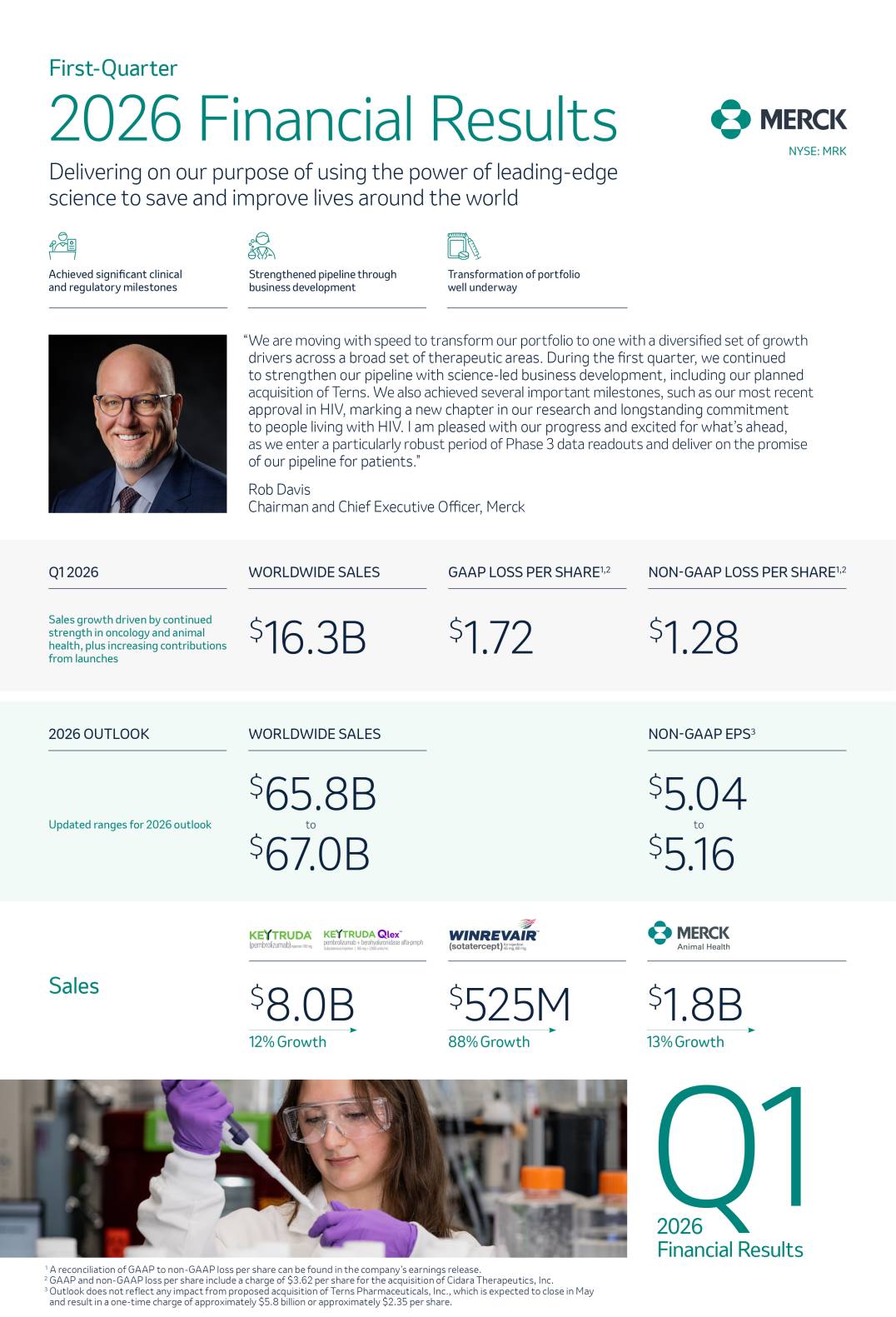
Merck’s (NYSE: MRK) Q1 2026 results reflect continued strength in oncology and animal health, plus increasing contributions from launches. Our company announced Q1 worldwide sales of $16.3 billion.
“We are moving with speed to transform our portfolio to one with a diversified set of growth drivers across a broad set of therapeutic areas,” said Rob Davis, chairman and CEO. “During the first quarter, we continued to strengthen our pipeline with science-led business development, including our planned acquisition of Terns. We also achieved several important milestones, such as our most recent approval in HIV, marking a new chapter in our research and longstanding commitment to people living with HIV. I am pleased with our progress and excited for what’s ahead, as we enter a particularly robust period of Phase 3 data readouts and deliver on the promise of our pipeline for patients.”
Merck anticipates full-year 2026 worldwide sales to be between $65.8 billion and $67.0 billion.
Take a look at the infographic below for more details on Q1 2026 results.
How Merck scientists are driving next-generation cancer research
Our scientists are accelerating research by looking to improve anti-tumor immune response, targeting specific cancer cells and helping inhibit cancer growth
April 20, 2026
Share this article
In recent decades, our improved understanding of cancer has illuminated that we cannot treat all cancers as one disease — scientists have classified hundreds of types and found a myriad of genetic drivers underlying them. This means, just as cancer isn’t one disease, there cannot be just one way to treat all cancers.
“We’ve witnessed dramatic progress in how we treat a wide range of cancers, and our work at Merck has been foundational in how we treat metastatic disease, or cancer that has spread.”
Dr. Jane Healy Vice president and head of oncology early development, Merck Research Laboratories
“This is just the tip of the iceberg. These advancements are helping to fuel the next generation of discoveries and drive progress in the way we care for people with all stages of cancer. We must push research forward that supports early discoveries and novel innovations to advance the future of cancer research,” Healy said.
Driving research toward treating certain cancers earlier
With the ultimate goal of providing patients with the greatest chance for survival, our researchers are building a broad clinical development program focused on treating certain cancers at earlier stages.
“Expanding our research efforts into earlier stages of disease remains a top priority,” said Healy. “We’re pursuing research where we have the greatest potential to make a significant impact in helping reduce the risk of recurrence and improving survival.”
A robust pipeline of diverse approaches to advanced and earlier stages of cancer
In addition to driving research in earlier stages of cancer, Healy and her colleagues are investigating multiple mechanisms and modalities that may have the potential to address cancer in innovative ways. Through our own research and external collaborations, we’ve developed a robust pipeline that encompasses diverse approaches to treating advanced and earlier stages of cancer across more than 20 novel mechanisms, including:
Boosting anti-tumor immune responses: Learnings from recent advancements in cancer care have informed a more focused approach to research. Now, we’re investigating foundational cancer treatments combined with negative immune regulators that play different roles in adjusting the immune response.
We’re also exploring individualized neoantigen therapies, a growing area of research focused on sharpening the immune response against a person’s own tumor by developing a therapy unique to their tumor’s mutation.
Tissue-specific targeting of chemotherapy to increase cancer cell sensitivity to immune responses: While chemotherapy remains an important treatment option, our scientists are exploring how antibody-drug conjugates (ADCs), with novel chemotherapy-like payloads, can be used as a more targeted approach to deliver chemotherapy.
Similarly, we’re pursuing research that enhances the ability of T cells to recognize and attack tumors.
Impacting pathways that can drive cancer growth: We’ve identified opportunities for the direct targeting of cancer cell vulnerabilities and transcription factors that were previously considered untreatable. By designing therapeutic candidates that inhibit or degrade proteins and genes implicated in cancer pathways, we’re evaluating new ways to help address rare and difficult-to-treat cancers that currently have limited treatment options.
"We're committed to investing in novel research where scientific opportunity and medical need converge. "
— Jane Healy
“These key areas of research are the cornerstones of our broad and diverse pipeline, with more than 2,800 trials that will evaluate patients in combination regimens. We remain dedicated to discovering new ways to fight this disease and optimizing existing approaches — all while continuing to lead in supporting the next generation of cancer research,” said Healy.
Forward-Looking Statement of Merck & Co., Inc., Rahway, N.J., USA
This website of Merck & Co., Inc., Rahway, N.J., USA (the “company”) includes “forward-looking statements” within the meaning of the safe harbor provisions of the U.S. Private Securities Litigation Reform Act of 1995. These statements are based upon the current beliefs and expectations of the company’s management and are subject to significant risks and uncertainties. There can be no guarantees with respect to pipeline candidates that the candidates will receive the necessary regulatory approvals or that they will prove to be commercially successful. If underlying assumptions prove inaccurate or risks or uncertainties materialize, actual results may differ materially from those set forth in the forward-looking statements.
Risks and uncertainties include but are not limited to, general industry conditions and competition; general economic factors, including interest rate and currency exchange rate fluctuations; the impact of pharmaceutical industry regulation and health care legislation in the United States and internationally; global trends toward health care cost containment; technological advances, new products and patents attained by competitors; challenges inherent in new product development, including obtaining regulatory approval; the company’s ability to accurately predict future market conditions; manufacturing difficulties or delays; financial instability of international economies and sovereign risk; dependence on the effectiveness of the company’s patents and other protections for innovative products; and the exposure to litigation, including patent litigation, and/or regulatory actions.
The company undertakes no obligation to publicly update any forward-looking statement, whether as a result of new information, future events or otherwise. Additional factors that could cause results to differ materially from those described in the forward-looking statements can be found in the company’s Annual Report on Form 10-K for the year ended December 31, 2025 and the company’s other filings with the Securities and Exchange Commission (SEC) available at the SEC’s Internet site (www.sec.gov).
No Duty to Update
The information contained in this website was current as of the date presented. The company assumes no duty to update the information to reflect subsequent developments. Consequently, the company will not update the information contained in the website and investors should not rely upon the information as current or accurate after the presentation date.