How the Merck Foundation helps families participating in NIH research
Through its support of The Children's Inn, the Merck Foundation helps make lodging, services and meaningful connections possible for families far from home
November 12, 2026
Share this article
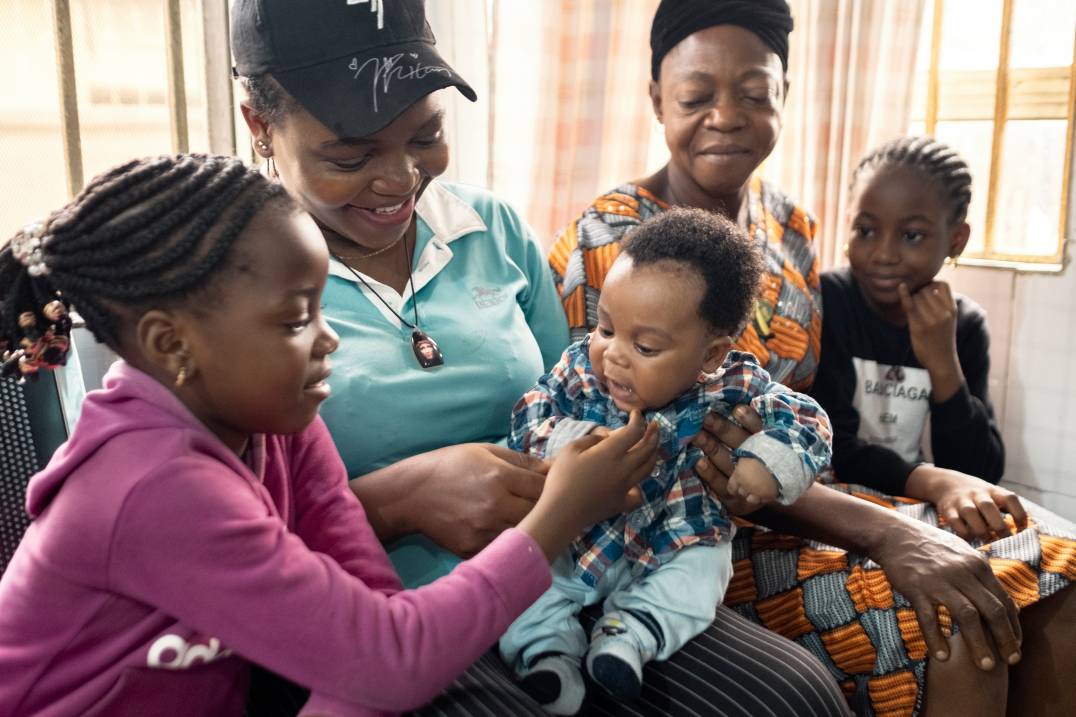
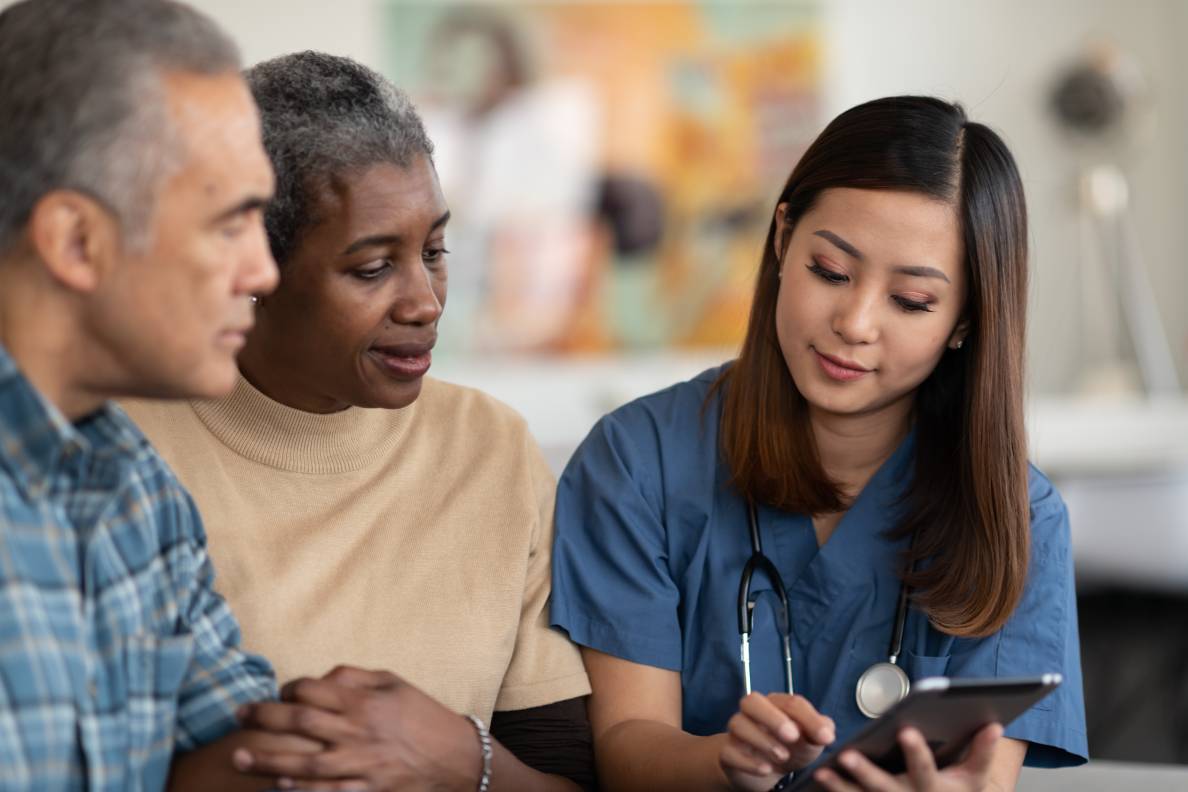
For Tina Mazzurco and her daughter Bella, participating in research at the National Institutes of Health meant traveling more than 300 miles from home and being away from family, friends and familiar surroundings. But when they stayed at The Children’s Inn — a residence located right on the NIH campus in Bethesda, Maryland — they found a community of families facing similar challenges. Tina formed lifelong friendships with other parents, while Bella bonded with other kids living with rare diseases and serious illnesses.
The Children’s Inn provides free lodging, support services and opportunities for connection for children, young adults and families participating in NIH research. The Merck Foundation has supported the Inn since it broke ground more than 35 years ago. The Foundation’s latest social investment supports the Inn of Tomorrow project, which aims to expand capacity to serve more families. For families navigating an already difficult time, the Inn offers a place to find comfort, community and a sense of belonging.
Watch the video above to see what The Children’s Inn can mean for families far from home.
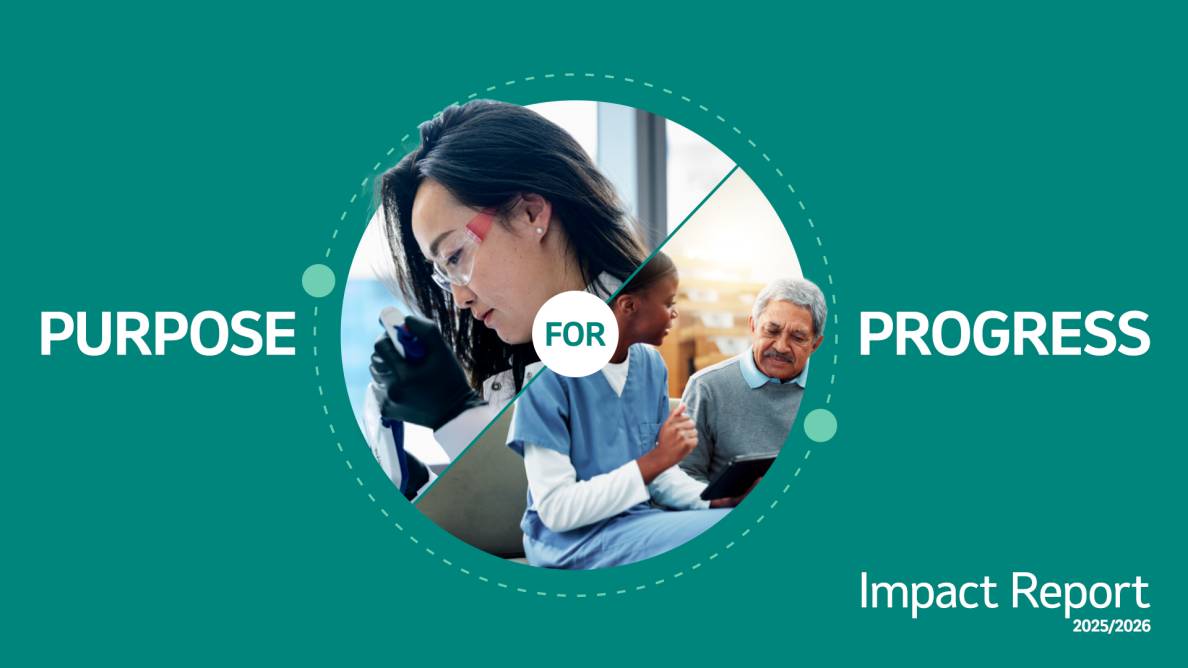
Merck publishes Purpose for Progress Impact Report 2025/2026
We’re building on measurable progress and announcing updated goals for 2030
August 18, 2026
Share this article
Merck’s newly published Purpose for Progress Impact Report 2025/2026 demonstrates how every action we take is driven by a singular purpose: to use the power of leading-edge science to save and improve lives around the world.
We achieved our sustainability goals that were set for completion in 2025, delivering on commitments to advance health access, strengthen employee engagement and inclusion, reduce our environmental footprint and uphold responsible business practices. We’re building on that momentum with an updated set of sustainability targets.
Importantly, we’ve set an access to health goal to reach 100 million people with access solutions that close gaps in care by 2030 — driven by the dedication of our colleagues and partners to help strengthen health systems from prevention and diagnosis to treatment and ongoing care.
This goal reflects our commitment to addressing systemic barriers that delay access to prevention, limit people’s ability to start treatment or disrupt care.
“Our commitment to access to health is rooted in our purpose to help save and improve lives. This new goal reflects our ambition to close gaps in care, so more people can access timely, quality care where it is needed most.”
Rob Davis Chairman and CEO, Merck
Key takeaways from this year’s report
Access to health
Our innovative medicines and vaccines can only make a difference if they reach those who need them. We’re proud to have achieved and exceeded our access to health goals for the 2021-2025 period, with:
More than 445 million people enabled to access our innovative medicines and vaccines globally through access solutions (2021-2025) — surpassing our goal to enable 350 million people by 2025*
Approximately 82 million people reached through our social investments in low- and middle-income countries and in underserved populations in high-income countries — including more than 15 million people in 2025 alone — surpassing our goal of reaching 50 million people by 2025
90% of countries reached around the world with our products in 2025, exceeding our goal of 75%
Future focus: We’re proud of our progress advancing access to health, but we aren’t stopping there. As detailed above and in the Purpose for Progress Impact Report 2025/2026, we’re building on our strong foundation by sharpening our focus on closing gaps in care — the challenges people face in receiving evidence-based, medically recommended care.
Our new goal to reach 100 million people with access solutions that close gaps in care by 2030 builds on our experience and capabilities, and is designed to deliver meaningful, measurable impact for patients and health systems over time. Implementation will be led by functions across our company, working in collaboration with external partners and stakeholders, to drive sustained impact.
Employees
Merck’s inclusive and innovative culture is key to enabling our colleagues to deliver breakthroughs for all who depend on us. In 2025, we achieved our employee engagement and inclusion goals.
In addition, our commitment to investing in the growth, success and well-being of our people is reflected in initiatives such as:
Participation of more than 28,000 employees in our employee business resource groups (as of Dec. 31, 2025), representing more than 35% of our global workforce
Access to mental health support resources available for employees in more than 80 countries
Future focus: Looking ahead, we’ll continue investing in an agile, skills-based team that’s prepared to drive our next wave of scientific innovation. Our new goal reflects a shift to a culture index that provides a more holistic view of the employee experience, reinforcing that a strong culture is an enterprise-wide priority and a foundation for innovation, resilience and long-term value.
Environmental sustainability
We’re committed to reducing our environmental footprint. In 2025, we:
Achieved our goal to source 100% of our purchased electricity from renewable energy by 2025
Achieved our 2025 operational waste goals, sending only 12% of global operational waste to landfills/incineration without energy recovery (against a 20% target) and having 64% of sites send zero waste to landfill (against a 50% target)
Achieved our 2025 water goal by maintaining use at or below 2015 levels
Reduced operational greenhouse gas (GHG) emissions (Scopes 1 & 2) by 31% from a 2019 baseline and reduced Scope 3 GHG emissions by 10% from a 2019 baseline
Future focus: On our path to achieving net-zero GHG emissions across our entire value chain by 2045, we’re actively driving toward our near-term 2030 targets. This includes reducing our Scope 1 and 2 operational emissions by 46% and cutting our Scope 3 value chain emissions by 30%.
Ethics and values
Operating with integrity is the foundation of our company. Our 2025 progress included:
More than 99% of employees completed ethics and integrity training
100% compliance maintained for privacy and data protection
Future focus: Looking ahead, we’ve set new goals to ensure employees feel empowered to report concerns as we aim to maintain the highest standards of trust. For example, we’re working to achieve at least 99% global employee completion of enterprise training to ensure understanding of reporting processes and channels through 2030.
Ultimately, these milestones demonstrate that at Merck, our purpose is backed by measurable performance. As we accelerate progress toward our new goals, we remain committed to delivering long-term value for both our business and society by turning scientific innovation into sustainable global impact.
We’re proud to be recognized for our long-standing commitment to operating responsibly, including being designated by Newsweek/Statista as one of America’s Most Responsible Companies (2025, 2026) and by TIMEas one of the World’s Most Sustainable Companies (2026).
*(a) Enable “more people” is defined as populations supported by initiatives implemented and launched in market and is in comparison to a 2020 baseline as of 2025. “Innovative medicines and vaccines” refers to our company’s on-patent products. (b) The numbers displayed for 2021 – 2025 (inclusive) estimate the number of people we estimate had the option to access medicines and vaccines in that particular year as a result of our sustainable access strategies, solutions, and partnerships (without comparison to a baseline). These solutions included our commitment to Gavi and UNICEF (rather than doses shipped), collaborations to optimize resources in health systems, expanded financial coverage through insurance, and community-based channel partnerships. (c) As described in (b) above, results for the individual year represent the total number of people enabled to access our medicines and vaccines during that year and is calculated separately from the five-year cumulative result. The five-year result is calculated using an evidence-based methodology that identifies and removes from the cumulative total individuals who may have been counted in multiple years and is compared to a 2020 baseline. For example, market-level initiatives that span multiple years are counted only once. As a result, the five-year total is not intended to equal the sum of annual results but is instead intended to estimate the number of unique individuals enabled to access our medicines and vaccines over the full five-year period compared to a 2020 baseline. (d) Evidence for metrics is sourced from publicly available data and proxy sources by market. While proxies differ by market, all methodologies are evaluated and represent our best estimate of people enabled to access innovative medicines and vaccines. People who were enabled to access innovative medicines and vaccines did not necessarily receive such innovative medicines and vaccines.
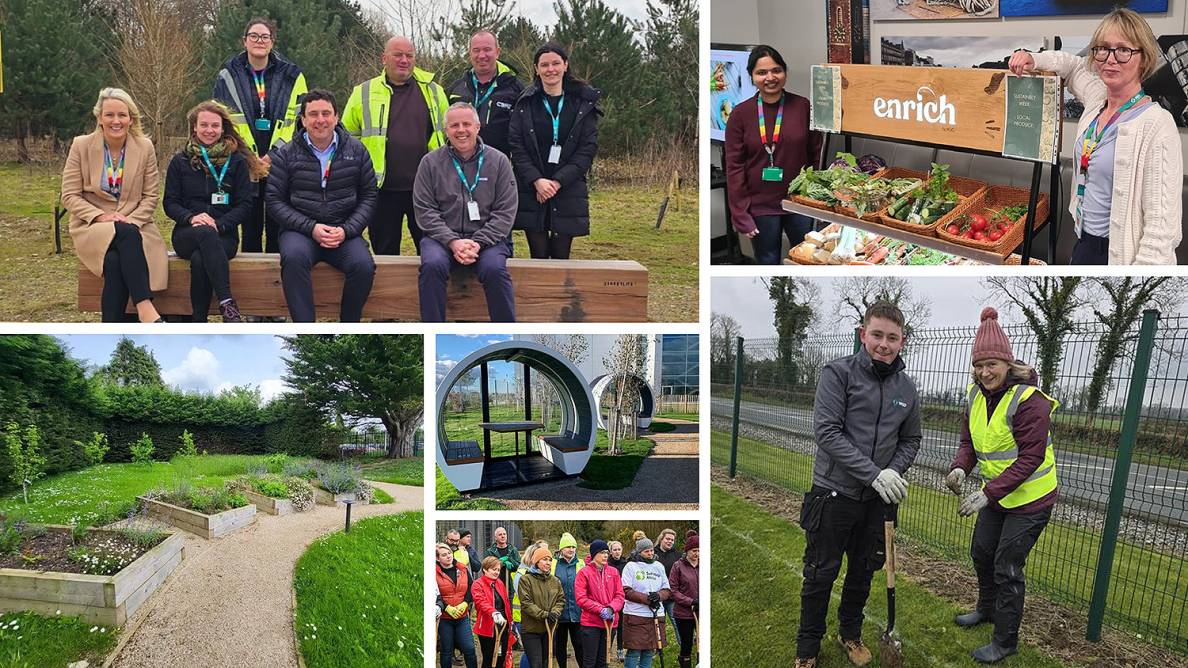
Bringing our global sustainability commitments to life requires local ownership and innovation. Across our company, teams are leading meaningful change where they work and live. For example, in Ireland, we’re taking the Emerald Isle ethos to heart with a call to “See Green, Be Green.”
See Green, Be Green is an employee-led initiative that aims to reduce our company’s environmental impact by embedding a sustainability mindset at every level of our operations.
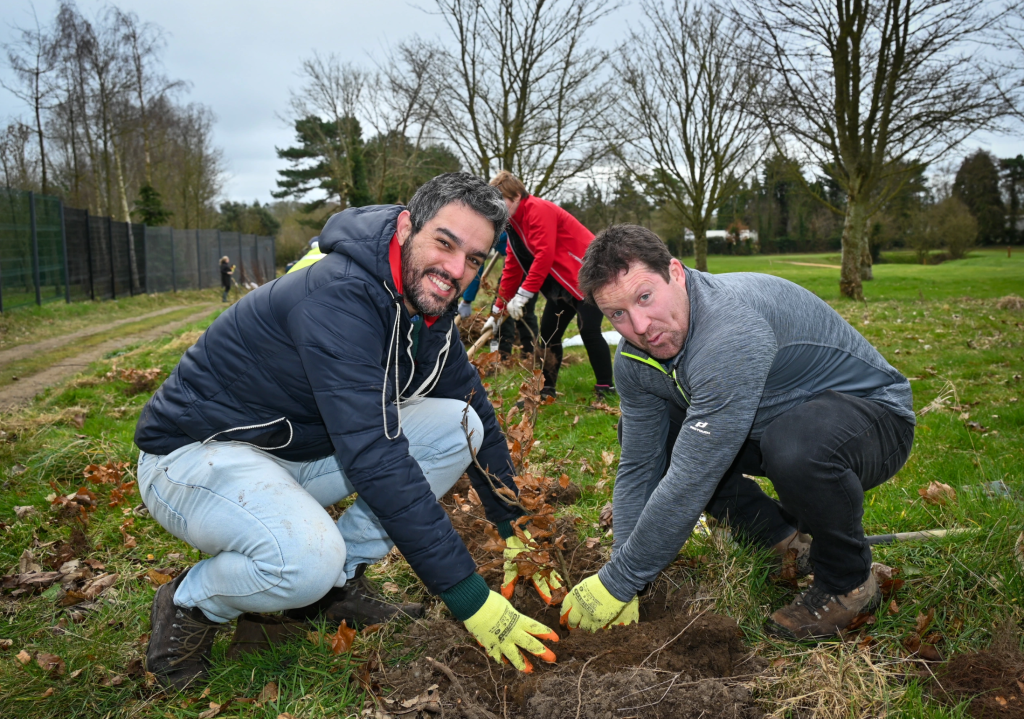
Colleagues from six of our Ireland locations — Ballydine, Brinny, Carlow, Biotech Dublin, Dunboyne, and Red Oak North — form a core team that guides local sustainability projects built around four focus areas — carbon transition, waste and water management, biodiversity and culture.
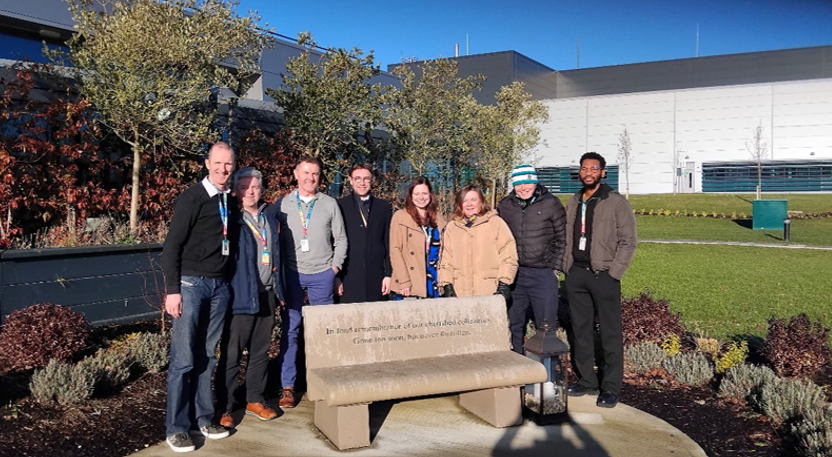
Members of the See Green, Be Green core team in Carlow
Carbon transition
Reducing carbon emissions is critical to our company’s goal of achieving net-zero by 2045. All six of our Ireland locations involved in the See Green, Be Green program have been certified in ISO 50001, an internationally recognized standard for managing energy.
Other initiatives include installing solar panels, using electric company vehicles and transitioning from gas to electric boilers.
In Ballydine, the use of one electric boiler system is supporting an anticipated 50% reduction in Scope 1 emissions — representing a promising step on our net-zero journey, with learnings that will further inform our sustainability efforts at sites around the world.
Waste and water management
The Ireland sites send zero waste to landfills and are working on improving other means of disposal, such as recycling rather than incinerating when possible, and donating items to organizations in need.
Water management efforts include harvesting rainwater and replacing single-use water bottles and coffee cups with reusable options.
Biodiversity
All six locations involved in the See Green, Be Green program have been accredited with All-Ireland Pollinator Plan Business certifications. Initiatives include planting pollinator-friendly and native species of plants, trees and bulbs, installing bug hotels and limiting mowing to aid clover growth.
Culture
Arguably the most important part of the See Green, Be Green program is creating a culture in which everyone is empowered to act. From educational campaigns and outreach events to grow-your-own food and energy-reduction challenges, colleagues are encouraged to embrace sustainability at work, at home and in their communities.
Since the program’s launch in 2021, participating sites have been recognized locally for their leadership and innovation in environmental sustainability.
“As individuals, you can definitely make a difference,” said James Maher, engineering specialist and See Green, Be Green lead in Carlow. “But when you come together as a group, the change can be massive.”
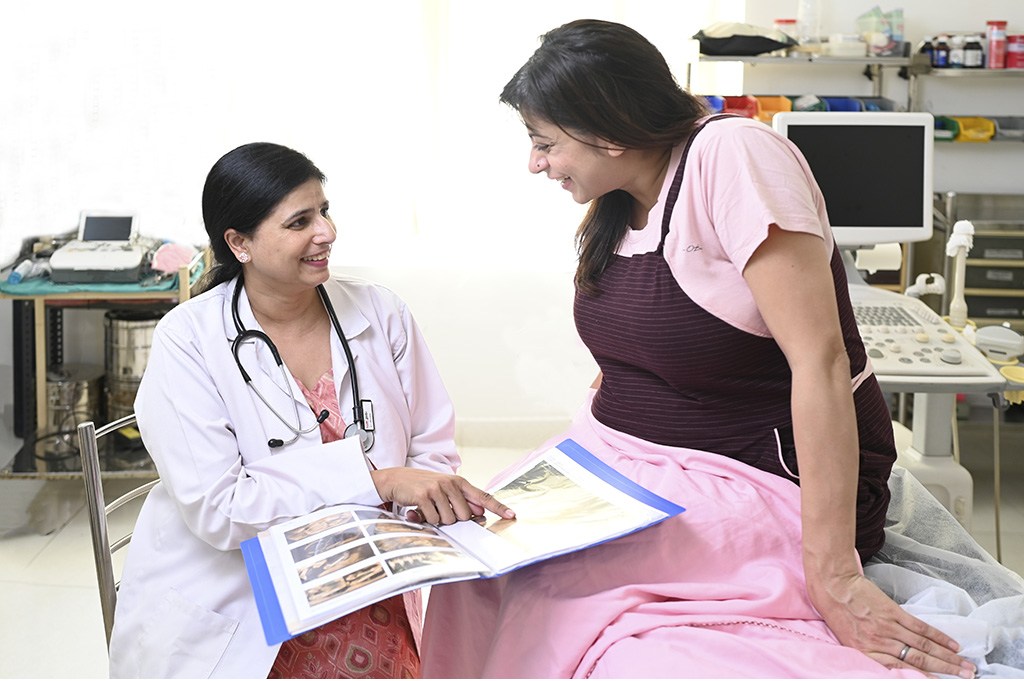
Millions of women around the world are diagnosed with cancer every year. Breast, cervical, ovarian and endometrial cancers accounted for nearly one in five new cancer cases and 1.3 million deaths globally in 2022. Research suggests that some of the deaths from these cancers may be avoided through a combination of effective public health policies, earlier detection and timely medical care.
At Merck, we recognize the importance of working with organizations committed to closing gaps in care for people who need it most. That’s why we’re expanding our partnership with City Cancer Challenge (C/Can) with a five-year, $10 million investment to improve cancer care for women in 15 cities around the world through community-led collaboration.
What is City Cancer Challenge?
C/Can is an international non‑profit organization that brings together public and private partners at the city level to design, plan and implement practical solutions to help address gaps in cancer care. The organization leverages the unique value of cities as enablers in a health system’s response to cancer. C/Can works with municipal leaders, health authorities, clinicians and patient groups in cities across low- and middle-income countries (LMICs), reaching over 764,000 patients with opportunities for improved quality of care.
Supporting the Thriving Cities, Healthy Women initiative
Merck has been a partner of C/Can since the organization’s founding in 2019. Building on this work, we’re investing in its new “Thriving Cities, Healthy Women” initiative to help close gaps in access to cancer screening and care for women in LMICs across Africa, Latin America, Southeast Asia and Eastern Europe.
“Too many women are diagnosed too late, receive care too late or never receive care at all. That’s not inevitable — it’s fixable. Prioritizing women and health does not only benefit women and their families, it can also be a powerful lever for stronger health systems, economic resilience and social progress.”
Isabel Mestres CEO, City Cancer Challenge
By 2030, the partnership aims to:
Reach
>300K
Reach more than 300,000 women with cancer through improved access to care
Train
>2K
Train more than 2,000 health professionals through capacity building and mentorship
Benefit
>11M
Benefit more than 11 million women through influencing policy, replication and scale-up of patient initiatives
“People should be able to access timely cancer care — no matter where they live. By partnering with City Cancer Challenge, we’re working city by city to strengthen local systems so more women can be diagnosed earlier and get the care they need close to home.”
Kalahn Taylor‑Clark, Ph.D., MPH Vice president and head of social impact and sustainability, Merck
How we’re closing the cancer care gap
Women often navigate cancer with unique responsibilities and pressures. Socioeconomic barriers, geography, caregiving demands and other factors can stand in the way of early detection and timely diagnosis. In many settings, women experience delayed referrals, unclear diagnostic pathways and long waits to access care — all of which may lead to worse outcomes.
“By investing in the health of women, we invest in stronger families, resilient communities and more productive societies.”
Jenelle Krishnamoorthy, Ph.D. Senior vice president and head of global policy and public affairs, Merck
Through our partnership with C/Can, participating cities will work toward measurable, sustainable improvements in women’s cancer care to:
Expand access to screening, as early detection may impact outcomes
Reduce the time from suspicion of cancer to confirmed diagnosis or rule-out
Increase the number of women initiating cancer care plans soon after diagnosis
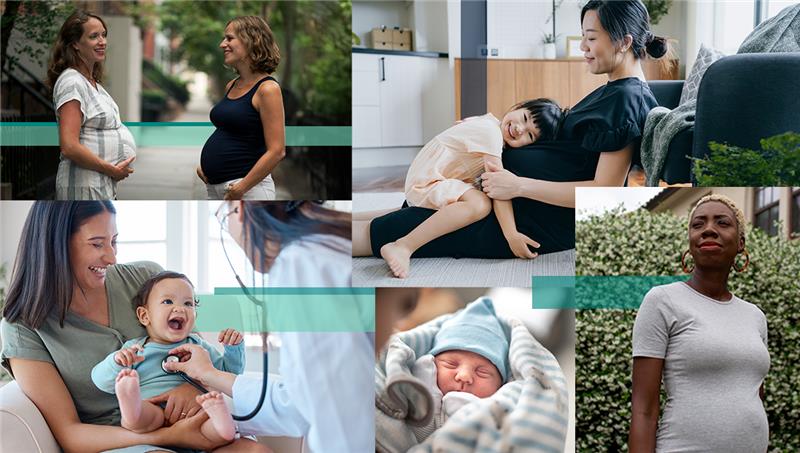
Merck for Mothers: Expanding access to quality maternal care
More than a decade of strategic partnerships, private sector innovation and data-driven impact are helping create a world where no woman has to die while giving life
May 11, 2026
Share this article
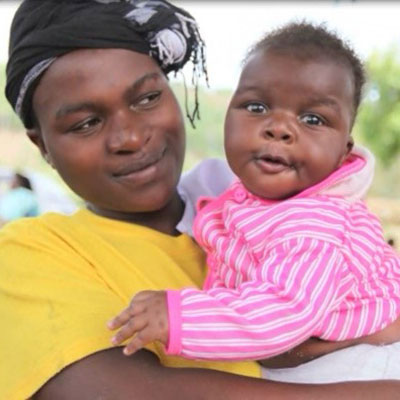
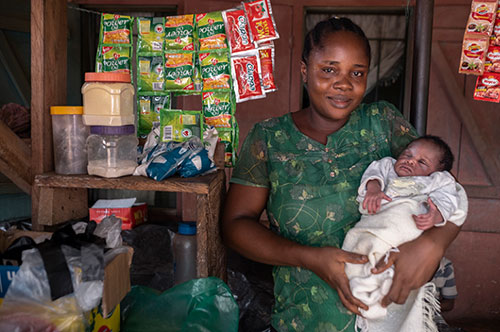
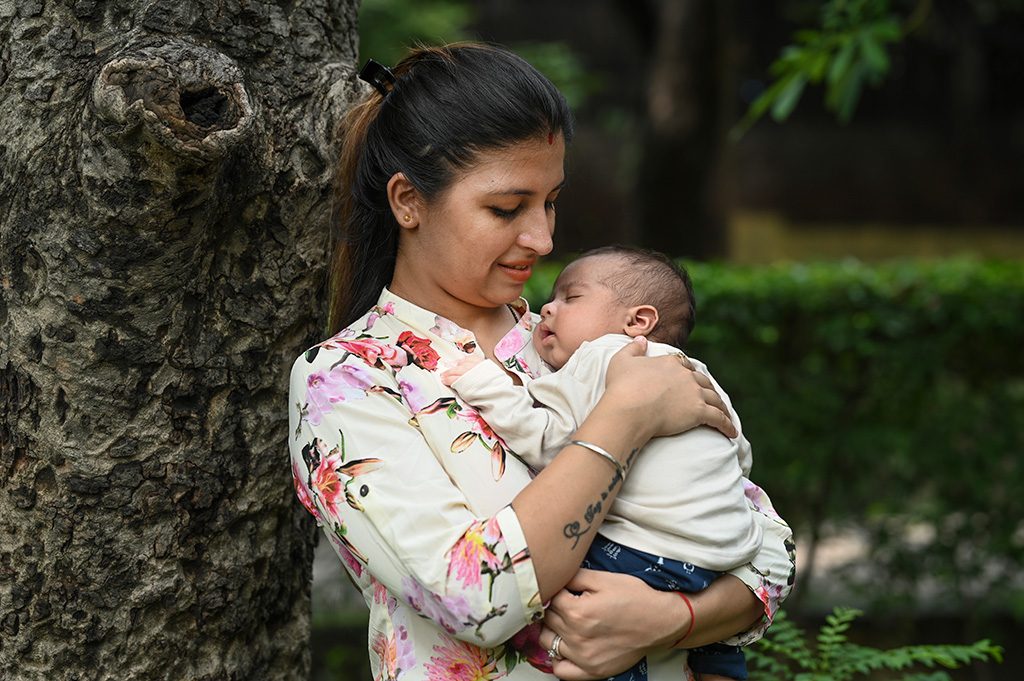
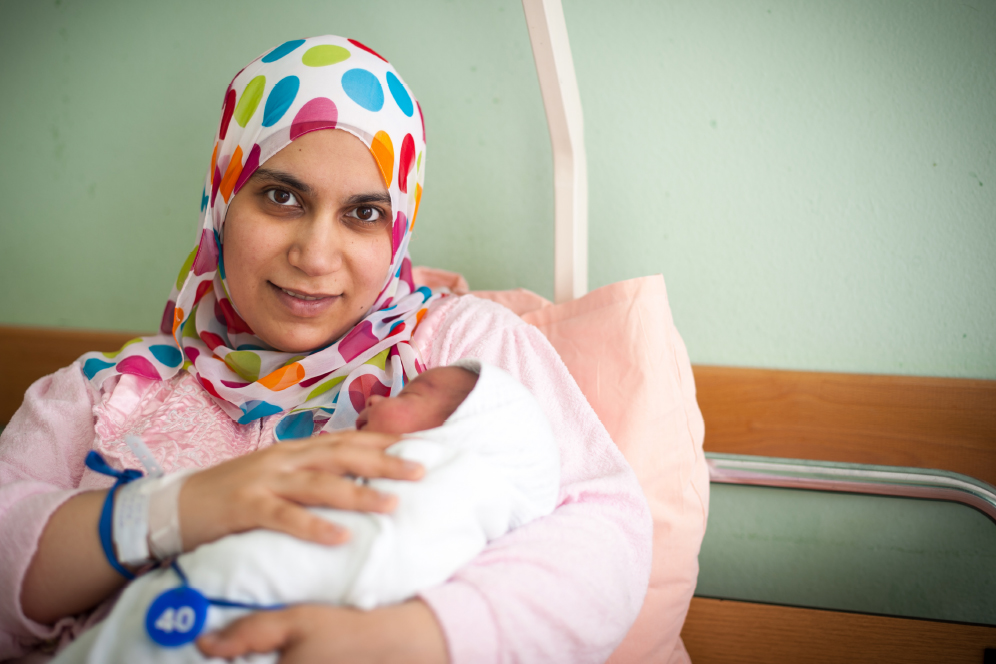
According to the latest available data from 2023 from the World Health Organization, a maternal death occurs almost every two minutes. Nearly 95% of all maternal deaths occur in low- and lower-middle income countries, and most could have been prevented.
If we don’t do more, mothers, daughters and granddaughters will continue to lose their lives. And their loss will impact many.
The birth of Merck for Mothers
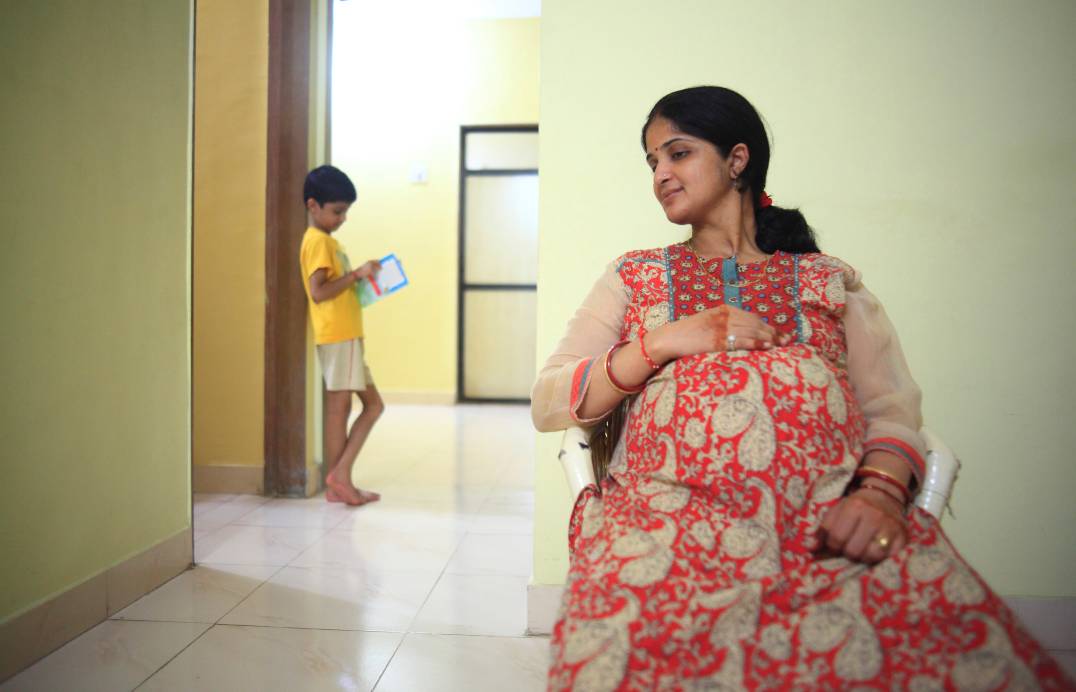
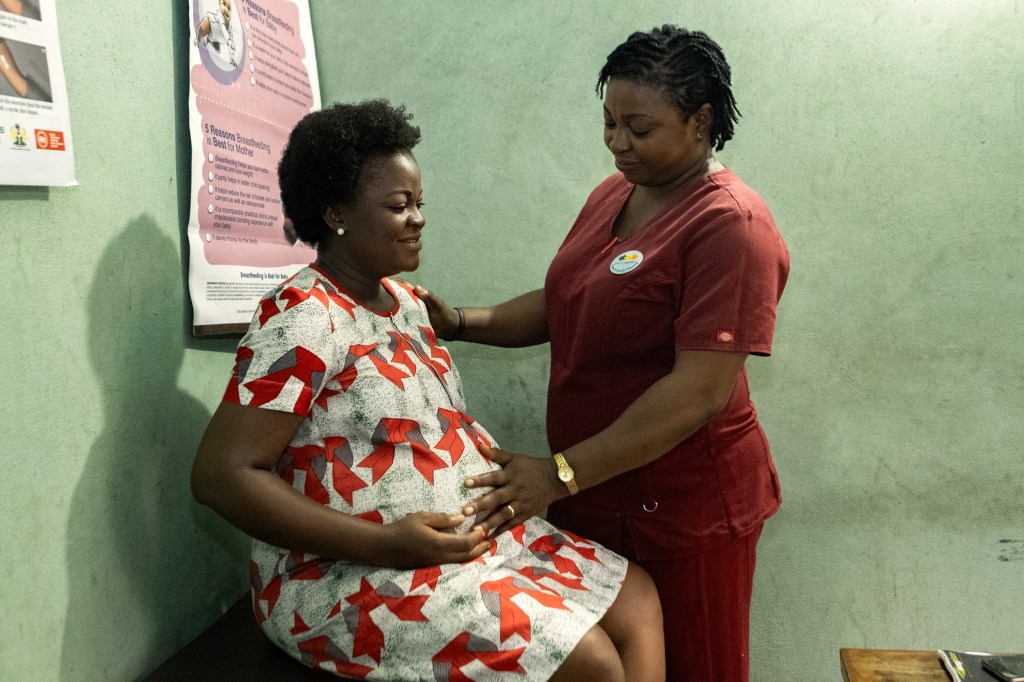
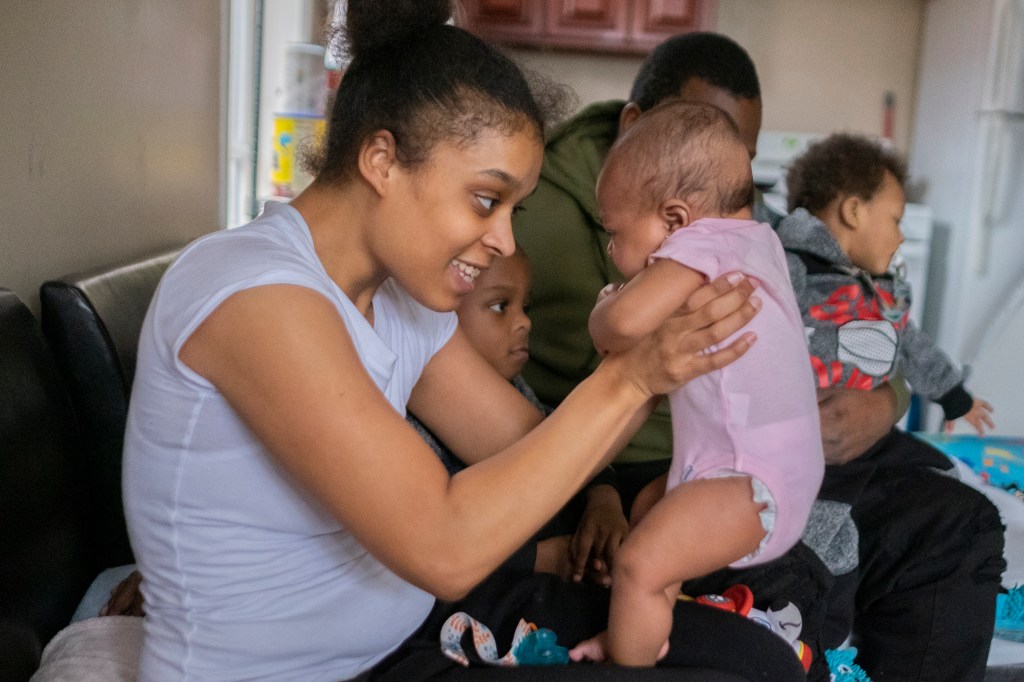
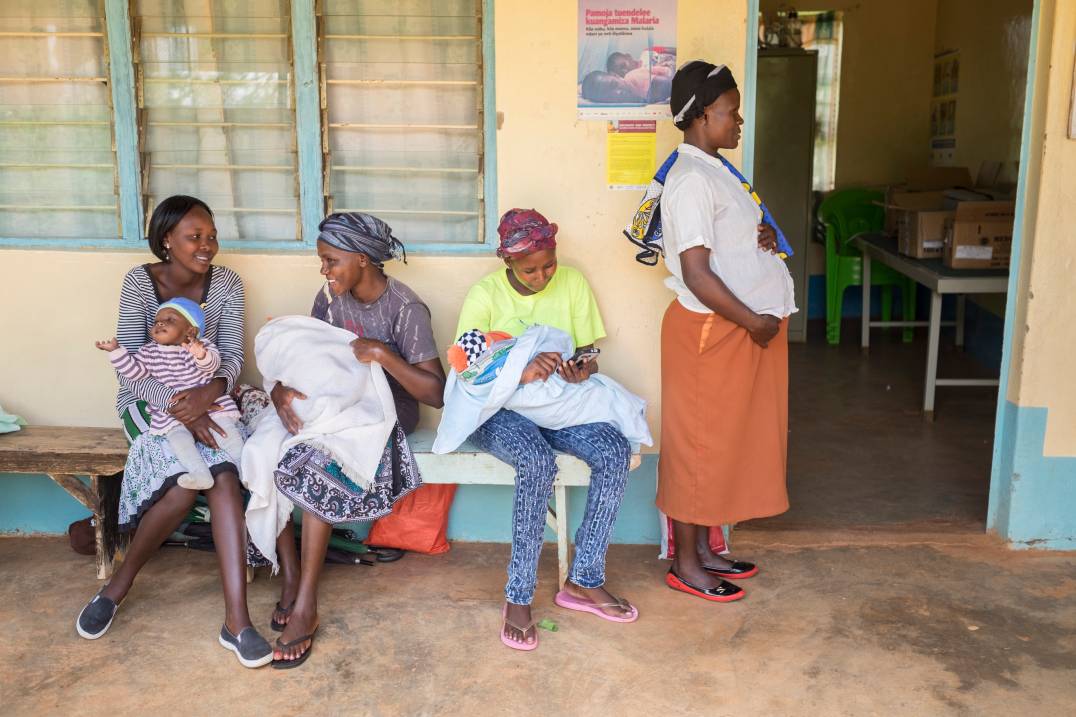
In response to this crisis, our company created Merck for Mothers, a global initiative to help create a world where no woman has to die while giving life.
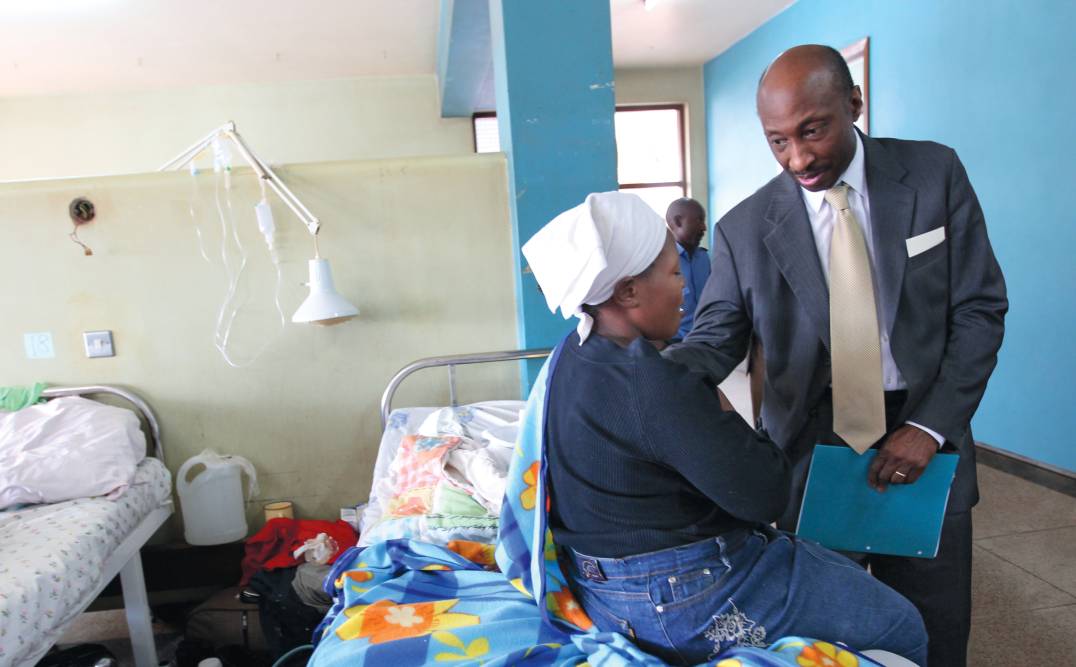
“By helping address one of the oldest and most preventable global health tragedies, we believe Merck for Mothers will have an important impact on society,” said Ken Frazier, Merck’s then-chairman and CEO, as he introduced this program at the United Nations General Assembly (UNGA) in 2011.
Merck for Mothers began its mission by joining the UN and collaborators around the globe to apply its scientific and business expertise to help save women’s lives, aligned with Sustainable Development Goal 3.1 to reduce the global maternal mortality ratio to less than 70 per 100,000 births by 2030. Achieving this goal would save the lives of approximately 1.4 million women between 2016 and 2030.
A sustainable model to make a difference for generations
Focused on advancing high-quality maternity care, harnessing innovations for maternal health and catalyzing solutions that respond to local needs, Merck for Mothers aims to make a difference for women, families and their communities now and in the future.
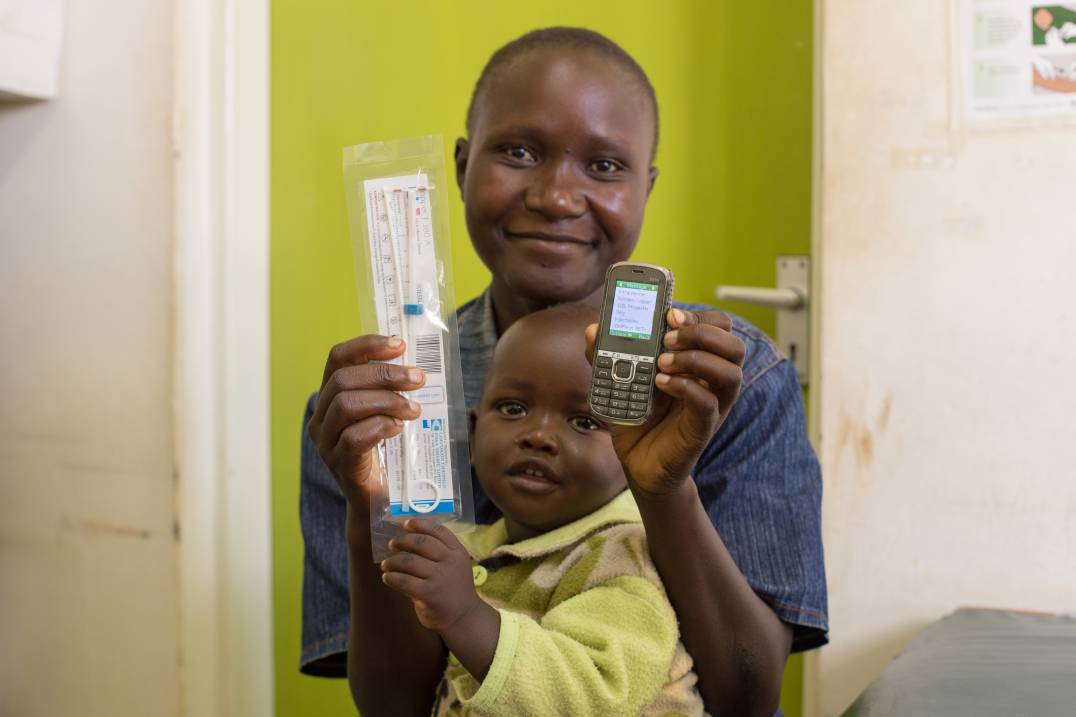
Women around the world die during pregnancy and childbirth for a variety of reasons, including a lack of medical supplies or inadequate healthcare services to address complications. Other times, it’s due to delays in seeking care or difficulties getting to a medical facility. Sometimes, women can’t afford to pay for health services. And often, women do not have information about the warning signs of potential complications or access to contraceptives to help them make their own decisions about whether or not to become pregnant.
Merck for Mothers takes a holistic approach to addressing the many factors that impact maternal health. It collaborates across sectors — working with governments, nongovernmental organizations, patient groups, professional associations, entrepreneurs, UN agencies, research institutions, businesses and even other pharmaceutical companies. The initiative also supports innovations across digital, finance, products and policy, and strives to leverage the private sector for public good. Engaging local stakeholders in designing, implementing and evaluating solutions plays an important role in creating sustainable improvements.
"We believe investing in maternal healthcare is a pathway to better health and stronger health systems for all."
Jacquelyn Caglia
Head of Merck for Mothers
“Working closely with our collaborators, we’re taking a holisitic approach to address the factors that impact maternal health, reflecting our company’s commitment to expanding access to health around the world,” said Jacquelyn Caglia, head of Merck for Mothers. “The impact we’ve made reflects our team’s dedication and the incredible efforts of community-based organizations globally. There’s still much to be done, which is why we’re focused on building on our learnings and scaling our impact.”
Making an impact and the ripple effect
Merck for Mothers has supported 295 programs alongside 210 grantees and collaborators across 75 global sites to find, test, scale and sustain solutions to reduce maternal mortality.
167M+
More than 167 million people impacted with access to strengthened health systems
39M+
More than 39 million people reached through programs supporting safe, high quality, respectful care
952K+
More than 952,000 providers with improved training
“Behind every number is a person reached via Merck for Mothers who had a safer pregnancy, a healthier birth or access to care she might not otherwise have received. That’s what drives us,” said Kalahn Taylor-Clark, vice president and head of social impact and sustainability, Merck.
And, research shows that investing in maternal health can have a ripple effect. Better maternal healthcare is a pathway to a lifetime of benefits, both for a woman’s own health and prosperity as well as that of her children, family, community and nation.
Infants are 15 times more likely to survive
Children are 10 times more likely to finish school
Millions of dollars are contributed by women to the economy
“When we invest in maternal health, the benefits ripple far beyond the delivery room. Women’s health is prioritized, newborns are more likely to survive, children are more likely to stay in school and women make invaluable contributions to their communities and the workforce. Health systems get stronger. Economies grow. We call this the ‘Mom Effect’,” said Taylor-Clark.
And, that’s an important impact on society for generations to come.
Merck for Mothers and PATH collaborate to identify game-changing technologies
Spearheaded by top scientists from Merck for Mothers and the global nonprofit, PATH, this unique alliance evaluated promising technologies that address the two leading causes of maternal mortality — post-partum hemorrhage (PPH) and preeclampsia — as well as family planning. This collaboration surfaced the ideas of focusing on a heat-stable uterotonic (carbetocin) to address excessive bleeding during childbirth and optimizing magnesium sulfate administration for pregnant women with preeclampsia – two initiatives that we continue to fund today.
2012
Merck for Mothers joins new global partnership — Saving Mothers, Giving Life
This public-private partnership focuses on helping mothers during labor, delivery and the first 24 hours following birth, when an estimated two-thirds of maternal deaths and almost half of infant deaths occur. With a pledge of more than $200 million, the partnership began with programs in Uganda and Zambia, where maternal mortality rates are disproportionately high.
2013
Merck for Mothers launches $10 million initiative in India
This initiative to improve access to maternal health services will reach nearly 500,000 pregnant women in Uttar Pradesh, Rajasthan and Jharkhand — all areas with high rates of maternal deaths.
Global health, development and business leaders announce new innovative financing partnership
This partnership leverages private sector funding to speed up delivery and access to life-saving health supplies, such as contraceptives, bed nets, and medicines to those in need. Through Pledge Guarantee for Health (PGH), this new financing mechanism helps increase the impact of each dollar of donor funding and ultimately improve healthcare access and outcomes for the millions who are helped by foreign aid.
Through the partnership, Merck and other private sector suppliers step up to provide up-front price discounts to aid recipients who utilize PGH to purchase their life-saving health supplies.
Merck for Mothers launches programs in the U.S.
The maternal mortality rate in the U.S. has nearly doubled since 1990. More than 50,000 women a year — one every 10 minutes — nearly die from severe complications they experience during pregnancy or childbirth. With an initial commitment of $6 million, these programs aim to enhance community care initiatives for high-risk women before, during and after childbirth; implement standard approaches to address obstetric emergencies; and strengthen data collection and reviews to better understand why maternal deaths occur and how to improve practices and patient care.
2014
Merck, Ferring Pharmaceuticals and WHO announce collaboration to prevent excessive bleeding in women after childbirth
Merck, Ferring Pharmaceuticals and WHO collaborate to advance a new, proprietary formulation of carbetocin to prevent excessive bleeding in women after childbirth. A primary benefit of carbetocin is its ability to remain stable at room temperature, even in hot and tropical climates, unlike oxytocin, the standard medicine administered for the prevention of PPH. Oxytocin is temperature-sensitive and requires sustained cold distribution and storage, which is difficult to achieve in many of these areas of high maternal mortality.
2015
Merck for Mothers explores digital technologies to mobilize maternal health
Merck for Mothers commits resources to invent or enhance existing solutions to tackle some of the most critical obstacles standing in the way of delivering quality maternity care and contraceptive services in low- and middle-income countries. This commitment leads to a new wave of smart, innovative apps and digital platforms – like the Safe Delivery App, mDoc, Project iDeliver, AskNivi, MomCare, Together for Her Health, among others.
Merck and Merck for Mothers help advance a new set of UN global goals
The Sustainable Development Goals (SDGs) are formally adopted at the 70th UNGA. They represent the international community’s aspirations for improving the lives of the world’s poorest people by 2030.
Merck for Mothers has now reached 5 million women worldwide through its programs
2016
Employees across the globe join the fight to end maternal mortality
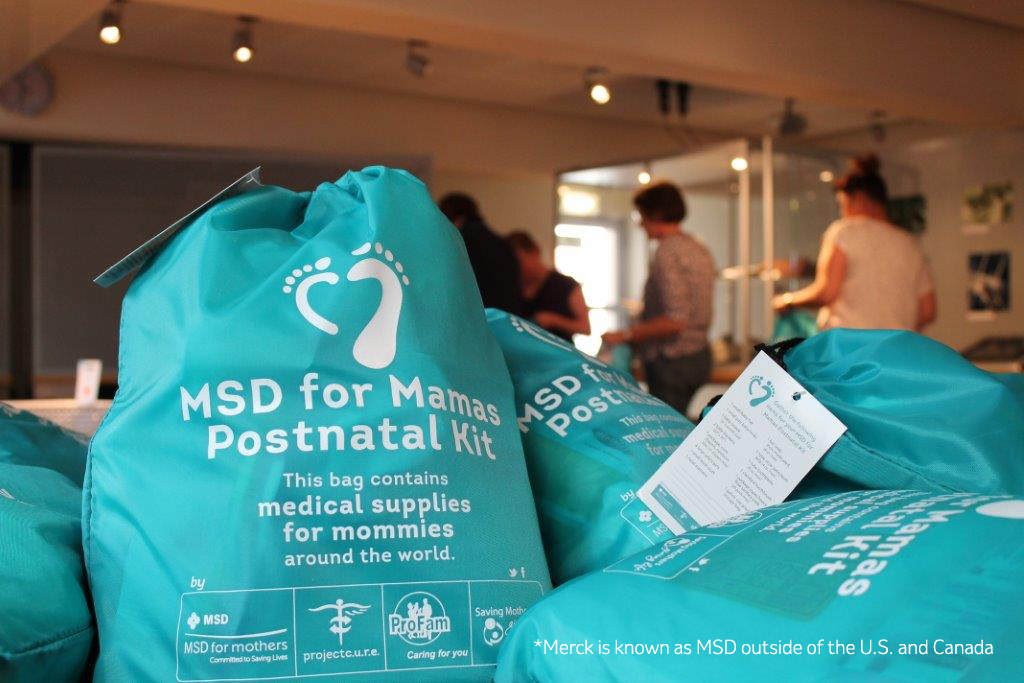
Employee volunteers participate in activities such as assembling post-natal kits for soon-to-be mothers in Uganda as a means of encouraging them to seek care to support healthy pregnancies and deliveries. The kits include essential supplies to aid the health and safety of a mother and newborn after birth. This activity, among others, become annual events where employees can help amplify our impact.
Merck for Mothers’ collaborators complete their first maternity waiting home in Zambia
Maternity waiting homes — residences located near health facilities where pregnant women can stay before they go into labor — can make all the difference for pregnant women in rural Zambia, where the distance between home and a health facility can be a matter of life and death.
2017
Merck for Mothers teams up with stakeholders across India to launch Manyata
Merck for Mothers, Jhpiego India and the Federation of Obstetric and Gynecological Societies of India partnered to launch Manyata – an ambitious agenda to improve quality of maternity and newborn care services in private facilities by training doctors, nursing and administrative staff on essential clinical, facility and patient care protocols in India.
Merck for Mothers commits $10 million and business expertise to the Global Financing Facility
In support of the UN Secretary-General’s Every Woman Every Child strategy to improve maternal and child health in low- and lower-middle-income countries, the goal is to prevent an estimated 3.8 million maternal deaths, 101 million child deaths and 21 million stillbirths by 2030. Merck is the first private sector investor and helped bring other private sector investors to the table.
Merck for Mothers launches the world’s first maternal and newborn health development bond with public and private sector collaborators
The UtkrishtDevelopment Impact Bond leverages private investor capital to incentivize private maternity providers in Rajasthan, India to improve the quality of care they deliver. Interventions will reach up to 600,000 pregnant women with improved care during delivery and could lead up to 10,000 lives being saved over a five-year period.
2018
Ferring Pharmaceuticals and Merck announce completion of carbetocin clinical trial, the largest clinical trial ever conducted in postpartum hemorrhage
The trial of heat-stable carbetocin showed it to be as safe and effective as oxytocin in preventing postpartum hemorrhage, the largest direct cause of maternal death. The trial included nearly 30,000 women from 10 countries.
“This has the potential to change the paradigm in how we save more mothers from dying during childbirth,” said Dr. Julie L. Gerberding, Merck’s then-chief patient officer.
Merck announces new U.S. initiative — Safer Childbirth Cities
Through this initiative, Merck for Mothers will provide grants to help cities with poor maternal health outcomes develop and implement creative, multi-sector solutions to save women’s lives and improve maternal health.
Merck for Mothers publishes first research compendium to advance collective understanding of maternal mortality
The research compendium, Evidence for Impact, collates actionable and real-time evidence about what works and what doesn’t to expand knowledge that will help encourage greater investment in women’s health. Merck for Mothers publishes a second compendium in 2020.
2019
Merck for Mothers has now reached 10 million women worldwide through its programs
The MOMs (Maternal Outcomes Matters) Initiative launched
A partnership between Merck for Mothers, the U.S. International Development Finance Corporation, Credit Suisse and USAID to stimulate, advance and scale innovations that contribute to a healthy pregnancy and safe childbirth. It will invest $50M in local businesses that are working to improve maternal health in regions of the world where high rates of women are dying from pregnancy and childbirth. (Photo credit: LifeBank)
2020
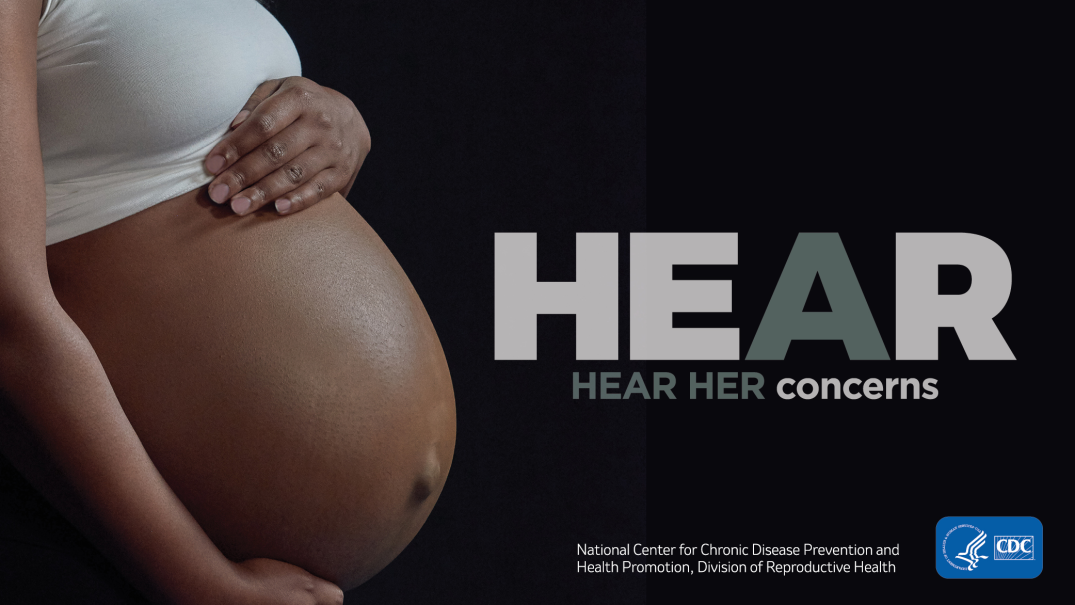
Merck for Mothers provides funding to help support the CDC’s new maternal health communication campaign, Hear Her
Hear Her brings attention to maternal mortality and provides support to pregnant and postpartum women to speak up when something doesn’t feel right.
Merck commits $3M to address maternal health needs during COVID-19 pandemic
2021
Merck announces fifth round of global grants to tackle maternal mortality and access to health worldwide
Merck for Mothers supports the corporate grant program which enables Merck offices around the world to aid nongovernmental organizations that are improving maternal health. The program responds to local women’s needs, focusing on how resources can increase health equity in maternity care and support.
Merck announces additional $150M investment through 2025 to help end maternal mortality inequities, building on the $500M commitment made in 2011
This investment comes at a pivotal time for the global health community as the COVID-19 pandemic continues to stretch health systems, disrupting networks of care that support healthy pregnancies and safe childbirth.
2022
Merck for Mothers launches Strengthening Systems for Safer Childbirth Coalitions
This global initiative is supporting locally driven solutions with coalitions across India, Kenya, Nigeria and Sierra Leone. The coalitions lead activities to improve access to high-quality maternal healthcare.
Merck for Mothers debuts new report examining how transformational impact can be made in maternal health
The report highlights six social investments whose solutions have demonstrated transformational impact on maternal health in different contexts — each with funding from Merck for Mothers. Learn more about the report.
Merck for Mothers supports organizations in Latin America
With a sixth round of global grants, Merck for Mothers supports organizations in Latin America, where wide disparities in maternal health outcomes persist. Through the grants, we aim to reach 135,000 women throughout Brazil, Colombia, Dominican Republic, Ecuador and Mexico.
Merck for Mothers has reached more than 30 million women around the world
Through programs promoting safe, high-quality, respectful care, Merck for Mothers has now reached more than 30 million women, surpassing its goal of reaching 25 million women by 2025. Learn more
New grants help women in southeastern Europe
Latest round of global grants supports UNICEF through innovative projects designed to meet the unique local needs of women in Bulgaria and Serbia. Learn more
2025
Expanding community-led solutions across the United States
Merck for Mothers published a four-part article series published in Health Affairs — Healthy Mothers, Healthy Futures: Improving Maternal Health in America — spotlighting the systemic challenges and proven solutions driving change across the country.
Five years of the Kenneth C. Frazier Award for Maternal Health Equity
Merck for Mothers marked the occasion by honoring organizations making extraordinary contributions to maternal health equity. Learn more
Improving maternal health across Asia
New report highlights strides that have been made in maternal health across Asia Pacific, China and Japan. Learn more
2026
New grants advance community-led maternal health solutions
As part of our company’s social impact strategy, Merck for Mothers announced a new round of grants supporting community-led maternal health solutions in communities where access to quality care remains most limited. Learn more
New report highlights impact of strengthening systems for safer childbirth
A new report detailed how six community-led coalitions across India, Kenya, Nigeria and Sierra Leone expanded access to quality maternal health services for more than 2.7 million people. Learn more
We believe solutions to end maternal mortality and improve the quality of maternity care should be rooted in women’s voices and experiences
Strategic partnerships, private sector innovation and data-driven impact
Our work continues in order to help create a world where no woman has to die while giving life
Merck is supporting community-led efforts to improve sustainable access to healthcare through $10 million in new grants
March 19, 2026
Share this article
We’re working to boost people’s access to health around the world with a series of new global grants — from strengthening dengue prevention in Southeast Asia to improving maternal health outcomes in Tanzania, and more.
We recently awarded the grants, totaling more than $10 million, to 44 non‑governmental organizations across 32 countries. The projects will support community‑led efforts to improve sustainable access to high‑quality healthcare (view the full list of grant recipients). These investments will help:
Expand care in underserved communities
Support screening, prevention and treatment efforts
Train healthcare workers
Close gaps in care through education, care navigation and digital tools
“By investing in community-led efforts, we aim to help more people gain sustainable access to essential health services while closing gaps in care.”
Kalahn Taylor-Clark, Ph.D., MPH VP and head of social impact and sustainability
Social impact and sustainability grantees
The grants are awarded through two programs created to improve access to health globally: Solutions for Healthy Communities and Merck for Mothers. We developed Solutions for Healthy Communities based on the belief that local organizations are best positioned to create meaningful, lasting change for their communities. Merck for Mothers is our global initiative to help create a world where no woman has to die while giving life.
Some examples of projects we’re excited to support starting in 2026 include:
Patient education and navigation for uninsured community members in the U.S.: Community Volunteers in Medicine (Pennsylvania) will provide care navigation, preventive health education, referrals and coordinated follow‑up for approximately 30 uninsured patients per month following hospital or emergency department discharge. The program aims to reach more than 5,500 individuals and train 100 healthcare workers to help address care gaps affecting an estimated 35,000 uninsured community members.
Strengthening dengue outbreak response in Southeast Asia: Asia Dengue Voice and Action Ltd. will deploy a digital platform to provide healthcare workers with real‑time data and improved access to public health resources, enabling faster and more targeted dengue prevention and response across high‑risk communities.
Targeted interventions to improve maternal health outcomes in Tanzania: Pathfinder will expand access to high‑quality maternal healthcare across 60 facilities in Morogoro, a region with one of Tanzania’s highest maternal mortality ratios (>75 per 100,000 live births). Using a hub‑and‑spoke model, digital tools, and partnership with local government, the initiative will strengthen service delivery, referrals, supervision, data use and the provider–client experience.
Improving continuity of maternal care for vulnerable women in Romania: UNICEF will equip community nurses with standardized digital tools to monitor pregnancies and coordinate care by adding a dedicated pre‑ and postnatal module to the Aplicația Medicală Comunitară platform. This approach will help address gaps in maternal care for rural populations facing provider shortages and fragmented referral pathways.
“By empowering women to seek care sooner and educating frontline healthcare workers about cancer, lives can be saved and families will thrive,” said Jennifer Dent, president and CEO of BIO Ventures for Global Health, one of this year’s recipients. The organization is working to improve breast and cervical cancer outcomes in Nigeria and Kenya by strengthening the community health workforce, empowering communities with health knowledge and communicating project impacts to inform policy and practice.
We’re helping build a brighter future for maternal health in America
Our Merck for Mothers initiative is partnering to drive change across the country for women who are pregnant through postpartum
November 6, 2025
Share this article
Maternal health is a vital sign of a society’s well-being — one that reflects the strength of our health systems, equity in access and the dignity afforded to every woman in her care journey. Yet with the highest maternal mortality rate among high-income nations and more than 80% of these deaths deemed preventable, the U.S. lags significantly behind.
Prenatal care
1 in 6
Infants in the U.S. were born to mothers receiving inadequate prenatal care in 2023
Postpartum depression
1 in 8
Women in the U.S. with a recent live birth reported symptoms of postpartum depression in 2018
Pregnancy-related deaths
669
Women died of maternal causes
in the U.S. in 2023
Too many women face obstacles at each stage of the pregnancy journey — but hope is on the horizon
“Local and community-led initiatives are emerging as powerful catalysts for creating a healthier future for all,” said Kalahn Taylor-Clark, Ph.D., MPH, Merck’s VP and head of Social Impact and Sustainability.
Taylor-Clark and other leaders at Merck for Mothers, our company’s global initiative to help create a world where no woman has to die while giving life, recently weighed in on “the essential work that remains to drive transformative improvements in maternal health,” in a series for Health Affairs. Below, find key points from each stage of the pregnancy journey — and learn how their approach to partner with community organizations is making a difference.
Pregnancy: Laying the foundation for healthier outcomes
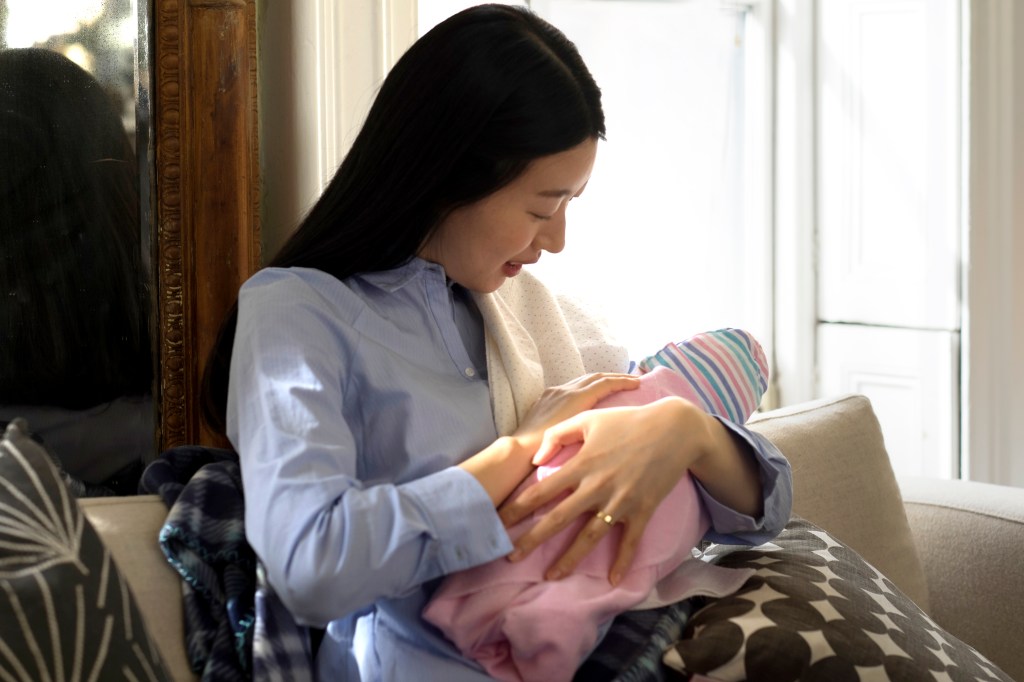
Access to quality prenatal care from the start is crucial. Without early and regular visits, women face higher complication risks, and their babies are more susceptible to low birth weight and increased infant mortality. Merck for Mothers, which has reached more than 34 million women worldwide through programs promoting safe, high-quality, respectful care, created the Safer Childbirth Cities initiative to address this. The initiative helps 20 city-based coalitions across the U.S. implement strategies to support pregnant people.
For example, in New Jersey, where our company is headquartered, the Trenton Health Team provides safe transportation to clinics so women can access crucial prenatal care. In San Francisco, SisterWeb doulas are empowering mothers to advocate for themselves and access necessary care. These initiatives are part of a growing national movement setting a precedent for broader, transformative change.
Safe delivery: Vital solutions for improving maternal health
More than half of pregnancy-related maternal deaths occur after delivery, often because of latent co-morbidities like hypertension and diabetes.
A significant challenge is lack of awareness about postpartum risks and warning signs. To combat this, the Association of Women’s Health, Obstetric and Neonatal Nurses, supported by Merck for Mothers, has launched the Post-Birth Warning Signs education program, equipping health care providers, parents and families with crucial knowledge about post-delivery complications, empowering them to act swiftly.
Simultaneously, efforts like the Hear Her campaign are amplifying women’s voices, raising awareness about the importance of speaking up.
Postpartum: Navigating challenges with comprehensive support
The postpartum period, especially in the first 12 weeks — also coined the “fourth trimester” — is a time of not only physical recovery but also substantial emotional and social adjustment. The needs of mothers during this period are often overlooked, with limited access to mental health resources exacerbating the problem.
Efforts are being made to strengthen screening for perinatal mood disorders. For instance, the University of Massachusetts Chan Medical School, in part through support from Merck for Mothers, developed The Lifeline for Moms Perinatal Mental Health Tool Kit, a comprehensive resource with actionable information, algorithms and clinical insights to help obstetric providers effectively address perinatal mental health conditions.
Economic factors can further intensify postpartum challenges. With support from Merck for Mothers, Baby2Baby is expanding its maternal health and newborn supply kit program, providing essential items like diapers and breastfeeding supplies. By easing financial burdens, the organization helps enable mothers to focus on their health and their baby’s well-being.
The path forward
Transforming maternal health requires more than medical intervention — it requires a cultural and systemic shift toward wraparound, person-centered care at every stage, plus collective action.
“Working together, we can create a system that truly values and helps protect the health of all mothers. It’s essential to focus not only on supporting health care providers but also on supporting friends, family, and the broader community—the entire village of care surrounding pregnant women.”
Merck publishes Purpose for Progress Impact Report 2024/2025
August 18, 2025
Share this article
Our company’s purpose is to use the power of leading-edge science to save and improve lives around the world. This purpose serves as our compass and guides us every day. Our Purpose for Progress: Merck 2024/2025 Impact Report provides a comprehensive view of how we’re pursuing innovative science for the health of people and animals and ensuring our efforts drive significant and sustainable value.
“Our long-standing commitment and focus on advancing access to health, operating responsibly and implementing strategies that protect the health of people, animals and the planet is unwavering,” said Rob Davis, chairman and CEO. “As we continue to navigate the rapid pace of change happening all around us, I am proud of the progress we’ve made thus far, and I remain optimistic about our future.”
A few highlights from this year’s report*
>247M
People enabled access to our innovative medicines and vaccines through access solutions.
>66M
People reached with our social investments in low- and middle-income countries and in underserved populations in high-income countries. We've surpassed the goal of reaching 50 million by 2025.
92%
Countries reached globally with our products, surpassing our goal for the fourth year in a row.
*All numbers as of 2024 (report page 15)
Our employees worldwide played a pivotal role in delivering novel solutions that addressed some of the world’s most serious and complex global health challenges. We’re proud that in 2024, our medicines and vaccines reached more than 450 million people around the world.
Our sustainability strategy has four main areas of focus
Access to health: In collaboration with global health stakeholders, our social investments aim to advance access to quality health systems, and we seek to ensure that our products are accessible and affordable worldwide.
Employees: We recognize that our ability to excel depends on the integrity, knowledge, imagination, skill, diversity of thought, perspectives and experiences, and well-being of our employees.
Environmental sustainability: We strive to operate our business sustainably, considering the impact on both the health of our planet and its inhabitants, while also providing opportunities for product innovation and reduction in costs and risks. We have a long history of environmental stewardship and compliance, and we continuously evolve our strategy and efforts in the face of a changing climate.
Ethics and values: Our ethics and values are at the center of everything we do. Through our unwavering commitment to transparency, we are committed to earning the trust and confidence of our stakeholders.
Many people struggle to understand health information, which can impact health outcomes. What we're doing to support health literacy.
December 6, 2024
Share this article
What is health literacy?
At points in our lives, we need to make health or medical decisions for ourselves, members of our family or those in our care. And sometimes it can be challenging. Whether it’s deciding to receive a vaccine, start a new medication, undergo a procedure or join a clinical trial, our level of health literacy — the ability to find, understand and use information and services — can play an important role in health outcomes. Unfortunately, when people struggle, there may be negative health consequences, like decreased adherence to treatment plans, increased emergency room visits and hospital stays, and higher mortality rates.
Low health literacy is more common in vulnerable populations
While limited health literacy can affect anyone, there are certain populations at greater risk: older adults, racial and ethnic minorities, those with low income or less education, and people with compromised health status.
“As a company committed to helping save and improve lives, it’s our responsibility to communicate in a way that people can understand so that they can make informed health decisions,” said Shehla Hussain, director, medical writing safety services.
Health literacy is important for health equity
People with better health literacy are more likely to proactively engage in disease preventive behaviors and make informed decisions about their well-being. On the other hand, people with lower or limited health literacy may struggle to understand relevant information, leading to an increased risk of poor health outcomes.
How we’re making medical information easier to understand
We’re committed to making sure the information we share with the world is very clear. It’s something we’ve focused on since 2011, long before the U.S. Department of Health and Human Services updated the definition of health literacy in 2020 to acknowledge that organizations have a responsibility to enable individuals to find, understand, and use information and services to inform health-related decisions and actions for themselves and others.
As part of our efforts, we created a plain language glossary and established company-wide standards focused on improving the health literacy of the information in our resources and materials. It starts in product development and continues through the life cycle of the product, including clinical trials, labeling, post-approval, marketing and promotional materials. For example, we’re:
Expanding our plain language glossary of medical/scientific terms
Supporting research on health literacy
Utilizing plain language and graphics in digital and online resources
Sharing best practices externally
We also listen to the people who use or may use our products to help guide our efforts.
“We work to build trust by listening to the communities we serve, understanding their needs and making our information clear, concise and understandable.”
– English D. Willis
Executive director, clinical safety and risk management, and executive sponsor, Health Literacy Community of Practice
Reducing health disparities around clinical trials
“Health literacy is critically important for achieving clinical trial diversity as it ensures that individuals from diverse backgrounds can understand trial information, make informed decisions and effectively participate. Improving health literacy is essential for equitable access and participation, fostering greater inclusivity in research, leading to more representative and impactful outcomes” said Luther Clark, executive director, medical affairs, patient innovation and engagement.
Euvon Jones, a clinical trial participant, said: “Knowledge is power, and during my journey with prostate cancer, I realized the importance of fully understanding my diagnosis and the options available to me. Through conversations with my doctor and loved ones, and seeking information from reliable sources, I felt empowered to make informed decisions. When we fully understand the importance of the health information we receive, we’re better equipped to navigate the health care system, communicate with providers and advocate for the best possible care.”
Look at some examples of our work
Defining complex medical terms in plain language
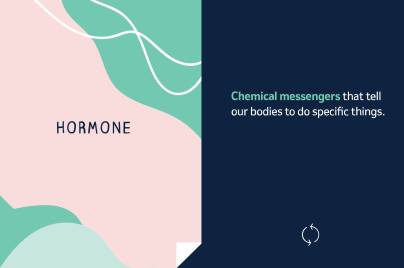
By defining common terms used by health care providers, patients feel more prepared and confident to engage in discussions with their care teams.
Easy to navigate website
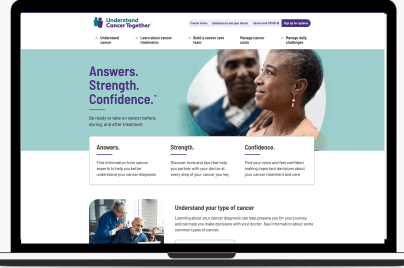
Understanding the patient's perspective allowed us to create a website that anticipates their needs for easy navigation. Plainer language, effective visuals and simple layouts make the website a useful tool.
Seeing from the patient perspective
In a diabetes awareness brochure, we presented the view from the patient's perspective so they can see the potential effects of eye damage from diabetes.
“And our work isn’t done. While we continue to learn and engage with communities, we’re also learning better ways to communicate with our consumers, patients and the general public.”
Inspiring innovation through diversity and inclusion
We recognize the importance of embedding a culture of inclusion and belonging at every level of our company
January 25, 2024
Share this article
An inclusive workplace inspires innovation and is fundamental to our company’s success. Having an environment composed of people with different backgrounds, perspectives and experiences also helps us better understand the unique needs of the customers, health care providers and patients we serve.
“With inclusion as a foundation, we’re able to ignite the spark of creativity that leads to innovation and extraordinary outcomes.”
Nicole Stovall Vice president, Global Diversity & Inclusion Center of Excellence
Below are some of the ways we celebrate our culture of empowerment, engagement and belonging:
01.
Supporting a disability-inclusive workforce
At our company, everyone should feel empowered to help deliver on our purpose of using the power of leading-edge science to save and improve lives around the world. This includes our colleagues who live with disabilities.
Our Global Disability Inclusion Strategy Council recognizes and values the importance of a disability-inclusive workforce and offers resources to ensure people with disabilities — including physical, neurological, mental, rare or any other forms of disabilities — are included and prepared to succeed in all areas of our business.
Key programs and partnerships include:
capAbility in Action, a joint program launched with Accenture and run in partnership with workforce solutions company Rangam to attract, recruit and retain neurodivergent talent.
Valuable 500, a global partnership of 500 companies committed to accelerating disability inclusion through best practices such as digitally accessible technology, mental health awareness and more.
02.
Building a pipeline of the best talent
With our Skills-First approach to hiring, we’re shifting the ways we attract, develop and advance talent. For appropriate roles, this new approach increases the focus on skills instead of a four-year degree.
OneTen, a coalition of leading companies driving a Skills-First movement to unlock career opportunities for talent without four-year degrees.
Year Up, a nonprofit that offers economically disadvantaged youth six months of training followed by a six-month corporate internship.
Hiring Our Heroes, an organization that connects the military community to civilian employers and helps upskill service members in preparation for post-service careers.
03.
Economic inclusion and small business development
Economic inclusion creates a competitive advantage for our company and positively impacts the global community.
We create economic opportunities by procuring products and services from an array of small businesses ranging in different locations, ownership and specialties.
Key initiatives include:
Our Economic Inclusion Virtual Lab offers monthly opportunities for small business owners to engage with our supply chain professionals, prime suppliers and advocacy organizations.
04.
Celebrating global diversity and inclusion
Since 2015, we’ve celebrated Global Diversity & Inclusion Experience Month in September to foster meaningful discussions and learning around diversity and inclusion, while highlighting our inclusive culture.
This monthlong celebration builds capabilities among our workforce and creates a platform for employees to speak up about their experiences.
05.
Employee business resource groups (EBRGs)
With more than 25,000 members across 10 groups, our EBRGs play a critical role in driving an inclusive culture and supporting employee career growth. Each EBRG is open to all employees, and they reflect the communities in which we live and serve.
Forward-Looking Statement of Merck & Co., Inc., Rahway, N.J., USA
This website of Merck & Co., Inc., Rahway, N.J., USA (the “company”) includes “forward-looking statements” within the meaning of the safe harbor provisions of the U.S. Private Securities Litigation Reform Act of 1995. These statements are based upon the current beliefs and expectations of the company’s management and are subject to significant risks and uncertainties. There can be no guarantees with respect to pipeline candidates that the candidates will receive the necessary regulatory approvals or that they will prove to be commercially successful. If underlying assumptions prove inaccurate or risks or uncertainties materialize, actual results may differ materially from those set forth in the forward-looking statements.
Risks and uncertainties include but are not limited to, general industry conditions and competition; general economic factors, including interest rate and currency exchange rate fluctuations; the impact of pharmaceutical industry regulation and health care legislation in the United States and internationally; global trends toward health care cost containment; technological advances, new products and patents attained by competitors; challenges inherent in new product development, including obtaining regulatory approval; the company’s ability to accurately predict future market conditions; manufacturing difficulties or delays; financial instability of international economies and sovereign risk; dependence on the effectiveness of the company’s patents and other protections for innovative products; and the exposure to litigation, including patent litigation, and/or regulatory actions.
The company undertakes no obligation to publicly update any forward-looking statement, whether as a result of new information, future events or otherwise. Additional factors that could cause results to differ materially from those described in the forward-looking statements can be found in the company’s Annual Report on Form 10-K for the year ended December 31, 2025 and the company’s other filings with the Securities and Exchange Commission (SEC) available at the SEC’s Internet site (www.sec.gov).
No Duty to Update
The information contained in this website was current as of the date presented. The company assumes no duty to update the information to reflect subsequent developments. Consequently, the company will not update the information contained in the website and investors should not rely upon the information as current or accurate after the presentation date.