Innovation

A new foundation for future talent

We’re partnering with N.C. A&T to launch a collaborative biotechnology learning center

April 22, 2024

Share this article

Facebook icon

.st0{fill:#00857C;} X icon

Linkedin icon

Email icon

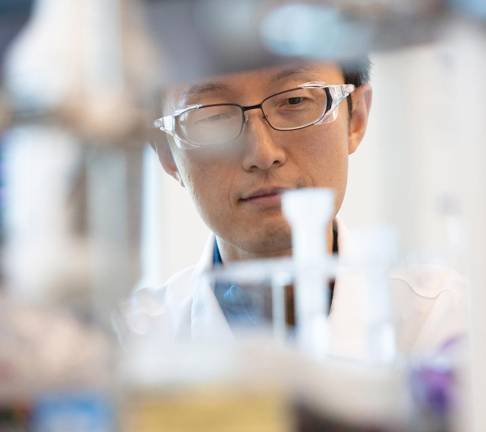
Building the workforce of tomorrow means investing in the students of today. That’s why we’ve partnered with North Carolina Agricultural and Technical State University (N.C. A&T) — the largest historically Black college and university in the U.S. — to launch the Merck Biotechnology Learning Center.

“We’re pleased to launch this new collaboration with an institution that precisely aligns to our company priorities to invest in the growth and delivery of innovative health solutions and strong values around diversity and inclusion,” said Sanat Chattopadhyay, executive vice president and president, Merck Manufacturing Division. “Together we can fuel the growth of talent for our company and the biotechnology industry overall.”

Located in the home state of our Durham and Wilson manufacturing sites, the 4,025 square-foot facility will enhance academic programming and training for biotechnology careers for N.C. A&T students and provide advanced discovery opportunities through its classroom space, process laboratory and state-of-the-art biopharmaceutical manufacturing equipment.

“This collaboration signifies a union between academia and industry, and a commitment to excellence, innovation and the advancement of scientific knowledge,” said Tonya Smith-Jackson, Ph.D., provost and executive vice chancellor of academic affairs for N.C. A&T.

The collaboration also signifies an investment in the community’s future by expanding local and statewide bioeconomy initiatives. It’ll also help to expand talent and recruitment opportunities for our company and offer vaccine manufacturing process training for new and existing employees. 

“The Merck Biotechnology Learning Center will provide opportunities for N.C. A&T students to look inside the biopharmaceutical industry and understand what a career in this space looks like. Through our joint initiative with N.C. A&T, we’re developing new and innovative ways to build a pipeline of talent here in North Carolina and beyond.” 

  • Amanda Taylor
    Vice president and Durham plant manager
Innovation

Humans, animals and the environment – our health is all connected

Why the One Health approach is important now more than ever

April 15, 2024

Share this article

Facebook icon

.st0{fill:#00857C;} X icon

Linkedin icon

Email icon

little girl hugging a white dog

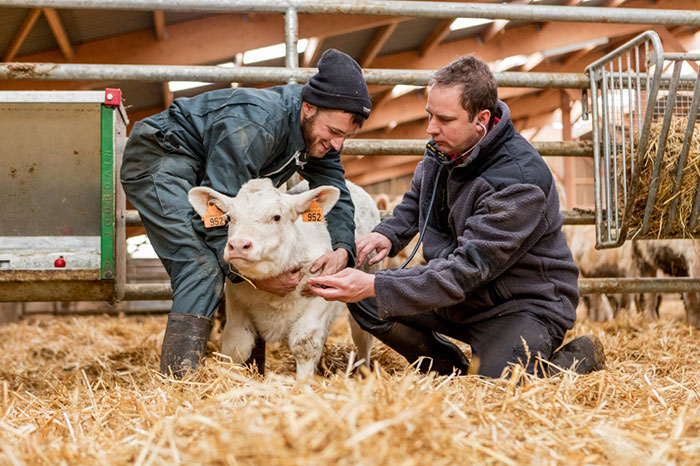
The health of humans, animals and the environment are all interconnected. When the health of one is at risk, the health of all may be at risk.   

We see it in diseases transferred between animals or insects and humans (called zoonotic and vector-borne diseases) such as rabies, Lyme disease, West Nile virus, swine flu and Ebola, among others. We also see it in the growing threat from antimicrobial resistance (AMR), which occurs when bacteria mutate in ways that make the medicines (antimicrobials) used to treat infections ineffective, or when these medicines are used inappropriately to treat viral infections. Or, in diseases in food-producing animals, jeopardizing global food security.

Our increasing vulnerability to such new health challenges has led to a focus on “One Health” — an integrated approach to addressing human, animal and environmental health for the benefit of all.

What is One Health?

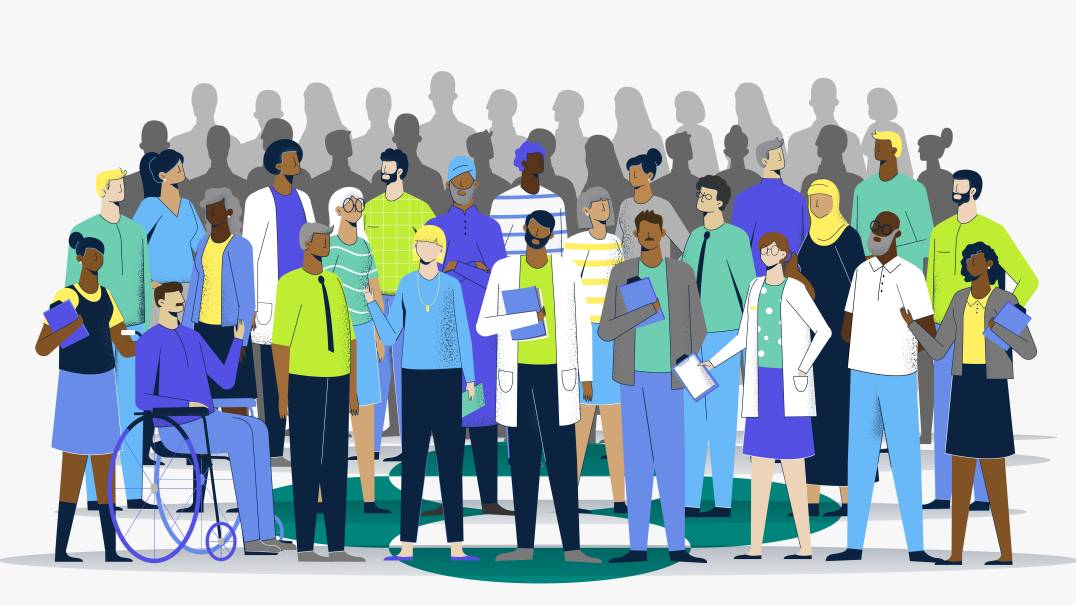
One Health is the collaborative approach across multiple disciplines — working locally, regionally, nationally and globally — to prevent, detect and respond to health issues at the interfaces between humans, animals and the environment.

illustration of lots of people working together

It requires collaboration among doctors, veterinarians, nurses, public health practitioners, epidemiologists, agricultural workers, ecologists, wildlife experts, and industry as well as policymakers, communities and even pet owners.

“No one person, organization or sector can address these issues alone. Identifying and responding to growing health challenges requires teamwork,” says Holger Lehmann, DVM, Ph.D., VP, pharmaceuticals research and development, Merck Animal Health.

But what has led to these increasing population health threats?

Why are we more vulnerable to new health challenges?

Society has undergone major changes over the past century. While technology, increased mobility, industrialization, urbanization and globalization have advanced human, animal and environmental health in many ways, they’ve also made us more vulnerable to new health challenges.

For example, according to the Centers for Disease Control and Prevention, every year, millions of people and animals around the world are affected by zoonotic diseases. Scientists estimate that around 60% of emerging infectious diseases that are reported globally come from animals, both wild and domestic. Over 30 new human pathogens have been detected in the last 3 decades, 75% of which have originated in animals.

They can be spread in a number of ways, including direct or indirect contact, vector-borne, foodborne or waterborne. In fact, foodborne pathogens cause millions of cases of sporadic illness and chronic complications, as well as large and challenging outbreaks in many countries and between countries.

In addition, increased exposure to new viruses/bacteria combined with excessive and/or inappropriate use of medicines is causing a rise in AMR. Worldwide, an estimated 4.95 million people died with drug-resistant bacterial infections in 2019, and 1.27 million of these deaths were directly caused by antimicrobial resistance (AMR).

Three main factors are fueling these population health threats, increasing the probability and speed of spreading diseases. They are:

farmland landscape with livestock

Changes in climate and land use

Deforestation and other disruptions in environmental conditions can provide new opportunities for diseases to develop.

Exponential population growth and expansion into previously uninhabited areas

More people are living in close connection to their companion animals, and in some cases, closer to wild and domestic animals.

world map with lines showing increasing mobility

Increased international mobility

People, animals and animal products are moving more frequently, easily and widely than ever before.

Our commitment to One Health

With deep expertise in both human and animal health and a commitment to our shared environment, our company is well-positioned to be a leader in the One Health approach.

“We recognize the issues — such as zoonotic and infectious diseases and food safety and security — are interrelated,” says Ian Tarpey, Ph.D., VP, biological research and development, Merck Animal Health. “Our Animal Health and Human Health teams will continue to collaborate to discover and develop preventative solutions for existing and emerging diseases in animals and people.”

Our One Health approach focuses on many areas, including:

icon
Disease prevention

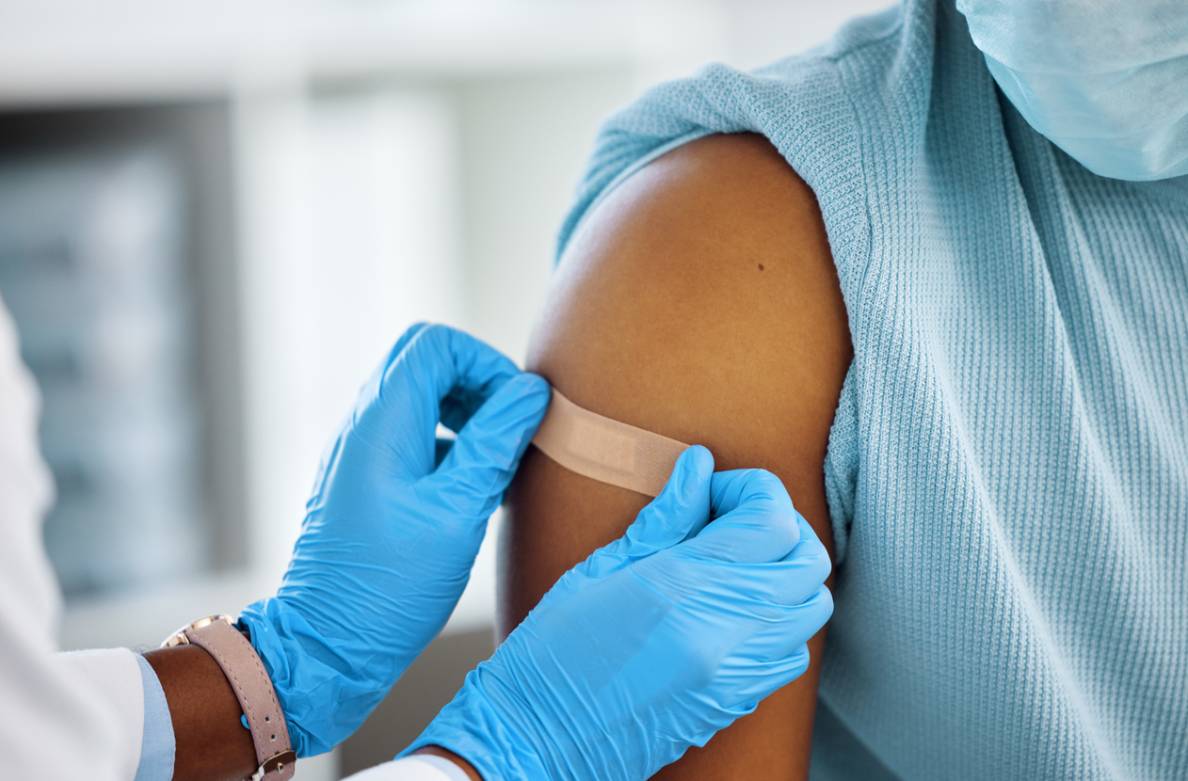
We remain focused on discovering and developing vaccines and technologies to help prevent both human and animal diseases.

icon
Surveillance and monitoring

We’re committed to advocating for and participating in scientifically based surveillance monitoring systems to better understand, track and predict health-related issues.

icon
Respecting our environment

We support science-based, environmentally sound international and national programs to address the challenges to environmental health.

icon
Innovation

Our human and animal health research laboratories collaborate in antimicrobial and vaccine research in many ways including sharing enabling technologies, expertise and evaluation of external opportunities. We’re also investing and developing predictive, monitoring and diagnostic technologies to help animal caretakers make data-driven evaluations of an animal’s health status and optimize their animals’ health and well-being.

icon
Stewardship of essential medicines

We’re playing a leading role in addressing AMR by not only discovering and developing medicines and vaccines to treat and prevent infectious diseases in humans and animals but also supporting responsible use of these products.

icon
Safe and sustainable food supply

We continue to work on developing vaccines and other tools to prevent animal disease to ensure a safe, nutritious, sustainable food supply, and we’ve implemented surveillance initiatives to enable more accurate risk profiling, early disease detection and individualized diagnosis/treatment decisions in livestock.

two dogs running on the grass

The science of healthier animals

We build strong partnerships in an effort to improve the health of animals around the world, and approach our work with a deep sense of responsibility — to our customers, consumers, animals, society and the planet.

Our work to promote optimal health continues

“One Health recognizes the interconnectedness of human, animal and environmental health, acknowledging that the well-being of each is intricately linked. By embracing a collaborative approach, we can effectively address the complex challenges and promote optimal health for both humans and animals.”

– Dr. Jenelle Krishnamoorthy, VP, global public policy

Innovation

Taking on Zaire ebolavirus

How science and innovation fuel our efforts to help combat a rare but potentially deadly disease

April 11, 2024

Share this article

Facebook icon

.st0{fill:#00857C;} X icon

Linkedin icon

Email icon

trees with water

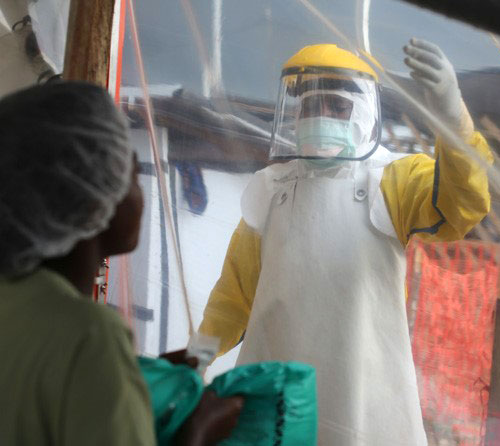
Patients inspire us to pursue the best science in our inventions and everything we do. Every innovation has the potential to help build a healthier, more hopeful future for people everywhere — which means taking on some of today’s global health challenges, including Ebola.

Leading the effort to combat Zaire ebolavirus

Our company is a health care leader in the fight against Zaire ebolavirus. Along with external collaborators from all sectors, our scientists are at the forefront of the response to outbreaks of this potentially deadly disease as we continue to help address this global health challenge. Zaire ebolavirus has had a devastating impact on the world and has proved itself to be a potentially deadly and contagious disease, with a survival rate of 50%. While there are six identified Ebola virus species, the Zaire ebolavirus strain has been the leading cause of outbreaks over the last 20 years.

Global public health preparedness against future Zaire ebolavirus outbreaks requires advanced planning, system readiness for rapid deployment and collaboration and partnership between public and private entities around the world. Our partnerships with the World Health Organization (WHO) and other health partners around the globe are a crucial component of our commitment to helping save and improve lives.

“We take Zaire ebolavirus outbreaks very seriously and act with the utmost urgency to support response efforts,” said Paul Scott, clinical director, clinical research vaccines. “Our teams are dedicated to supporting the frontline workers whose brave actions are critical in outbreak response.”

In 2021, we established an agreement with UNICEF to create the world’s first global Ebola Zaire stockpile, the result of breakthrough innovation and collaboration with four leading international health and humanitarian organizations across the world. The global stockpile offers a critical, rapid-response tool.

“It has been our honor to collaborate with WHO, Gavi, UNICEF, the U.S. government and many others in supporting outbreak preparedness and response efforts,” said Andrew (Drew) Otoo, PharmD, president of global vaccines from 2022-2025 and current regional president, Merck. “Through these collaborations, we demonstrate what’s possible when partners come together to pursue a common purpose for patients.”

This level of collaboration continues to be needed for Zaire ebolavirus and other diseases. We remain committed to working in collaboration with global and local health partners to support current and future outbreak response efforts.

Innovation

How Merck scientists are driving next-generation cancer research

Our scientists are accelerating research by looking to improve anti-tumor immune response, targeting specific cancer cells and helping inhibit cancer growth

March 29, 2024

Share this article

Facebook icon

.st0{fill:#00857C;} X icon

Linkedin icon

Email icon

In recent decades, our improved understanding of cancer has illuminated that we cannot treat all cancers as one disease — scientists have classified hundreds of types and found a myriad of genetic drivers underlying them. This means, just as cancer isn’t one disease, there cannot be just one way to treat all cancers.

“We’ve witnessed dramatic progress in how we treat a wide range of cancers, and our work at Merck has been foundational in how we treat metastatic disease, or cancer that has spread.”

  • Dr. Jane Healy
    Vice president and head of oncology early development, Merck Research Laboratories

“This is just the tip of the iceberg. These advancements are helping to fuel the next generation of discoveries and drive progress in the way we care for people with all stages of cancer. We must push research forward that supports early discoveries and novel innovations to advance the future of cancer research,” Healy said.

Driving research toward treating certain cancers earlier

With the ultimate goal of providing patients with the greatest chance for survival, our researchers are building a broad clinical development program focused on treating certain cancers at earlier stages.

“Expanding our research efforts into earlier stages of disease remains a top priority,” said Healy. “We’re pursuing research where we have the greatest potential to make a significant impact in helping reduce the risk of recurrence and improving survival.”

A robust pipeline of diverse approaches to advanced and earlier stages of cancer

In addition to driving research in earlier stages of cancer, Healy and her colleagues are investigating multiple mechanisms and modalities that may have the potential to address cancer in innovative ways. Through our own research and external collaborations, we’ve developed a robust pipeline that encompasses diverse approaches to treating advanced and earlier stages of cancer across more than 20 novel mechanisms, including:

  • Boosting anti-tumor immune responses: Learnings from recent advancements in cancer care have informed a more focused approach to research. Now, we’re investigating foundational cancer treatments combined with negative immune regulators that play different roles in adjusting the immune response.

    We’re also exploring individualized neoantigen therapies, a growing area of research focused on sharpening the immune response against a person’s own tumor by developing a therapy unique to their tumor’s mutation.
  • Tissue-specific targeting of chemotherapy to increase cancer cell sensitivity to immune responses: While chemotherapy remains an important treatment option, our scientists are exploring how antibody-drug conjugates (ADCs), with novel chemotherapy-like payloads, can be used as a more targeted approach to deliver chemotherapy.

    Similarly, we’re pursuing research that enhances the ability of T cells to recognize and attack tumors.
  • Impacting pathways that can drive cancer growth: We’ve identified opportunities for the direct targeting of cancer cell vulnerabilities and transcription factors that were previously considered untreatable. By designing therapeutic candidates that inhibit or degrade proteins and genes implicated in cancer pathways, we’re evaluating new ways to help address rare and difficult-to-treat cancers that currently have limited treatment options.

"We're committed to investing in novel research where scientific opportunity and medical need converge. "

— Jane Healy

“These key areas of research are the cornerstones of our broad and diverse pipeline, with more than 2,250 ongoing clinical trials, which include more than 1,600 trials evaluating combination regimens. We remain dedicated to discovering new ways to fight this disease and optimizing existing approaches — all while continuing to lead in supporting the next generation of cancer research,” said Healy.

Gloved hand handling a small laboratory device labeled

Learn more about our oncology pipeline

Sustainability

Inspiring innovation through diversity and inclusion

We recognize the importance of embedding a culture of inclusion and belonging at every level of our company

January 25, 2024

Share this article

Facebook icon

.st0{fill:#00857C;} X icon

Linkedin icon

Email icon

colleague collaborating with the team

An inclusive workplace inspires innovation and is fundamental to our company’s success. Having an environment composed of people with different backgrounds, perspectives and experiences also helps us better understand the unique needs of the customers, health care providers and patients we serve.

Nicole Stovall

“With inclusion as a foundation, we’re able to ignite the spark of creativity that leads to innovation and extraordinary outcomes.”

  • Nicole Stovall
    Vice president, Global Diversity & Inclusion Center of Excellence

Below are some of the ways we celebrate our culture of empowerment, engagement and belonging:

01.

Supporting a disability-inclusive workforce

At our company, everyone should feel empowered to help deliver on our purpose of using the power of leading-edge science to save and improve lives around the world. This includes our colleagues who live with disabilities.

Our Global Disability Inclusion Strategy Council recognizes and values the importance of a disability-inclusive workforce and offers resources to ensure people with disabilities — including physical, neurological, mental, rare or any other forms of disabilities — are included and prepared to succeed in all areas of our business.

Key programs and partnerships include:

  • capAbility in Action, a joint program launched with Accenture and run in partnership with workforce solutions company Rangam to attract, recruit and retain neurodivergent talent.
  • Valuable 500, a global partnership of 500 companies committed to accelerating disability inclusion through best practices such as digitally accessible technology, mental health awareness and more.

02.

Building a pipeline of the best talent

With our Skills-First approach to hiring, we’re shifting the ways we attract, develop and advance talent. For appropriate roles, this new approach increases the focus on skills instead of a four-year degree.

Key partners in our efforts include:

  • OneTen, a coalition of leading companies driving a Skills-First movement to unlock career opportunities for talent without four-year degrees.
  • Year Up, a nonprofit that offers economically disadvantaged youth six months of training followed by a six-month corporate internship.
  • Hiring Our Heroes, an organization that connects the military community to civilian employers and helps upskill service members in preparation for post-service careers.

03.

Economic inclusion and small business development

Economic inclusion creates a competitive advantage for our company and positively impacts the global community.

We create economic opportunities by procuring products and services from an array of small businesses ranging in different locations, ownership and specialties.

Key initiatives include:

  • Our Economic Inclusion Virtual Lab offers monthly opportunities for small business owners to engage with our supply chain professionals, prime suppliers and advocacy organizations.

04.

Celebrating global diversity and inclusion

Since 2015, we’ve celebrated Global Diversity & Inclusion Experience Month in September to foster meaningful discussions and learning around diversity and inclusion, while highlighting our inclusive culture.

This monthlong celebration builds capabilities among our workforce and creates a platform for employees to speak up about their experiences.

05.

Employee business resource groups (EBRGs)

With more than 25,000 members across 10 groups, our EBRGs play a critical role in driving an inclusive culture and supporting employee career growth. Each EBRG is open to all employees, and they reflect the communities in which we live and serve.

Health awareness

Empowering others to speak up about HPV-related cancers

The impact of Gina’s diagnosis inspired her to help others prioritize their health

January 5, 2024

Share this article

Facebook icon

.st0{fill:#00857C;} X icon

Linkedin icon

Email icon

After 20 years of normal cervical screenings,* Gina Esposito was confident her next routine screening wouldn’t be any different. So, when she was diagnosed with human papillomavirus (HPV)-related cervical precancer at 47 years old, she was surprised.

“The sinking feeling I had when I received my diagnosis was intense because I wasn’t expecting it,” she said.

*A cervical screening, often referred to as a pap test or pap smear, looks for precancers or cell changes that might become cervical cancer if not treated appropriately.

The impact of HPV-related cancers and diseases

More than 80% of cervical cancers are associated with HPV. For most people, HPV clears on its own. But for those who don’t clear the virus, it could cause certain cancers and diseases.

After her diagnosis, Esposito underwent a procedure to remove the abnormal cells from her cervix. When a follow-up test showed that there were still some abnormal cells present, she consulted with a doctor and decided to get a hysterectomy.

At first, she felt embarrassed by her diagnosis. As she started to share her story, she noticed that others felt ashamed to speak about HPV-related cancers and diseases. She knew something had to change.

“I have a newfound responsibility to take the stigma away, to say ‘the shame has to go away,’ whether you’re a woman or a man,” Esposito said.

Throughout her experience, she says her daughter has been a source of strength.

“You don’t want your child to be without you or to experience the loss of a parent. You want to be around for all of their milestones and they want you around,” Esposito said. “So, she keeps me motivated because there’s an expectation that mom’s going to be around.”

Gina Esposito HPV Story Image 2

“I try to be a positive disruptor in this space and normalize it so that people go for early screenings and routine screenings and that they get treatment if they need it.”

— Gina Esposito

The importance of routine care

In some ways, Esposito considers herself lucky. Her commitment to prioritizing routine care helped her catch her disease early.

“I’m so glad I took the time to go to my screening – it helped catch my disease early,” she said.

Esposito is working to ensure her daughter also prioritizes getting routine care and understands the value of prioritizing her health, especially as she approaches adulthood.

“She knows you need to own your own health because no one else is going to do it for you,” she said. Esposito encourages colleagues across our company to prioritize their health, too.

Esposito plans to continue helping men and women feel comfortable discussing HPV-related disease and get the preventative care they need.

“When I talk with others, I focus on what happened to me so they can use it as an example,” Esposito said. “I get people emailing me, texting me, going, ‘I’m going to make my appointment today.’ And if we can have one person that we get early, then my job is done.”

Health awareness

Biomarker testing may help inform treatment decisions in certain cancers

An oncologist explains why cancer biomarkers may provide more precise information about a person's cancer

December 5, 2023

Share this article

Facebook icon

.st0{fill:#00857C;} X icon

Linkedin icon

Email icon

Scientist at Merck

Over the past 20+ years, there’s been an evolution in how we think about cancer. Cancer biomarkers — substances produced by tumor cells that reflect unique features of a tumor — can change the approach to certain cancers.

Advances in biomarker testing may help inform treatment decisions

It wasn’t long ago when conversations were about simply “breast cancer” or “lung cancer.” Now, physicians can get a lot more precise.

Merck's Scott Pruitt

“We’ve come to understand that two people with the same type of cancer may have differences in the specific changes in the genes, proteins and other substances that may allow cancer cells to grow and spread.”

  • Dr. Scott Pruitt
    Associate vice president, early-stage development, clinical oncology, Merck Research Laboratories

“The field of breast cancer research was arguably the first to realize that there are multiple cancer subtypes and that biomarker testing could help inform therapy,” said Pruitt.

In the treatment of breast cancer, understanding various tumor biomarkers and pairing that understanding to help guide selection of relevant medicines has helped physicians evaluate potential treatment approaches. And the same is true in lung cancer where understanding tumor biomarkers has been used to help guide therapy aimed at targeting certain genetic mutations.

Biomarkers may help us understand a cancer better and how to approach it. That’s why biomarker testing may be an important next step after a cancer diagnosis.

Key terms to know:

  • Biomarker: a measurable indicator of a biological state or condition found in blood or tissues.
  • Biomarker testing: medical tests to look for measurable indicators (genes, proteins and other substances) that may provide information about a biological state or condition.
  • Biopsy: the removal of cells or tissue for examination.
  • Genetic testing: medical tests to look for certain mutations in a person’s genes that may be a sign of a disease or condition.

Biomarker testing after a cancer diagnosis

blood test vial

Blood test

microscope

Biopsy of the tumor

Testing for proteins and/or genes to look for known biomarkers

Testing for proteins and/or genes to look for known biomarkers

Biomarker testing and genetic testing may enable detailed characterization of some cancers

Some biomarker tests can find inherited genetic changes that you may have been born with that may increase your risk of cancer or other diseases. Genetic testing might help determine if you have certain mutations (for example, the BRCA gene) which could help inform treatment options.

Merck has been at the forefront of research to advance the understanding of biomarkers for certain cancers.

"We're fully invested in leveraging biomarker data to help inform cancer care."

— Dr. Scott Pruitt

“Across our oncology studies in every phase of development, we continue to incorporate multiple biomarker approaches to more fully understand biology as well as identify new targets of interest,” Pruitt said.

Discussing biomarker testing with a health care provider

If you’ve been diagnosed with cancer, it’s important to ask your doctor about biomarker testing. Start with these questions which may help you prepare for conversations with your doctor:

  • Is biomarker testing appropriate for the type of cancer that I have?
  • If there’s a chance my cancer was caused by an inherited risk factor, should I undergo further testing?
Innovation

Harnessing innovative technology in drug discovery

Merck scientists explain how new technologies can accelerate the drug discovery process as we use the power of leading-edge science to save and improve lives

November 16, 2023

Share this article

Facebook icon

.st0{fill:#00857C;} X icon

Linkedin icon

Email icon

Our scientists are leveraging state-of-the-art capabilities to discover novel molecules that may lead to the medicines of tomorrow. 

Merck Research Laboratories (MRL) scientists evaluate hundreds to thousands to up to billions of compounds to find a starting point for a new drug candidate. It all starts with identifying a target — usually a protein — that’s intrinsically associated with a particular disease and can be pharmacologically modulated. That’s where innovative tools like structure-based design, high-throughput screening and high-throughput experimentation, coupled with robotics, artificial intelligence and machine learning can make a huge difference in progressing the work. And once a lead molecule is identified, cryogenic electron microscopy (cryo-EM) as an emerging structural method can be used to understand and improve how a molecule interacts with the protein target.

Utilizing the latest technologies and diligent work by teams of highly skilled and experienced scientists can potentially accelerate the discovery of new medicines for patients in need.

“We have an incredibly creative, smart and hardworking workforce. It’s an absolute pleasure to be part of that and to have access to the resources necessary for making scientific breakthroughs.”

— Adam Weinglass

Executive director in quantitative biosciences
Health awareness

Staying positive with pulmonary arterial hypertension

From struggling to breathe to advocating for others, one woman with PAH shares her story

October 24, 2023

Share this article

Facebook icon

.st0{fill:#00857C;} X icon

Linkedin icon

Email icon

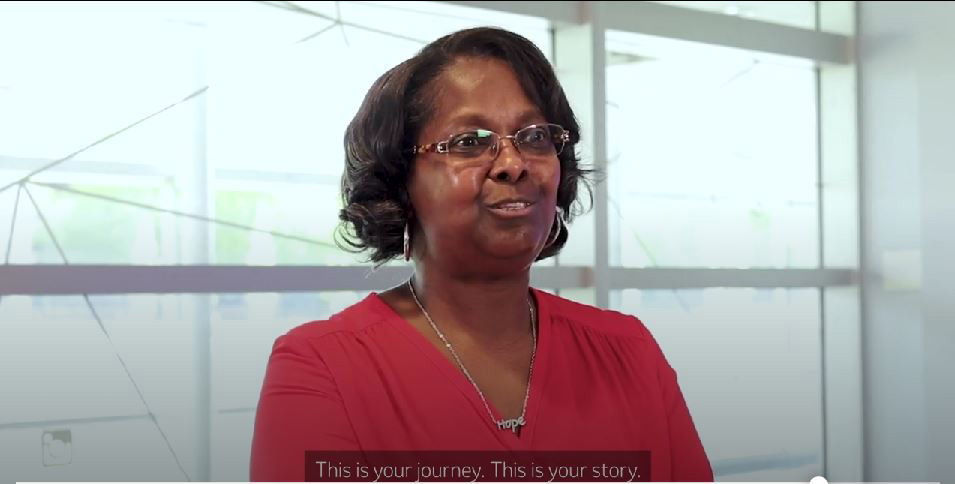
A decade ago, Nola Martin was having trouble breathing, and she was gaining weight. She assumed it was simple: She started to focus on improving her diet and getting more exercise, but she wasn’t seeing results.

“Little did I know the situation was a lot more serious than that,” she said.

Martin was diagnosed with pulmonary arterial hypertension (PAH) and scleroderma. PAH is a disease of high blood pressure in the lungs. Her PAH was associated with scleroderma, a connective tissue disease that can affect the skin, blood vessels and organs and can cause PAH.

“I had two illnesses, and I had no idea what they were from. How did I get them? I was hearing all these terms I’d never heard of before.”

  • Nola Martin

Finding the right care

Martin said that the confusion and complexity of having two chronic diseases made the beginning of her journey the most challenging. Through her experience with PAH, she said she learned that “you must find a facility that is familiar with your disease.” She recommends the Pulmonary Hypertension Association as a great place to start learning about PAH.

While she knows her PAH is progressive, she chooses to stay positive.

“What I learned about advocating for myself with PAH is that no one is going to fight as hard for me as I will,” said Martin. “I know my body. I know when something is different, but I also know that my doctors are not mind readers. If I don’t share with them what is going on, including the smallest details, they can’t give me the proper treatment I need.”

portrait of women in orange shirt

Staying hopeful through connection

It’s important to Martin to connect with other PAH patients and educate people about the disease.

Since her diagnosis, she’s educated numerous people about PAH and scleroderma. She believes in the importance of raising awareness and telling her story. It’s sometimes hard for her to explain to people that even if she doesn’t appear sick, she may still be dealing with difficult symptoms.

“PAH has affected so much of my daily life — simple things like vacuuming, doing the laundry, taking a shower and going to the grocery store,” Martin said. “I encourage others to be understanding and avoid making assumptions about a person with PAH based on their outward appearance.”

She urges people to be supportive and listen when someone shares their story.

Innovation

Merck’s legacy of antimicrobial innovation and action

Delivering on our commitment to fight infectious diseases for more than a century

October 12, 2023

Share this article

Facebook icon

.st0{fill:#00857C;} X icon

Linkedin icon

Email icon

scientist working with liquid

For more than 100 years, Merck has contributed to the discovery and development of novel medicines and vaccines to fight infectious diseases. With the growing burden of antimicrobial resistance (AMR), we’ve focused on stopping the increasing threat of AMR

1930s

Merck Research Laboratories played a central role in the development of sulfas, the first synthetic antimicrobial.

vials with background of industrial complex

1940s

In collaboration with Rutgers University, we developed streptomycin, the first antibiotic effective against tuberculosis. We also helped to develop one of the first methods for mass production of penicillin.

scientist taking out trey of vial

1950s & 1960s

We developed multiple novel methods to prevent infectious diseases, including pediatric vaccines.

scientist working with equipment

1970s & 1980s

We received U.S. Food and Drug Administration (FDA) approval for two vaccines, as well as three antibiotics that treat a variety of bacterial infections.

doctor holding patients right arm

1990s & 2000s

Merck received U.S. FDA approval for two antifungals, as well as licenses for two vaccines.​

2002

With resistance to antibiotics developing faster through people, animals and the environment, we launched one of the world’s largest and longest-running antimicrobial resistance surveillance studies. Called the Study for Monitoring Antimicrobial Resistance Trends (SMART), the program enables researchers to monitor and identify trends in the development of AMR.

2010s

We launched an Antimicrobial Stewardship (AMS) Investigator Initiated Studies program, supporting investigator-based, peer-reviewed research supporting the implementation of AMS principles across the globe, with over 20% of studies occurring in low-and middle-income countries.

large building

2016

We created the Merck Exploratory Science Center in Cambridge, Massachusetts, focusing on the earliest stages of research into the underlying biology of human disease.

2016-2017

We supported the first United Nations high-level meeting on AMR and subsequent political declaration in 2016, which set policy action on AMR in motion.

As a next step, we joined the newly founded AMR Industry Alliance – a network of over 100 pharmaceutical industry partners working to provide sustainable solutions to help curb antimicrobial resistance.

AMR action fund logo

2020

Merck, along with a group of more than 20 leading biopharmaceutical companies, launched the AMR Action Fund to bring 2-4 new antibiotics to patients by the end of the decade.

2020s

Our staff have championed government actions to create supportive markets for antimicrobial innovation, including the PASTEUR Act in the U.S., inclusion of transferable exclusivity extensions in the EU pharmaceutical strategy, and other incentives around the world.

By collaborating with policymakers, Merck aims to improve appropriate antibiotic use globally.

cow drinking milk from bottle

Going forward

In recognition of our leadership in both human and animal health, Merck represents industry in the One Health Global Leaders Group on Antimicrobial Resistance, which advocates for a One Health approach to help ensure antibiotics remain an important tool in improving and maintaining human and animal health.