Sustainability

How we’re addressing health literacy

Many people struggle to understand health information, which can impact health outcomes. What we're doing to support health literacy.

December 6, 2024

Share this article

Facebook icon

.st0{fill:#00857C;} X icon

Linkedin icon

Email icon

two senior adults reviewing health care information with a provider

What is health literacy?

At points in our lives, we need to make health or medical decisions for ourselves, members of our family or those in our care.  And sometimes it can be challenging. Whether it’s deciding to receive a vaccine, start a new medication, undergo a procedure or join a clinical trial, our level of health literacy — the ability to find, understand and use information and services — can play an important role in health outcomes. Unfortunately, when people struggle, there may be negative health consequences, like decreased adherence to treatment plans, increased emergency room visits and hospital stays, and higher mortality rates.

Low health literacy is more common in vulnerable populations

While limited health literacy can affect anyone, there are certain populations at greater risk: older adults, racial and ethnic minorities, those with low income or less education, and people with compromised health status.

“As a company committed to helping save and improve lives, it’s our responsibility to communicate in a way that people can understand so that they can make informed health decisions,” said Shehla Hussain, director, medical writing safety services.

Health literacy is important for health equity

People with better health literacy are more likely to proactively engage in disease preventive behaviors and make informed decisions about their well-being. On the other hand, people with lower or limited health literacy may struggle to understand relevant information, leading to an increased risk of poor health outcomes.

How we’re making medical information easier to understand

We’re committed to making sure the information we share with the world is very clear. It’s something we’ve focused on since 2011, long before the U.S. Department of Health and Human Services updated the definition of health literacy in 2020 to acknowledge that organizations have a responsibility to enable individuals to find, understand, and use information and services to inform health-related decisions and actions for themselves and others.

As part of our efforts, we created a plain language glossary and established company-wide standards focused on improving the health literacy of the information in our resources and materials. It starts in product development and continues through the life cycle of the product, including clinical trials, labeling, post-approval, marketing and promotional materials. For example, we’re:

  • Creating easy-to-read patient labels
  • Improving packaging and instructions for use
  • Developing easy-to-understand disease educational materials
  • Improving health literacy within clinical trials
  • Expanding our plain language glossary of medical/scientific terms
  • Supporting research on health literacy
  • Utilizing plain language and graphics in digital and online resources
  • Sharing best practices externally

We also listen to the people who use or may use our products to help guide our efforts.

portrait of women with short hair and wearing earrings and neckless

“We work to build trust by listening to the communities we serve, understanding their needs and making our information clear, concise and understandable.”

– English D. Willis

Executive director, clinical safety and risk management, and executive sponsor, Health Literacy Community of Practice

Reducing health disparities around clinical trials

Within our clinical trials, we strive to reduce health care disparities by increasing diverse representation in our clinical trials.

“Health literacy is critically important for achieving clinical trial diversity as it ensures that individuals from diverse backgrounds can understand trial information, make informed decisions and effectively participate. Improving health literacy is essential for equitable access and participation, fostering greater inclusivity in research, leading to more representative and impactful outcomes” said Luther Clark, executive director, medical affairs, patient innovation and engagement.

Euvon Jones, a clinical trial participant, said: “Knowledge is power, and during my journey with prostate cancer, I realized the importance of fully understanding my diagnosis and the options available to me. Through conversations with my doctor and loved ones, and seeking information from reliable sources, I felt empowered to make informed decisions. When we fully understand the importance of the health information we receive, we’re better equipped to navigate the health care system, communicate with providers and advocate for the best possible care.”

Look at some examples of our work
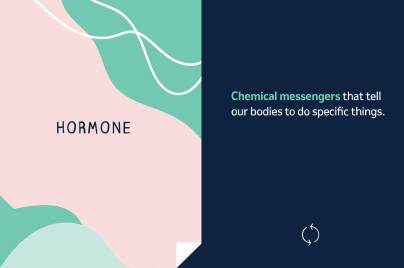
hormone on left chemical messengers on right

Defining complex medical terms in plain language

By defining common terms used by health care providers, patients feel more prepared and confident to engage in discussions with their care teams.
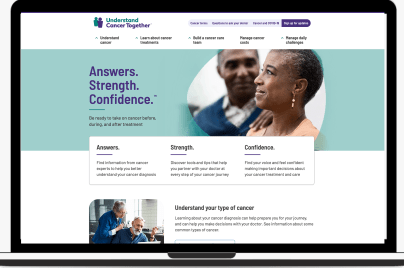
understand cancer together site opened on macbook

Easy to navigate website

Understanding the patient's perspective allowed us to create a website that anticipates their needs for easy navigation. Plainer language, effective visuals and simple layouts make the website a useful tool.

health literacy retinopathy

Seeing from the patient perspective

In a diabetes awareness brochure, we presented the view from the patient's perspective so they can see the potential effects of eye damage from diabetes.

“And our work isn’t done. While we continue to learn and engage with communities, we’re also learning better ways to communicate with our consumers, patients and the general public.”

– English D. Willis

Health awareness

Debunking type 2 diabetes misconceptions

Learn more about type 2 diabetes

November 8, 2024

Share this article

Facebook icon

.st0{fill:#00857C;} X icon

Linkedin icon

Email icon

two women walking on beach

In the U.S., approximately 38.4 million people are living with diabetes, of which 90-95% is type 2 diabetes. And, while diabetes is a major health concern, there are common misconceptions around type 2 diabetes diagnosis and management that should be addressed.

What is type 2 diabetes?

Type 2 diabetes is characterized by resistance to insulin, a hormone produced by the pancreas, which helps glucose get into the body’s cells to be used for energy. In people with type 2 diabetes, the body isn’t able to properly use insulin, which allows too much glucose to build up in the blood and causes high blood sugar.

Here are some type 2 diabetes misconceptions explained.

01.

Misconception: Type 2 diabetes is not a serious disease.

Explanation: Type 2 diabetes should be taken seriously. If type 2 diabetes is not managed properly, it may lead to serious complications over time. Diabetes management, including learning about the condition, adopting a healthy lifestyle and working with a health care provider to create a treatment plan, can help decrease the risk of long-term complications.

02.

Misconception: If you have type 2 diabetes, the symptoms are obvious.

Explanation: Type 2 diabetes symptoms may develop slowly, often over several years, and can be so mild that it’s easy for symptoms to go unnoticed. Many people have no diabetes symptoms at all. In fact, approximately 23% of U.S. adults with diabetes are undiagnosed.

Type 2 diabetes symptoms may include:

  • Excessive thirst and/or hunger
  • Frequent urination
  • Blurred vision
  • Numbness or tingling in the hands and/or feet
  • Fatigue
  • Cuts and bruises that are slow to heal

03.

Misconception: All people with type 2 diabetes are overweight.

Explanation: While research shows that people who are overweight and who are not physically active are more likely to develop type 2 diabetes, there are other personal and lifestyle factors that can increase a person’s risk of developing the condition, including:

  • Age (45 years or older)
  • First degree family history (mother, father, sister, brother)
  • Ethnicity (African Americans, Hispanic/Latinx Americans, American Indians, Alaska Natives and some Pacific Islanders and Asian Americans are at higher risk)

04.

Misconception: If a family member has type 2 diabetes, you’ll also develop type 2 diabetes.

Explanation: If your mother, father, sister or brother has type 2 diabetes, you may have an increased risk for developing type 2 diabetes. However, this is only one of several risk factors. Adopting healthy lifestyle habits may help reduce your risk.

05.

Misconception: Type 2 diabetes only affects blood sugar.

Explanation: People with type 2 diabetes are twice as likely to have heart disease or a stroke. However, there are steps that can be taken to help reduce the risk of some of the more serious complications. These include keeping blood sugar levels as close as possible to a person’s individualized goal, eating healthy foods, exercising regularly, and maintaining blood pressure and cholesterol at levels set by a health care professional.

06.

Misconception: Type 2 diabetes can be cured.

Explanation: There’s no cure for type 2 diabetes as for many, it’s a progressive disease. However, there are some lifestyle changes that can help manage the condition, including making healthy food choices and increasing physical activity. Choose whole, minimally processed foods, such as fruits, non-starchy vegetables, whole grains, lean proteins and low-fat or skim milk cheese, as well as water over juice. Pay attention to how much you are eating, as larger portion sizes mean more calories. Additionally, exercise has been shown to improve blood glucose control, reduce cardiovascular risk factors and contribute to weight loss. Lifestyle changes alone may not be enough to control blood sugar. That’s why it’s important to work with your health care provider to develop an individualized treatment plan.

Innovation

Our Q3 2024 financial results

October 31, 2024

Share this article

Facebook icon

.st0{fill:#00857C;} X icon

Linkedin icon

Email icon

Two people interacting with a bar graph made

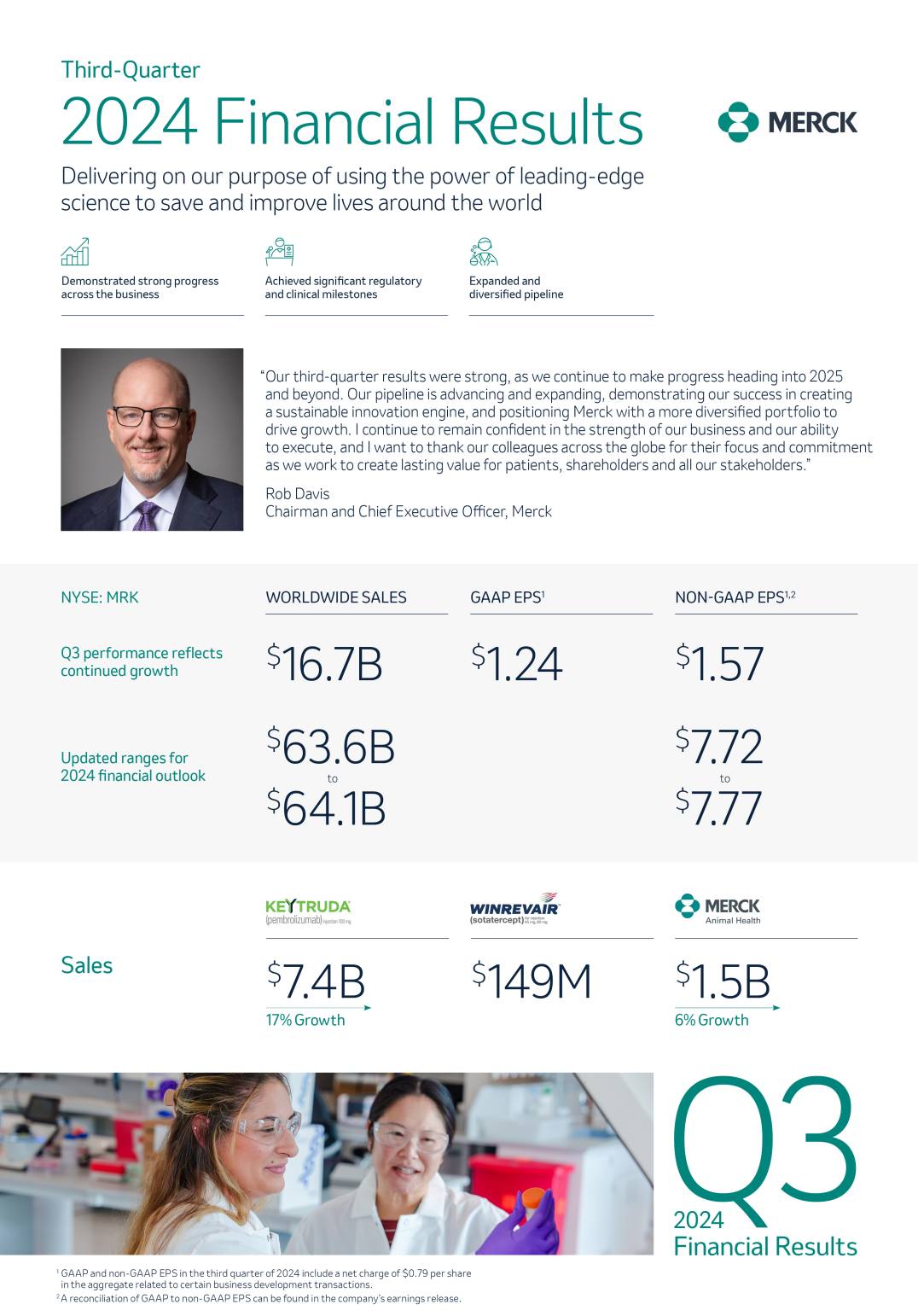
Merck’s (NYSE: MRK) Q3 2024 financial results represent strong progress across the business and our diverse pipeline. Our company announced worldwide sales of $16.7 billion, an increase of 4% from Q3 2023.

“Our third-quarter results were strong, as we continue to make progress heading into 2025 and beyond,” said Rob Davis, chairman and chief executive officer. “Our pipeline is advancing and expanding, demonstrating our success in creating a sustainable innovation engine, and positioning Merck with a more diversified portfolio to drive growth. I continue to remain confident in the strength of our business and our ability to execute, and I want to thank our colleagues across the globe for their focus and commitment as we work to create lasting value for patients, shareholders and all our stakeholders.”

Merck anticipates full-year 2024 worldwide sales to be between $63.6 billion and $64.1 billion.

Find more details on Q3 2024 results below.

q3 2024 earning

Download infographic

Health awareness

Learn more about invasive pneumococcal disease and how infection spreads

Invasive pneumococcal disease can lead to a number of serious consequences in children

October 25, 2024

Share this article

Facebook icon

.st0{fill:#00857C;} X icon

Linkedin icon

Email icon

baby being examined by a doctor

What is invasive pneumococcal disease?

Invasive pneumococcal disease (IPD) is an infection caused by a bacteria called Streptococcus pneumoniae. It can lead to a number of serious illnesses including pneumococcal bacteremia (an infection of the blood) and pneumococcal meningitis (an infection of the coverings of the brain and spinal cord). 

Children under the age of 2 and those with certain underlying medical conditions are particularly vulnerable to invasive pneumococcal disease, according to the Centers for Disease Control and Prevention (CDC). 

~100

different types of S. pneumoniae, called serotypes, exist; however, a smaller number are responsible for most cases of IPD in children

~1 in 4

cases of IPD in children under 5 years of age were caused by serotypes 3, 22F and 33F, according to a pooled analysis from 2018-2021

How does pneumococcal infection spread?

Pneumococcal bacteria can spread anywhere, anytime through close contact with respiratory secretions, like those produced from coughing or sneezing. Children can carry the bacteria in their nose or throat without demonstrating signs of illness. 

Pneumococcal infections are more common during winter and early spring when respiratory diseases are more prevalent.

What you can ask your pediatrician about pneumococcal infection:

  • Is my child at risk for invasive pneumococcal disease?
  • How could invasive pneumococcal disease harm my child?
  • What can I do to help reduce the risk of invasive pneumococcal disease for my child?

“There are steps people can take to be proactive about their family’s health. Parents should speak with their health care providers to learn more about invasive pneumococcal disease and the serious consequences it can cause.”

  • Dr. Ulrike Buchwald, scientific associate vice president, clinical research
Innovation

TL1A: Exploring a potentially important target for inflammatory bowel disease

Our scientists are investigating ways to modulate TL1A to potentially address inflammation and fibrosis associated with inflammatory bowel disease

October 9, 2024

Share this article

Facebook icon

.st0{fill:#00857C;} X icon

Linkedin icon

Email icon

TL1A diagram

Picture the immune system as a carefully orchestrated network of organs, cells and molecules working together to protect your body from foreign invaders. Normally, this system operates smoothly, identifying and then fighting off microbes. However, in the case of inflammatory bowel disease (IBD), a person’s immune system can mistakenly attack their own tissues, causing chronic inflammation and tissue damage.

Nearly three million people in the U.S. live with Crohn’s disease or ulcerative colitis, the two most common forms of IBD. Patients with IBD experience symptoms such as diarrhea, blood in the stool, abdominal pain, unintended weight loss, fatigue and impaired sleep. In 25-40% of patients, IBD may affect organs and tissues outside of the gastrointestinal system, including the joints, skin, bones, eyes, kidneys and liver. When IBD is uncontrolled, it can lead to hospitalizations and surgery.

Despite available therapies which have helped improve patients’ symptoms over the last two decades, many patients do not achieve a state of sustained remission.  

“People with IBD often struggle to find a treatment that works for them because each individual’s disease is different,” said Aileen Pangan, vice president and therapeutic area head, immunology clinical research, Merck Research Laboratories.

“With a better understanding of the biology of IBD, medicines have begun to emerge that aim to change the way we approach treatment. We’re investigating ways to modulate targets, including TL1A, that have been implicated in IBD and other immune-mediated inflammatory diseases.”

  • Aileen Pangan

Our TL1A research

Our scientists are investigating tumor necrosis factor-like ligand 1A (TL1A), which has been shown to be increased in inflamed intestinal tissue and in the systemic circulation of patients with IBD.

TL1A is a cytokine, a protein functioning as a chemical messenger, that acts as a regulator of cellular immunity. In healthy people, levels of TL1A increase to help immune cells fight infections effectively, with levels going back down after the infection is gone. However, in IBD, TL1A levels are chronically elevated, leading to an excessive buildup of immune cells in the digestive tract, chronic inflammation, tissue damage and fibrosis.

Teams at Merck are evaluating the potential role of TL1A across immune-mediated inflammatory diseases, including Crohn’s disease, ulcerative colitis and systemic sclerosis-associated interstitial lung disease (SSc-ILD). Learn more about our research in immunology.

Health awareness

Driving prostate cancer research forward

Our scientists are dedicated to advancing research for potential treatment options for people diagnosed with prostate cancer

September 4, 2024

Share this article

Facebook icon

.st0{fill:#00857C;} X icon

Linkedin icon

Email icon

scientist wearing protective gear in lab

It’s estimated that nearly 1.5 million people assigned male at birth were diagnosed with prostate cancer in 2022 worldwide.

But these patients aren’t just a statistic or a number. They’re our partners, our parents, our children, our siblings and our friends. They’re our loved ones, fighting for better outcomes and a chance for the future. And that’s who we’re fighting for, too.

“Globally, someone is diagnosed with prostate cancer nearly every minute. That’s why we’re working with urgency to advance research and provide potential treatment options for patients living with this disease.”

  • Dr. Kentaro Imai, distinguished scientist, oncology, prostate clinical research

The impact of prostate cancer on patients

Prostate cancer is the second most commonly diagnosed cancer and the fifth leading cause of cancer death in patients assigned male at birth worldwide. The average age at diagnosis is 66 years old. Prostate cancers is more likely to develop among those with African ancestry or a family history of the disease.

Prostate cancer can be genetic in other ways, too. Several inherited genetic mutations — such as those of the BRCA1 or BRCA2 genes — can increase prostate cancer risk. These types of genetic mutations, among others, can be identified through testing your tumor (also known as biomarker testing).

For those patients who are diagnosed with early stage prostate cancer, the prognosis is promising, with a five-year survival rate of nearly 100%. However, for patients with prostate cancer at an advanced stage, the outcomes can be dramatically different, and the five-year survival rate remains low.

“As with many cancers, patients with prostate cancer have the greatest chance of survival when their disease is detected early,” said Dr. Imai. “The prognosis for prostate cancer worsens as it spreads to other areas of the body, given that there are limited treatment options at that stage. It’s critical that we push forward to identify new options for these patients.”

Our commitment to prostate cancer research

Our science, coupled with new insights into the disease, continues to guide us as we pursue clinical advancements in prostate cancer.

Dr_KentaroImai

"Our scientists are working diligently each and every day in an effort to discover new solutions for patients with prostate cancer."

— Dr. Kentaro Imai

Distinguished scientist, oncology, prostate clinical research

Since the next breakthrough can come from anywhere or anyone, we regularly collaborate across the entire prostate cancer community, working with health care providers, other companies, academia and advocates to gain a deeper understanding and make progress for patients with prostate cancer.

“The fight against prostate cancer is constantly evolving, and therefore our approach to the disease must evolve, as well,” said Dr. Imai. “We’re committed to pushing boundaries in pursuit of breakthrough advances that have the potential to change the lives of patients living with prostate cancer.”

Health awareness

Understanding lung cancer: 5 essential things to know as a patient or caregiver

What to know about one of the most common types of cancer

August 21, 2024

Share this article

Facebook icon

.st0{fill:#00857C;} X icon

Linkedin icon

Email icon

lung and stethoscope icon

Lung cancer is one of the most commonly diagnosed cancers worldwide. In 2022, it was estimated that more than 2.4 million people globally were diagnosed with lung cancer.

Lung cancer is also the leading cause of cancer death worldwide. Nearly one-in-five (19%) cancer-related deaths were estimated to result from the disease worldwide in 2022.

Despite how common lung cancer is and its high mortality rates, there are still many misconceptions about the disease. Having accurate information is a critical step in the fight against lung cancer.

Our company is working for these patients and their families by advancing research and fostering greater awareness and understanding of the disease.

Here are five facts about lung cancer that we think patients or caregivers need to know.

01.

Every person with lung cancer deserves compassion and support.

People with lung cancer can face social stigma because they may have smoked. But the truth is, there’s no room for blame. People with lung cancer are worthy of all the compassion and support their families, health care teams and the wider cancer community can provide to help them stand against this disease.

Caregiver holding patient's hand

02.

It takes a village to navigate life with lung cancer.

When coping with a lung cancer diagnosis, it’s important to build a circle of support that includes the oncologist, health care teams, family and friends.

Connecting with others can provide a sense of support and comfort to help patients through everything that goes into managing this disease.

03.

There’s no one type of person who develops lung cancer.

Lung cancer strikes both men and women. While it is mostly diagnosed in older people, younger people can develop the disease. In fact, in 2022, more than 312,000 cases of lung cancer were estimated to be diagnosed worldwide among people 54 and younger.

Crowded street downtown

04.

There are multiple risk factors for lung cancer, including some outside our control.

Smoking is the greatest risk factor for developing lung cancer, but there are others as well, including having a family history of the disease and exposure to certain environmental substances. Worldwide, it is estimated that 10-25% of patients with lung cancer have never smoked with even higher proportions based on ethnicity and geographic region.

Environmental risks include:

  • Exposure to radon gas.
  • Exposure to occupational carcinogens, such as asbestos.
  • Exposure to outdoor air pollution, such as second-hand smoke, arsenic, chromium and nickel.

05.

Scientific advances are helping to make an impact in treating lung cancer.

Over the last 20 years, significant strides have been made to improve patient outcomes in the treatment of lung cancer. Key advancements include the development of targeted therapies, the incorporation of biomarker testing into standard practice and the progress of research that may offer promising breakthroughs for patients with difficult-to-treat tumor types.

Sustainability

Merck publishes 2023/2024 Impact Report

Letter from our chairman and chief executive officer, Rob Davis

August 16, 2024

Share this article

Facebook icon

.st0{fill:#00857C;} X icon

Linkedin icon

Email icon

Rob Davis

Dear Stakeholders,

For more than a century, we’ve been devoted to innovative scientific discovery, delivering medicines and vaccines to address critical health needs, optimizing the efficiency of our supply chain, increasing diversity in clinical trials, evolving our Merck Manual for medical reference and so much more. Importantly, everything we do is inspired by our purpose — to save and improve the lives of people and animals around the world. By harnessing leading-edge science, we’ve tackled some of the world’s biggest health challenges for generations, and we remain committed to expanding access to life-changing medicines, vaccines and technologies for many more decades to come. Operating our business responsibly and sustainably is at the core of our values and foundational to our ways of working and business operations.

To help propel our purpose, we continue to prioritize our ambitious sustainability goals, which span four key focus areas: 1) Access to Health; 2) Employees; 3) Environmental Sustainability and 4) Ethics & Values.

Over the last year, our concerted focus on innovation, collaboration and delivering significant and sustained stakeholder value has driven remarkable progress and impactful outcomes. To these ends, I’m proud to share the following key accomplishments:

Expanding and enabling access to health

Enabling access to health underpins every action we take and every decision we make. Across our enterprise, we collaborate with global partners and stakeholders to advance our scientific discoveries, expand and enable access to our medicines and vaccines, and implement initiatives that drive health equity. In 2023, we reached more than 550 million people with our medicines and vaccines through commercial channels, clinical trials, voluntary licensing and product donations. These critical efforts include our MECTIZAN® Donation Program, the longest-running disease-specific drug donation effort of its kind, which aims to combat river blindness and lymphatic filariasis and reached approximately 385 million people last year.

In 2023, we also expanded on our 2021 access to health ambition, and now have a new goal to enable 350 million more people to access our medicines and vaccines by 2025. In 2023 alone, our efforts enabled access for 240 million people. Our products were delivered to nearly 80% of countries globally. And through our social investments, including partnerships to advance access to health and other impact initiatives, we reached more than 54 million people in low- and middle-income countries and populations underserved by health care in high-income countries, surpassing our goal of reaching more than 50 million people by 2025.

Developing and rewarding an inclusive and healthy workforce

We believe the best path to value creation is through our talent, and the variety of backgrounds and ideas they bring are central to the success of our company. Diversity and inclusion is a business imperative. It improves our understanding of our customers, promotes inclusion in our clinical trials and inspires the innovation that drives our business. We remain committed to actively cultivating a talented and inclusive workforce that best represents—and can thus best serve—our customers, health care providers and patients.

In 2023, we defined and introduced 15 new enterprise leadership skills, designed to further advance our culture, power organizational and individual performance, and drive value for our stakeholders and communities.

Embodying and prioritizing environmental stewardship

We know the global health of people and animals is inextricably linked to the health of the planet. This is why we are committed to playing an active role in mitigating the impacts of climate change. Notably, in 2024, we committed to be net-zero across Scopes 1, 2 and 3 greenhouse gas emissions by 2045, aligned with guidance from the Science Based Targets initiative.

Our environmental sustainability strategy is designed to achieve our objectives by focusing on three critical areas: operational efficiency, designing new products to minimize environmental impact and reducing the impacts in our upstream and downstream value chain. And we have been recognized with six consecutive Green Chemistry Challenge Awards—nine overall—as a result of our ongoing efforts to minimize the footprint of our products. The awards are sponsored by the Environmental Protection Agency and the American Chemistry Society and recognize new and innovative environmentally conscious chemistry technologies.

Holding ourselves to the highest standards

We operate responsibly every day in every way, and we hold ourselves accountable to the highest standards of ethics and values. Our code of conduct is our compass, ensuring we maintain our reputation as a trusted, credible and responsible company. It also encourages employees to speak up and report potential concerns to ensure our ethics and values are reflected in our business operations. We maintain full compliance with all privacy and data regulatory requirements related to active incident monitoring, risk/harm analysis and on-time notification of data breaches.

We are also a signatory to the United Nations Global Compact (UNGC), and we align our operations with the Ten Principles of the UNGC to improve communities around the globe.

Additionally, we increased our spend with small and diverse Tier 1 and 2 suppliers from $3.2 billion in 2022 to $3.6 billion in 2023, fostering a healthy, equitable and diverse supply chain.

In 2023, we also added sustainability metrics to our Company Scorecard, which directly correlates to our annual incentive plan. The metrics link the compensation for most employees, including executives, to our performance in driving greater access to health care and employee engagement and inclusion. And I’m pleased to report that, in our inaugural year, we achieved all of our goals for these new sustainability metrics on our Company Scorecard.

Sustaining our momentum

I am very proud of our collective progress and the positive impact we’ve made on the lives of people, animals and communities around the world. In 2023, Merck was named one of the Top 100 Most Sustainable U.S. Companies by Barron’s and one of America’s Most JUST Companies by JUST Capital and CNBC. And notably, we ranked No. 1 in the health sector for both recognitions. This year, we were also recognized on TIME’s inaugural list of the World’s Most Sustainable Companies, ranking No. 28 out of 500 companies. These honors are a testament to our unwavering passion and commitment to saving and improving lives globally.

I remain confident that we can do even more to further advance global health and access, drive diversity and inclusivity, protect the environment and operate responsibly. I’m excited and energized by the possibilities of our science-led strategy, the promise that our short- and long-term efforts present, and the positive, sustainable impacts that we can make today and well into the future.

My sincerest thanks for your continued support as we pursue a healthier and brighter future for all.

Very best regards,

Rob Davis

Chairman & Chief Executive Officer

Health awareness

HPV and related cancers: What you need to know

Human papillomavirus (HPV) is a leading cause of certain types of cervical cancer and other cancers in men and women

August 15, 2024

Share this article

Facebook icon

.st0{fill:#00857C;} X icon

Linkedin icon

Email icon

young adults sitting on the steps of a building

What is human papillomavirus (HPV)?

Human papillomavirus (HPV) is the most common sexually transmitted infection (STI) in the U.S. There are many different types of HPV.

For most people, HPV clears on its own. But for the very few who do not clear the virus, it can cause certain cancers and other diseases in both men and women. Unfortunately, there’s no way to know who will or will not clear the virus.

What cancers and diseases can be caused by HPV?

icon of people connected in a circle

HPV can cause certain types of:

  • cervical cancers
  • anal cancers
  • vulvar cancers
  • vaginal cancers
  • head and neck cancers
  • genital warts

According to the U.S. Centers for Disease Control and Prevention (CDC), between 2016 and 2020, tens of thousands of people in the U.S. were diagnosed with certain HPV-related cancers each year.

The impact of HPV-related cancers

Between 2016 and 2020, CDC estimates:

icon
60-70%

of all oropharyngeal cancer (found in the back of the throat, including the base of the tongue and tonsils) may be caused by HPV

icon
~11,900

new HPV-related cervical cancer cases occur in the U.S. each year

“There are steps people can take to be proactive about their health. Men and women should speak with their health care providers to learn more about the link between HPV and certain cancers and diseases.”

— Mel Kohn, M.D., M.P.H., executive director of medical affairs, Merck

The World Health Organization’s movement towards cervical cancer elimination

According to the World Health Organization (WHO), cervical cancer is the fourth most frequent cancer in women globally. Important steps have been taken to achieve a world where fewer women are affected by cervical cancer, but more needs to be done.

In 2020, the World Health Assembly adopted the global strategy to accelerate the elimination of cervical cancer as a public health problem.

To help achieve this goal, the WHO provides guidance and tools to support countries in implementing strategies and addressing challenges associated with cervical cancer prevention.

Innovation

Our Q2 2024 sales and earnings report

July 30, 2024

Share this article

Facebook icon

.st0{fill:#00857C;} X icon

Linkedin icon

Email icon

illustration of two people moving circle shapes

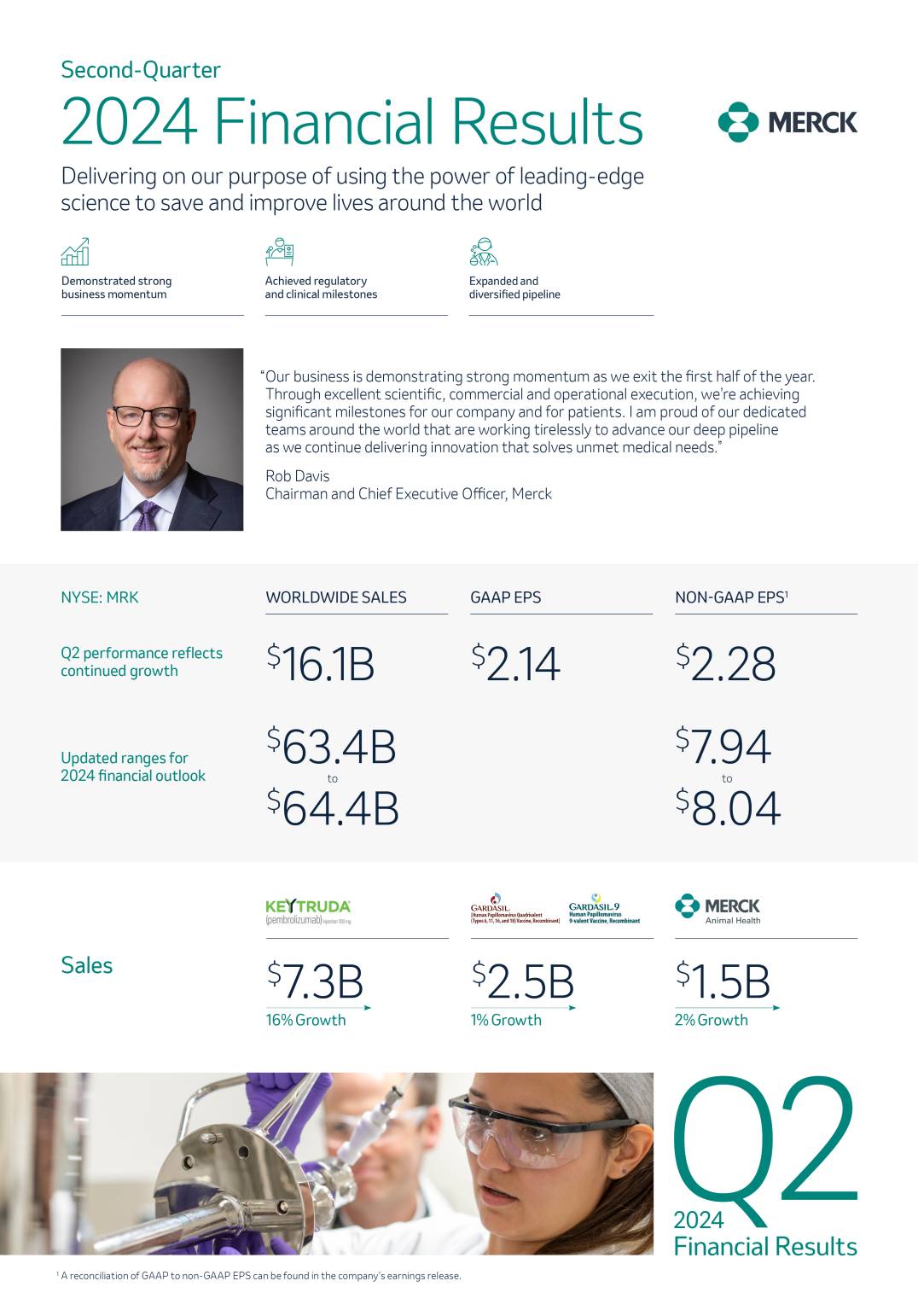
Merck’s (NYSE: MRK) Q2 2024 results demonstrate strong business momentum and further progress in our diverse pipeline. Our company announced worldwide sales of $16.1 billion, an increase of 7% from Q2 2023.

“Our business is demonstrating strong momentum as we exit the first half of the year,” said Rob Davis, chairman and chief executive officer. “Through excellent scientific, commercial and operational execution, we’re achieving significant milestones for our company and for patients. I am proud of our dedicated teams around the world that are working tirelessly to advance our deep pipeline as we continue delivering innovation that solves unmet medical needs.”​

Merck anticipates full-year 2024 worldwide sales to be between $63.4 billion and $64.4 billion. ​

Find more details on Q2 2024 results below.

infographic

Download infographic